
Steroids
Deca Durabolin vs Trenbolone: When and Why to Use Each?


The most popular steroids in bodybuilding, Deca Durabolin vs Trenbolone are still a mystery to some users. It is never a good idea to get involved in what you don’t know, and more specifically on substances that go into your body. We shall be taking through the possible health risks of these two drugs, when and why to use each. Additionally, we shall explore alternatives to the drugs in case the two don’t work on you.
There is no shortcut when it comes to steroids; you must gate a doctor’s prescription before you start using one. Just like they can transform your body in a good way, things can go south as well. Avoid taking non-prescribed, illegal steroids at all costs. The best thing about legal steroids is that they not only give you perfect results, but you will also enjoy the peace of using legal stuff.
What is the difference between Deca Durabolin and Trenbolone?
First off, let us be clear about the two; they serve the same purpose and are administered the same. The two are administered through injection: Deca Durabolin Trenbolone function by building muscles and pack on size. Users normally use them in bulking cycles as prescribed by a physician. At the same time, Deca is an FDA - approved steroid, but not for purposes of bodybuilding. The drug should only be administered for the treatment of anemia.
DecaDurabolin >> HERE
Consequently, Deca has been banned by the FDA for any other use other than that, including as a bodybuilding injectable. Why is the drug banned? Because of its adverse, mostly fatal side effects.
Tren, on the other hand, was created to help cattle bulk up. For this reason, the drug is not approved for any human use. It doesn’t matter whether you have a prescription or not; it is just not safe. Despite the risks associated with both Deca and Tren, they are still widely used for bodybuilding.
Deca Durabolin 1ml vials >> HERE
Deca Durabolin vs. Trenbolone Pros
While Deca is only used in bulking cycles, Tren is quite a versatile steroid. Users who use the latter have gotten large amounts of lean mass when bulking. At the same time, Tren helps in cutting cycles; it is perhaps the reason this particular steroid is widely used than Deca and many others. Can you believe it that someone could gain up to 20lbs of muscle a season with a ten Tren-only cycle? Very incredible.
The working mechanism of Tren involves helping the user retain muscle when eating calories. It speeds up fat-burning due to its androgenic nature. Androgen receptor (AR) properties of the drug are efficient in inhibiting fat storage and promoting fat loss in adipose tissue.
What are the gains from using Deca? Well, not much, but they are still significant. Deca has to be used with a supplement for it to have any significant results. Many bodybuilders prefer stacking it with potent steroids to enhance strength and muscle. As a result, Deca produces huge lean muscle and generally makes the user look huge and thick.

Which One Gives Quick Results?
Tren is the fast-acting steroid of the two, but this only occurs with short esters. Deca, on the other hand, is slower than Tren on long esters but acts moderately with short esters. Deca cycles are longer; hence its slow buildup in the person’s system. Generally, Tren is considered fast-acting under all circumstances.
Expectedly, Trenbolone’s side-effects are far-reaching than Deca’s. Bodybuilders using Tren typically report uncomfortable side effects from the 6th or 7th week of usage. For this reason, the drug takes longer cycles of approximately 6 to 8 weeks. In comparison, Deca’s cycles can go beyond ten weeks, and as far as 14 weeks in some cases. Somehow, this is a win-win situation for both Deca and Tren.
Moreover, the biggest benefit that comes with using Deca is the few injections one needs; just about once a week. Tren would require a daily injection, which may have a huge toll on you. The results are fast-coming for the latter, but there is a price to pay.
It is highly recommended that you learn your body first to know how your system works. If you feel you won’t be able to deal with the drug’s effects, then find an alternative. Furthermore, you are looking to be a better version of yourself. The best thing about steroids is that they come in many varieties; you only need to pick the best. Your body should inform your decision to pick a particular product. But that is after considering other factors like the legality of the product.
Deca vs. Tren: Effects on the Heart
The heart is arguably the most delicate and sensitive organ in the human body. People instantly freak out when potential heart problems are mentioned concerning these steroids. Well, these are the facts:
What Impact Have Anabolic Steroids Taken On Your Heart and Blood Cells?
While Deca has little to no effect on blood pressure, it can be the cause of a serious cardiovascular strain. But don’t freak out yet; this only happens when the drug is taken on a high dose of 600mg a week for ten consecutive weeks. It is quite unlikely that you will run this risk if you have foreknowledge of the drug’s working mechanism.
Trenbolone can raise blood pressure to dangerous levels if overdosed. The high blood pressure will then set off a chain of other cardiovascular problems that can be fatal or irreversibly damaging. The reason this drug has severe side effects is due to its inability to convert to estrogen. You shouldn’t underestimate the importance of estrogen; it is the chemical that protects the heart. Water retention due to the accumulation of estrogen should be every bodybuilder’s least concern. The more it is, the better.
Testosterone Suppression
When it comes to the effects of testosterone levels, both steroids will shut down the user’s levels. It will take several months for the person to restore their testosterone levels after discontinuing the drug. However, Deca’s effects are relatively low, but still consequential. PCT is recommended to remedy this.
SUSTADEX by Sciroxx >> HERE
The product helps you return testosterone levels to the original after every cycle. Testosterone suppression is a common side effect for almost all steroids, so you shouldn’t be scared.
Androgenic side effects of the steroids
Tren has a higher androgenic rating of 500 while Deca’s is a mere 37. What does this mean? Trenbolone usage can result in things like acne, hair loss, oily skin, and bigger-than-normal prostate. However, the cases mentioned only increase if one is naturally prone to those conditions. Tren particularly causes back acne and on other sections due to the production of sebum which blocks the pores.
Due to the highly androgenic nature of Tren, users will have shoulder and trap muscles blowing more than the rest of the body. Those areas have more receptors than others. The feature makes it easy to recognize people who are using Trenbolone. They look huge at the top; you’d think they are photoshopped. When such people stop using the drug or when they begin ageing, you may notice that their legs show signs of swelling. It is because of the enormous weight the legs had to bear.
Deca Durabolin vs. Trenbolone: Gyno
Tren gives the user a very dry look. It is because the steroid does not aromatize. The same applies to Deca; although it has been found to aromatize to 20% more than Tren. For this reason, it is believed that Gyno is very unlikely for these drugs. It is important to note that bodies respond differently to foreign substances, and the effects may vary among individuals. It is the reason a prescription is required for every steroid. Your doctor may have facts or clues about your body.
Even though Deca and Tren are considered non-estrogenic, it has been proven that the two drugs raise progesterone levels. Consequently, Gyno is made a possibility by breast tissue forming like estrogen. And this risk increases with the use of Deca with other estrogenic compounds like Anadrol and testosterone. If you want to prevent it, it is recommended that you use anti-estrogens, although they may also affect your blood lipids.
Related Article:: Steroids, Gynecomastia and GynoSurgery
Effects on Sex Life
Deca has been widely linked with erectile dysfunction. The steroid lowers DHT levels, thus reducing blood flow to the penis. The condition can be remedied by stacking Deca with estrogenic steroids like testosterone which boosts DHT level. Tren has not been reported to cause serious sex problems, but the effects are still there. People have been raising concerns about the possibility of permanent sexual incapacitation of the drug.
TESTOGEN >> Try it
Although this a possibility, no one has ever become completely incapacitated in that regard. But to be safe, ensure to accompany small levels of estrogenic compounds for as long as you use it. Furthermore, side effects caused by steroids normally come to an end on their own once the user discontinues the drug.
How does one deal with a permanent loss of erection caused by Deca use? The following may save the situation:
- Discontinuing the use of all steroids.
- Finding a suitable alternative to the drug.
- Stacking it with estrogenic steroids like testosterone.
Psychological Effects
Generally, every steroid affects your mental health one way or another. Tren again comes top when it comes to the adversity of effects on the mind. Its severity with the mind is as bad as the physiological ones. Tren use will likely experience paranoia, anxiety, and irritability.
The psychological effects are manifested in the way the user interacts with people close to them, more so friends and family. If the steroids are affecting you psychologically, you will experience frequent fights and arguments with your partner. It is more like the unexplained stress, which has to be taken out with someone nonetheless. It would help if you treated provocative or irritating situations with caution once you start using Tren. Most importantly, let your partner know that you are using the drug, so they know how to handle you better.
TrenaTREX 150 >> HERE
Experiments conducted on Tren have revealed that the drug stimulates the nervous system, triggering a rush of adrenaline. The hormone then causes instant euphoria and nervousness. Other long term effects may include insomnia. The psychological effects of the drug can be managed by reducing the dose once the effects start to manifest.
Trenbolone and Women
Virilization symptoms are common with women who use Tren. It doesn’t matter the dosage a woman takes; Tren is so strong that it instantly turns you into a man. Unless you are prepared for that, you can use alternatives like Deca. In rare cases, prolonged use of Tren has affected women emotionally. Some women have been discovered to exhibit mannerisms similar to those seen in me. It includes basic choices like the kind of people to hang out with as well as the type of clothing. Some experts have argued that it is due to a feeling of masculinity resulting from using Tren. But it is more of a hormonal issue that is directly connected with the mind.
Must Read:: How to Control too Much Testosterone in Women?
Trenbolone and Coughing
Tren has a 1-in-5 probability of causing persistent violent coughing immediately after injection. The coughing which may be accompanied by a tight chest typically lasts for some seconds. As one continues using the drug, the coughing becomes less violent and may stop completely at some point. Only a few people experience Tren Cough outside their cycle. It means that the irritability doesn’t go away for such individuals.
Don’t be surprised if you feel a mild fever or some trembling when while coughing. It is usually due to the combined effects of inhaling large amounts of foreign substances and straining your respiratory system. If such occurs, you are advised to spend a few minutes resting and to let your body adjust to the injection.
Trenbolone Acetate >> HERE
Why does Tren cause you to cough? Well, Tren is an irritant, just like any steroid. But its irritability becomes severe once the needle hits a blood vessel. Apart from coughing, Tren will also leave a metallic taste in your mouth, mainly due to irritation of the lungs. If the cough doesn’t go away even after you have allowed your body enough time to overcome the irritation, see a doctor immediately.
Alternatives for Deca Durabolin and Trenbolone
Decadron and enrol are the main alternatives for Deca and Tren. Can you remember our opening statements concerning the legality of bodybuilding steroids? Well, these two are very legal. Crazy Bulk manufactures decadron and enrol. If you are familiar with Crazy Bulk products, you know that they are all 100% legal. FDA has approved them because they have no side effects on the user. We have selected the drugs as alternatives because they are made up of powerful herbs and other natural ingredients. The components work by spiking anabolic hormones in your body. It is those hormones and chemicals that convert harmful substances in the drugs to less harmful ones.
Buying Deca Durabolin and Trenbolone
It is safer to buy Deca and Tren online than on the streets. Products bought online are mostly unique and safe to use. Why is that so? It is due to the simple reason that the seller is usually the manufacturer of a legit supplier. The streets are full of counterfeits which will expose you to every single risk we have addressed in this article. Another advantage of buying online is that you have the opportunity to research the drugs before you commit your hard-earned money. Generally, you will be sure you are buying the right drug. You will also not need a prescription when buying the product online, yet you will still be provided with the correct usage information. It is something not provided by dodgy black market dealers.
Why are bodybuilders being encouraged to buy steroid alternatives? Because it is their best chance of escaping the dangerous side effects associated with Tren and Deca. And yet still get almost the same results as the two.
Alternative for Trenbolone
Tren is surprisingly the most used steroid by bodybuilders despite its severe side effects. The reason is obvious; it has the fastest results of any steroid. But do you think the quick results are worth the risks? Note. There is a similar steroid that does not suppress testosterone, cause mood swings, or increase your blood pressure. That drug is Trenorol. The steroid does not increase the user’s blood pressure level, does not suppress testosterone, and doesn’t cause mood swings.
If you are the type that is afraid of needles, then Trenorol is your best choice. You don’t have to inject yourself with it since it comes in tablet form. All you need is a glass of water and some strength to swallow it, and you are good to go. Additionally, Trenorol has not been found to cause any problems to the liver and is not associated with any coughing.
Alternative for Deca Durabolin
Deca has a better alternative, just like Tren. As we have seen, Deca has very few and less severe side effects when used in bodybuilding. Its major shortcoming is that it remains largely illegal, more so in the United States. It is safe, yes. But you will always look over your shoulder when using it. It would be best if you surely had some peace of mind to focus all your energy on bodybuilding. It is where Decaduro comes in. Decaduro can be used to achieve the same results as Deca Durabolin without causing any side effects such as Gyno and low testosterone levels.
Decaduro will not interfere with sexual performance with the user being able to maintain an erection and attain orgasm during the cycle. Customers have given positive reviews about this product and continue to do so. Crazy Bulk has published some of these reviews on their website, a clear indication that the product is legit.
Final Thoughts
Both Deca and Tren have their good sides and equally bad sides. While Tren is excellent in building more muscle and burning more fat, its side effects are also very severe. The most uncomfortable side effects associated with Tren are hair loss, acne, and increased blood pressure. Deca, on the other hand, has less severe side effects but the thought of potential sexual incapacitation is enough to send you into a panic mode. Deca does not also require frequent use, which means it has beneficial and safer to use compared to Tren. Deca’s biggest undoing, however, is its illegality.
All in all, both Deca Durabolin Trenbolone will reduce testosterone levels below normal, thus leading to cardiovascular problems long after one stops using them. The highlighted issues are reason enough to avoid using illegal steroids and instead start using legal alternatives. It is for a good reason that the relevant regulatory bodies have banned them.
Frequently Asked Questions
Which is better for vascularity, Deca Durabolin or Trenbolone?
Tren can flush water out from below the skin, leaving veins conspicuously popping out. Its diuretic effects also raise deeply-located veins close to the surface. Similarly, this steroid easily gets rid of fat under the skin, thus allowing veins to be seen. If you didn’t know, the veins are about the same size for everyone, but the presence of too much water and fat around the vessel makes it almost invisible.
Is it safe to stack Deca Durabolin with Trenbolone?
Yes. Using a combination of the two steroids will bulk muscles even more. Strength will also be enhanced considerably when Deca Durabolin is stacked with Trenbolone as compared to using Tren alone. The only thing you should be careful with is the dose. The side effects of such an overdose are likely to be very uncomfortable, but not as severe as using a Tren-only cycle. However, this stack is not an ideal one given that Tren is a dry steroid. A better stack would be one with testosterone.
Must Read:: What Impact Have Anabolic Steroids Taken On Your Heart and Blood Cells?
What Steroids Can Be Stacked with Trenbolone?
The best steroid to stack with Tren is one that has few side effects but with many gains. The only candidate with such a property is testosterone. However, Anadrol can be used in place of testosterone. The steroid is good for bulking, but its combination with Tren is such a powerful stacking that it can overwhelm your system. Unless you are very experienced, don’t stack it with Tren. It is reserved only for those whose bodies can handle the compound.









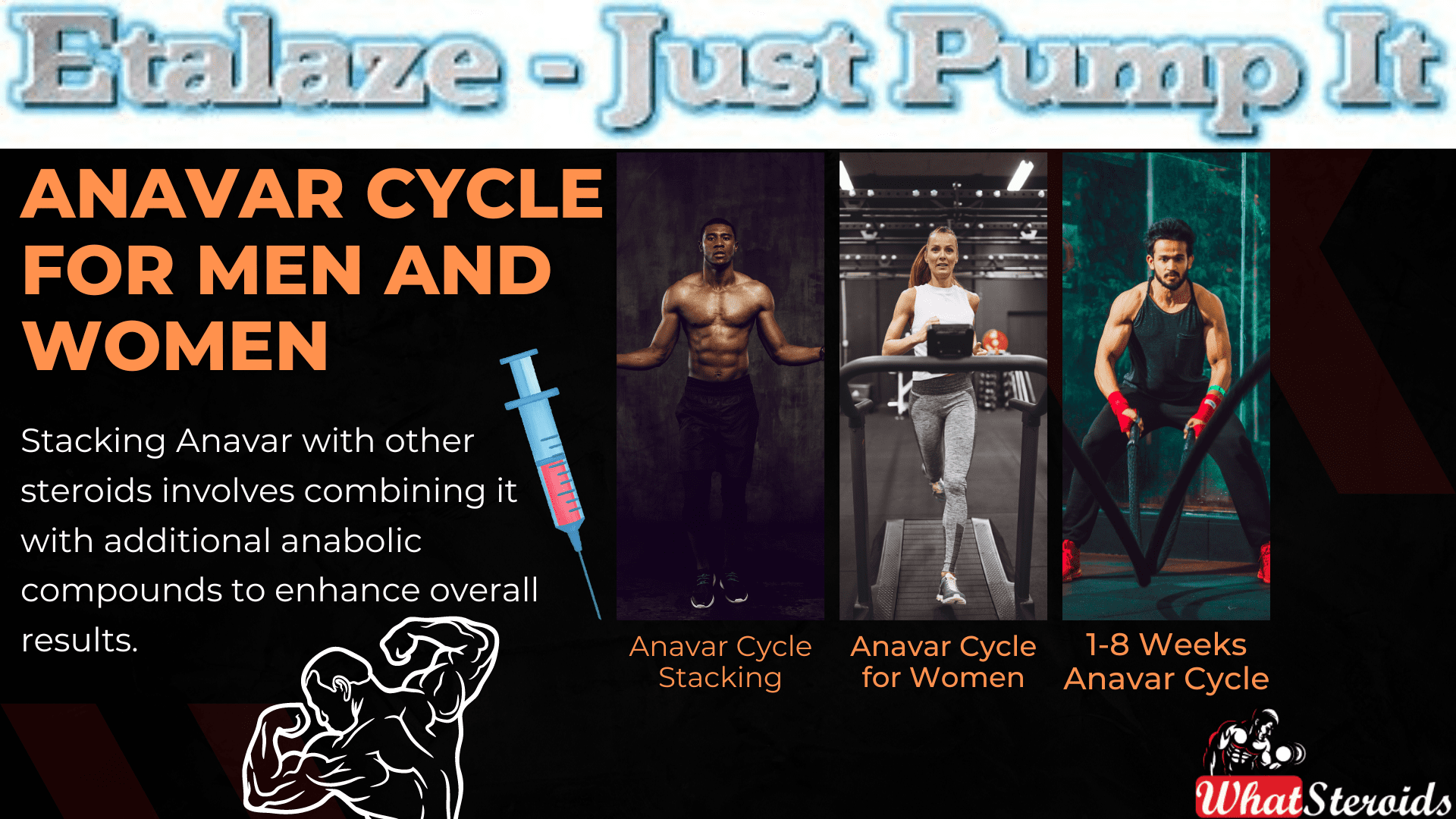
Anavar (Oxandrolone) is a mild anabolic steroid often used for cutting purposes. We shall explore the Anavar cycle in this article.
Anavar Overview
Anavar (Oxandrolone) is an oral anabolic steroid initially developed in 1962 to promote lean muscle mass in individuals suffering from muscle-wasting conditions.

Its formulation aimed to create a mild drug with minimal side effects, making it safe for both women and children. Anavar was successfully used to treat catabolic illnesses, burns, infections, and post-surgery recovery. It also helped increase bone mineral density in osteoporosis patients.
Mechanism of Action
Mimics Testosterone: Anavar functions by mimicking the effects of testosterone, a hormone crucial for muscle growth and repair.
Anabolic Processes: It promotes anabolic processes in the body, aiding in protein synthesis—essential for muscle development and maintenance.
Nitrogen Retention: Anavar helps muscle cells retain more nitrogen, a building block of protein.
Increased Oxygenation: By increasing the number of red blood cells, Anavar enhances oxygenation of muscles, leading to improved strength and endurance.
Must Read: Top 10 Legal Steroids Products And Brands On The Market
1-8 Weeks Anavar Cycle
Let’s break down the Anavar cycle dosages for both men and women from week 1 to week 8:
Anavar Cycle for Men
-
- Week 1-2:
- Start with 10mg per day.
- Week 3-4:
- Increase to 20mg per day.
- Week 5-6:
- Raise to 30mg per day.
- Week 7-8:
- Maintain at 30-40mg per day.
- Week 1-2:
Anavar Cycle for Women
-
- Week 1-2:
- Begin with 2.5mg per day.
- Week 3-4:
- Gradually increase to 5mg per day.
- Week 5-6:
- Continue at 5-10mg per day.
- Week 7-8:
- Maintain at 10mg per day.
- Week 1-2:
Remember to monitor your progress, stay within safe limits, and consult a healthcare professional throughout your cycle. Safety first!

Tips to Optimize Results During Anavar Cycle
Optimizing your Anavar cycle involves strategic planning, adherence to best practices, and a focus on safety. Let’s explore key aspects to enhance your results:
-
Set Clear Goals
- Define your objectives: Are you aiming for fat loss, muscle gain, or strength improvement?
- Knowing your goals helps tailor your Anavar cycle accordingly.
-
Dosage and Duration
- Cycle Length: Anavar cycles typically last 5 to 8 weeks.
- Dosage: Start with a low dose (e.g., 10 mg/day for beginners) and gradually increase if needed.
- Split Doses: Divide daily dosage into 2 to 4 doses for consistent blood levels.
-
Diet and Nutrition
- Caloric Intake: Anavar is effective during cutting phases. Maintain a slight caloric deficit for fat loss.
- Protein: Consume adequate protein to support muscle preservation and growth.
- Healthy Fats: Include healthy fats for overall well-being.
-
Training Regimen
- Resistance Training: Focus on compound exercises (squats, deadlifts, bench press) to stimulate muscle growth.
- Progressive Overload: Gradually increase weights and intensity to challenge your muscles.
-
Cardiovascular Exercise
- HIIT (High-Intensity Interval Training): Incorporate HIIT sessions for fat burning.
- Steady-State Cardio: Longer sessions at moderate intensity can complement your routine.
-
Supplements
- Creatine: Enhances strength and performance.
- Fish Oil: Supports overall health and joint function.
- Multivitamins: Fill nutritional gaps.
-
Post-Cycle Therapy (PCT)
- Anavar is mild, but PCT helps restore natural testosterone production.
- Consider Clomid (Clomiphene) or Nolvadex (Tamoxifen) for PCT.
-
Monitor Side Effects
- Anavar has minimal side effects, but be vigilant.
- Liver Health: Use liver support supplements (e.g., milk thistle).
- Cholesterol: Monitor lipid levels.
-
Hydration and Rest
- Stay hydrated for optimal performance.
- Prioritize sleep and recovery.
-
Consult a Professional
- Always consult a healthcare provider or fitness expert before starting any cycle.
- Individualized advice ensures safety and effectiveness.
Anavar Cycle Stacking
Stacking Anavar with other steroids involves combining it with additional anabolic compounds to enhance overall results. Let’s explore the concept of stacking and some popular Anavar stacks.
Related Article: Best Steroids for People in Their 50s
Anavar and Testosterone Stack
Purpose: This combination capitalizes on the well-tolerated nature of both steroids.
Benefits:
Muscle Gains: Users have reported 25–30 pounds of muscle gains when taken in moderate dosages.
Fat Loss: Testosterone speeds up subcutaneous fat loss.
Considerations:
Aromatization: Testosterone aromatizes, leading to temporary water weight gain.
Injection vs. Oral: Testosterone is injectable, while Anavar is oral.
Not Suitable for Women: Due to potential virilization effects.
Anavar and Winstrol Stack
For Men:
Lean Look: Anavar’s dry effect combines well with Winstrol’s hardness.
Strength and Vascularity: Users experience enhanced strength and vascularity.
For Women:
Lean Muscle: Anavar and Winstrol together promote lean muscle gains.
Caution: Monitor side effects carefully.
Anavar and Clenbuterol Stack:
For Men:
Fat Loss: Clenbuterol accelerates fat burning.
Anabolic Boost: Anavar complements Clenbuterol’s effects.
For Women:
Lean Physique: This stack helps achieve a lean, toned appearance.
Cautious Dosage: Start with low doses.
Anavar and Trenbolone Stack
Advanced Stack: Trenbolone is potent and not recommended for beginners.
Benefits:
Muscle Hardness: Trenbolone enhances muscle density.
Strength: Combined effects lead to significant strength gains.
Caution: Monitor side effects closely.
Anavar and Dianabol Stack
Purpose: Combining an oral steroid (Dianabol) with Anavar.
Benefits:
Synergy: Dianabol boosts initial gains, while Anavar maintains quality muscle.
Strength and Size: Users experience rapid strength and size improvements.
Considerations:
Liver Health: Both are hepatotoxic, so monitor liver function1.
Stacking should be done cautiously, considering individual goals, tolerance, and safety. Always consult a healthcare professional before combining any steroids.
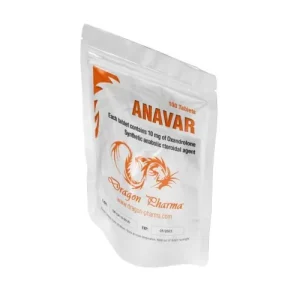 Click here to buy Anavar 10 mg by Dragon Pharma
Top Anavar Benefits
Anavar (Oxandrolone) offers a range of benefits for both men and women in bodybuilding. Let’s explore them here.
Increased Lean Muscle Mass
Anavar helps build lean muscle tissue, contributing to a more defined physique.
Fat Loss
It promotes fat burning while preserving muscle, making it ideal for cutting phases.
Enhanced Strength
Users experience improved strength levels during workouts.
Minimal Water Retention
Unlike some steroids, Anavar doesn’t cause excessive water retention.
Improved Endurance
Anavar enhances stamina, allowing longer and more intense training sessions.
Vascularity
Users often notice increased vascularity and muscle pumps.
Safe for Women
Anavar is one of the few steroids safe for female use.
Positive Impact on Strength
Strongmen and powerlifters also benefit from Anavar.
Low Risk of Side Effects
Anavar is well-tolerated and doesn’t produce harsh effects.
Muscle Hardening
It contributes to a harder, more defined appearance.
Explore: Aromasin Nolvadex PCT
Preservation of Muscle During Caloric Deficits
Crucial for maintaining gains during cutting.
Improved Recovery
Anavar aids post-workout recovery.
Boosted Nitrogen Retention
Essential for muscle protein synthesis.
Enhanced Athletic Performance
Anavar helps athletes perform at their best.
Increased Metabolic Rate
Supports fat loss.
Positive Impact on Bone Density
Beneficial for overall health.
No Aromatization
Anavar doesn’t convert to estrogen.
Suitable for Older Adults
Helps combat muscle loss due to aging.
Minimal Androgenic Effects
Reduces risk of virilization in women.
Quality Gains
Anavar promotes high-quality muscle growth.

Potential Side Effects Associated With Anavar
Anavar (Oxandrolone), while considered relatively safe, does come with potential risks. Let’s explore these risks in detail:
Cholesterol
Anavar can impact cholesterol levels.
It may raise LDL (bad) cholesterol and lower HDL (good) cholesterol.
Regular monitoring is essential.
Liver Toxicity
Prolonged use of Anavar can harm the liver.
Liver enzymes may increase.
Avoid alcohol and other hepatotoxic substances.
Testosterone Suppression
Anavar can suppress natural testosterone production.
Post-cycle therapy (PCT) helps restore hormonal balance.
Excessive Pumps
Anavar can cause intense muscle pumps during workouts.
Manage this by adjusting training intensity.
Kidney Toxicity
High doses or prolonged use may harm the kidneys.
Stay hydrated and monitor kidney function.
Virilization (in Women)
While Anavar is safer for women, excessive dosages can lead to masculinization.
Watch for signs like deepening voice, facial hair growth, and clitoral enlargement.
Take Away
Obtaining genuine pharmaceutical-grade Anavar has become increasingly challenging through legitimate channels.
However, Anvarol from Etalaze.to or CrazyBulk provides impressive muscle benefits without the legal risks or health hazards associated with illegal products.
 Click here to buy 14 Weeks Safest Steroids Cycle - Anavar Primo Winstrol
Anavar, especially from Etalaze delivers steroid-like results safely, legally, and without requiring a prescription. Good luck in your next anavar cycle!
Telmisartan is a medication primarily used in medical circles to treat hypertension, also known as high blood pressure. It belongs to a class of drugs called angiotensin II receptor blockers (ARBs). The drug has piqued the interest of bodybuilders due to its potential benefits beyond blood pressure management.
Mechanism of Action
Telmisartan works by blocking the action of angiotensin II, a substance in the body that causes blood vessels to constrict, thereby reducing blood pressure. By blocking angiotensin II receptors, telmisartan dilates blood vessels, allowing blood to flow more smoothly.
Medical Application of Telmisartan
Treatment of Hypertension
Hypertension is a common medical condition characterized by elevated blood pressure levels. It is a significant risk factor for various cardiovascular diseases, including heart attack and stroke. The drug is prescribed to patients with hypertension to help lower their blood pressure and reduce the risk of associated complications.
Cardiovascular Protection
Telmisartan not only helps lower blood pressure but also provides cardiovascular protection. It has been shown to reduce the risk of heart attack, stroke, and other cardiovascular events in patients with hypertension or other cardiovascular risk factors.
Diabetic Nephropathy
In addition to treating hypertension, telmisartan is also used in the management of diabetic nephropathy, a type of kidney disease that occurs in people with diabetes. It helps slow down the progression of kidney damage in diabetic patients by reducing blood pressure and protecting the kidneys from further damage.
Heart Failure
Telmisartan may also be prescribed in the treatment of heart failure, a condition in which the heart is unable to pump blood effectively to meet the body's needs. It can help improve symptoms, reduce hospitalizations, and increase survival rates in patients with heart failure, particularly those who cannot tolerate other medications such as ACE inhibitors.
Combination Therapy
The drug is sometimes used in combination with other antihypertensive medications, such as diuretics or calcium channel blockers, to achieve better blood pressure control. Combination therapy is often recommended when blood pressure is difficult to control with a single medication alone.
Read More: 12 Muscle Supplements that a Skinny Guy Should Take
Long-Lasting Effects
One notable feature of telmisartan is its long duration of action, with a half-life of around 24 hours. This means that it can be taken once daily, making it convenient for patients and potentially improving medication adherence.
Telmisartan Use In Bodybuilding
The use of Telmisartan within bodybuilding holds multifaceted advantages. Its diverse benefits offer significant potential for bodybuilders seeking enhanced performance.
Initially, the antihypertensive attributes of The drug serve as a vital adjunct in managing and preventing elevated blood pressure induced by AAS (Anabolic Androgenic Steroids). Additionally, Telmisartan exhibits efficacy in mitigating cardiac hypertrophy, particularly left ventricular hypertrophy, a prevalent concern among enhanced bodybuilders, which is often linked to premature mortality.
Moreover, Telmisartan's favorable impact on insulin sensitivity presents a counterbalance against the insulin resistance commonly associated with substances like MK-677, GH, and GH-releasing peptides.
Furthermore, Telmisartan demonstrates anti-inflammatory properties, facilitating a reduction in C-Reactive Protein levels, thereby addressing a significant factor in cardiovascular disease risk among bodybuilders.
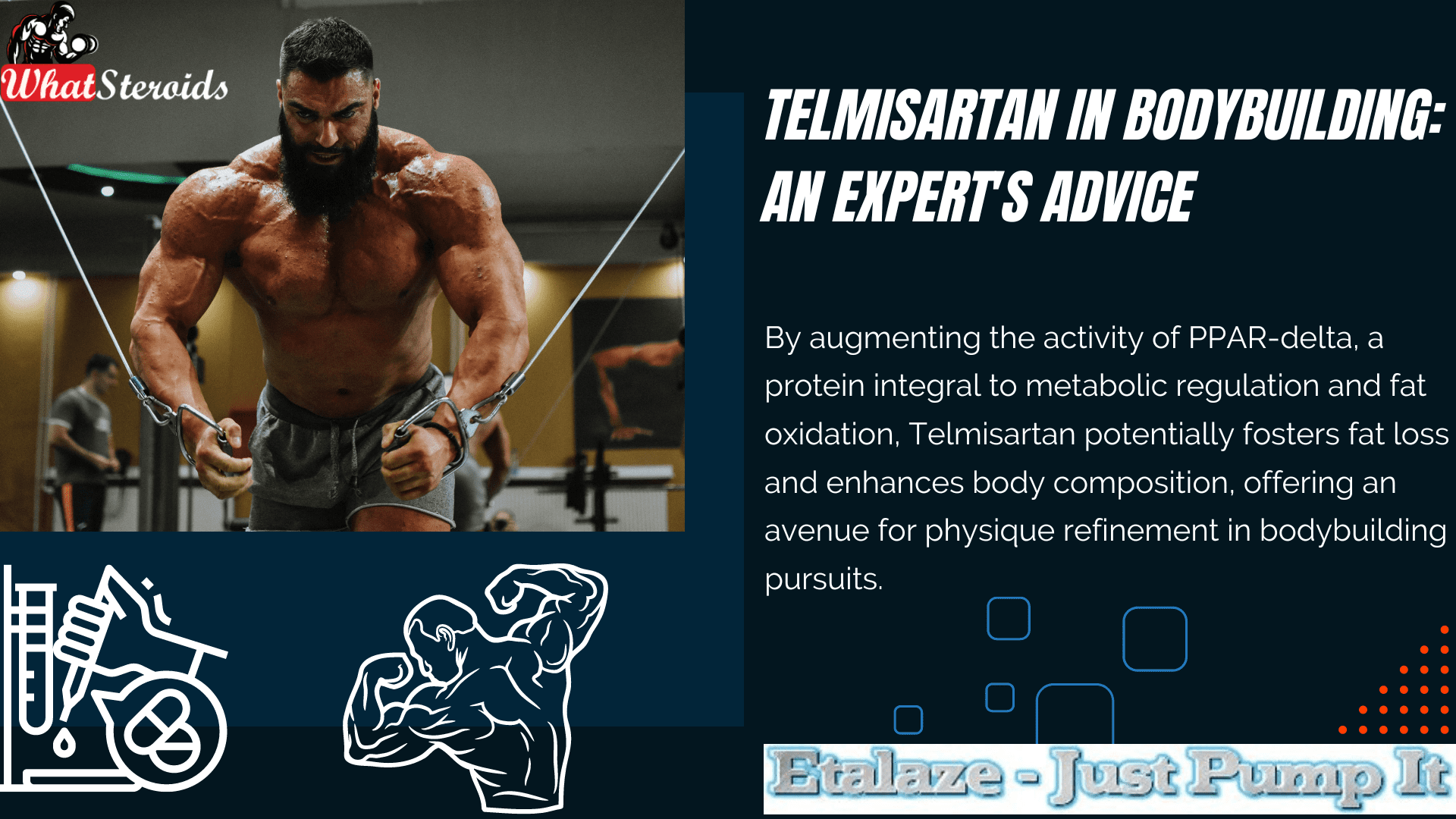
Yet, the scope of Telmisartan's benefits extends further. By augmenting the activity of PPAR-delta, a protein integral to metabolic regulation and fat oxidation, Telmisartan potentially fosters fat loss and enhances body composition, offering an avenue for physique refinement in bodybuilding pursuits.
Here a few take aways on the application of the drug in bodybuilding:
Increased Endurance
Some users claim that Telmisartan enhances endurance levels.
Athletes may experience longer and more intense workout sessions without premature fatigue.
Improved Muscle Recovery
Telmisartan’s positive impact on blood flow may aid in post-workout muscle recovery.
It delivers essential nutrients and oxygen to muscles more efficiently.
Anti-Inflammatory Effects
The medication’s anti-inflammatory properties could reduce exercise-induced muscle soreness and inflammation.
Faster recovery between training sessions may be possible.
Fat Loss
Anecdotal reports suggest that Telmisartan may promote fat loss.
It could enhance the body’s ability to burn stored fat.
Muscle Hypertrophy
Some users speculate that Telmisartan might positively influence muscle growth.
This could be attributed to its impact on blood flow and nutrient delivery to muscle tissues.
Optimal Dosage for Bodybuilders
While Telmisartan is prescribed for specific medical conditions at varying dosages, the dosage used by bodybuilders may differ.
Scientific literature on Telmisartan’s direct impact on bodybuilding is limited.
Most information is based on user experiences and anecdotal evidence.
Generally, dosages for bodybuilders range from 20 to 80 milligrams (mg) per day, with some users dividing the daily intake into two doses.
Telmisartan Side Effects and Precautions
Telmisartan, like any medication, can have side effects and precautions that users should be aware of.
Side Effects
Dizziness or lightheadedness: The drug can cause dizziness or a feeling of faintness, especially when rising from a sitting or lying position.
Hypotension: Some individuals may experience a significant drop in blood pressure, leading to symptoms such as weakness, fatigue, or fainting.
Hyperkalemia: Telmisartan may lead to elevated levels of potassium in the blood, which can cause symptoms like muscle weakness, irregular heartbeat, or tingling sensations.
Fatigue: Feeling tired or lethargic is a common side effect of Telmisartan.
Headache: Some users may experience headaches as a side effect of the medication.
Diarrhea: Telmisartan can occasionally cause diarrhea or other gastrointestinal disturbances.
Back pain: Back pain has been reported as a side effect in some individuals taking Telmisartan.
Upper respiratory tract infection: Users may experience symptoms of a cold or flu-like illness.
Sinusitis: Inflammation of the sinuses may occur in some individuals.
Muscle cramps: Telmisartan can sometimes cause muscle cramps or spasms.
Allergic reactions: Rarely, individuals may experience allergic reactions such as rash, itching, swelling, or difficulty breathing.
Precautions
Pregnancy: Telmisartan should not be used during pregnancy due to the risk of harm to the fetus.
Breastfeeding: It is not recommended to use Telmisartan while breastfeeding, as it may pass into breast milk and harm the nursing infant.
Kidney disease: Caution should be exercised in individuals with kidney disease, as Telmisartan can affect kidney function.
Liver disease: Patients with liver impairment may require dose adjustments or close monitoring while taking Telmisartan.
Heart conditions: Individuals with heart disease, heart failure, or a history of heart attacks should use Telmisartan with caution under the supervision of a healthcare professional.
Diabetes: Telmisartan may affect blood sugar levels, requiring adjustments in diabetes medications.
Salt/volume depletion: Telmisartan may cause excessive lowering of blood pressure in individuals with salt or volume depletion.
Hyperkalemia: Patients with conditions predisposing them to hyperkalemia should be closely monitored while taking Telmisartan.
Renal artery stenosis: Telmisartan may exacerbate renal artery stenosis, a narrowing of the arteries that supply blood to the kidneys.
Dual blockade of the renin-angiotensin system: Concurrent use of Telmisartan with other medications that affect the renin-angiotensin system may increase the risk of hypotension, hyperkalemia, and renal impairment.
Driving and operating machinery: The drug may cause dizziness or fatigue, which can impair the ability to drive or operate machinery.
Where to Buy Telmisartan Online
Telmisartan is available through various channels. Here are some options for obtaining Telmisartan:
Local Pharmacies
You can visit local pharmacies such as Walgreens, CVS Pharmacy, Walmart, Harris Teeter, or Target (CVS). Prices may vary, but the drug typically starts at $10.751.
Some pharmacies offer home delivery services, allowing you to order online and have the medication delivered to your doorstep.
Online Prescription Services
Sesame: You can book a same-day video appointment with a healthcare provider on Sesame. They can write a prescription for Telmisartan, and you can pick it up at a local pharmacy.
Push Health: While Telmisartan is a prescription medication, you can consult with a medical provider online through Push Health to obtain a prescription.
Related Article: 6 Best Ways to Verify If a Steroid is Fake
Online Pharmacies
BuyMicardPl: This online platform offers Telmisartan (generic Micardis) without a prescription4.
PharmacyPortal: Check their catalog for Telmisartan availability.
Always consult with a healthcare professional before starting any new medication, especially if you have specific health conditions or are taking other medications. They can guide you on the appropriate dosage and monitor your progress.
Telmisartan Alternatives
While The drug has gained attention among bodybuilders, it’s essential to explore alternative options. Here are some medications that may have similar effects or benefits:
Lisinopril (Prinivil, Zestril)
An angiotensin-converting enzyme (ACE) inhibitor, lisinopril helps lower blood pressure and may have a calming effect on nerves and the heart12. It’s commonly used for hypertension.
Losartan (Cozaar)
Another angiotensin II receptor blocker (ARB) like Telmisartan, losartan can help manage blood pressure and has potential benefits beyond that3.
Olmesartan (Benicar)
Also an ARB, olmesartan is used for hypertension and may have similar effects on blood flow and muscle recovery4.
Valsartan (Diovan)
Yet another ARB, valsartan is prescribed for high blood pressure and could be considered as an alternative4.
Metoprolol (Lopressor)
A beta-blocker, metoprolol can reduce heart rate and blood pressure. It’s sometimes used off-label for social anxiety and movement disorders52.
Propranolol (Inderal)
Another beta-blocker, propranolol may help with anxiety and tremors. It’s used in various contexts, including performance anxiety5.
Candesartan
An ARB similar to Telmisartan, candesartan may have comparable effects on blood pressure and muscle function.
Irbesartan
Yet another ARB, irbesartan could be considered as an alternative for bodybuilders.
Fosinopril
An ACE inhibitor, fosinopril might have similar effects on blood pressure and overall health.
Nebivolol
A unique beta-blocker with vasodilating properties, nebivolol could be explored as an alternative2.
Overall
In conclusion, while some individuals may speculate about the potential benefits of Telmisartan in bodybuilding due to its purported effects on blood pressure regulation and muscle function, it's essential to emphasize that using Telmisartan for bodybuilding purposes is not medically advised or supported.
Telmisartan is a medication prescribed for managing high blood pressure and reducing the risk of cardiovascular events, and its off-label use for bodybuilding carries significant risks and potential side effects. Engaging in such usage without medical supervision can lead to adverse health outcomes and complications.
Therefore, individuals interested in bodybuilding should prioritize safe and evidence-based approaches, consulting with healthcare professionals and adhering to established guidelines for training, nutrition, and supplementation.
Must Read: Tren Cycle for Beginners
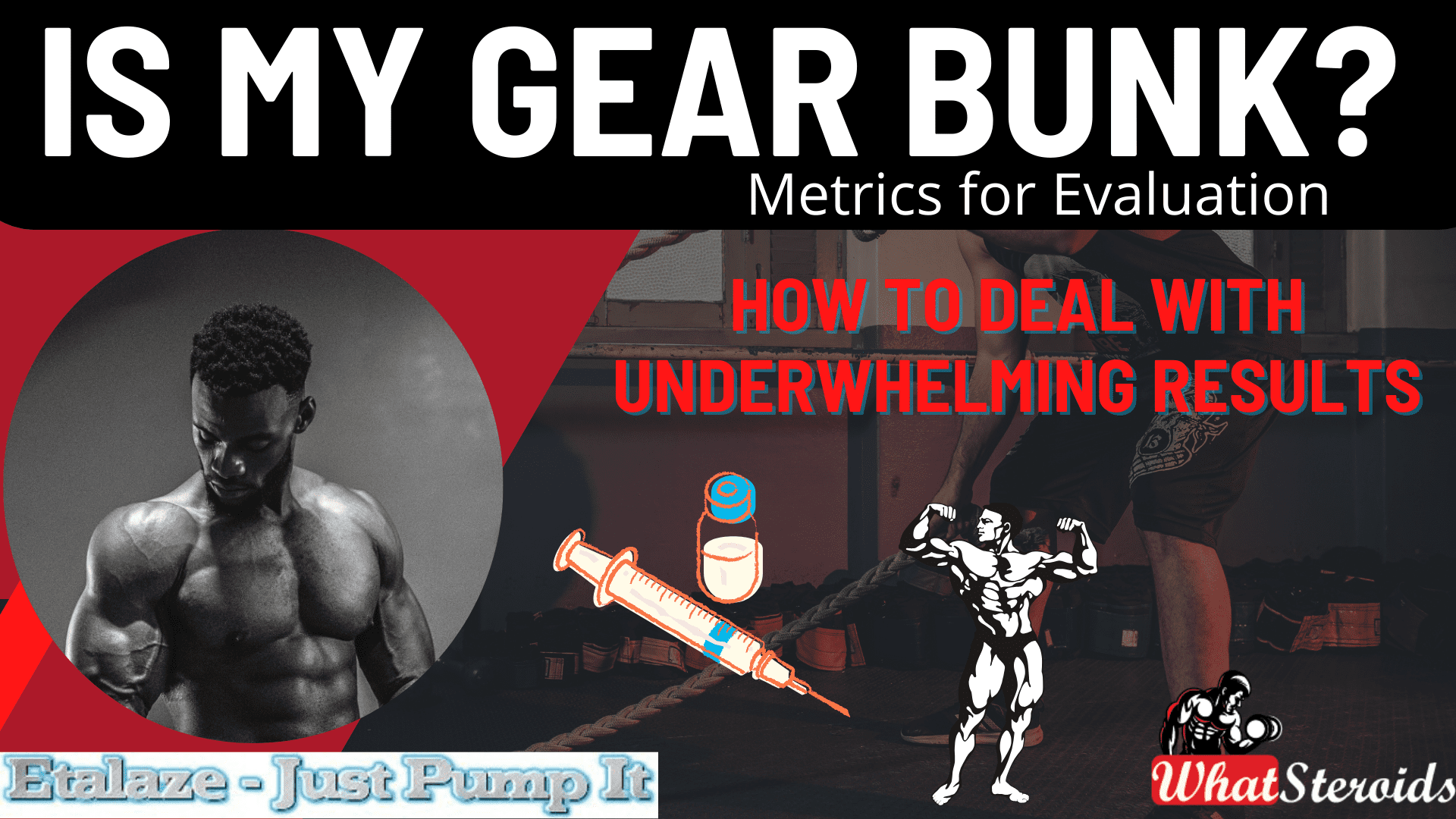
The concern about whether one’s gear is “bunk” or ineffective is indeed a common one in bodybuilding forums. When results don’t meet expectations, it’s natural to question the quality of the supplements or steroids being used.
Training and Diet
Are the training regimen and diet optimized for the goals? Consistency and intensity in workouts, along with a diet rich in protein and other nutrients, are crucial for muscle gains.
Rest and Recovery
Muscles need time to repair and grow after workouts. Adequate sleep and rest days are essential.
Realistic Expectations
It’s important to set achievable goals. Unrealistic expectations can lead to disappointment, regardless of the gear’s quality.
Proper Dosage and Cycle
Ensuring that the gear is used in the correct dosage and cycle length is important for effectiveness.
Metrics for Evaluation
Are the right metrics being used to assess progress? Muscle gains can be slow and incremental, and focusing solely on the scale might not reflect true progress.
Quality and Authenticity
Finally, if all other factors are in place, it might be worth verifying the authenticity and quality of the gear.
PEDs Awareness
Understanding the types of PEDs, their effects, and the risks involved is crucial. PEDs can range from anabolic steroids to hormone supplements like HGH1.
Injectable Hormones
Injectable hormones such as testosterone and human growth hormone (HGH) are commonly used in bodybuilding. They can lead to significant muscle growth but also come with risks such as hormonal imbalances and organ damage23.
Steroid Doses
The dosage of steroids must be carefully managed. Excessive doses can lead to severe side effects, while too little may not provide the desired muscle growth4.
Cycle Length
The duration of a steroid cycle should be planned according to individual goals and the body’s response to the steroids.
Also See: Top 10 best Immune Boosting Supplements to buy in 2024
Post-Cycle Therapy (PCT)
After a steroid cycle, PCT is essential to help the body recover and maintain the gains made.
Legal Implications
The legality of steroid use varies by country, and it’s important to be aware of the laws to avoid legal repercussions.
Ethical Considerations
The use of PEDs raises ethical questions about fairness in competition and the integrity of the sport.
Health Monitoring
Regular health check-ups are necessary to monitor the effects of PEDs on the body.
Mental Health
The psychological impact of PEDs, including dependency and body image issues, should not be overlooked.
Nutritional Support
A diet that supports the increased metabolic demands of bodybuilding and PED use is vital.
Supplement Quality
Ensuring the quality and purity of PEDs and supplements is important to avoid contaminants that could cause harm.
Training Adaptation
The training regimen may need to be adjusted when using PEDs to optimize results and minimize injuries.
Peer Influence
Be cautious of advice from fellow athletes or online forums; not all sources are reliable or have your best interests in mind.
Long-Term Consequences
Consider the potential long-term health consequences of PED use, which can include cardiovascular issues, infertility, and other endocrine disorders.
Metrics to Evaluate These Parameters

Evaluating the legitimacy and effectiveness of bodybuilding gear involves a multifaceted approach. Here are metrics that can be used to measure each of the 20 parameters above.
Training and Diet
Track workout progress, dietary adherence, and macronutrient intake.
Rest and Recovery
Monitor sleep quality and quantity, as well as muscle soreness and recovery rate.
Realistic Expectations
Set and review short-term and long-term bodybuilding goals.
Proper Dosage and Cycle
Log dosages and cycle lengths, and compare them with recommended guidelines.
Metrics for Evaluation
Use body composition analysis, such as DEXA scans or calipers, to measure fat and muscle changes.
Quality and Authenticity
Verify product labels and third-party testing for substance authenticity.
PEDs Awareness
Educate oneself on PED types and effects through credible sources.
Injectable Hormones
Blood tests to monitor hormone levels and ensure they are within safe ranges.
Steroid Doses
Record and adjust dosages based on physiological responses and side effects.
Cycle Length
Plan and document cycle durations, noting any physiological changes.
Post-Cycle Therapy (PCT)
Assess hormonal balance and recovery post-cycle with blood tests.
Legal Implications
Stay informed about local laws regarding PED use.
Ethical Considerations
Reflect on personal ethics and the impact of PED use on competitive fairness.
Health Monitoring
Regular health screenings, including liver and kidney function tests.
Mental Health
Self-assessments or professional evaluations for mental well-being.
Nutritional Support
Nutritional logs and periodic reviews with a dietitian.
Supplement Quality
Check for certifications like NSF or Informed-Choice on supplements.
Training Adaptation
Adjust training programs based on performance metrics and recovery.
Peer Influence
Critically evaluate advice from peers against scientific evidence.
Long-Term Consequences
Longitudinal health tracking to identify potential delayed effects of PED use.

Optimizing Calorie Intake: A Key Strategy to Manage Weight Effectively
When it comes to bodybuilding, one of the crucial factors that can significantly impact your progress is your calorie intake. Whether you are looking to build muscle mass, lose fat, or maintain your current weight, understanding and optimizing your calorie consumption is essential. In this article, we will explore the recommended calorie intake for bodybuilders and how it can help mitigate abnormal weight fluctuations.
Why Calorie Intake Matters for Bodybuilders
Calories are units of energy that our bodies need to function properly. For bodybuilders, caloric intake plays a vital role in achieving their fitness goals. Consuming the right amount of calories ensures that you have enough energy for workouts, muscle recovery, and overall performance.
Determining Your Calorie Needs
The recommended daily calorie intake for bodybuilders varies depending on various factors such as age, gender, weight, height, activity level, and fitness goals. To determine your specific calorie needs accurately, consider using online calculators or consulting with a nutritionist or dietitian.
Recommended Calorie Intake for Bodybuilders
As a general guideline, bodybuilders aiming to build muscle mass often follow a caloric surplus diet where they consume more calories than they burn. This surplus provides the extra energy needed for muscle growth and repair. On the other hand, those looking to lose fat may opt for a caloric deficit diet where they consume fewer calories than they burn to promote fat loss while preserving muscle mass.
Mitigating Abnormal Weight Fluctuations
To mitigate abnormal weight fluctuations as a bodybuilder, it is crucial to monitor your calorie intake consistently and adjust it based on your progress and goals. Rapid changes in weight can indicate an imbalance between calorie consumption and expenditure.
Incorporating Nutrient-Dense Foods
Apart from monitoring calorie intake, focusing on nutrient-dense foods is essential for overall health and optimal performance. Include a variety of protein sources, complex carbohydrates, healthy fats, fruits, and vegetables in your diet to ensure you meet all your nutritional requirements.
Must Read: What Anabolic Steroids Can Be Used for Joint or Ligament Injuries
Top Legit Steroid Pharmaceuticals for Bodybuilders: Where to Find Effective Gear
When it comes to bodybuilding, finding legitimate steroid pharmaceuticals that provide effective gear is crucial for achieving desired results safely and efficiently. Not all suppliers can be trusted, so it's important for bodybuilders to do their research and only purchase from reputable sources. Here are some top pharmaceutical companies known for selling high-quality, effective gear.
1. Alpha Pharma Gear Suppliers
One of the top pharmaceuticals globally, Alpha Pharma is a well-known pharmaceutical company that offers a range of steroids specifically designed for bodybuilding purposes. They are known for their quality products and have gained trust among many bodybuilders worldwide.
2. Dragon Pharma
Dragon Pharma is another popular choice among bodybuilders looking for reliable steroid products. They are known for their commitment to quality and effectiveness in helping athletes achieve their fitness goals.
3. Balkan Pharmaceuticals
It is a trusted name in the world of bodybuilding supplements, offering a variety of steroids that are known for their potency and reliability.
4. Kalpa Pharmaceuticals
This outlet is recognized for its high-quality gear that caters to the needs of bodybuilders seeking safe and effective performance-enhancing drugs.
5. Geneza Pharmaceuticals
Geneza is a reputable supplier of steroids that are widely used by bodybuilders due to their effectiveness and quality standards.When purchasing steroids from pharmaceutical companies, it's essential to ensure they are legit and follow proper guidelines for safety and authenticity. Always verify the credentials of the supplier before making a purchase, prioritize quality over price, and consult with healthcare professionals if needed.
Bonus: Etalaze Shops - Your Ultimate Online Gear Store
Looking to elevate your bodybuilding game with top-notch supplements and legit steroids? Look no further than Etalaze shop - the ultimate destination for bodybuilders seeking high-quality products at competitive prices.
At Etalaze, you'll find a wide range of legal steroids and human growth hormones to help you achieve your fitness goals effectively. With discounts and deals regularly offered, shopping online at Etalaze ensures convenience and affordability without compromising on product quality.
Whether you're a seasoned bodybuilder or just starting out on your fitness journey, Etalaze has the products to support your needs. From muscle building to cutting cycles, their selection caters to various preferences and requirements, making it a one-stop shop for all your supplement needs.
Don't settle for anything less than the best when it comes to enhancing your performance and physique. Choose Etalaze as your go-to store for legal steroids and experience the difference in quality and results that set them apart as the ultimate destination for bodybuilders worldwide.
Overall
In conclusion, navigating the world of cycles and PEDs in bodybuilding can be fraught with uncertainties. While concerns about the quality and effectiveness of gear are valid, it's crucial for pro bodybuilders to approach the situation with a combination of skepticism and proactive measures. By educating themselves on authentication methods, seeking reputable sources for gear, and prioritizing holistic approaches to training and nutrition, athletes can better manage the risks associated with potentially bunk gear.
Ultimately, by focusing on consistency, dedication, and a commitment to your cycling needs, one can overcome the setbacks we've discussed and strive for success, regardless of the challenges you may face along the way. Good luck in your cycling journey!
Related Article: The Ultimate Guide to Safe Steroid Injection


Anavar Cycle for Men and Women

Telmisartan In Bodybuilding: An Expert’s Advice

Demystifying Hypertrophy Training

Is My Gear Bunk? How to Deal With Underwhelming Results

How Much Is Too Much Cardio? Understanding Heart Rate Zones

The Importance of Scaptions in Female Athletes

Military Training: How The World’s Top 5 Elite Forces Train

Adipotide: Dangerous Fat-Burner or Miracle Drug?

Supersets Explained: Benefits and How to Incorporate Them

Trenbolone: Why it Remains A Beast In the Market
Trenbolone: Why it Remains A Beast In the Market

Varicose Veins in Bodybuilders: Risk Factors, Diagnosis and Management

Essential Techniques to Master Squats Form

List of FDA-Approved Peptides
Supersets Explained: Benefits and How to Incorporate Them
Adipotide: Dangerous Fat-Burner or Miracle Drug?
Military Training: How The World’s Top 5 Elite Forces Train
The Importance of Scaptions in Female Athletes
How Much Is Too Much Cardio? Understanding Heart Rate Zones
Is My Gear Bunk? How to Deal With Underwhelming Results
Trenbolone: Why it Remains A Beast In the Market
Varicose Veins in Bodybuilders: Risk Factors, Diagnosis and Management
Essential Techniques to Master Squats Form
List of FDA-Approved Peptides
Supersets Explained: Benefits and How to Incorporate Them
Adipotide: Dangerous Fat-Burner or Miracle Drug?
Military Training: How The World’s Top 5 Elite Forces Train
The Importance of Scaptions in Female Athletes
How Much Is Too Much Cardio? Understanding Heart Rate Zones
Is My Gear Bunk? How to Deal With Underwhelming Results
-

 Bodybuilding2 years ago
College Bodybuilding Competitions in the US and Europe
-

 Bodybuilding2 years ago
Footballers Who Started as Bodybuilders
-

 Bodybuilding2 years ago
Olympic Lifting : 25 Strategies That Work
-

 Bodybuilding2 years ago
10 Transgender Bodybuilders Who Are Killing It At the Gym
-

 Bodybuilding2 years ago
Training clothing: Marvel-Inspired Clothing on Amazon in 2023
-

 Bodybuilding2 years ago
New Arrival Workout Equipment on Amazon for The Disabled
-

 Steroids2 years ago
Supplemental Breast Milk for Bodybuilders: The Secret Behind It
-

 Steroids2 years ago
Dwarf Bodybuilders Giving Pros A Run for Their Money
-

 Steroids1 year ago
VOX Testing: Why Bodybuilders Must Have It Tested Regularly
-

 Steroids11 months ago
Shavers and Other Body Grooming Equipment for Bodybuilders In 2023
-

 Steroids11 months ago
ChatGPT and Other Avenues to Find Great Bodybuilding Coaches
-

 Steroids11 months ago
Best Oil Recommendations Before Competition for Subtle Shimmer
-

 Steroids11 months ago
Powerlifting Vs Power Building: Find Out the Big Difference and When to Shift Between the Two
-

 Beginners9 months ago
Tren Cycle for Beginners
-

 Bodybuilding8 months ago
Competition Prep Cycle for Pro Bodybuilders
-

 Nutrition6 months ago
Everything Nutritional Food: What’s Too Much Or Too Little
-

 Bodybuilding5 months ago
Chia Seeds in A Bodybuilder’s Diet: An Expert’s Advice
-

 Beginners6 months ago
Calisthenics: Secret to Building A Better Upper and Middle Body
-

 Bodybuilding4 months ago
Unique Things That Have Redefined Mr Olympia Over The Years
-

 Anabolic Steroids5 months ago
Natural Steroids for Bodybuilding
-

 Anabolic Steroids4 months ago
Start The New Year Strong With These Tips
-

 Anabolic Steroids5 months ago
Legality of Anabolic Steroids In Latin America
-

 Steroids5 months ago
These Bodybuilding Equipment Might Become Obsolete Next Year (See Alternative Upgrades)
-

 Bodybuilding3 months ago
Funny Gym Stories and Moments to Light Up Your Day
-

 Bodybuilding4 months ago
Calorie Dumping: A Bodybuilder’s Guide