
Anabolic Steroids
The Best 8 Weeks Testosterone Only Cycle

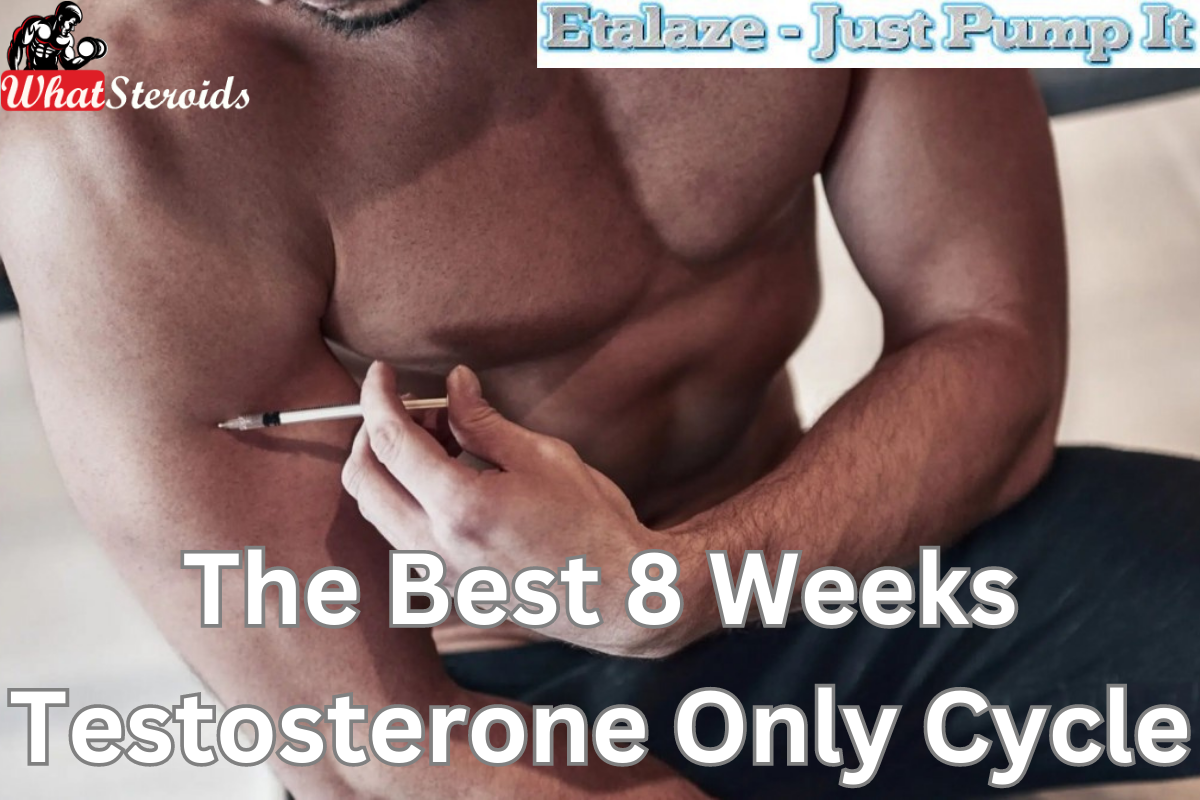
Since testosterone is one of the most powerful and safest anabolic steroids, more individuals are prone to go with a test-based cycle instead of dealing with a multi-drug stack. You probably heard about it too, and once you are here, you want to know the best way to run an 8-week testosterone-only cycle for maximum effects.
Fortunately for you, we will not only reveal the step-by-step way of cycling test but also explain the reasons behind this decision and give your precious recommendations that will save you time and money.
Why The 8-Weeks Test Cycle and Not 6 or 12?
While taking a test over 8 weeks may yield more impressive results, you would cease this idea if safety is your main concern. Also, going beyond this threshold is unreasonable if you are not a competitor and are cycling steroids to increase your performance.
On the other hand, taking the test alone for 6 weeks is just too little to expect noticeable muscle mass growth. What could be worse than this is the probability that most of the gains would be gone once the cycle is discontinued.
This is because your body will not have been given enough time to adapt to the gains and will be unable to retain them once no test enters your body. Therefore, the golden mean for Testosterone-based cycle length appears to be 8 weeks.
Must Read: Testosterone Conversion to Estrogen Speed
Just know that any cycle that falls short of this term can still produce gains but will not be durable. On the other hand, unless you are a professional bodybuilder with years of steroid use, the experience of going with a 10 or 12 weeks cycle is not a healthy option for you.
Click Here to Find out More & Price of Testosterone
8-Weeks Testosterone-Based Cycle Explained:

First of all, as you know, there are several testosterone types, some of which are included in our cycles, such as Testosterone Enanthate and Propionate. What else will you need for this cycle? Letrozole or Arimidex, Human Chorionic Gonadotropin (HCG), and Clomid during post-cycle therapy.
Our cycle starts with Testosterone Enanthate used through week 1 - week 6 at a dosage of 250mg thrice weekly. 0.7mg of Letrozole daily is recommended while keeping a close eye on estradiol levels in your body. How to know that estradiol level is going wild? Signs of decreased libido, joint pain, or depression should make you pause for a few days and then restart your consumption at a lower dosage.
When To Introduce It
Testosterone Propionate enters in week 7 until the middle of week 8. “Why must I discontinue test prep during the last week of cycling ?” you ask. There is a very good reason behind this.
Since we meant it to be an 8-week cycle, starting recovery when test levels are still pretty high in the blood is not the best way to act. Drop its use a few days earlier so levels will fall sufficiently for PCT to begin in week 9.
Must Read: 3 Ways to Do Testosterone Cycle all year long
So if you made up your mind to run a test-only cycle, then here’s the best way to do it:
Week 1 - 6:
750 mg of Testosterone Enanthate as front load loading: Day 1.
250 mg of Testosterone Enanthate : 3 times a week
250iu of HCG: 3 times a week
0.7mg of Letrozole: Daily
Week 7:
100 mg of Testosterone Propionate: 3 times a week
250iu of HCG: Mon&Wed only
0.7mg of Letrozole: Daily
Week 8:
100 mg of Testosterone Propionate: Mon-Wed
0.7mg of Letrozole: Mon-Wed
Post Cycle Therapy (PCT): Weeks 9 - 12:
First day 300 mg of Clomid and then 30 mg of it every day. Read here all you need to know about post-cycle therapy: why it’s necessary and the best ways to undergo it. Remember that PCT is designed to help you retain most of the gains you made while cycling steroids, so do not ignore this part and take it very seriously.
What Results to Expect on An 8-week Testosterone Only Cycle?
While there are other factors to be considered when assessing the test-only cycle results, the truth is that a test could promote muscle and strength gains like no other anabolic steroids. Except for Trenbolone, you will say.
It can be, but be aware of the huge side effects Trenbolone carries, while Testosterone is much milder in this sense. After all, it’s a game of benefits and risks. You decide if you play modest but safe or hard and take upon yourself a range of harsh effects you may face later on.
So how much gain to expect? Individuals claim to gain a minimum of 20 lbs of solid lean muscle mass and manage to keep it all. And this is the best part of proper cycling. Because you can gain even 30lbs or 40lbs, the question is how much of it you will still have once you are out of use? How to ensure that the increase in weight is not fat but lean muscle mass? The answer is a proper diet and workout.
Do make sure you adjust these two components to your actual needs and then proceed to plan your Testosterone only cycle, be it shorter or longer than 8 weeks.
ATTENTION OVER-35 Men and Women Who Want to Look, Feel and Move Years Younger:
Get this E-book Today
Now You Can Slow the Aging Process To A Crawl, Quickly Sculpt The Body You've Always Wanted, Plus Make It Look As If You're Aging 'Backwards'... And Do It All In Just 90 Minutes A Week.
Conclusion:
If there is only a steroid cycle, you would want to run, but testosterone would be it. This takes into consideration sex drive, estrogen levels, and all the other changes that the Testosterone-only cycle causes in our bodies. They are the mildest ones compared to the many other stacks possible.
While a longer test cycle may promote greater results, sticking with an 8-week Testosterone use is known to be the safest and most rewarding muscle and strength improvements. However, some side effects can still appear, so make sure you follow the above-mentioned way of cycling, including PCT.
Read Our Article: What is PCT and Why It’s So Important in Steroid Cycles?
Have you run a Testosterone-only cycle before? Was it an 8-week, or you cycled in another way? We are eager to hear your thoughts on this matter, so share your experience in the comments section below.





In the pursuit of bodybuilding goals, the start of a new year often brings renewed motivation and a desire to make positive changes. For bodybuilders, it is an opportunity to reflect on past accomplishments and set new targets for the year ahead.
Must Read: 10 Transgender Bodybuilders Who Are Killing It At the Gym
Why A Solid Plan Is Essential In The New Year
To kickstart your bodybuilding journey in the New Year, it is essential to have a solid plan in place. One of the best tips is to focus on goal-oriented workouts that are tailored towards winning a bodybuilding contest. These workouts should include a combination of strength training exercises, cardiovascular workouts, and targeted muscle group training.
In order to have a successful new year in bodybuilding, it is important for you to set goals and make necessary changes to their routine. Here are some best bodybuilding tips for the New Year that can help you achieve your desired results.

New Year Workout Routines
Firstly, consider incorporating new workouts into your routine. To win a bodybuilding contest, it is crucial to constantly challenge your muscles and avoid plateau. By trying different exercises and techniques, you can target different muscle groups and stimulate growth effectively.
Incorporating a mix of exercises can really amp up your bodybuilding routine. For a unique twist, consider:
Kettlebell Swings
Great for building power and explosiveness in the hips and lower body.
Battle Rope Exercises
Ideal for cardio and engaging various muscle groups simultaneously.
TRX Suspension Training
Offers versatile bodyweight exercises that challenge stability and core strength.
Box Jumps
Excellent for explosive leg power and coordination.
Farmers Walks
Helps build grip strength, core stability, and overall strength by carrying heavy weights in each hand and walking.
Combining these unique exercises with traditional ones like barbell movements and calisthenics can offer a well-rounded bodybuilding routine. Always ensure proper form and gradually increase intensity for best results!
New Year Diet and Nutrition
Pay close attention to your diet. The best diet for a bodybuilder in the New Year should consist of high-quality protein sources such as lean meats, fish, eggs, and plant-based proteins. Additionally, ensure that you are consuming enough carbohydrates to fuel your workouts and provide energy for muscle recovery.
Rest and Recovery
Focus on proper rest and recovery. Many bodybuilders overlook the importance of rest days in their training regimen. Adequate sleep and rest days allow your muscles to repair and grow stronger.
Equally important is maintaining a balanced and nutritious diet throughout the year. The New Year presents an opportunity to reassess your dietary choices and make necessary adjustments. A well-rounded diet for bodybuilders typically includes lean protein sources, complex carbohydrates, healthy fats, and an abundance of fruits and vegetables.
Additionally, incorporating proper rest and recovery into your routine is crucial for achieving optimal results. This includes getting enough sleep each night and allowing adequate time for muscle repair after intense workouts.
As you embark on your bodybuilding journey in the New Year, remember that consistency is key. Stay committed to your workout routine, follow a disciplined diet plan, and track your progress along the way. With determination and perseverance, you can reach new heights in your bodybuilding endeavors this coming year.
Top Steroid Brands To Make Friends With In the New Year
When it comes to purchasing steroid products for bodybuilding, etalaze.biz is a popular online platform that offers a wide range of options. It is important to note that the use of steroids should always be done under the guidance and supervision of a healthcare professional.
Etalaze.biz
Etalaze.biz provides access to some of the best steroid products available in the market. These products are designed to aid bodybuilders in achieving their fitness goals effectively and safely. It is crucial for individuals to thoroughly research and understand the potential risks and benefits associated with steroid usage before making any purchases.
Etalaze.biz offers a variety of steroids catering to different needs and preferences. From bulking agents to cutting agents, they provide options that can help bodybuilders enhance their muscle growth, strength, endurance, and overall performance.
When it comes to choosing the best steroid products in the market for an upcoming bodybuilder, it's important to prioritize safety, effectiveness, and legality. While the use of steroids in bodybuilding is a controversial topic, there are legal alternatives available that can help individuals achieve their fitness goals without compromising their health.
CrazyBulk
Another of the top legal steroid brands in the market is CrazyBulk. They offer a range of products that are designed to mimic the effects of popular anabolic steroids, but without any harmful side effects. Their products are made from natural ingredients and have been extensively tested to ensure both safety and efficacy.
Don't Miss: YouTube Fitness Influencers to Subscribe to Right Now
What Are Some Steroid Products Top Brands Offer?
Some of the best steroid products offered by CrazyBulk and Etalaze include:
1. D-Bal (Dianabol alternative): This product helps increase muscle mass and strength by enhancing nitrogen retention within muscle tissues.
2. Trenorol (Trenbolone alternative): It aids in boosting muscle growth, strength, and vascularity while also promoting fat burning.
3. Anadrole (Anadrol alternative): Designed to improve red blood cell production, leading to enhanced oxygen delivery to muscles during workouts for increased stamina and endurance.
4. Winsol (Winstrol alternative): It helps retain lean muscle mass while promoting fat burning for a more shredded physique.
5. Testo-Max: This product naturally boosts testosterone levels, which can lead to improved strength, energy levels, and overall performance.
It's crucial for aspiring bodybuilders to remember that proper nutrition, training consistency, and rest are equally important factors in achieving their desired physique. Consulting with a healthcare professional or fitness expert before starting any supplementation regimen is highly recommended.
However, it is essential for individuals considering purchasing steroids from some sources to prioritize their health and safety above all else. Consulting with a healthcare professional can provide valuable insights into selecting the most suitable products based on individual goals and circumstances.
Additionally, responsible usage of steroids along with proper diet, exercise regimen, and medical guidance are crucial components for achieving desired results while minimizing potential risks.
Dos and Don'ts For The New Year
Here's a list of dos and don'ts in the new year:
Dos
Consistency: Stick to your workout routine religiously.
Balanced Diet: Ensure a well-balanced diet with sufficient protein, carbs, and healthy fats.
Adequate Rest: Allow your muscles time to recover; rest is crucial for growth.
Hydration: Drink plenty of water to stay hydrated throughout the day.
Progress Tracking: Keep a log of your workouts and track your progress regularly.
Proper Form: Focus on correct form over lifting heavier weights.
Variation: Incorporate diverse exercises to target different muscle groups.
Warm-up/Cool Down: Always warm up before exercising and cool down afterward.
Don'ts
Overtraining: Avoid excessive workouts without adequate rest periods.
Skipping Meals: Don't skip meals or neglect proper nutrition.
Ignoring Injuries: Don't push through injuries; seek proper treatment and rest.
Relying Solely on Supplements: Supplements are supplementary; focus on real food.
Comparing Yourself: Don't compare your progress to others; everyone's journey is unique.
Ego Lifting: Avoid lifting weights beyond your capability for the sake of pride.
Inconsistent Sleep: Don't compromise on sleep; it's essential for recovery and growth.
These dos and don'ts can help maintain a balanced and healthy approach to bodybuilding in the new year!
Summary
Focus on consistency in workouts, nutrition, and recovery. Set realistic goals, prioritize form over weight, vary your routines, and always listen to your body. Don't forget to rest and stay patient—progress takes time. And most importantly, enjoy the journey!
Further Reading: Bodybuilding Protein Cycling for Massive Gains
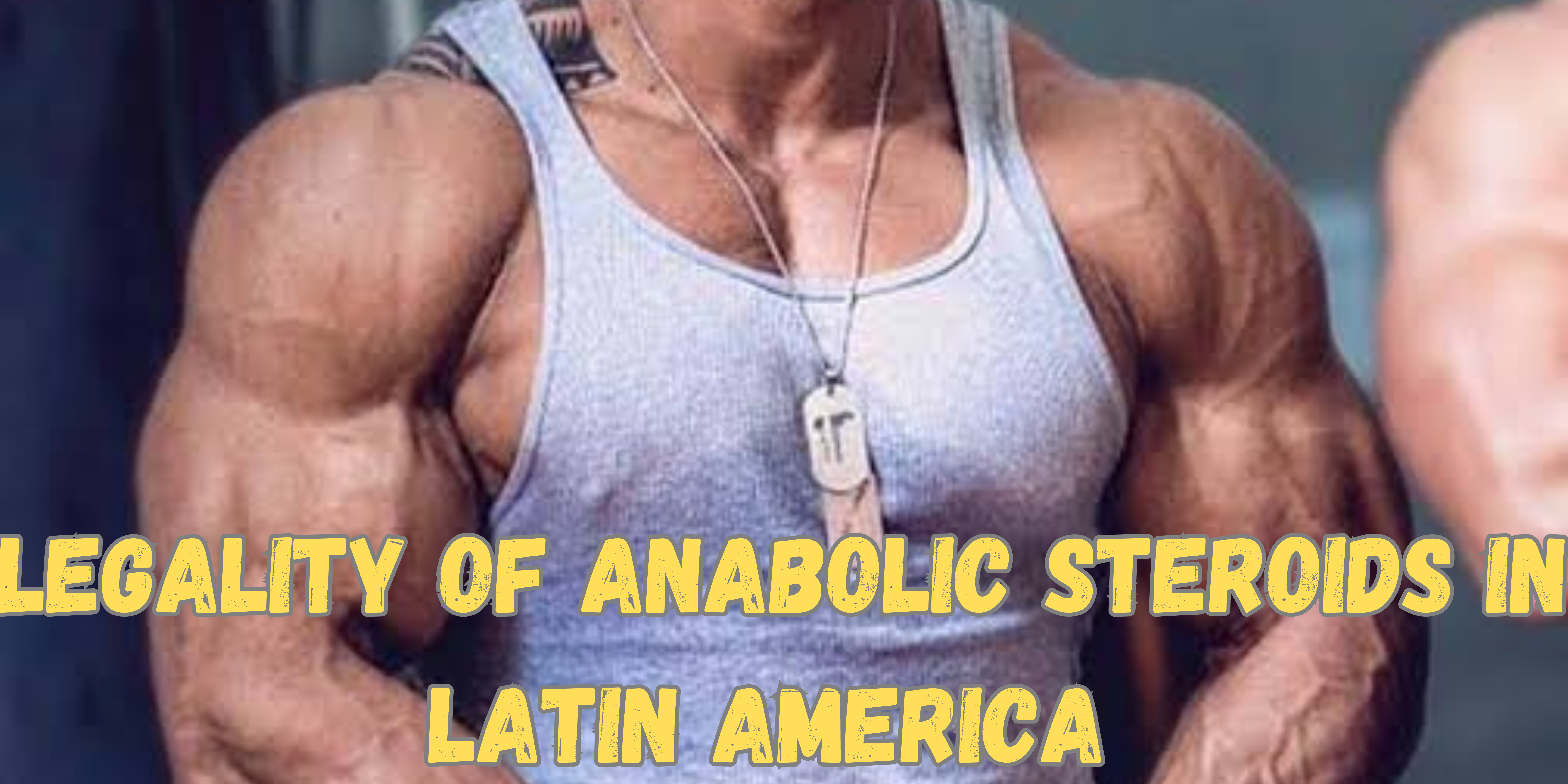
Steroids have become a prevalent topic in the context of Latin America. The use and availability of steroid products in this region have gained attention from both athletes and bodybuilders. However, it is important to approach this subject with caution and prioritize safety.
What's Special About Legal Steroids?
Legal steroids are formulated using natural ingredients that mimic the effects of traditional anabolic steroids without the harmful side effects. They are designed to promote muscle growth, increase strength, improve endurance, and enhance overall athletic performance.
Who Mostly Uses Steroids In Latin America?
In South America, individuals from various backgrounds including bodybuilders, athletes, and fitness enthusiasts are turning to legal steroids as a way to achieve their fitness goals safely. These products are widely available both online and in local supplement stores throughout the region. Legal steroids have gained popularity among individuals in South America who are looking to enhance their fitness performance safely.
These products cater to a diverse range of people, including bodybuilders, athletes, and fitness enthusiasts. The availability of legal steroids has increased both online and in local supplement stores across the region.
Must Read: Your Guide to Become A Successful Personal Trainer
Safety of Steroids
As mentioned, Legal steroids are formulated using natural ingredients that aim to mimic the effects of traditional anabolic steroids without the associated health risks. They typically contain a combination of plant extracts, vitamins, minerals, and amino acids that can support muscle growth, increase strength and endurance, and improve overall athletic performance.
One advantage of legal steroids is that they do not require a prescription or medical supervision for purchase. This accessibility has made them popular among individuals who want to improve their physique or athletic abilities but prefer a safer alternative to traditional anabolic steroids.
Reputatable Steroid Sources In Latin America
When purchasing legal steroids online or from local stores in South America, it is essential to ensure they come from reputable sources. It's also important to follow recommended dosages and consult with healthcare professionals if you have any underlying health conditions or concerns.
Remember that while legal steroids can be effective tools for enhancing fitness goals safely when used responsibly as part of a well-rounded training program and healthy lifestyle choices such as proper nutrition and adequate rest are equally crucial for achieving optimal results. Always prioritize your safety by educating yourself about the product's ingredients, potential side effects, and consulting with professionals if needed before incorporating legal steroid use into your fitness routine.
Latin America Steroid Black Market is Booming
Latin America offers a wide range of steroid products, with various brands and types available on the market. It is crucial to note that the use of steroids should always be done under medical supervision and in accordance with legal regulations.
Unfortunately most steroids are from the black market and pose serious health risks. For those interested in exploring the world of steroids, it is essential to educate oneself about the potential risks and benefits associated with their usage. Consulting a healthcare professional or expert in the field can provide valuable insights on which steroids may be suitable for individual needs. and goals. When it comes to purchasing steroids in Latin America, it is important to understand that regulations and availability may vary from country to country.
It is always advisable to do thorough research and ensure that the products you are interested in are legal and approved for use in your specific location. There are numerous reputable brands offering high-quality steroid products in Latin America. These brands prioritize safety, efficacy, and quality control throughout their manufacturing processes.
Your Brand of Choice Matters
By choosing well-established brands, you can have peace of mind knowing that you are purchasing reliable products. When it comes to purchasing steroid products in Latin America, it's crucial to prioritize your safety and well-being. That's why opting for reputable brands is essential. These brands have built a strong reputation by placing a high emphasis on safety, efficacy, and quality control throughout their manufacturing processes.
Moreover, reputable brands often invest in research and development to continuously improve their formulations, ensuring optimal results for users. They understand the unique needs of individuals looking for steroid products and strive to provide safe options that deliver the desired effects.
When selecting a brand, consider factors such as customer reviews, certifications or accreditations from regulatory bodies or independent testing organizations. This information will further validate their commitment to producing safe and effective products. Remember, your health is paramount when considering using some steroid products. So always choose reputable brands that prioritize safety, efficacy, and quality control throughout their manufacturing processes in Latin America.

Which Steroids Are You Likely to Come Across?
Countries such as Brazil are known for its thriving fitness and bodybuilding culture, and as such, the use of anabolic steroids is prevalent in the country. In this section, we will explore some of the commonly used types of anabolic steroids in Latin America.
1. Testosterone Enanthate: This is one of the most widely used anabolic steroids in Brazil. It is a synthetic version of testosterone and helps to increase muscle mass and strength.
2. Deca Durabolin (Nandrolone Decanoate): Another popular choice among Brazilian bodybuilders, Deca Durabolin promotes muscle growth, improves endurance, and aids in recovery.
3. Dianabol (Methandrostenolone): Dianabol is known for its rapid muscle-building effects. It increases protein synthesis and nitrogen retention in the muscles, leading to significant gains in size and strength.
4. Stanozolol: Also known as Winstrol, Stanozolol is favored by athletes looking to enhance performance without excessive weight gain. It helps improve speed, agility, and overall athletic performance.
5. Trenbolone: Trenbolone is a powerful steroid that promotes lean muscle mass while reducing body fat. It also enhances strength and endurance levels.
6. Anadrol (Oxymetholone): Anadrol is highly regarded for its ability to rapidly increase muscle size and strength. It also improves red blood cell production, leading to enhanced oxygen delivery to muscles during intense workouts.
Don't Miss: Using SARMs on Top of a Steroid Cycle: DOs and DON’Ts
10. Anadrol (Oxymetholone) is highly regarded for its ability to rapidly increase muscle size and strength. It works by improving red blood cell production, leading to enhanced oxygen delivery to muscles during intense workouts. This allows users to push through plateaus and achieve greater gains in their training sessions. It's important to note that the use of these steroids should only be done under proper medical supervision or guidance from a healthcare professional.
Additional Tips to Buy Steroids in Latin America
Misuse or abuse of illegal steroids can lead to serious health complications.
In South America, the use and availability of anabolic steroids vary across different countries. While it is important to note that the use of steroids without a valid prescription is illegal in many places, including South American countries, it is still necessary to understand the prevalence and accessibility of these substances.

Argentina
In Argentina, anabolic steroids are known to be available on the black market. Despite efforts by authorities to crack down on their distribution, they continue to be used by some individuals for performance enhancement purposes.
Colombia
Colombia has also seen a presence of anabolic steroids within its borders. Similar to Argentina, they are often obtained through illicit means. The country has implemented measures to combat their distribution and usage but challenges persist.
Chile
Chile has reported cases of illegal steroid use as well. Authorities in Chile have taken steps to regulate and control the distribution of these substances, aiming to mitigate their misuse and potential health risks.
Cuba
Cuba has strict regulations regarding anabolic steroids. They are classified as controlled substances and can only be obtained with a valid medical prescription from authorized healthcare professionals.
Other Latin America Countries
In Uruguay, Paraguay, and Bolivia, anabolic steroids are also subject to strict regulations. Their sale and use without proper medical supervision are prohibited by law.
Overall
Individuals in these countries are seeking safe and effective alternatives to traditional anabolic steroids. These Latin steroids are gaining traction in every South American country, offering fitness enthusiasts and athletes a legal and regulated option for enhancing their performance. Lastly, If you're looking for legit steroids for various fitness goals etalaze.biz is the ultimate online store. Visit them today to get a range of steroid products and supplements at good, discounted rates.
Related Article: 10 Famous Bodybuilders Who Died in the Line of Duty and Why

In the world of bodybuilding, steroids have long been associated with muscle growth and enhanced performance. However, the use of synthetic steroids comes with numerous health risks and legal implications. As a result, many individuals are turning to natural alternatives that can provide similar benefits without the negative side effects.
In this section, we will explore the top natural steroids for bodybuilding and delve into how they help build muscle. These natural compounds are derived from plants and herbs, offering a safer and legal alternative to their synthetic counterparts.
Related Article: 12 Best Books About Anabolic Steroids and Where to Buy Them
Are Natural Steroids More Effective Than Synthetic Ones?
Most natural steroids work by stimulating protein synthesis, increasing nitrogen retention, improving red blood cell production, and enhancing overall muscle recovery. They also play a crucial role in boosting testosterone levels naturally, which is essential for muscle growth.
Some of the best natural steroids for bodybuilding include Tribulus Terrestris, Ashwagandha, Fenugreek Extracts, D-Aspartic Acid (DAA), Tongkat Ali (Longjack), and many more. Each of these natural compounds has unique properties that contribute to muscle building in different ways.
By incorporating these natural steroids into their supplement regimen or diet plan, bodybuilders can experience increased strength gains, improved endurance levels, accelerated muscle recovery times, and enhanced overall performance.
How Safe Are Natural Steroids?
It is important to note that while these natural alternatives offer benefits similar to synthetic steroids without the associated risks; they should still be used responsibly and in consultation with healthcare professionals or fitness experts.

Additionally, maintaining a balanced diet and following an appropriate exercise routine are crucial factors for maximizing the potential benefits of these natural compounds.
Some natural substances that support bodybuilding include creatine, branched-chain amino acids (BCAAs), and protein-rich foods.
Purchasing Natural Steroids Online
When it comes to purchasing natural steroids for bodybuilding online, it is important to prioritize safety and legality. While there are numerous websites claiming to offer these products, it is crucial to do thorough research and ensure you are buying from a reputable source.
Legitimate Sources
One option is to look for well-established online retailers that specialize in fitness and bodybuilding supplements. These retailers often carry a range of natural steroid alternatives that can help support your bodybuilding goals.
Clues from Customer Reviews
Reading customer reviews and checking for certifications or third-party testing can provide additional assurance of the product's quality. Absolutely, prioritizing safety and legality should be the first step when purchasing natural steroids online.
Do Your Homework Beforehand
Researching and verifying the reputation of the website you are buying from is crucial to ensure you are getting a legitimate product. Legit retailers often have a wide range of natural steroid alternatives that can support your bodybuilding goals.
By choosing reputable sources, you increase the likelihood of receiving high-quality products. Reading customer reviews is also essential as it provides valuable insights into other customers' experiences with the product and the retailer's services.
Positive reviews can give you confidence in your purchase decision, while negative reviews may indicate potential issues or red flags to consider.
Additionally, it's helpful to check for certifications or third-party testing conducted on the products. Certifications such as Good Manufacturing Practices (GMP) or NSF International certification can demonstrate that a product has undergone thorough quality control processes.
Overall, conducting thorough research, checking customer reviews, and looking for certifications or third-party testing will give you peace of mind when purchasing natural steroids online for bodybuilding purposes.
Must Read: Top 10 Sports where Players Use Steroids
Why Bodybuilders Opt for Natural Steroids
As mentioned, bodybuilders are always seeking ways to enhance their performance and achieve their desired physique. While some may turn to synthetic steroids, there is a growing trend among bodybuilders to prefer natural alternatives. In this section, we will explore the reasons why bodybuilders are opting for natural steroids over their synthetic counterparts.
Guaranteed Safety
One of the primary reasons is the concern for health and safety. Synthetic steroids often come with a range of potential side effects, including liver damage, cardiovascular issues, and hormonal imbalances.
Natural steroids, on the other hand, are derived from plant extracts and other natural sources, making them generally safer and less likely to cause harmful effects.
Long-term Results
Another reason bodybuilders choose natural steroids is the desire for long-term sustainability. Synthetic steroids can provide rapid muscle growth and strength gains in the short term but may lead to dependency or loss of gains once discontinued. Natural alternatives offer a more sustainable approach by promoting gradual muscle growth and strength development that can be maintained over time.
100% Legal
Furthermore, many bodybuilders appreciate that natural steroids offer a legal alternative. Synthetic steroids often fall under strict regulations due to their potential misuse in sports competitions or recreational use. Natural alternatives allow athletes to stay within legal boundaries while still achieving their fitness goals.
Personal Preferences
Bodybuilders who prefer natural steroids value the idea of using substances that align with their overall lifestyle choices. Many individuals in the fitness community prioritize clean eating, organic products, and minimizing artificial substances in their bodies.
Natural steroids fit into this philosophy by providing a more holistic approach to muscle building without relying on synthetic chemicals.
These steroids, also known as legal or alternative steroids, are preferred by bodybuilders who prioritize a lifestyle that aligns with their overall health and wellness goals. These individuals often emphasize clean eating, organic products, and minimizing the intake of artificial substances. Unlike synthetic steroids that are chemically created in labs, natural steroids offer a more holistic approach to muscle building. They are formulated using plant-based ingredients that have been found to have anabolic properties.
Greater Muscle Growth with Natural Steroids
These natural substances can help enhance muscle growth, improve strength and endurance, and aid in recovery after intense workouts. One of the benefits of natural steroids is that they typically have fewer side effects compared to synthetic counterparts. This is because they are derived from plants rather than being artificially synthesized chemicals.
Convenience in Buying
Additionally, natural steroids do not require a prescription or medical supervision for use since they are considered safe alternatives. It's important to note that while natural steroids can be effective for some individuals in achieving their fitness goals, results may vary depending on factors such as genetics, diet, exercise routine, and overall lifestyle choices. It's always recommended to consult with a healthcare professional or nutritionist before incorporating any new supplements into your regimen.
Ultimately, choosing natural steroids allows bodybuilders to maintain their commitment to living a healthy lifestyle while still pursuing their muscle-building ambitions. By opting for substances that align with their values and preferences for cleaner alternatives, these individuals can continue striving towards their fitness goals in a way that feels right for them.

Overall
Understanding natural steroids for bodybuilding provides individuals with safer options to achieve their fitness goals while minimizing potential health risks. These compounds offer an alternative approach to building muscle naturally by stimulating protein synthesis and optimizing hormone levels. However, it is always recommended to consult professionals before incorporating any new supplements into your routine.
More Reading: 10 Week Program & 5,000 Rep Arm Specialization Program


Telmisartan In Bodybuilding: An Expert’s Advice

Demystifying Hypertrophy Training

Is My Gear Bunk? How to Deal With Underwhelming Results

How Much Is Too Much Cardio? Understanding Heart Rate Zones

The Importance of Scaptions in Female Athletes

Military Training: How The World’s Top 5 Elite Forces Train

Adipotide: Dangerous Fat-Burner or Miracle Drug?

Supersets Explained: Benefits and How to Incorporate Them

Trenbolone: Why it Remains A Beast In the Market

List of FDA-Approved Peptides

Funny Gym Stories and Moments to Light Up Your Day
Trenbolone: Why it Remains A Beast In the Market

Varicose Veins in Bodybuilders: Risk Factors, Diagnosis and Management

Essential Techniques to Master Squats Form
List of FDA-Approved Peptides
Supersets Explained: Benefits and How to Incorporate Them
Adipotide: Dangerous Fat-Burner or Miracle Drug?
Military Training: How The World’s Top 5 Elite Forces Train
The Importance of Scaptions in Female Athletes
How Much Is Too Much Cardio? Understanding Heart Rate Zones
Funny Gym Stories and Moments to Light Up Your Day
Trenbolone: Why it Remains A Beast In the Market
Varicose Veins in Bodybuilders: Risk Factors, Diagnosis and Management
Essential Techniques to Master Squats Form
List of FDA-Approved Peptides
Supersets Explained: Benefits and How to Incorporate Them
Adipotide: Dangerous Fat-Burner or Miracle Drug?
Military Training: How The World’s Top 5 Elite Forces Train
The Importance of Scaptions in Female Athletes
How Much Is Too Much Cardio? Understanding Heart Rate Zones
-
 Bodybuilding2 years ago
College Bodybuilding Competitions in the US and Europe
-

 Bodybuilding2 years ago
Footballers Who Started as Bodybuilders
-

 Bodybuilding2 years ago
Olympic Lifting : 25 Strategies That Work
-

 Bodybuilding2 years ago
10 Transgender Bodybuilders Who Are Killing It At the Gym
-

 Bodybuilding2 years ago
Training clothing: Marvel-Inspired Clothing on Amazon in 2023
-
 Bodybuilding2 years ago
New Arrival Workout Equipment on Amazon for The Disabled
-
 Steroids2 years ago
Supplemental Breast Milk for Bodybuilders: The Secret Behind It
-

 Steroids2 years ago
Dwarf Bodybuilders Giving Pros A Run for Their Money
-
 Steroids1 year ago
VOX Testing: Why Bodybuilders Must Have It Tested Regularly
-
 Steroids11 months ago
Shavers and Other Body Grooming Equipment for Bodybuilders In 2023
-

 Steroids11 months ago
ChatGPT and Other Avenues to Find Great Bodybuilding Coaches
-

 Steroids10 months ago
Best Oil Recommendations Before Competition for Subtle Shimmer
-
 Steroids10 months ago
Powerlifting Vs Power Building: Find Out the Big Difference and When to Shift Between the Two
-
 Beginners8 months ago
Tren Cycle for Beginners
-
 Bodybuilding8 months ago
Competition Prep Cycle for Pro Bodybuilders
-

 Nutrition6 months ago
Everything Nutritional Food: What’s Too Much Or Too Little
-
 Bodybuilding5 months ago
Chia Seeds in A Bodybuilder’s Diet: An Expert’s Advice
-

 Bodybuilding4 months ago
Unique Things That Have Redefined Mr Olympia Over The Years
-

 Beginners6 months ago
Calisthenics: Secret to Building A Better Upper and Middle Body
-

 Anabolic Steroids5 months ago
Natural Steroids for Bodybuilding
-
 Anabolic Steroids4 months ago
Start The New Year Strong With These Tips
-
 Anabolic Steroids5 months ago
Legality of Anabolic Steroids In Latin America
-
 Steroids4 months ago
These Bodybuilding Equipment Might Become Obsolete Next Year (See Alternative Upgrades)
-
 Bodybuilding3 months ago
Funny Gym Stories and Moments to Light Up Your Day
-
 Bodybuilding4 months ago
Calorie Dumping: A Bodybuilder’s Guide