
Bodybuilding
2nd Edition of Natural Bodybuilding Competition Facts

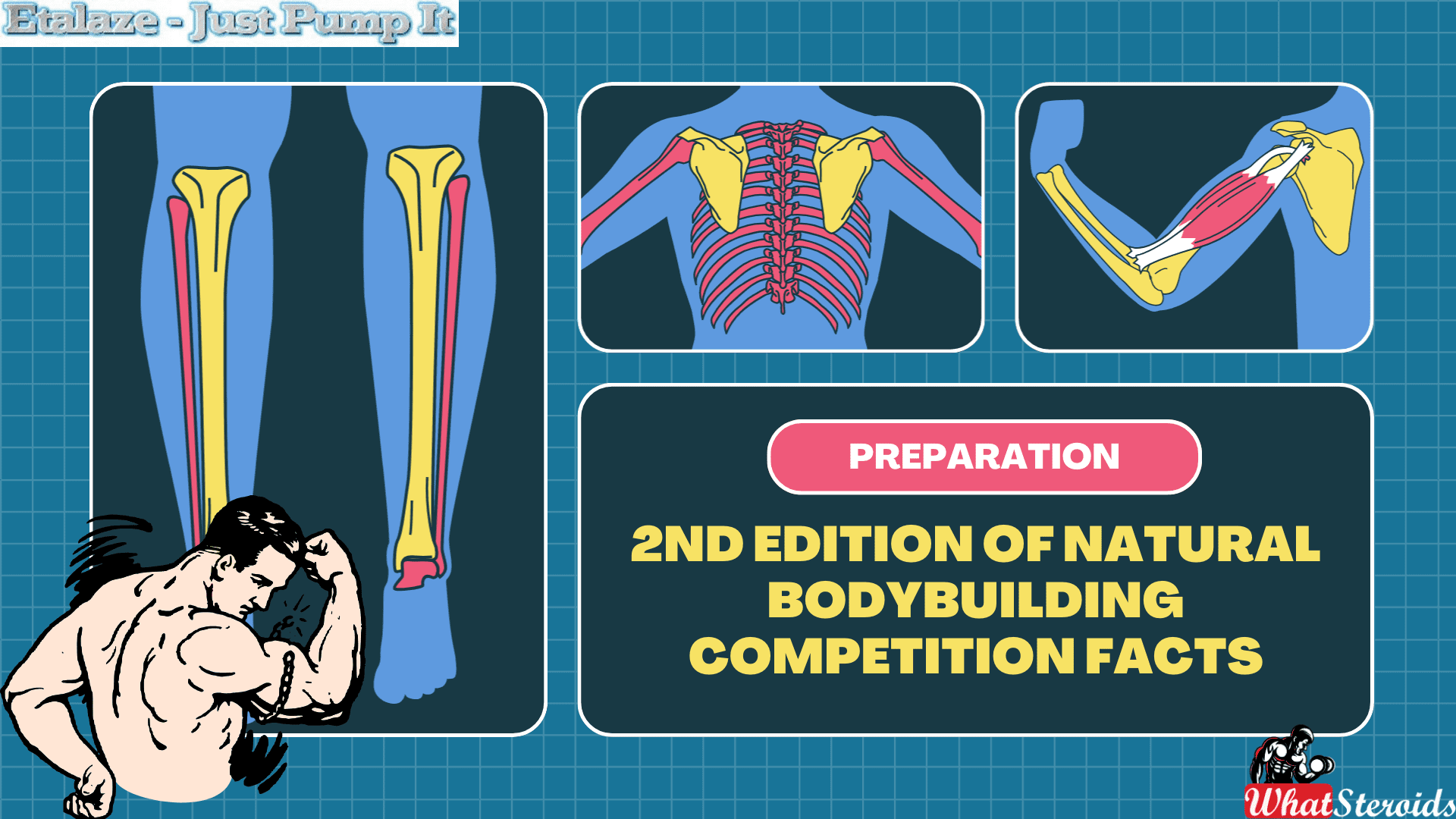
Natural bodybuilding competitions are designed to promote and celebrate athletes who build their physiques without the use of performance-enhancing drugs. These events emphasize fair play, health, and the natural development of muscle mass and definition.
The second edition of natural bodybuilding competitions has gained momentum globally, particularly focusing on drug-free athletes. These competitions are hosted by various organizations like the INBA/PNBA (International Natural Bodybuilding Association/Professional Natural Bodybuilding Association) and OCB (Organization of Competitive Bodybuilders).
In 2024, several notable events have been planned, including the INBA Natural Universe and INBA World Cup, both of which emphasize natural bodybuilding through rigorous drug testing policies. These events aim to showcase competitors who adhere to strict drug-free protocols, and winners often earn pro cards allowing them to compete in higher-level professional competitions.
These competitions focus on categories like men's bodybuilding, classic physique, and women's figure and bikini, among others. Athletes undergo polygraph and urine tests to ensure compliance with natural bodybuilding standards. The winners often receive medals, trophies, or pro status
 Click here to buy 1-Test Cyp/DHB 100 by Dragon Pharma


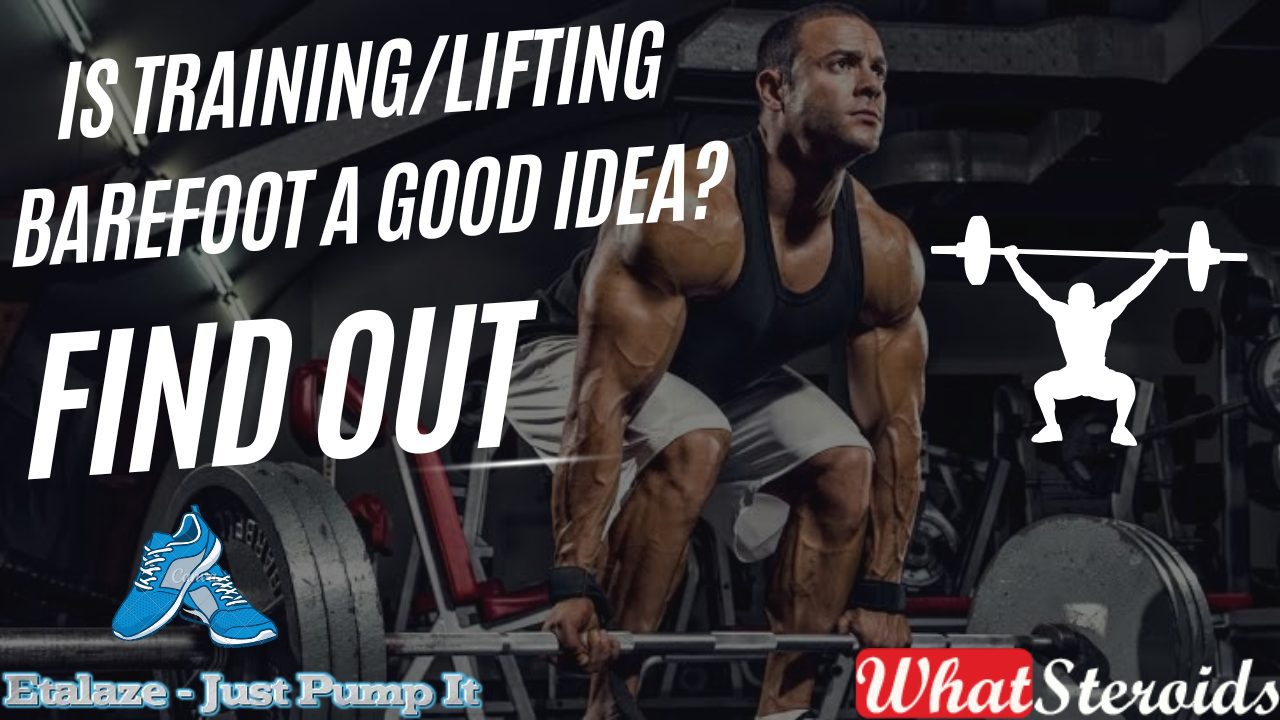
For decades, the gym floor has echoed with the thud of cushioned sneakers, lifting shoes, and high‑tech trainers promising better stability, more power, and improved performance. Yet in recent years, a surprising shift has taken hold among serious lifters: many are kicking off their footwear entirely. What began as a fringe practice—often dismissed as quirky or unsafe—has evolved into a growing movement embraced by bodybuilders, powerlifters, and functional fitness athletes who swear that training barefoot unlocks a deeper, more natural kind of strength.
At first glance, the idea seems almost counterintuitive. After all, modern athletic shoes are engineered with layers of support, padding, and structure. But that’s exactly the point. As lifters push for better technique, stronger lifts, and more efficient movement patterns, many are realizing that all that cushioning may be doing more harm than good. By removing the barrier between foot and floor, barefoot training forces the body to engage stabilizing muscles that shoes often mute. The result? A stronger foundation, improved balance, and a more connected kinetic chain from the ground up.
Beyond performance, the barefoot trend taps into a broader shift toward natural movement and functional strength. Lifters are rediscovering the importance of foot mechanics—how the toes grip, how the arches support, and how the ankles align. These subtle details influence everything from squat depth to deadlift power. And as more athletes experiment with barefoot sessions, they’re finding that the benefits extend far beyond the feet themselves.
Of course, going shoeless in the gym isn’t just about following a trend. It’s about rethinking how we build strength, questioning long‑held assumptions, and exploring what happens when we strip training back to its most primal form. Serious lifters aren’t throwing away their shoes for style—they’re doing it for results.
Click Here to Buy Ibutamoren 50 Tabs by BodyTech
Advantages of Training Barefoot for Pro Bodybuilders
For professional bodybuilders, every detail matters—how the body moves, how muscles fire, and how efficiently force transfers through the kinetic chain. Training barefoot has emerged as a surprisingly effective way to refine these details and unlock performance benefits that shoes often mask.
One of the biggest advantages is enhanced stability. Without the interference of thick soles or elevated heels, the feet can spread naturally, creating a wider, more grounded base. This stability is crucial during heavy compound lifts like squats, deadlifts, and lunges, where even minor wobbling can compromise form or reduce power output. Barefoot training allows bodybuilders to feel the floor directly, improving balance and control under load.
Another major benefit is greater activation of stabilizing muscles, especially in the feet, ankles, and lower legs. Modern footwear often restricts natural movement, causing these smaller muscles to weaken over time. Training barefoot forces them to engage, strengthening the foundation that supports every lift. For bodybuilders, this translates to better joint integrity, improved symmetry, and reduced risk of chronic overuse injuries.
Barefoot lifting also enhances proprioception—the body’s ability to sense position and movement. With more sensory feedback from the ground, athletes can fine‑tune their technique, adjust their stance, and maintain optimal alignment throughout each rep. This heightened awareness can improve squat depth, deadlift mechanics, and overall lifting efficiency.
Must Read: The Proper Approach to Buying Steroids Online (updated)
Additionally, training without shoes encourages more natural biomechanics. The feet move freely, the arches function as intended, and the ankles maintain a neutral position. This can help correct imbalances caused by years of training in restrictive footwear, ultimately supporting better long‑term performance.
For pro bodybuilders chasing marginal gains, barefoot training offers a simple yet powerful way to build strength from the ground up—literally. It’s not just a trend; it’s a strategic tool for maximizing muscle engagement, improving technique, and enhancing overall athletic longevity.
Possible Downsides of Lifting Barefoot
While barefoot training has gained popularity among casual lifters for its “natural” feel and improved ground contact, the situation is very different for professional bodybuilders. At elite levels, athletes handle extreme loads that demand maximum stability, protection, and performance efficiency. Without proper footwear, the risks multiply — from injuries and reduced leverage to hygiene concerns and long-term joint stress. The following points highlight why barefoot lifting can be problematic for pro bodybuilders.
1. Reduced Foot Protection
Bare feet leave you vulnerable to dropped weights, sharp objects, or heavy equipment. For pro bodybuilders handling massive loads, this risk is amplified.
2. Higher Risk of Injury
Without shoes, the bones, tendons, and ligaments in your feet absorb more stress. Heavy squats or deadlifts can easily cause sprains or fractures.
3. Lack of Arch Support
Shoes provide structural support that helps prevent issues like flat feet or plantar fasciitis. Barefoot lifting removes that safeguard.
4. Instability Under Heavy Loads
Gym floors can be slippery or uneven. Shoes add grip and stability, while barefoot training increases the chance of wobbling or losing balance.
Related Article: Muscle Density Decoded: Why Hardness Beats Size
5. Reduced Performance in Certain Lifts
Olympic lifts and squats often benefit from raised heels or firm soles. Barefoot training limits leverage and can reduce maximum output.
6. Increased Stress on Ankles and Knees
Without cushioning, impact forces travel directly into the joints. Over time, this can contribute to chronic pain or injury.
7. Hygiene Concerns
Gyms are breeding grounds for bacteria and fungi. Training barefoot raises the risk of infections like athlete’s foot.
8. Limited Leg Drive in Deadlifts
While barefoot deadlifting improves ground contact, it reduces leverage compared to specialized lifting shoes designed for maximum force transfer.
9. Not Competition-Ready
Most bodybuilding and powerlifting competitions require footwear. Barefoot training doesn’t translate well to actual performance standards.
10. Potential Long-Term Damage
Repeated barefoot lifting under heavy loads can cause chronic foot problems, misalignment, and reduced career longevity.
Overall
As we mentioned earlier, training barefoot has become a trend among some athletes, but for professional bodybuilders the practice carries both potential benefits and serious drawbacks. On the positive side, lifting without shoes can improve proprioception — the body’s awareness of movement and position — which may enhance balance and stability during certain exercises. Barefoot training also strengthens the small muscles of the feet and ankles, potentially reducing reliance on supportive footwear. For lifts like deadlifts, direct contact with the floor can improve force transfer and reduce unnecessary elevation caused by cushioned soles.
However, the disadvantages are far more significant at elite levels. Bare feet lack protection against dropped weights or sharp equipment, exposing bodybuilders to severe injury risks. Without arch support or cushioning, stress is shifted to the ankles, knees, and hips, increasing the likelihood of chronic pain or joint damage. Performance in squats and Olympic lifts often suffers, since specialized shoes provide leverage and stability that barefoot training cannot replicate. Hygiene is another concern, as gym floors harbor bacteria and fungi. Finally, barefoot lifting does not align with competition standards, where footwear is mandatory.
In short, while barefoot training offers some functional benefits, professional bodybuilders face greater risks that outweigh its advantages.
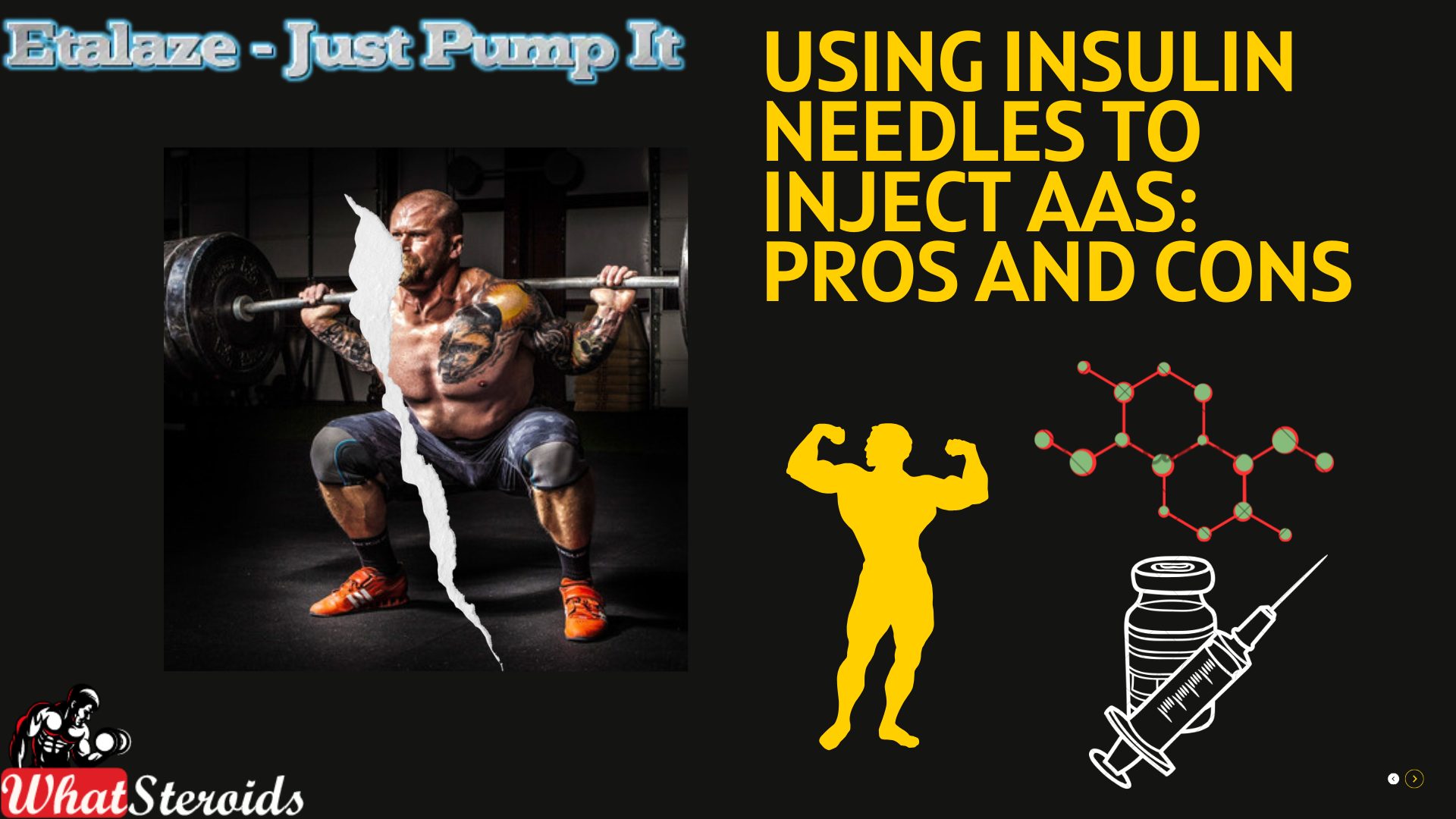
Bodybuilding has long been associated with the pursuit of physical excellence, where athletes and enthusiasts dedicate themselves to sculpting muscular physiques. You need rigorous training, disciplined nutrition, and, in some cases, the use of performance-enhancing substances. Among these substances, anabolic-androgenic steroids (AAS) occupy a controversial space. While medically prescribed for specific conditions, AAS are often used to accelerate muscle growth, improve recovery, and enhance overall performance. Their use, however, is fraught with ethical, legal, and health-related concerns.
One practical issue that arises in this context is the method of administration. AAS are typically injected intramuscularly, requiring needles that can deliver oil-based solutions deep into muscle tissue. Yet, some individuals turn to insulin needles—originally designed for subcutaneous delivery of insulin—as an alternative. This choice is often motivated by the perception that insulin needles are less intimidating, less painful, and more discreet. For bodybuilders who may be inexperienced with injections, the appeal of a smaller, finer needle can be strong.
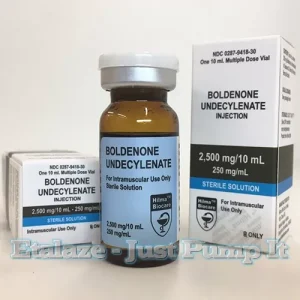
Click Here to Buy Boldenone Undecylenate 250 mg/ml by Hilma Biocare
However, the suitability of insulin needles for AAS administration is highly debated. While they may offer certain conveniences, their limitations in terms of depth, absorption, and compatibility with thicker solutions raise significant concerns. Misuse can lead to complications ranging from ineffective dosing to infections and tissue damage.
Must Read: Running and Bodybuilding: Is it a Good Idea to Mix Them?
In bodybuilding culture, where experimentation and peer influence often shape practices, understanding the pros and cons of using insulin needles for AAS injections is essential. By examining both benefits and the potential risks, we can better appreciate the complexities of AAS injection and emphasize the importance of informed, responsible decision-making.
Why Insulin Needles
Insulin needles are generally preferred for many types of injections because they are shorter, thinner, less painful, and reduce the risk of complications compared to larger needles
Patient comfort: Insulin needles are designed to minimize pain. Their fine gauge and short length make injections less intimidating and more tolerable, especially for people who need frequent injections.
Reduced risk of complications: Shorter needles lower the chance of hitting muscle or nerves when delivering medication subcutaneously. This reduces risks like bruising, bleeding, or accidental intramuscular injection
Effective delivery: For insulin and other subcutaneous medications, shorter needles are just as effective as longer ones. They ensure the drug reaches the correct tissue layer without unnecessary depth.
Ease of use: Their design makes them simple to handle, even for patients self-administering injections daily. This accessibility encourages adherence to treatment
Compatibility with subcutaneous injections: Many medications besides insulin—such as certain vaccines, hormones, and biologics—are delivered under the skin. Insulin needles are well-suited for these because they match the required depth and absorption rate.
Insulin Needles vs. Intramuscular Needles in Bodybuilding
When it comes to injecting anabolic-androgenic steroids (AAS), bodybuilders often weigh the choice between insulin needles and traditional intramuscular needles. Insulin needles are very fine and short, usually ranging from 29 to 31 gauge and only a few millimeters in length. This makes them far less intimidating and significantly less painful to use. For athletes who inject frequently, the reduced discomfort and minimal scarring are appealing, especially since visible bruising or scar tissue can detract from the aesthetic goals of bodybuilding. Their wide availability in pharmacies and association with legitimate medical use also adds to their convenience and discretion.
However, insulin needles are designed for subcutaneous injections, meaning they deposit medication just under the skin. AAS, on the other hand, are typically oil-based compounds that require intramuscular delivery for proper absorption. The fine bore of insulin needles makes drawing and injecting these thicker solutions difficult, and their short length often fails to reach muscle tissue. This mismatch can lead to poor absorption, underdosing, or even localized complications such as abscesses and tissue irritation.
Intramuscular needles, by contrast, are longer and thicker—usually 21 to 25 gauge and 25 to 40 millimeters in length. While they cause more pain and can be intimidating for beginners, they are specifically designed to deliver oil-based substances deep into muscle tissue. This ensures that AAS are absorbed effectively and reduces the risk of complications when used correctly. Over time, repeated intramuscular injections may cause bruising or scar tissue, but medically they remain the appropriate tool for this type of administration.
In short, you may prefer insulin needles for their comfort, accessibility, and cosmetic advantages, but intramuscular needles remain the medically suitable option for AAS injections. The perceived safety of insulin needles does not outweigh the risks of improper delivery, making the choice more about convenience than effectiveness.
Downsides of Using Insulin Needles for AAS in Bodybuilding
For bodybuilders, the downsides of insulin needles in AAS use are significant: poor absorption, infection risk, tissue damage, and wasted product. While they may reduce pain and appear more convenient, they compromise both safety and effectiveness. In bodybuilding culture, where results are paramount, these drawbacks make insulin needles a risky and counterproductive choice.
Improper absorption
Insulin needles are designed for subcutaneous injections, but AAS typically require intramuscular delivery. Injecting into fat or shallow tissue can lead to poor absorption, reduced effectiveness, and unpredictable results.
Also See: Fitness Lessons from A Navy Seal’s Training Routine
Viscosity mismatch
AAS solutions are often oil-based and much thicker than insulin. Fine-gauge insulin needles struggle to draw and push these solutions, leading to blocked syringes, incomplete injections, or excessive force that damages tissue.
Risk of infection and abscesses
Because oil may pool in subcutaneous tissue instead of dispersing into muscle, it can irritate the area and create a breeding ground for bacteria. This raises the risk of painful abscesses that may require medical intervention.
Underdosing and wasted product
If the steroid doesn’t reach the muscle, the bodybuilder may not achieve the intended anabolic effect. This not only wastes expensive compounds but also tempts users to increase frequency or dosage, compounding health risks.
Tissue damage
Repeated shallow injections can cause lumps, irritation, or necrosis in fatty tissue. For bodybuilders focused on aesthetics, visible damage under the skin undermines their goals.
False sense of safety
Many athletes assume insulin needles are “safer” because they are smaller and widely used in diabetes care. In reality, this perception can mask the fact that they are medically inappropriate for AAS, leading to dangerous practices.
Related Article: Best Syringes for Steroid Injection on Amazon
Overall
Bodybuilders and athletes often face difficult choices when it comes to performance enhancement, and the method of administering anabolic-androgenic steroids (AAS) is one of them. Insulin needles, with their fine gauge and short length, are attractive because they reduce pain, minimize scarring, and are easy to obtain. For individuals who inject frequently, these qualities can seem like practical advantages.
However, the reality is that insulin needles are not designed for oil-based compounds that require intramuscular delivery. Their short length and narrow bore make them unsuitable for reaching muscle tissue, leading to poor absorption, underdosing, and potential tissue irritation. The risk of infection or abscess formation is also heightened when AAS are deposited into fatty tissue rather than muscle. What may appear to be a safer, more comfortable option can ultimately compromise both health and performance outcomes.

Athletes who prioritize long-term progress must recognize that convenience should never outweigh safety. While insulin needles may seem appealing, they are not always appropriate for AAS administration. The discipline that defines bodybuilding and athletic success should extend to responsible decision-making, ensuring that choices made in pursuit of strength and aesthetics do not undermine overall well-being.
Hormones shape every aspect of athletic performance, from muscle growth and recovery to overall health. Testosterone often dominates the conversation in bodybuilding, but estrogen is just as influential—especially when its levels rise or fall outside the optimal range. For athletes who use anabolic steroids or performance-enhancing compounds, controlling estrogen becomes a critical part of maintaining progress and avoiding setbacks. Two classes of compounds, Selective Estrogen Receptor Modulators (SERMs) and Aromatase Inhibitors (AIs), are central to this process.
Estrogen itself is not the enemy. It supports bone strength, cardiovascular function, and even contributes to muscle development when balanced correctly. Problems arise when estrogen levels climb too high, leading to issues such as gynecomastia (male breast tissue growth), water retention, and increased fat storage. On the other hand, suppressing estrogen too aggressively can cause joint pain, low libido, and hinder recovery. The challenge lies in achieving balance rather than elimination.
SERMs, including Tamoxifen and Clomiphene, act by blocking estrogen’s ability to bind to receptors in specific tissues. This makes them particularly valuable during post-cycle therapy (PCT), when athletes aim to restart natural testosterone production and prevent estrogen rebound. AIs, such as Anastrozole and Exemestane, work differently: they inhibit the aromatase enzyme, reducing the conversion of testosterone into estrogen. Because of this, AIs are often used on-cycle to keep estrogen levels under control.
For athletes, understanding the distinction between these compounds is more than a matter of science—it’s about protecting gains, ensuring recovery, and safeguarding long-term health. Mismanagement of estrogen can undo months of training, while strategic use of SERMs and AIs can help athletes maintain peak performance. This article explores how these tools compare, their practical applications, and the risks that come with misuse.
Related Article: The Ultimate Guide to Foods That Support Hormonal Balance for Bodybuilders
SERMs (Selective Estrogen Receptor Modulators)
Before diving into specific compounds, it’s important to understand how Selective Estrogen Receptor Modulators (SERMs) function. Rather than lowering estrogen levels in the bloodstream, SERMs act by blocking estrogen’s ability to bind to receptors in certain tissues, such as breast tissue or the hypothalamus.
This selective action makes them especially valuable in bodybuilding for post-cycle therapy (PCT), where athletes aim to restart natural testosterone production and prevent estrogen-driven side effects. Below are five commonly referenced SERMs and how each contributes to estrogen regulation.
Tamoxifen (Nolvadex)
Tamoxifen binds to estrogen receptors in breast tissue, preventing estrogen from activating them. This makes it highly effective in reducing the risk of gynecomastia in male athletes. In bodybuilding, it is often used during post-cycle therapy (PCT) to block estrogen’s effects while helping restore natural testosterone production. Tamoxifen does not lower estrogen levels in the blood but instead prevents estrogen from exerting its influence in certain tissues, making it a targeted approach to estrogen management.
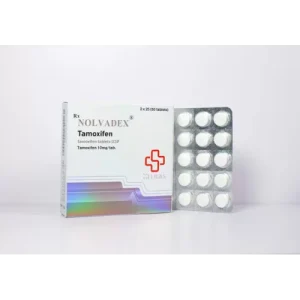
Click Here to Buy Nolvadex 10 by Beligas Pharmaceuticals
Clomiphene (Clomid)
Clomiphene works by blocking estrogen receptors in the hypothalamus, tricking the body into thinking estrogen levels are low. This stimulates the release of gonadotropins (LH and FSH), which in turn boost natural testosterone production. For bodybuilders, Clomid is a cornerstone of PCT because it helps restart the body’s hormonal axis after a steroid cycle. Unlike AIs, Clomid doesn’t reduce estrogen production but instead modulates receptor activity to encourage hormonal recovery.
Raloxifene
Raloxifene is another SERM that blocks estrogen receptors in breast tissue, similar to Tamoxifen, but has fewer risks of uterine stimulation. In bodybuilding, it is sometimes used as an alternative to Tamoxifen for managing gynecomastia. It helps prevent estrogen-driven tissue growth without significantly affecting estrogen’s beneficial roles in bone and cardiovascular health. Its selective action makes it useful for athletes who want targeted estrogen control without broad suppression.
Toremifene
Toremifene is structurally related to Tamoxifen and works by binding to estrogen receptors, preventing estrogen from stimulating breast tissue. It is occasionally used in bodybuilding circles for PCT, though less common than Tamoxifen or Clomid. Its main advantage is a slightly different side-effect profile, which some athletes prefer. Like other SERMs, it doesn’t lower estrogen levels but blocks its activity in specific tissues.
Fulvestrant (technically a SERD, but often grouped with SERMs)
Fulvestrant binds strongly to estrogen receptors and accelerates their degradation, reducing receptor numbers. While primarily used in medical settings for breast cancer, some athletes experiment with it for estrogen control. Its mechanism is more aggressive than traditional SERMs, as it eliminates receptors rather than just blocking them. This can reduce estrogen signaling significantly, though it is less common in bodybuilding due to potency and side effects.
Must Read: How Much Is Too Much Cardio? Understanding Heart Rate Zones
AIs (Aromatase Inhibitors)
Aromatase Inhibitors (AIs) take a different approach to estrogen management. Instead of blocking receptors, they target the enzyme aromatase, which is responsible for converting testosterone into estrogen. By reducing estrogen production at its source, AIs are particularly useful on-cycle, when anabolic steroid use can cause estrogen levels to rise sharply.
They help athletes avoid water retention, fat gain, and gynecomastia, though overuse can suppress estrogen too much and harm recovery. The following five examples highlight how different AIs work to regulate estrogen in bodybuilding.
Anastrozole (Arimidex)
Anastrozole inhibits the aromatase enzyme, preventing the conversion of testosterone into estrogen. In bodybuilding, it is widely used during steroid cycles to keep estrogen levels manageable, reducing risks of gynecomastia, water retention, and fat gain. Its strength lies in lowering circulating estrogen rather than just blocking receptors. However, overuse can lead to excessively low estrogen, causing joint pain and reduced libido.
Exemestane (Aromasin)
Exemestane is a steroidal AI that irreversibly binds to aromatase, permanently deactivating the enzyme. This makes it a “suicidal inhibitor,” meaning estrogen production is suppressed more completely. Bodybuilders often prefer Exemestane for its potency and lower rebound risk compared to other AIs. It helps maintain leaner physiques by reducing water retention, though it must be used carefully to avoid estrogen deficiency.
Letrozole (Femara)
Letrozole is one of the most powerful AIs, capable of reducing estrogen levels dramatically. It is sometimes used when athletes face severe estrogen-related side effects, such as advanced gynecomastia. However, its potency can be a double-edged sword, as it may suppress estrogen too much, leading to negative effects on bone health, cholesterol, and recovery. It is generally reserved for short-term or emergency use.
Testolactone
Testolactone is an older AI that also works by inhibiting aromatase activity. Though less commonly used today, it was one of the first agents available for estrogen control. In bodybuilding, it can reduce estrogen conversion modestly, but newer AIs like Anastrozole and Exemestane are more effective. Its historical role highlights the evolution of estrogen management strategies.
Vorozole
Vorozole is a non-steroidal AI that blocks aromatase activity, lowering estrogen production. While not as widely used as Anastrozole or Exemestane, it demonstrates the diversity of compounds available for estrogen regulation. In bodybuilding, it has niche applications but is less popular due to limited availability and stronger alternatives. Its mechanism is similar to other non-steroidal AIs, focusing on enzyme inhibition.
Our Verdict
SERMs and AIs both play vital roles in estrogen management for athletes. SERMs block estrogen’s effects at specific receptors, making them ideal for post-cycle recovery, while AIs reduce estrogen production directly, useful during cycles. Balanced use prevents side effects, but misuse risks health, highlighting moderation and medical guidance.
Also See: A Bodybuilder's Guide to Calorie Dumping
Overall
Estrogen management is a crucial aspect of bodybuilding, especially for athletes using performance-enhancing compounds. We explored how SERMs block estrogen’s effects at specific receptors, making them valuable in post-cycle therapy, while AIs reduce estrogen production directly, proving useful during cycles. Both approaches aim to prevent side effects such as gynecomastia, water retention, and fat gain, while supporting recovery and hormonal balance.
However, misuse can lead to health risks, including joint pain, low libido, or impaired cardiovascular function. Ultimately, moderation, knowledge, and medical guidance are essential to harness these tools safely and effectively in athletic performance.


Is Training/Lifting Barefoot A Good Idea? Find Out

Using Insulin Needles to Inject AAS: Pros and Cons

Is NAD+ The Best Anti-aging Molecule for Men Over 40?

Estrogen Management: SERMs and AIs Compared

The Testosterone Trap: Why Bigger Levels Don’t Guarantee Bigger Muscles

Sodium, Potassium, and Pump: The Science Behind Electrolytes Balance in Bodybuilding

Reclaiming Balance: A Bodybuilder’s Guide to Post-Cycle Crash Recovery

Healing Peptides in Focus: BPC-157 vs TB-500 for Injury Recovery

Tiny Doses, Big Impact: The PED Revolution

The Neurofitness Connection: How Exercise Fuels Brain Development

Burn Fat, Build Muscle: The Truth About HGH in Bodybuilding
The Neurofitness Connection: How Exercise Fuels Brain Development

Muscle Density Decoded: Why Hardness Beats Size
Healing Peptides in Focus: BPC-157 vs TB-500 for Injury Recovery
Sodium, Potassium, and Pump: The Science Behind Electrolytes Balance in Bodybuilding
Reclaiming Balance: A Bodybuilder’s Guide to Post-Cycle Crash Recovery
Tiny Doses, Big Impact: The PED Revolution
Estrogen Management: SERMs and AIs Compared
The Testosterone Trap: Why Bigger Levels Don’t Guarantee Bigger Muscles
Is NAD+ The Best Anti-aging Molecule for Men Over 40?
Burn Fat, Build Muscle: The Truth About HGH in Bodybuilding
The Neurofitness Connection: How Exercise Fuels Brain Development
Muscle Density Decoded: Why Hardness Beats Size
Healing Peptides in Focus: BPC-157 vs TB-500 for Injury Recovery
Sodium, Potassium, and Pump: The Science Behind Electrolytes Balance in Bodybuilding
Reclaiming Balance: A Bodybuilder’s Guide to Post-Cycle Crash Recovery
Tiny Doses, Big Impact: The PED Revolution
Estrogen Management: SERMs and AIs Compared
The Testosterone Trap: Why Bigger Levels Don’t Guarantee Bigger Muscles
Is NAD+ The Best Anti-aging Molecule for Men Over 40?
-
 Bodybuilding Products2 years ago
Telmisartan In Bodybuilding: An Expert’s Advice
-
 Steroids2 years ago
Anadrol Cycle: Benefits, Doses, Alternatives, etc.
-
 Anabolic Steroids1 year ago
Joint Stiffness: How to Manage It While on AAS
-
 Bodybuilding1 year ago
Primal Movements: Our Ultimate Guide for Maximum Results
-
 Bodybuilding1 year ago
How Effective is Bone Broth for Recovery?
-
 Steroids1 year ago
Omnitope (Oxytocin)
-
 Steroids1 year ago
Bodybuilder Winter Clothing: Staying Warm and Stylish
-
 Steroids1 year ago
Sleeping Positions for Effective Muscle Recovery
-
 Bodybuilding2 years ago
How Much Is Too Much Cardio? Understanding Heart Rate Zones
-
 Steroids12 months ago
Ostarine For Beginners: The Ultimate Guide
-
 Bodybuilding1 year ago
Are Nootropics a Better Option to AAS?
-
 Bodybuilding2 years ago
Demystifying Hypertrophy Training
-
 Bodybuilding1 year ago
Top Video Games for Bodybuilders in 2025
-
 Steroids11 months ago
Tips on How to Store Peptides and HGH
-
 Steroids9 months ago
Raloxifene (Evista) 101: A Non-Surgical Solution for Gyno
-
 Steroids10 months ago
Why Post-Cycle Therapy (PCT) Fails After a Nandrolone Cycle
-
 Beginners1 year ago
14 Morning Run Safety Tips for Bodybuilding and Fitness
-
 Steroids9 months ago
Creatine vs Myostatin: An Expert’s Analysis
-
 Steroids1 year ago
Glutathione – The Most Underrated Antioxidant
-
 Bodybuilding2 years ago
List of FDA-Approved Peptides
-

 Product Reviews2 years ago
Top Vitamins for Skin Health
-
 Anabolic Steroids2 years ago
How Much Do You Know About B-AET? A Fat Burner You’ve Been Missing
-
 Bodybuilding1 year ago
Hormone Replacement Therapy (TRT) Cycle Guide
-

 Anabolic Steroids2 years ago
Anavar Cycle for Men and Women
-
 Steroids2 years ago
Major Bodybuilding Peptides Explained