
Supplements
Whey Protein Explained: Isolate, Concentrate and Hydrolysate

If your goal is to get leaner muscles, it is essential to visit the gym 3 to 4 times a week. It is also needed to consume enough amount of protein. It is true that low-carbohydrates and high-protein are an essential element that can build lean muscles. Gym enthusiasts and bodybuilders are gulping down an adequate amount of protein through shakes. Dieters also gobble down protein bars to lose weight. They also replace their stored fats through lean muscles.
However, the whey protein supplements that can be found in the market today make it much difficult to choose the best one. Which do you think is the best for bodybuilders and nutritionists?
Protein and its Importance
Many people do not understand that protein is an essential component of the cells in the body. Nails and hair also consist of protein. The body also utilizes protein to repair and build tissues. This is essential especially when it comes to strength training.
In addition to that, protein is essential in building cartilage, muscles, bones, blood, and skin. This is classified as macronutrient which means that the physique requires huge amounts of protein. And as compared to carbohydrates and fat, the physique does not stock protein. Thus, it has no supply to get by the time that it needs a new supply.
Must Read: 4 Meals with Most Protein to Take If You are Body Builder
How Much is an Adequate Amount of Protein?

The body mainly requires a modest amount of protein for it to function well. Even based in the Health Services of the United States, the daily allowance for protein includes the following:
- Men aging Nineteen to Seventy Plus- Fifty-Six Grams Every Day
- Women aging Nineteen to Seventy Plus- Forty-six Grams Every Day
Benefits Brought By High Protein Supplements and Foods:

The following are the benefits expected from consuming high protein supplements and foods.
- Builds leaner muscles
- Reduces the loss of muscles
- Speeds up the Recovery Process Right After Exercise
- Curbs Hunger
- Helps the Body Maintains and Promotes Healthy Weight
What is Whey Protein?
 Whey protein is considered to be a fast protein. This means to say that it can be absorbed and digested easily. The amino acids will be delivered fast and easy to the muscles and to the bloodstream.
In this fast-paced society, it can be most observed that consumer products are turning into a better and bigger thing. It is also quite confusing differentiating between the whey protein supplements in health food stores.
Where It Comes From?
Whey protein is known to originate in dairy farms. The milk from dairy farms is moved to the manufacturing firm to start the cheese making procedure.
Special enzymes will usually be included in the milk. This will help separate the liquid whey and curds. And then, the whey is pasteurized and dried into milk powder and what is called now as whey protein.
Must Read: How Much Protein To Eat To Gain Muscle Mass
The Three Types:
There are three types of whey protein. They are each defined below for better understanding:
- Whey Protein Concentrate. This is known to go through less procedure. This also basically contains thirty to eighty-five percent of whey proteins. This also has differing amounts of carbohydrates and fat in lactone form. This contains different protein subfractions with health benefits.
- Whey Protein Isolate. This is very beneficial to people who do not have the tolerance to lactose or milk. This is also intended for those who have issues on digesting dairy. In addition to that, this contains over ninety percent protein with only 1% milk fat or lactose.

- Whey Protein Hydrolysate. This is produced through the use of pure protein sources. This is also predigested which means to say that the amino acids found in the concentrates and isolates are turned into amino acids. This will result in fast and efficient absorption. This will also be responsible in the release of the amino acids to the bloodstream. This now results to greater and better synthesis of muscle protein after exercise.

Consume Whey Protein After Weight Lifting and Training:

Whey protein is recommended to be used right after weight lifting and training. This helps maximize the fast and immediate recovery of the body.
An even higher level of insulin is created in the blood plasma. Just as insulin is considered to be an anabolic hormone, it really helps grow the lean muscles of the body.
Whey Isolates and Concentrates Available in the Form of Intact Proteins?

The majority of isolates and concentrates are available in the form of intact proteins. But, they could also be completely hydrolyzed. The whey hydrolysates are usually partially broken down by acid, enzymes, and heat. That is why they give out a bitter taste than whey isolate and whey concentrate.
Isolates and concentrates have already been known for their fast and rapid digestion rate. That is why you need to include a hydrolysate that digests a lot faster. This may not be approved by many for its taste. But, its extra cost is worth of the benefit it brings.
Conclusion:
If you are not lactose intolerant and you don’t worry about the fats and carbohydrates, whey protein concentrates will be the best choice for you. They are also far more economical choice than the other two types. But, whey protein in all types is beneficial for consumption or use. Try one of the best-selling whey proteins that can be found on the health food stores or market today!











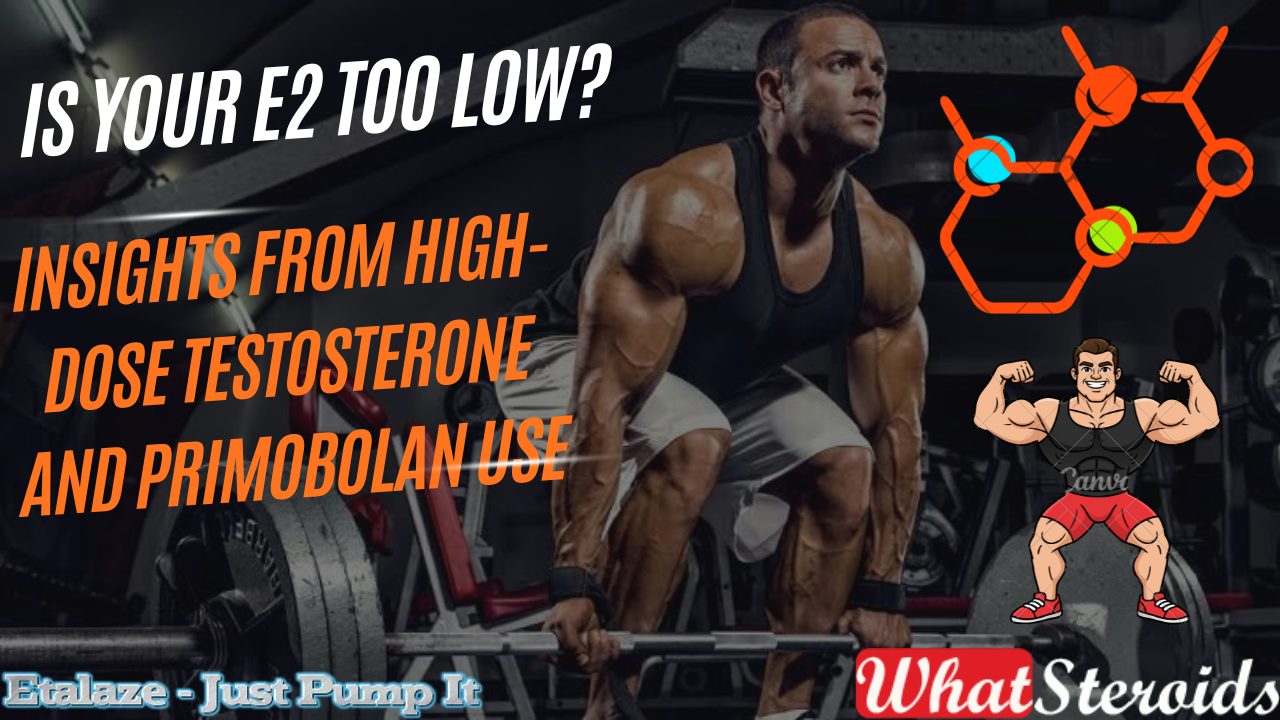
Hormonal balance is a bodybuilder's cornerstone, particularly when PEDs are introduced at supraphysiological levels. Testosterone Cypionate and Primobolan are often combined for muscle growth, strength, and physique refinement. Yet, beyond the anabolic benefits, these compounds exert complex influences on estrogen metabolism—specifically estradiol (E2), a hormone essential for joint health, mood stability, and cardiovascular function. While excessive estrogen can lead to water retention and gynecomastia, insufficient levels may compromise recovery, bone density, and overall well-being. This article explores the question: Is estradiol too low when using high-dose testosterone alongside Primobolan? By examining the physiological mechanisms, potential risks, and evidence-based strategies, we aim to provide insights that encourage informed decision-making. The goal is not to glorify extreme dosing, but to highlight the importance of monitoring, moderation, and health-first practices in bodybuilding.
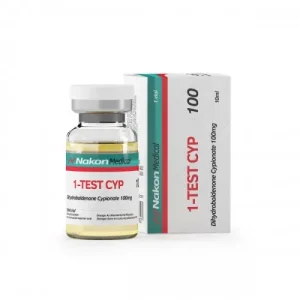
Check Out 1-Test Cyp 100 by Nakon Medical
A Sneak Peek Into Estradiol
Estradiol (E2), the primary form of estrogen in men, is often misunderstood. While testosterone is celebrated as the driver of muscle growth and strength, estradiol plays a crucial supporting role in maintaining overall health and performance. Produced through the aromatization of testosterone, estradiol contributes to bone density, joint lubrication, cardiovascular protection, and even neurological stability. For athletes pushing their bodies with high-dose anabolic protocols, overlooking estradiol can lead to unintended consequences.
Related Article: Anadrol Cycle Benefits, Doses, Alternatives, etc.
Estradiol is sometimes viewed solely as a hormone to suppress, due to its association with water retention, gynecomastia, and bloating. However, excessively low levels can be just as problematic. Symptoms such as joint pain, decreased libido, mood swings, and impaired recovery often emerge when estradiol is suppressed below physiological norms. This balance is particularly delicate in cycles involving compounds like Testosterone Cypionate, which aromatizes readily, and Primobolan, which does not. The combination can skew estrogen regulation, raising questions about whether estradiol levels are being driven too low.
Understanding estradiol’s role requires moving beyond the simplistic “high is bad” mindset. Instead, responsible bodybuilding emphasizes monitoring through bloodwork, recognizing symptoms, and appreciating estradiol’s protective functions. By acknowledging its importance, athletes can better safeguard long-term health while still pursuing physique goals. Estradiol, far from being the enemy, is a vital component of hormonal harmony that supports sustainable progress in bodybuilding.
High-Dose Protocols: Benefits vs. Risks
Combining large amounts of Testosterone Cypionate with moderate Primobolan—remains a controversial practice. Athletes often pursue these regimens to maximize muscle growth, strength, and physique refinement, yet the physiological trade-offs are significant. While supraphysiological dosing can accelerate progress, it also amplifies the risk of hormonal imbalance, cardiovascular strain, and long-term health consequences. Responsible bodybuilding requires weighing the potential benefits against the risks, recognizing that short-term gains may come at the expense of sustainability. Understanding this balance is essential for athletes who aim to optimize performance without compromising their well-being.
| Aspects | Benefits | Potential Risks |
| Muscle Growth | Rapid hypertrophy due to elevated anabolic environment | Increased risk of tendon stress and disproportionate growth |
| Strength Gains | Enhanced power output and training intensity | Greater strain on joints and connective tissue |
| Physique Refinement | Reduced fat mass and improved muscle definition | Possible hormonal imbalance, including suppressed estradiol |
| Recovery | Faster recovery between sessions | Long-term suppression of natural testosterone production |
| Confidence & Motivation | Psychological boost from visible progress | Mood swings, irritability, or depressive symptoms if hormones destabilize |
| Performance Longevity | Short-term peak performance | Elevated cardiovascular risk, liver strain, and potential fertility issues |
Our Recommended Dosages
We frames dosage as a balancing act—not just numbers, but how they translate into health, recovery, and sustainable progress.
Primobolan (Primo) appears to act as a strong aromatase inhibitor (AI) for some individuals, effectively lowering estradiol (E2) levels. At 150mg Primo alongside high-dose Testosterone Cypionate, bloodwork shows free testosterone at 1737 with E2 at 28. While these numbers may feel subjectively “good,” they highlight the delicate interplay between anabolic dosing and estrogen regulation.
See Why A Newbie Needs Electrolytes Like Salt Before, During, and After Training
Six weeks earlier, with a more moderate testosterone dose (200mg/week), free testosterone measured 1200 and E2 was 40—suggesting that higher Primo intake may be suppressing aromatization more aggressively. The question then becomes: should dosages be adjusted to allow estradiol to rise slightly, or is maintaining current levels acceptable given the absence of negative symptoms? Responsible bodybuilding emphasizes individualized responses, careful monitoring, and prioritizing long-term health over chasing trends in “higher E2” preferences.
| Compound | Current Dosage | Observed Effect | Consideration |
| Testosterone Cypionate | 1300mg/week | Free test at 1737 | High anabolic drive; monitor cardiovascular strain |
| Primobolan | 150mg/week | E2 reduced to 28 | Acts as AI; may suppress estradiol too much |
| Estradiol (E2) | 28 (current) vs. 40 (prior) | Lower than baseline | Evaluate symptoms; consider adjusting Primo or supporting E2 |
Overall
Pursuing enhanced performance through anabolic protocols is always a balancing act between progress and health. High doses of testosterone combined with compounds like Primobolan can deliver visible gains, but they also reshape the hormonal landscape in ways that demand careful attention. Estradiol, often overlooked or misunderstood, plays a vital role in maintaining joint integrity, cardiovascular resilience, mood stability, and recovery capacity. Allowing it to drop too low may undermine the very goals athletes are striving for.
The key takeaway is that success should not be measured only by strength or aesthetics, but by how well overall health is preserved along the way. Regular bloodwork, awareness of physical and emotional cues, and a willingness to adjust protocols are essential for sustainable progress. By respecting the role of estradiol and striving for balance rather than extremes, athletes can achieve results that are not only impressive in the short term but also supportive of long‑term well‑being.
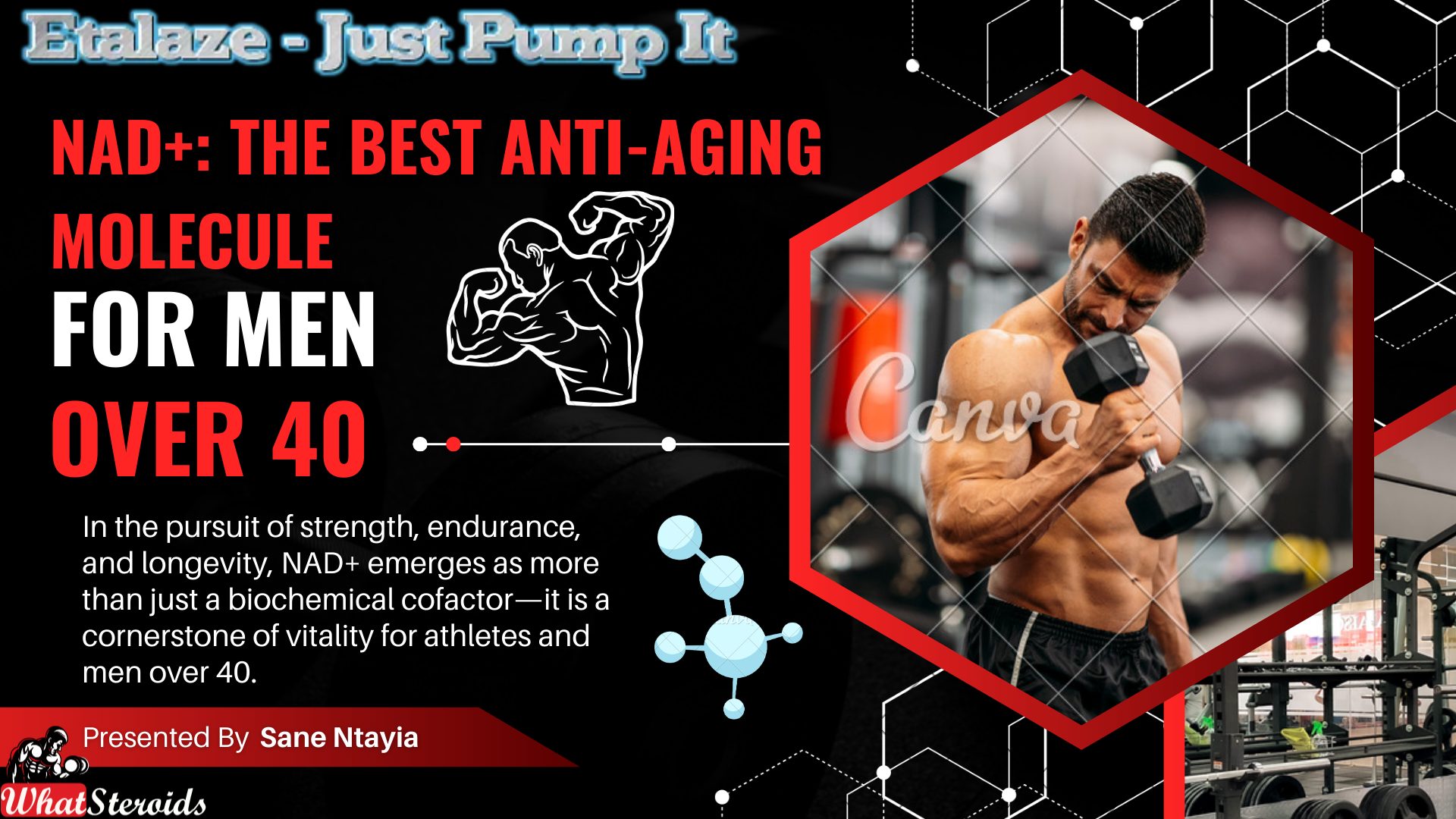
NAD+(Nicotinamide Adenine Dinucleotide) has become the quiet obsession of athletes and bodybuilders who care as much about longevity as they do about performance. For men over 40, the game changes: recovery slows, energy dips, and the margin for error—sleep, nutrition, stress—gets razor-thin. That’s where NAD+ steps in. As a central coenzyme in cellular metabolism, NAD+ powers the mitochondria that generate ATP, supports DNA repair, and helps regulate inflammation and oxidative stress—the exact pressures that compound with age and intense training. The catch? NAD+ levels decline as we get older, and that drop doesn’t just feel like “getting tired”; it shows up as reduced work capacity, stubborn recovery, and a harder fight to preserve lean mass.
For the seasoned lifter, anti-aging isn’t about turning back the clock—it’s about staying dangerous: maintaining strength, clarity, and resilience year after year. By supporting NAD+—through smart training, lifestyle, and targeted precursors like NR or NMN—you’re not chasing a miracle; you’re reinforcing the cellular systems that keep you strong. Think steadier energy across sets, cleaner recovery between sessions, and a more robust response to stressors that typically erode performance after 40.
This article explores how NAD+ intersects with muscle metabolism, hormonal signaling, and recovery pathways, and what practical steps can help you sustain the physique and output you’ve built. If you’re a man over 40 who refuses to age passively, NAD+ isn’t hype—it’s a lever worth understanding and pulling with intention.
Must Read: How to Manage Joint Stiffness While on AAS
Why NAD+ Levels Drop in Men Over 40
NAD+ levels decline with age because the body’s ability to produce and preserve this vital coenzyme weakens, while demand for it increases.
Reduced biosynthesis: The enzymes and pathways that create NAD+ from precursors like niacin and tryptophan become less efficient over time.
Increased consumption: NAD+ is used by repair enzymes such as PARPs (for DNA repair) and sirtuins (for regulating metabolism and aging). As DNA damage and oxidative stress accumulate with age, these enzymes consume more NAD+, depleting reserves.
Greater degradation: Another enzyme, CD38, becomes more active with age. CD38 breaks down NAD+, and its rising activity is strongly linked to age-related decline in NAD+.
Mitochondrial dysfunction: Aging cells often suffer from less efficient mitochondria. Since NAD+ is central to mitochondrial energy production, dysfunction accelerates its depletion.
Lifestyle and stress factors: Poor sleep, chronic stress, alcohol, and high-intensity training without proper recovery can further drain NAD+ levels, especially in men over 40
Why This Matters for Men Over 40
- Lower NAD+ means slower recovery, reduced energy output, and greater susceptibility to inflammation.
- Declining NAD+ is linked to fatigue, cognitive decline, and accelerated aging.
For athletes and bodybuilders, this translates into harder muscle maintenance, longer recovery windows, and plateaus in performance.

Remedies to Boost NDA+ Levels in Men Over 40
Men and athletes over 40 can boost NAD+ levels through a mix of lifestyle strategies (exercise, fasting, sleep), dietary choices (niacin-rich foods), and supplementation (NR, NMN, NAD+ IV therapy).
Lifestyle Approaches
Regular exercise: Endurance and resistance training stimulate mitochondrial function and naturally increase NAD+.
Intermittent fasting: Periods of caloric restriction activate sirtuins, which depend on NAD+.
Quality sleep: Restorative sleep reduces oxidative stress and preserves NAD+ reserves.
Stress management: Chronic stress elevates NAD+ consumption; mindfulness and recovery practices help conserve it.
Avoid excess alcohol: Alcohol metabolism depletes NAD+, so moderation is key.
Related Article: Healing Peptides in Focus: BPC-157 vs TB-500 for Injury Recovery
Dietary Strategies
Niacin-rich foods: Chicken, tuna, salmon, turkey, and mushrooms provide vitamin B3, a precursor to NAD+.
Tryptophan sources: Eggs, dairy, and nuts support NAD+ synthesis via the kynurenine pathway.
Polyphenols: Resveratrol (found in grapes and red wine) activates sirtuins, indirectly supporting NAD+.
Ketogenic diet: Promotes fat metabolism and enhances NAD+/NADH ratio.
Click Here to Buy Andarine S4 By Biaxol
Supplementation
Nicotinamide Riboside (NR): A direct precursor shown to raise NAD+ levels in humans.
Nicotinamide Mononucleotide (NMN): Another precursor with strong evidence for boosting NAD+ and supporting anti-aging pathways.
NAD+ IV therapy: Direct infusion used by some athletes for rapid replenishment.
Co-factors like magnesium and B vitamins: Support enzymatic reactions that sustain NAD+ metabolism.
Advanced/Medical Options
CD38 inhibitors: Experimental compounds that reduce NAD+ breakdown.
PARP inhibitors: Limit excessive NAD+ consumption during DNA repair (still under research).
Hormonal optimization: Testosterone and growth hormone balance indirectly support NAD+ pathways in men over 40.
The Catch:
Energy & endurance: Higher NAD+ means more efficient ATP production.
Recovery & repair: Supports DNA repair and reduces inflammation after training.
Anti-aging resilience: Helps maintain muscle mass, cognitive clarity, and metabolic health.
NAD+ Delivery Methods
1. Intravenous (IV) NAD+ Therapy
- Direct infusion of NAD+ into the bloodstream.
- Used in clinics for rapid replenishment of cellular NAD+.
- Often promoted for anti-aging, recovery, and cognitive clarity.
- Sessions can last several hours, as NAD+ must be infused slowly to avoid side effects (like nausea or flushing).
Dosing: Typically ranges from 250 mg to 1000 mg per session, but exact protocols vary by clinic and medical supervision.
2. Intramuscular or Subcutaneous Injections
- Less common than IV, but some practitioners use NAD+ injections for quicker delivery than oral supplements.
- Provides a shorter, more concentrated boost compared to IV drip.
- Still requires medical oversight, as NAD+ injections can be uncomfortable and must be dosed carefully.
Oral Supplementation
1. NAD+ Precursors (NMN & NR)
- Nicotinamide Mononucleotide (NMN) and Nicotinamide Riboside (NR) are widely available as capsules or powders.
- These compounds are converted into NAD+ inside cells.
- Easier, safer, and more practical for long-term use compared to IV therapy.
Dosing: Common ranges are 250–500 mg daily, though some studies explore higher doses.
Check Out: Piracetol Review Benefits and Side Effect
2. NAD+ Capsules
- Direct oral NAD+ supplements exist, but absorption is less efficient than precursors.
- Most experts recommend NMN or NR instead, as they are better studied and more bioavailable.
Overall
In the pursuit of strength, endurance, and longevity, NAD+ emerges as more than just a biochemical cofactor—it is a cornerstone of vitality for athletes and men over 40. As natural levels decline with age, the consequences ripple through energy, recovery, and resilience. By embracing lifestyle strategies, nutrient-rich diets, and modern supplementation, bodybuilders can sustain performance while slowing the clock on cellular aging. Whether through daily NMN or NR, or targeted therapies under medical guidance, supporting NAD+ is an investment in both present power and future health—a path to staying strong, sharp, and ageless in the decades ahead.
Hormones shape every aspect of athletic performance, from muscle growth and recovery to overall health. Testosterone often dominates the conversation in bodybuilding, but estrogen is just as influential—especially when its levels rise or fall outside the optimal range. For athletes who use anabolic steroids or performance-enhancing compounds, controlling estrogen becomes a critical part of maintaining progress and avoiding setbacks. Two classes of compounds, Selective Estrogen Receptor Modulators (SERMs) and Aromatase Inhibitors (AIs), are central to this process.
Estrogen itself is not the enemy. It supports bone strength, cardiovascular function, and even contributes to muscle development when balanced correctly. Problems arise when estrogen levels climb too high, leading to issues such as gynecomastia (male breast tissue growth), water retention, and increased fat storage. On the other hand, suppressing estrogen too aggressively can cause joint pain, low libido, and hinder recovery. The challenge lies in achieving balance rather than elimination.
SERMs, including Tamoxifen and Clomiphene, act by blocking estrogen’s ability to bind to receptors in specific tissues. This makes them particularly valuable during post-cycle therapy (PCT), when athletes aim to restart natural testosterone production and prevent estrogen rebound. AIs, such as Anastrozole and Exemestane, work differently: they inhibit the aromatase enzyme, reducing the conversion of testosterone into estrogen. Because of this, AIs are often used on-cycle to keep estrogen levels under control.
For athletes, understanding the distinction between these compounds is more than a matter of science—it’s about protecting gains, ensuring recovery, and safeguarding long-term health. Mismanagement of estrogen can undo months of training, while strategic use of SERMs and AIs can help athletes maintain peak performance. This article explores how these tools compare, their practical applications, and the risks that come with misuse.
Related Article: The Ultimate Guide to Foods That Support Hormonal Balance for Bodybuilders
SERMs (Selective Estrogen Receptor Modulators)
Before diving into specific compounds, it’s important to understand how Selective Estrogen Receptor Modulators (SERMs) function. Rather than lowering estrogen levels in the bloodstream, SERMs act by blocking estrogen’s ability to bind to receptors in certain tissues, such as breast tissue or the hypothalamus.
This selective action makes them especially valuable in bodybuilding for post-cycle therapy (PCT), where athletes aim to restart natural testosterone production and prevent estrogen-driven side effects. Below are five commonly referenced SERMs and how each contributes to estrogen regulation.
Tamoxifen (Nolvadex)
Tamoxifen binds to estrogen receptors in breast tissue, preventing estrogen from activating them. This makes it highly effective in reducing the risk of gynecomastia in male athletes. In bodybuilding, it is often used during post-cycle therapy (PCT) to block estrogen’s effects while helping restore natural testosterone production. Tamoxifen does not lower estrogen levels in the blood but instead prevents estrogen from exerting its influence in certain tissues, making it a targeted approach to estrogen management.
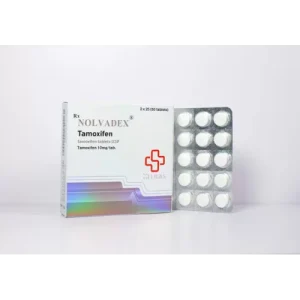
Click Here to Buy Nolvadex 10 by Beligas Pharmaceuticals
Clomiphene (Clomid)
Clomiphene works by blocking estrogen receptors in the hypothalamus, tricking the body into thinking estrogen levels are low. This stimulates the release of gonadotropins (LH and FSH), which in turn boost natural testosterone production. For bodybuilders, Clomid is a cornerstone of PCT because it helps restart the body’s hormonal axis after a steroid cycle. Unlike AIs, Clomid doesn’t reduce estrogen production but instead modulates receptor activity to encourage hormonal recovery.
Raloxifene
Raloxifene is another SERM that blocks estrogen receptors in breast tissue, similar to Tamoxifen, but has fewer risks of uterine stimulation. In bodybuilding, it is sometimes used as an alternative to Tamoxifen for managing gynecomastia. It helps prevent estrogen-driven tissue growth without significantly affecting estrogen’s beneficial roles in bone and cardiovascular health. Its selective action makes it useful for athletes who want targeted estrogen control without broad suppression.
Toremifene
Toremifene is structurally related to Tamoxifen and works by binding to estrogen receptors, preventing estrogen from stimulating breast tissue. It is occasionally used in bodybuilding circles for PCT, though less common than Tamoxifen or Clomid. Its main advantage is a slightly different side-effect profile, which some athletes prefer. Like other SERMs, it doesn’t lower estrogen levels but blocks its activity in specific tissues.
Fulvestrant (technically a SERD, but often grouped with SERMs)
Fulvestrant binds strongly to estrogen receptors and accelerates their degradation, reducing receptor numbers. While primarily used in medical settings for breast cancer, some athletes experiment with it for estrogen control. Its mechanism is more aggressive than traditional SERMs, as it eliminates receptors rather than just blocking them. This can reduce estrogen signaling significantly, though it is less common in bodybuilding due to potency and side effects.
Must Read: How Much Is Too Much Cardio? Understanding Heart Rate Zones
AIs (Aromatase Inhibitors)
Aromatase Inhibitors (AIs) take a different approach to estrogen management. Instead of blocking receptors, they target the enzyme aromatase, which is responsible for converting testosterone into estrogen. By reducing estrogen production at its source, AIs are particularly useful on-cycle, when anabolic steroid use can cause estrogen levels to rise sharply.
They help athletes avoid water retention, fat gain, and gynecomastia, though overuse can suppress estrogen too much and harm recovery. The following five examples highlight how different AIs work to regulate estrogen in bodybuilding.
Anastrozole (Arimidex)
Anastrozole inhibits the aromatase enzyme, preventing the conversion of testosterone into estrogen. In bodybuilding, it is widely used during steroid cycles to keep estrogen levels manageable, reducing risks of gynecomastia, water retention, and fat gain. Its strength lies in lowering circulating estrogen rather than just blocking receptors. However, overuse can lead to excessively low estrogen, causing joint pain and reduced libido.
Exemestane (Aromasin)
Exemestane is a steroidal AI that irreversibly binds to aromatase, permanently deactivating the enzyme. This makes it a “suicidal inhibitor,” meaning estrogen production is suppressed more completely. Bodybuilders often prefer Exemestane for its potency and lower rebound risk compared to other AIs. It helps maintain leaner physiques by reducing water retention, though it must be used carefully to avoid estrogen deficiency.
Letrozole (Femara)
Letrozole is one of the most powerful AIs, capable of reducing estrogen levels dramatically. It is sometimes used when athletes face severe estrogen-related side effects, such as advanced gynecomastia. However, its potency can be a double-edged sword, as it may suppress estrogen too much, leading to negative effects on bone health, cholesterol, and recovery. It is generally reserved for short-term or emergency use.
Testolactone
Testolactone is an older AI that also works by inhibiting aromatase activity. Though less commonly used today, it was one of the first agents available for estrogen control. In bodybuilding, it can reduce estrogen conversion modestly, but newer AIs like Anastrozole and Exemestane are more effective. Its historical role highlights the evolution of estrogen management strategies.
Vorozole
Vorozole is a non-steroidal AI that blocks aromatase activity, lowering estrogen production. While not as widely used as Anastrozole or Exemestane, it demonstrates the diversity of compounds available for estrogen regulation. In bodybuilding, it has niche applications but is less popular due to limited availability and stronger alternatives. Its mechanism is similar to other non-steroidal AIs, focusing on enzyme inhibition.
Our Verdict
SERMs and AIs both play vital roles in estrogen management for athletes. SERMs block estrogen’s effects at specific receptors, making them ideal for post-cycle recovery, while AIs reduce estrogen production directly, useful during cycles. Balanced use prevents side effects, but misuse risks health, highlighting moderation and medical guidance.
Also See: A Bodybuilder's Guide to Calorie Dumping
Overall
Estrogen management is a crucial aspect of bodybuilding, especially for athletes using performance-enhancing compounds. We explored how SERMs block estrogen’s effects at specific receptors, making them valuable in post-cycle therapy, while AIs reduce estrogen production directly, proving useful during cycles. Both approaches aim to prevent side effects such as gynecomastia, water retention, and fat gain, while supporting recovery and hormonal balance.
However, misuse can lead to health risks, including joint pain, low libido, or impaired cardiovascular function. Ultimately, moderation, knowledge, and medical guidance are essential to harness these tools safely and effectively in athletic performance.


Too Low Estradiol? Insights from High-Dose Testosterone and Primobolan Use

From Cholesterol to Cortisol: The Molecular Story of Steroids

One Workout to Rule Them All: Full-Body Training Over Splits

Fueling Energy from Within: How to Build Stronger Mitochondria Through Training

Is Training/Lifting Barefoot A Good Idea? Find Out

Using Insulin Needles to Inject AAS: Pros and Cons

Is NAD+ The Best Anti-aging Molecule for Men Over 40?

Estrogen Management: SERMs and AIs Compared

The Testosterone Trap: Why Bigger Levels Don’t Guarantee Bigger Muscles

Sodium, Potassium, and Pump: The Science Behind Electrolytes Balance in Bodybuilding
Sodium, Potassium, and Pump: The Science Behind Electrolytes Balance in Bodybuilding
Estrogen Management: SERMs and AIs Compared
Using Insulin Needles to Inject AAS: Pros and Cons
The Testosterone Trap: Why Bigger Levels Don’t Guarantee Bigger Muscles
Is NAD+ The Best Anti-aging Molecule for Men Over 40?
Is Training/Lifting Barefoot A Good Idea? Find Out
Fueling Energy from Within: How to Build Stronger Mitochondria Through Training
One Workout to Rule Them All: Full-Body Training Over Splits
From Cholesterol to Cortisol: The Molecular Story of Steroids
Too Low Estradiol? Insights from High-Dose Testosterone and Primobolan Use
Sodium, Potassium, and Pump: The Science Behind Electrolytes Balance in Bodybuilding
Estrogen Management: SERMs and AIs Compared
Using Insulin Needles to Inject AAS: Pros and Cons
The Testosterone Trap: Why Bigger Levels Don’t Guarantee Bigger Muscles
Is NAD+ The Best Anti-aging Molecule for Men Over 40?
Is Training/Lifting Barefoot A Good Idea? Find Out
Fueling Energy from Within: How to Build Stronger Mitochondria Through Training
One Workout to Rule Them All: Full-Body Training Over Splits
From Cholesterol to Cortisol: The Molecular Story of Steroids
Too Low Estradiol? Insights from High-Dose Testosterone and Primobolan Use
-
 Bodybuilding Products2 years ago
Telmisartan In Bodybuilding: An Expert’s Advice
-
 Steroids2 years ago
Anadrol Cycle: Benefits, Doses, Alternatives, etc.
-
 Anabolic Steroids2 years ago
Joint Stiffness: How to Manage It While on AAS
-
 Bodybuilding1 year ago
Primal Movements: Our Ultimate Guide for Maximum Results
-
 Bodybuilding1 year ago
How Effective is Bone Broth for Recovery?
-
 Steroids1 year ago
Bodybuilder Winter Clothing: Staying Warm and Stylish
-
 Steroids2 years ago
Omnitope (Oxytocin)
-
 Bodybuilding2 years ago
How Much Is Too Much Cardio? Understanding Heart Rate Zones
-
 Steroids1 year ago
Sleeping Positions for Effective Muscle Recovery
-
 Steroids1 year ago
Ostarine For Beginners: The Ultimate Guide
-
 Bodybuilding1 year ago
2nd Edition of Natural Bodybuilding Competition Facts
-
 Bodybuilding1 year ago
Are Nootropics a Better Option to AAS?
-

 Bodybuilding1 year ago
Top Video Games for Bodybuilders in 2025
-
 Steroids11 months ago
Raloxifene (Evista) 101: A Non-Surgical Solution for Gyno
-
 Bodybuilding2 years ago
Demystifying Hypertrophy Training
-
 Steroids1 year ago
Tips on How to Store Peptides and HGH
-
 Steroids12 months ago
Why Post-Cycle Therapy (PCT) Fails After a Nandrolone Cycle
-

 Beginners1 year ago
14 Morning Run Safety Tips for Bodybuilding and Fitness
-
 Steroids10 months ago
Creatine vs Myostatin: An Expert’s Analysis
-
 Steroids1 year ago
Glutathione – The Most Underrated Antioxidant
-
 Bodybuilding2 years ago
List of FDA-Approved Peptides
-

 Product Reviews2 years ago
Top Vitamins for Skin Health
-
 Anabolic Steroids2 years ago
How Much Do You Know About B-AET? A Fat Burner You’ve Been Missing
-
 Bodybuilding2 years ago
Hormone Replacement Therapy (TRT) Cycle Guide
-

 Anabolic Steroids2 years ago
Anavar Cycle for Men and Women