
Bodybuilding
Muscle Catabolism and How to Avoid It

The main enemy of any bodybuilder is muscle catabolism. This process in the body breaks down complex structures, such as protein and carbohydrates, into simple amino acids and glucose. Usually, catabolism occurs due to stress, overwork, and physical activity and always leads to the emission of cortisol. Cortisol is a stress hormone. It destroys muscle protein, promotes fat storage, and increases the level of glucose in our blood. Cortisol plays a negative role in the body. The fact that exercise is stressful to the body is the release of hormones, including cortisol.

Amino Acids And Muscle Catabolism
The body must compensate for the deficiency in amino acids used during training. It would be best if you also remedied the lack of glycogen (carbohydrate is fast, which is in our liver and feeding our muscles, because after or during training, you may have sore liver).
Thus, after training, we need to overcome this catabolic effect. It is pretty easy to do by taking sports nutrition. Protein, amino acids, or BCAA perfectly replenish amino acids in the body. In addition, gainer intake also fills the glycogen stores. This is the most practical solution, as it is very convenient after a workout to get a drink shaker and protein-carbohydrate drink.
However, you can overcome the catabolic effect through a regular diet. Suppose a banana or chocolate bar will return to normal glucose levels (in consequence of that and replenish glycogen), and half a liter of the same milk or yogurt fill amino acids and do not give your body the eat your muscles.
What Time Does Muscle Catabolism Occurs?
Muscle catabolism mostly occurs after exercise. Mornings are absolute horror for a bodybuilder. As soon as we wake up, our body needs large quantities of amino acids and glucose—many bodybuilders looking to lose weight run in the morning without getting breakfast.
Must Read: Drink More Water If You Want To Lose Weight And Build Muscle Fast
But this is not a great idea. Your body will not burn fat. Instead, it will successfully break down your muscle protein into amino acids. Thus catabolic effect that occurs every morning will be increased. One of the methods to overcome the catabolic impact can be a hearty breakfast every morning.
Scrambled or boiled eggs, oatmeal with honey, fruit such as orange, banana, or apple, and strong tea are great options for a hearty breakfast. You will get everything your body needs, thus minimizing the release of cortisol and the level of catabolism.
Many people try to overcome morning catabolism by using sports nutrition. But this is not a good idea, as you need ordinary, while one should take supplements during the day. That's why replacing a full breakfast with protein-carbohydrate cocktails is contraindicated.

But what happens during sleeping? Did you know that during sleeping, our body triggers a catabolic process and uses muscle mass to get energy? Further, we will explain why it happens this way. When you sleep, you essentially starve. We all know that we should sleep at least seven hours a day. During this period, you leave your body without food. During the day, if you're at the stage of muscle mass building, you try to eat every 2-3 hours.
Dieting to Prevent Muscle Catabolism
If you stay for more than three hours without eating, your blood sugar levels begin to fall. And all because our brain can only work on sugar (glucose), your body responds to the destruction of muscle proteins and the process of catabolism. It converts the amino acids into glucose for the energy needs of our brain. In other words, our bodies are used as muscle food to feed our brains.
Do not worry too much, since there is a solution to this problem. You have to eat before going to bed. Select a slow-digesting protein for this time. You can choose a protein shake because it provides a slow and steady supply of amino acids for up to seven hours.

That means it will supply your body with amino acids that can be converted into glucose and thus prevent your muscles from breaking apart. If you take about 40 grams of casein protein before bed, it not only prevents muscle breakdown, but you can use other amino acids to stimulate the growth of muscles during sleep.
Also, some alternatives can be appealing to many bodybuilders. One of these is to consume healthy fats, such as two tablespoons of flaxseed oil and two tablespoons of peanut butter. Healthy fats will further slow down the digestion of casein and help maintain insulin sensitivity.
Digestion and Assimilation
Slowing the digestion of carbohydrates, like a cup of oatmeal or two slices of whole-grain bread, will make an excellent addition to the protein and beneficial fats. This choice of food provides a constant flow of glucose to the brain during the night, which will help prevent catabolism, and they will not store it in the form of fat.
What is the optimal duration of training to avoid the catabolism process? It is an astringent question for every bodybuilder who wants to keep their muscle mass. Studies have shown that, after 45 minutes of exercise, without taking any additives in the form of BCAA and glucose, the cortisol level rises sharply. This increase means that after this time, the body begins to eat its muscle to get energy.
That's why it is highly recommended not to make your workout program longer than 45-60 minutes. The good news is the case of taking supplements reduces the cortisol level, and training may be more extended and efficient. As you see, catabolism is the process responsible for the breakdown of muscle tissues.
Must Read: 6 Best Supplements to Increase your Stamina
It is something that all bodybuilders try to avoid since they lose so hard-gained muscle mass. The reverse of this state is anabolism, which builds muscle mass. And this is undoubtedly the process every bodybuilder would like to keep as long as possible.
Dealing With Muscle Catabolism
To avoid the destructive effects of catabolism, you should follow some basic rules like these:
- Do not make your workout program longer than 45-60 minutes. It is the period that is longer if you take additives like BCAA and glucose.
- Avoid not eating for more than 2-3 hours. Schedule at least 5-6 small meals daily, about 2-3 hours between them. Also, eat before going to sleep, so your body gets enough energy over a long period.
- Pre-workout and post-workout meals are essential too. So try not to skip any of them.













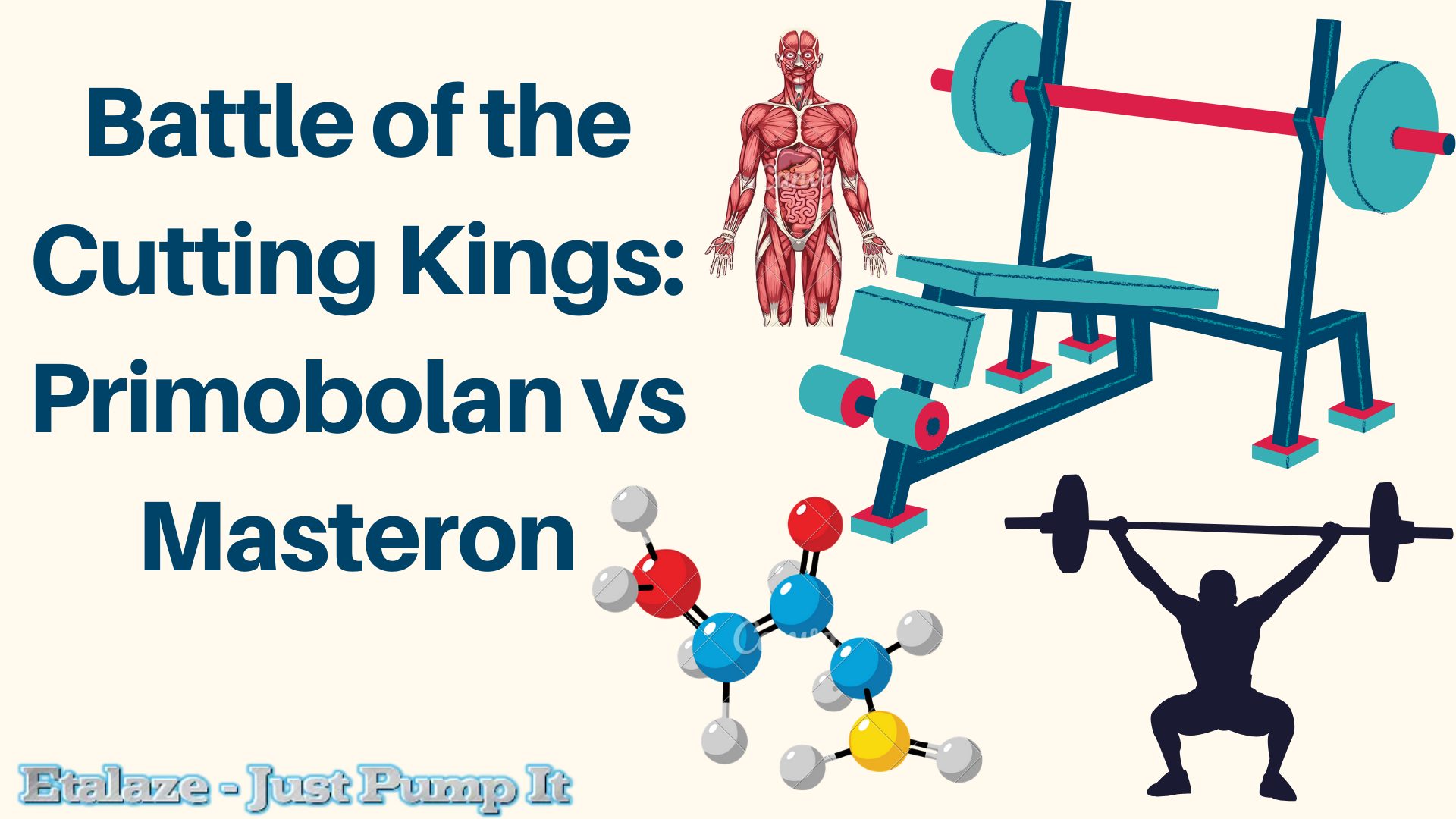
Cutting season is where physiques transform from impressive to unforgettable. It’s the phase that strips away the bulk, carves out definition, and reveals the kind of muscle detail that turns heads both in the gym and on stage. For athletes chasing that lean, shredded look, the choice of cutting injectables often becomes a decisive factor in how sharp the final result appears. Among the most talked‑about options, Primobolan and Masteron stand tall as two of the most respected names in the game.
Primobolan has built its reputation on being a steady, reliable ally for those who want to preserve muscle mass while trimming down. Its mild nature makes it appealing to athletes who value consistency and a cleaner profile. Masteron, by contrast, is known for its dramatic hardening effect — the kind that gives muscles a dense, granite‑like appearance and makes every vein and striation stand out under the lights.
Both injectables have earned legendary status, but they serve slightly different purposes depending on the athlete’s goals. Primobolan is often favored during longer contest preps where endurance and lean preservation matter most. Masteron shines when the finishing touches are needed, delivering that sharp, aesthetic edge that can make the difference between a good physique and a winning one.
This showdown — Battle of the Cutting Kings: Primobolan vs Masteron — explores the strengths, limitations, and unique appeal of each compound. From their benefits and risks to their role in different cutting strategies, we’ll break down what sets them apart and where each truly excels. Whether you’re a competitive bodybuilder fine‑tuning your stage look or a fitness enthusiast curious about the legends behind the shredded aesthetic, this comparison will help you understand which “king” might rule your cutting cycle.
Primobolan: Profile & Cutting Benefits
Chemical Profile
Scientific name: Methenolone
Origin: Derived from dihydrotestosterone (DHT)
Forms: Available as oral tablets and injectable (Primobolan Depot)
Unique trait: Does not convert to estrogen, reducing risks like gynecomastia or water retention
Key Cutting Benefits
Muscle Preservation: Primobolan is valued for helping athletes maintain lean muscle mass while in a calorie deficit. This makes it especially useful during contest prep or aggressive fat‑loss phases.
Minimal Water Retention: Unlike many anabolic steroids, Primobolan does not cause bloating. This results in a cleaner, harder look, ideal for cutting cycles.
Fat Reduction Support: By enhancing nitrogen retention and protein synthesis, Primobolan helps the body burn fat more efficiently while protecting muscle tissue.
Mild Androgenic Effects: Its relatively low androgenic profile makes it more tolerable for many users, including women, compared to harsher compounds.
Steady, Quality Gains: While not known for dramatic bulking, Primobolan delivers slow, sustainable improvements in muscle density and definition.
Related Article: A Comparison Between SERMs and AIs for Estrogen Management
Risks & Considerations
Lower anabolic potency compared to stronger injectables, meaning results are subtler.
Potential side effects include hair loss (due to DHT base), liver strain (oral form), and suppression of natural testosterone.
Cost and availability can be limiting factors, as Primobolan is often more expensive than other steroids
Bottom Line
Primobolan is best suited for athletes who prioritize muscle preservation, a lean aesthetic, and minimal side effects during cutting. It may not deliver the dramatic hardening effect of Masteron, but its clean profile and reliability make it a trusted choice for long contest preps or those seeking a safer cutting injectable.
Masteron: Profile & Cutting Benefits
Chemical Profile
Scientific name: Drostanolone
Origin: A derivative of dihydrotestosterone (DHT)
Forms: Commonly available as Masteron Propionate and Masteron Enanthate
Unique trait: Known for its anti‑estrogenic properties, sometimes even used medically in the past for breast cancer treatment
Key Cutting Benefits
Muscle Hardening Effect: Masteron is famous for giving muscles a dense, granite‑like appearance, making veins and striations stand out. This makes it a favorite in the final weeks before competition.
No Water Retention: Because it doesn’t aromatize into estrogen, Masteron helps athletes achieve a dry, crisp look, perfect for stage presentation.
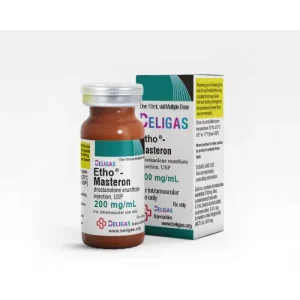
Buy Etho-Masteron by Beligas Pharmaceuticals
Synergy with Other Compounds: Often stacked with other cutting steroids, Masteron enhances the overall aesthetic impact of a cycle, amplifying definition and vascularity.
Fat Loss Support: While not a direct fat burner, its androgenic nature can help improve metabolic activity, assisting in fat reduction during calorie deficits.
Performance Edge: Some users report increased strength and endurance, which can be beneficial during intense training phases leading up to competition.
Risks & Considerations
Androgenic side effects such as hair loss, acne, or aggression may occur due to its DHT base.
Limited anabolic strength compared to bulking steroids — it’s not designed for mass gain.
Best results are seen in individuals with already low body fat; otherwise, its hardening effect is less noticeable.
Legal and health risks remain significant, as with all anabolic steroids.
Bottom line: Masteron is the go‑to injectable for athletes seeking a sharp, stage‑ready physique. Its ability to harden muscles and eliminate water retention makes it a powerful finishing tool in cutting cycles, especially when paired with other compounds.
Comparative Analysis: Primobolan vs Masteron
When it comes to cutting injectables, Primobolan and Masteron are often viewed as the crown jewels of contest preparation. Both are derived from dihydrotestosterone (DHT), both are non‑aromatizing, and both deliver that lean, aesthetic look athletes crave. Yet, their impact in a cutting cycle is far from identical. Primobolan is often praised for its ability to preserve lean muscle mass during calorie deficits, making it a steady companion for longer preps. Masteron, by contrast, is the sharper tool in the kit — delivering a dramatic hardening effect that makes muscles look dense, dry, and stage‑ready.
The choice between the two depends on what the athlete values most: sustainability versus sharpness, subtlety versus intensity, affordability versus availability. Primobolan tends to be more expensive and harder to source, but it offers a cleaner side‑effect profile and is even considered tolerable for women. Masteron, while more accessible, is best suited for those already at low body fat, as its hardening effect shines only when the physique is nearly stage‑ready.
Below is a comprehensive comparison to highlight how each injectable stacks up across the most important dimensions: effectiveness, aesthetics, cost, and side‑effect risks.
| Aspect | Primobolan | Masteron |
| Effectiveness in Cutting Cycles | Excellent for muscle preservation during calorie deficit; steady, subtle results | Exceptional for final stage prep; delivers dramatic hardening and vascularity |
| Strength vs Aesthetics | Focuses on lean muscle retention and clean definition | Prioritizes aesthetics with dense, granite‑like muscle look |
| Cost & Availability | Expensive, limited availability; often harder to source | Generally more affordable and accessible |
| Side Effect Profile | Mild androgenic effects; minimal estrogenic risks; safer for women | Stronger androgenic risks (hair loss, acne); no estrogenic issues but harsher overall |
| Best Use Case | Longer contest prep, athletes seeking sustainable lean gains | Final weeks before competition, athletes already at low body fat |
What Makes Primobolan and Masteron Good Cutting Injectables
Primobolan and Masteron may differ in their specific strengths, but they share a number of fundamental qualities that make them both highly respected in bodybuilding circles as cutting injectables. At their core, both compounds are DHT‑derived anabolic steroids, meaning they originate from dihydrotestosterone. This foundation gives them a unique profile compared to other anabolic agents, particularly in terms of their non‑aromatizing properties and their ability to deliver a lean, dry physique.
Read More: Anadrol Cycle, Benefits, Dosages and Alternatives
One of the most important similarities is that neither Primobolan nor Masteron aromatizes into estrogen. This eliminates the risk of estrogenic side effects such as water retention, bloating, or gynecomastia. For bodybuilders, this translates into a cleaner, sharper look — exactly what’s needed during cutting phases or contest preparation.
Both compounds also excel at promoting a lean, dry aesthetic. While Primobolan is more subtle in its approach, focusing on muscle preservation during calorie deficits, and Masteron is more aggressive with its hardening effect, the end result is similar: a physique that looks tighter, more defined, and competition‑ready.
Another shared trait is their compatibility with stacking. Athletes often combine Primobolan or Masteron with other anabolic steroids to enhance cutting cycles. In both cases, they act as complementary agents that refine the physique without adding unnecessary bulk or water weight.
Finally, both injectables are best utilized by athletes who already maintain disciplined nutrition and training. Neither is a “magic bullet” for fat loss, but when paired with a strict regimen, they amplify the visual impact of cutting by preserving muscle and enhancing definition.
In short, Primobolan and Masteron stand side by side as non‑aromatizing, DHT‑derived steroids that deliver lean, dry physiques — making them staples in the arsenal of bodybuilders aiming for peak conditioning.
Who Should Consider Each?
1. Professional Bodybuilders (Pros)
Primobolan
- Best for long contest preps where lean muscle preservation is critical.
- Often stacked with stronger compounds to maintain fullness while cutting.
- Its mild nature makes it a reliable base for extended cycles.
Masteron
- Ideal for the final 6–8 weeks before stepping on stage.
- Provides the dramatic hardening effect pros need under competition lighting.
- Commonly combined with other cutting agents for maximum vascularity and definition.
Note: Pros benefit from using Primobolan early in prep and Masteron closer to competition for peak aesthetics.

2. Intermediate Bodybuilders
Primobolan
- A safer choice for those with some cycle experience but not ready for harsher compounds.
- Helps maintain lean gains while cutting without overwhelming side effects.
- Works well in moderate‑length cycles (8–12 weeks).
Masteron
- Effective if body fat is already low, but less impactful if conditioning isn’t advanced.
- Can be introduced in shorter cycles (6–8 weeks) to sharpen definition.
- Best used in combination with a clean diet and cardio regimen.
Note: Intermediates may lean toward Primobolan for steady progress, adding Masteron selectively when conditioning is strong.
3. Amateur / Recreational Lifters
Primobolan
- More forgiving, with a lower risk profile compared to harsher steroids.
- Suitable for those seeking leaner physiques without extreme competition goals.
- Often chosen by women due to its mild androgenic nature.
Masteron
- Generally less recommended for amateurs unless body fat is already very low.
- Its hardening effect won’t show unless conditioning is advanced.
- Side effects may outweigh benefits for casual lifters.
Note: Amateurs are better suited to Primobolan, while Masteron is best reserved for advanced conditioning or competitive ambitions.
Gender Considerations
Primobolan: Safer option for women due to its mild androgenic profile.
Masteron: Higher risk of virilization; generally avoided by female athletes.
Cycle Length & Stacking Options
Primobolan: Longer cycles (10–12 weeks), often stacked with testosterone or mild anabolic agents.
Masteron: Shorter cycles (6–8 weeks), stacked with stronger cutting compounds for stage prep.
Stacking
For pros, stacking is less about experimentation and more about precision. Every compound is chosen to complement the physique’s transformation during contest prep, and both Primobolan and Masteron play strategic roles in advanced cutting stacks.
Primobolan is often introduced early in a cycle, typically running for 10–12 weeks. Its mild anabolic nature makes it ideal for preserving lean muscle mass while athletes push into calorie deficits. Pros frequently stack Primobolan with a base of testosterone to maintain hormonal balance, and sometimes with compounds like Trenbolone or Anavar to enhance fat loss and muscle density. The goal is steady conditioning without sacrificing muscle fullness.
Masteron, by contrast, is usually reserved for the final 6–8 weeks before competition. Its powerful hardening effect is most visible when body fat is already low, making it the perfect finishing touch. Pros often stack Masteron with testosterone propionate and other short‑ester compounds to maximize vascularity and definition in the lead‑up to stage day. It’s also valued for its anti‑estrogenic properties, which help keep the physique dry and crisp under competition lighting.
When combined, Primobolan and Masteron create a synergistic stack: Primobolan maintains lean tissue throughout prep, while Masteron sharpens the physique in the final stretch. Together, they deliver a balanced approach — steady preservation followed by dramatic hardening — that aligns perfectly with the demands of professional bodybuilding.
Alternative Injectables
While Primobolan and Masteron often come on top as the kings of cutting cycles, they are not the only options available to bodybuilders seeking a lean, dry physique. Several other injectable steroids share similar qualities — being non‑aromatizing, DHT‑derived, or otherwise supportive of fat loss and muscle preservation. These alternatives are frequently chosen to complement or substitute Primobolan and Masteron depending on availability, cost, or individual tolerance. Each offers unique benefits, from muscle hardening to vascularity enhancement, making them valuable tools in the arsenal of athletes striving for peak conditioning during contest prep.
Trenbolone
Tren is one of the most powerful anabolic steroids used in cutting phases. It enhances nitrogen retention and protein synthesis, leading to significant muscle preservation even in calorie deficits. Its strong fat‑burning properties make it a favorite among professionals aiming for extreme conditioning. However, Trenbolone is also notorious for harsh side effects, including cardiovascular strain and night sweats, so it’s typically reserved for advanced athletes who can manage its intensity.

Winstrol (Stanozolol)
Winstrol is widely recognized for its ability to produce a dry, vascular look. It reduces water retention and enhances muscle hardness, making it a popular choice in the final weeks before competition. Injectable Winstrol is often favored over oral forms due to reduced liver toxicity. While effective, it can cause joint discomfort and negatively impact cholesterol levels, so it’s best suited for short‑term use in well‑conditioned athletes.
Equipoise (Boldenone Undecylenate)
Equipoise is valued for its versatility in both bulking and cutting cycles. During cutting, it helps maintain lean muscle mass while promoting steady strength gains. Its mild anabolic profile makes it more tolerable than harsher steroids, though it can increase appetite — a double‑edged sword during calorie restriction. Equipoise is often stacked with other cutting agents to balance endurance and aesthetics.
Testosterone Propionate
This short‑ester testosterone is commonly used in cutting cycles due to its ability to maintain hormonal balance without excessive water retention. Its fast‑acting nature allows athletes to fine‑tune dosages leading up to competition. While testosterone itself isn’t a cutting steroid, using the propionate ester helps bodybuilders stay leaner compared to longer esters, making it a staple in many advanced stacks.
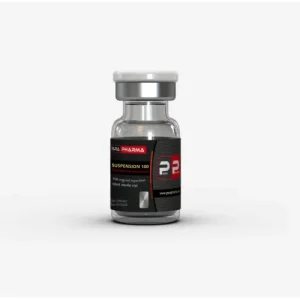
Check Out Testosterone Suspension 100 By Para Pharma
Anavar (Oxandrolone)
Though often taken orally, Anavar also exists in injectable form. It’s prized for its mild nature and ability to enhance strength and lean muscle retention without significant side effects. Anavar promotes a clean, aesthetic look and is considered one of the safer options for both men and women. Its relatively low androgenic profile makes it appealing for athletes seeking gradual, sustainable improvements during cutting.
Halotestin (Fluoxymesterone)
Halotestin is a potent steroid known for its dramatic impact on strength and aggression, often used by athletes in the final stages of prep. While not a mass builder, it delivers a hard, dense look that complements extreme conditioning. Its toxicity and harsh side effects limit its use to short cycles, but for professionals aiming for peak stage presence, Halotestin can provide a noticeable finishing edge.
Must Read: Best Syringes for Steroid Injection
Overall
Cutting injectables remain a cornerstone of bodybuilding, helping athletes achieve lean, defined physiques while preserving hard‑earned muscle. Among the most respected options, Primobolan and Masteron stand out as the “cutting kings.” Both are DHT‑derived anabolic steroids with non‑aromatizing properties, meaning they avoid estrogenic side effects like water retention or gynecomastia. This makes them ideal for producing the dry, crisp look that competitors demand on stage.
Primobolan is renowned for its muscle‑preserving qualities during calorie deficits, offering steady, sustainable conditioning over longer cycles. Its mild nature and relatively clean side‑effect profile make it suitable for both men and women, though its high cost and limited availability can be drawbacks. Masteron, by contrast, is celebrated for its dramatic hardening effect, giving muscles a dense, granite‑like appearance. It shines in the final weeks of contest prep, especially when body fat is already low, though its stronger androgenic side effects limit its use for some athletes.
Both injectables share similarities: they promote lean, dry physiques, complement stacking strategies, and reward disciplined training and nutrition. Alternatives such as Trenbolone, Winstrol, Equipoise, Testosterone Propionate, Anavar, and Halotestin also play roles in cutting cycles, but Primobolan and Masteron remain the benchmarks.
Our Verdict: For long‑term muscle preservation and a safer profile, Primobolan is the superior choice. For stage‑ready aesthetics and dramatic hardening, Masteron takes the crown. Ultimately, the “best” injectable depends on the athlete’s goals — but in the battle of cutting kings, Masteron edges ahead as the ultimate finishing tool for professional bodybuilders.
Hormonal balance is a bodybuilder's cornerstone, particularly when PEDs are introduced at supraphysiological levels. Testosterone Cypionate and Primobolan are often combined for muscle growth, strength, and physique refinement. Yet, beyond the anabolic benefits, these compounds exert complex influences on estrogen metabolism—specifically estradiol (E2), a hormone essential for joint health, mood stability, and cardiovascular function. While excessive estrogen can lead to water retention and gynecomastia, insufficient levels may compromise recovery, bone density, and overall well-being. This article explores the question: Is estradiol too low when using high-dose testosterone alongside Primobolan? By examining the physiological mechanisms, potential risks, and evidence-based strategies, we aim to provide insights that encourage informed decision-making. The goal is not to glorify extreme dosing, but to highlight the importance of monitoring, moderation, and health-first practices in bodybuilding.
Check Out 1-Test Cyp 100 by Nakon Medical
A Sneak Peek Into Estradiol
Estradiol (E2), the primary form of estrogen in men, is often misunderstood. While testosterone is celebrated as the driver of muscle growth and strength, estradiol plays a crucial supporting role in maintaining overall health and performance. Produced through the aromatization of testosterone, estradiol contributes to bone density, joint lubrication, cardiovascular protection, and even neurological stability. For athletes pushing their bodies with high-dose anabolic protocols, overlooking estradiol can lead to unintended consequences.
Related Article: Anadrol Cycle Benefits, Doses, Alternatives, etc.
Estradiol is sometimes viewed solely as a hormone to suppress, due to its association with water retention, gynecomastia, and bloating. However, excessively low levels can be just as problematic. Symptoms such as joint pain, decreased libido, mood swings, and impaired recovery often emerge when estradiol is suppressed below physiological norms. This balance is particularly delicate in cycles involving compounds like Testosterone Cypionate, which aromatizes readily, and Primobolan, which does not. The combination can skew estrogen regulation, raising questions about whether estradiol levels are being driven too low.
Understanding estradiol’s role requires moving beyond the simplistic “high is bad” mindset. Instead, responsible bodybuilding emphasizes monitoring through bloodwork, recognizing symptoms, and appreciating estradiol’s protective functions. By acknowledging its importance, athletes can better safeguard long-term health while still pursuing physique goals. Estradiol, far from being the enemy, is a vital component of hormonal harmony that supports sustainable progress in bodybuilding.
High-Dose Protocols: Benefits vs. Risks
Combining large amounts of Testosterone Cypionate with moderate Primobolan—remains a controversial practice. Athletes often pursue these regimens to maximize muscle growth, strength, and physique refinement, yet the physiological trade-offs are significant. While supraphysiological dosing can accelerate progress, it also amplifies the risk of hormonal imbalance, cardiovascular strain, and long-term health consequences. Responsible bodybuilding requires weighing the potential benefits against the risks, recognizing that short-term gains may come at the expense of sustainability. Understanding this balance is essential for athletes who aim to optimize performance without compromising their well-being.
| Aspects | Benefits | Potential Risks |
| Muscle Growth | Rapid hypertrophy due to elevated anabolic environment | Increased risk of tendon stress and disproportionate growth |
| Strength Gains | Enhanced power output and training intensity | Greater strain on joints and connective tissue |
| Physique Refinement | Reduced fat mass and improved muscle definition | Possible hormonal imbalance, including suppressed estradiol |
| Recovery | Faster recovery between sessions | Long-term suppression of natural testosterone production |
| Confidence & Motivation | Psychological boost from visible progress | Mood swings, irritability, or depressive symptoms if hormones destabilize |
| Performance Longevity | Short-term peak performance | Elevated cardiovascular risk, liver strain, and potential fertility issues |
Our Recommended Dosages
We frames dosage as a balancing act—not just numbers, but how they translate into health, recovery, and sustainable progress.
Primobolan (Primo) appears to act as a strong aromatase inhibitor (AI) for some individuals, effectively lowering estradiol (E2) levels. At 150mg Primo alongside high-dose Testosterone Cypionate, bloodwork shows free testosterone at 1737 with E2 at 28. While these numbers may feel subjectively “good,” they highlight the delicate interplay between anabolic dosing and estrogen regulation.
See Why A Newbie Needs Electrolytes Like Salt Before, During, and After Training
Six weeks earlier, with a more moderate testosterone dose (200mg/week), free testosterone measured 1200 and E2 was 40—suggesting that higher Primo intake may be suppressing aromatization more aggressively. The question then becomes: should dosages be adjusted to allow estradiol to rise slightly, or is maintaining current levels acceptable given the absence of negative symptoms? Responsible bodybuilding emphasizes individualized responses, careful monitoring, and prioritizing long-term health over chasing trends in “higher E2” preferences.
| Compound | Current Dosage | Observed Effect | Consideration |
| Testosterone Cypionate | 1300mg/week | Free test at 1737 | High anabolic drive; monitor cardiovascular strain |
| Primobolan | 150mg/week | E2 reduced to 28 | Acts as AI; may suppress estradiol too much |
| Estradiol (E2) | 28 (current) vs. 40 (prior) | Lower than baseline | Evaluate symptoms; consider adjusting Primo or supporting E2 |
Overall
Pursuing enhanced performance through anabolic protocols is always a balancing act between progress and health. High doses of testosterone combined with compounds like Primobolan can deliver visible gains, but they also reshape the hormonal landscape in ways that demand careful attention. Estradiol, often overlooked or misunderstood, plays a vital role in maintaining joint integrity, cardiovascular resilience, mood stability, and recovery capacity. Allowing it to drop too low may undermine the very goals athletes are striving for.
The key takeaway is that success should not be measured only by strength or aesthetics, but by how well overall health is preserved along the way. Regular bloodwork, awareness of physical and emotional cues, and a willingness to adjust protocols are essential for sustainable progress. By respecting the role of estradiol and striving for balance rather than extremes, athletes can achieve results that are not only impressive in the short term but also supportive of long‑term well‑being.
Among fitness enthusiasts and bodybuilders alike, one of the most enduring debates centers on whether full-body workouts or split routines deliver the greatest results. For years, the traditional “bro split” — dedicating each day to a single muscle group — has dominated gym culture, promising targeted growth and aesthetic appeal. Yet, as training science and practical experience continue to evolve, full-body workouts have risen as a powerful alternative that challenges this long‑standing convention.
A full-body workout engages all major muscle groups in a single session, typically performed three to four times per week. This style of training emphasizes compound movements such as squats, deadlifts, presses, and rows, which maximize efficiency while stimulating greater hormonal responses and functional strength. Unlike split routines, which often demand five or more days in the gym, full-body training delivers comparable — and often superior — results in less time, making it especially appealing for athletes, professionals, and anyone balancing fitness with a busy lifestyle.
Beyond efficiency, full-body workouts encourage balanced muscular development and reduce the risk of neglecting smaller muscle groups. They also enhance recovery by distributing workload more evenly across the week, while maintaining higher training frequency for each muscle. Research has shown that stimulating muscles multiple times per week can lead to greater hypertrophy compared to once‑a‑week splits, reinforcing the scientific case for this method.
Ultimately, full-body training is not just about saving time; it’s about maximizing results. By prioritizing strength, balance, and sustainability, this approach proves that sometimes less really is more.
Bro Splits
Bro splits, often called “body part splits,” are one of the most popular training styles in bodybuilding. In this approach, each workout session is dedicated to a single muscle group or a pair of related muscles. For example, Monday might be chest day, Tuesday back day, Wednesday legs, Thursday shoulders, and Friday arms. This allows lifters to focus intensely on one area, performing multiple exercises and high volume for that specific muscle.
The appeal of bro splits lies in their specialization. By isolating muscles, trainees can push them to fatigue with targeted exercises, which can be beneficial for advanced bodybuilders seeking aesthetic symmetry and maximum hypertrophy. It also provides psychological satisfaction — the pump and soreness in a specific muscle group can feel rewarding.

However, bro splits often require five or more gym sessions per week, making them time-consuming and less practical for those with busy schedules. They also limit training frequency for each muscle to once per week, which may not align with research suggesting muscles benefit from being stimulated multiple times weekly. While effective for seasoned lifters, bro splits can be inefficient for beginners or those seeking overall strength and balanced development.
Related Article: Tiny Doses, Big Impact: The PED Revolution
Full-Body Training
Full-body training takes a different approach by targeting all major muscle groups in a single workout session. Typically performed three to four times per week, these workouts emphasize compound movements such as squats, deadlifts, bench presses, pull-ups, and overhead presses. Each session delivers a balanced stimulus across the body, ensuring no muscle group is neglected.
The strength of full-body training lies in its efficiency. By working multiple muscles at once, trainees maximize calorie expenditure, hormonal response, and functional strength. This style also increases training frequency for each muscle group — instead of hitting chest once a week, it might be trained three times, leading to greater hypertrophy and strength gains over time. For beginners, athletes, and busy professionals, this method offers a sustainable way to build muscle without living in the gym.
Another advantage is recovery. Because workload is spread across sessions, muscles receive consistent stimulation without excessive fatigue. Full-body training also fosters balanced development, reducing the risk of overemphasizing certain areas while neglecting others. While it may lack the extreme specialization of bro splits, full-body workouts deliver superior overall results for most lifters, proving that training smarter often beats training longer.
Benefits of Full-Body Workouts
Greater Training Frequency – Each muscle group is worked multiple times per week, leading to more consistent stimulation and growth.
Time Efficiency – Fewer gym sessions are needed (3–4 per week vs. 5–6 for splits), making it easier to fit into busy schedules.
Balanced Muscle Development – Ensures no muscle group is neglected, reducing imbalances common in split routines.
Improved Recovery – Workload is spread across sessions, preventing excessive fatigue in one muscle group.
Higher Calorie Burn – Compound lifts involving multiple muscles increase energy expenditure, aiding fat loss.
Functional Strength Gains – Focus on compound movements builds strength that translates better to real-life activities.
Hormonal Advantage – Large, multi-joint exercises trigger stronger anabolic responses (testosterone, growth hormone).
Flexibility & Consistency – Missing a workout doesn’t derail progress since each session covers the whole body.
Beginner-Friendly – Simpler structure helps newcomers learn proper technique and progress faster.
Sustainability – Easier to maintain long-term, reducing burnout compared to high-volume split routines.
Supplement Alternatives to Bro-Splits
Instead of relying on bro splits, athletes can support full-body training with dietary strategies and supplements that enhance recovery, muscle growth, and overall performance. The focus shifts from isolating muscles to fueling the entire body consistently.
Check: Top Fitness Games to Play in 2026
Protein Supplements
- Whey Protein: Fast-digesting, ideal post-workout for muscle repair.
- Casein Protein: Slow-digesting, supports overnight recovery.
- Plant-Based Protein: Pea, rice, or soy protein for those avoiding dairy.
Creatine Monohydrate
- Boosts strength and power output.
- Supports repeated high-intensity efforts across compound lifts.
Branched-Chain Amino Acids (BCAAs)
- Helps reduce muscle soreness.
- Supports recovery when training multiple muscle groups in one session.
Essential Amino Acids (EAAs)
- More complete than BCAAs, ensuring protein synthesis is maximized.
Beta-Alanine
- Delays muscle fatigue by buffering lactic acid.
- Useful for longer full-body sessions with compound lifts.
Omega-3 Fatty Acids
- Anti-inflammatory properties aid recovery.
- Supports joint health under heavy compound training.
Multivitamins & Minerals
- Covers nutritional gaps.
- Important for energy metabolism and muscle function.
Carbohydrate Supplements
- Dextrose or maltodextrin for quick glycogen replenishment post-workout.
- Helps sustain energy during demanding full-body sessions.
Caffeine
- Enhances focus and endurance.
- Useful for maintaining intensity across longer workouts.
Hydration & Electrolytes
- Sodium, potassium, magnesium to prevent cramps.
- Critical for full-body routines that tax multiple systems at once.
Must Read: Comparing Muscle Hardness and Size
Overall
The debate between full-body workouts and split routines has long shaped the way athletes and bodybuilders approach their training. While bro splits offer targeted intensity and aesthetic appeal, full-body training demonstrates clear advantages in efficiency, balance, and long-term sustainability. By engaging all major muscle groups in each session, lifters maximize their time in the gym, stimulate greater hormonal responses, and build functional strength that extends beyond appearance.
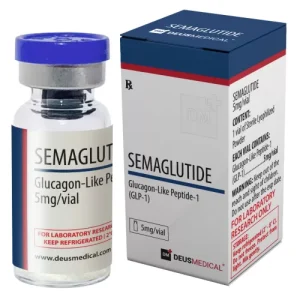
Buy Semaglutide by Deus Medical
Research consistently shows that muscles benefit from being trained multiple times per week, a principle that full-body workouts naturally embrace. This higher frequency not only accelerates hypertrophy but also fosters improved recovery and reduces the risk of overtraining specific muscle groups. For beginners, athletes, and busy professionals, the simplicity and practicality of full-body routines make them an accessible yet powerful option. Even seasoned lifters can benefit from incorporating full-body sessions to break plateaus and restore balance.
Ultimately, the choice of training style should align with individual goals, but the evidence is clear: full-body workouts provide a comprehensive, efficient, and effective path to strength and muscle growth. By prioritizing smart training over sheer volume, lifters can achieve lasting results and prove that sometimes, less truly is more.


Battle of the Cutting Kings: Primobolan vs Masteron

Too Low Estradiol? Insights from High-Dose Testosterone and Primobolan Use

From Cholesterol to Cortisol: The Molecular Story of Steroids

One Workout to Rule Them All: Full-Body Training Over Splits

Fueling Energy from Within: How to Build Stronger Mitochondria Through Training

Is Training/Lifting Barefoot A Good Idea? Find Out

Using Insulin Needles to Inject AAS: Pros and Cons

Is NAD+ The Best Anti-aging Molecule for Men Over 40?

Estrogen Management: SERMs and AIs Compared

The Testosterone Trap: Why Bigger Levels Don’t Guarantee Bigger Muscles

Sodium, Potassium, and Pump: The Science Behind Electrolytes Balance in Bodybuilding
Estrogen Management: SERMs and AIs Compared
Using Insulin Needles to Inject AAS: Pros and Cons
The Testosterone Trap: Why Bigger Levels Don’t Guarantee Bigger Muscles
Is NAD+ The Best Anti-aging Molecule for Men Over 40?
Is Training/Lifting Barefoot A Good Idea? Find Out
Fueling Energy from Within: How to Build Stronger Mitochondria Through Training
One Workout to Rule Them All: Full-Body Training Over Splits
From Cholesterol to Cortisol: The Molecular Story of Steroids
Too Low Estradiol? Insights from High-Dose Testosterone and Primobolan Use
Sodium, Potassium, and Pump: The Science Behind Electrolytes Balance in Bodybuilding
Estrogen Management: SERMs and AIs Compared
Using Insulin Needles to Inject AAS: Pros and Cons
The Testosterone Trap: Why Bigger Levels Don’t Guarantee Bigger Muscles
Is NAD+ The Best Anti-aging Molecule for Men Over 40?
Is Training/Lifting Barefoot A Good Idea? Find Out
Fueling Energy from Within: How to Build Stronger Mitochondria Through Training
One Workout to Rule Them All: Full-Body Training Over Splits
From Cholesterol to Cortisol: The Molecular Story of Steroids
Too Low Estradiol? Insights from High-Dose Testosterone and Primobolan Use
-
 Bodybuilding Products2 years ago
Telmisartan In Bodybuilding: An Expert’s Advice
-
 Steroids2 years ago
Anadrol Cycle: Benefits, Doses, Alternatives, etc.
-

 Anabolic Steroids2 years ago
Joint Stiffness: How to Manage It While on AAS
-

 Bodybuilding1 year ago
Primal Movements: Our Ultimate Guide for Maximum Results
-
 Bodybuilding1 year ago
How Effective is Bone Broth for Recovery?
-
 Steroids1 year ago
Bodybuilder Winter Clothing: Staying Warm and Stylish
-
 Steroids2 years ago
Omnitope (Oxytocin)
-
 Bodybuilding2 years ago
How Much Is Too Much Cardio? Understanding Heart Rate Zones
-
 Steroids1 year ago
Sleeping Positions for Effective Muscle Recovery
-
 Steroids1 year ago
Ostarine For Beginners: The Ultimate Guide
-
 Bodybuilding1 year ago
2nd Edition of Natural Bodybuilding Competition Facts
-
 Bodybuilding1 year ago
Are Nootropics a Better Option to AAS?
-

 Bodybuilding1 year ago
Top Video Games for Bodybuilders in 2025
-
 Steroids11 months ago
Raloxifene (Evista) 101: A Non-Surgical Solution for Gyno
-
 Bodybuilding2 years ago
Demystifying Hypertrophy Training
-
 Steroids1 year ago
Tips on How to Store Peptides and HGH
-
 Steroids12 months ago
Why Post-Cycle Therapy (PCT) Fails After a Nandrolone Cycle
-

 Beginners1 year ago
14 Morning Run Safety Tips for Bodybuilding and Fitness
-
 Steroids11 months ago
Creatine vs Myostatin: An Expert’s Analysis
-
 Steroids1 year ago
Glutathione – The Most Underrated Antioxidant
-
 Bodybuilding2 years ago
List of FDA-Approved Peptides
-

 Product Reviews2 years ago
Top Vitamins for Skin Health
-
 Anabolic Steroids2 years ago
How Much Do You Know About B-AET? A Fat Burner You’ve Been Missing
-
 Bodybuilding2 years ago
Hormone Replacement Therapy (TRT) Cycle Guide
-

 Anabolic Steroids2 years ago
Anavar Cycle for Men and Women