
Anabolic Steroids
Substitutes of Anabolic Steroids

Are there any products that can replace anabolic steroids? In order to answer this question, we have first to clarify the purpose of replacing anabolic steroids with something else. There can be three situations:
-the bodybuilder has decided to completely eliminate anabolic steroids from his sports diet.
Must Read: Bodybuilding Diet Myths
-the substitutes of anabolic steroids are needed in addition to the basic courses of steroid therapy or as a way to maintain the achieved results.
-the main purpose is completely abandoned of anabolic steroids use in the way to build muscle mass.
In this case, have to be mentioned that building strong muscle mass without steroids use is impossible. Numerous researchers have shown that there is not another group of drugs equal in power and versatility to anabolic steroids.
As you probably know anabolic steroids are synthetic analogs of the male sex hormones (androgens). Compared with androgens, they have a weaker and stronger hormonal anabolic action. The protein synthesizing action of anabolic effect steroids is manifested mainly in relation to the muscle tissue. Steroids are unique especially due to their impact on the genetic code of cells.

Man as a biological species is not gifted from nature with big muscle. The main reason is that they just do not need it and not consolidated in the course of evolution. Large muscles needed gorillas, orangutans and some other forms of apes and they really have those big muscles.
Some gorillas weigh under 300 kg or even more. Solid muscle mass is the dream of many people. The evolution of man, however, took a different way. In the struggle for survival defeated people more intelligent and therefore the process of natural selection, chose the path of increasing the proportion of the brain.
Every species with a brain has a very important characteristic, as the ratio of brain weight to body weight. This value is relatively constant and there is only a slight hesitation. The highest ratio of brain weight/body weight is, of course, specific to people. That's why we become the most highly organized species.
Now imagine that people try to change this situation and build large mass, contrary to all natural laws and all specific parameters for people. It is impossible, even in principle, because the body itself will, by all means, limit the gains that can suppress the brain. Fluctuations of the muscle mass are possible only within very narrow limits.
Human genes themselves have the role to limit the growth of muscle mass. This situation can be changed only if there will occur some modification of the genetic apparatus of the cell. There have to take place some mutations in order to get muscle mass increased. These changes are not the result of only congenital anomalies. They can occur in a healthy body in response to certain external influences.
The excess of male hormones-androgens- can cause some breakage of the genetic apparatus of the cell. People with severe hyperandrogenemia relatively easily increase muscle, but at the same time very often this increase is accompanied with the development of malignant tumors. So, it has been observed that the more muscle mass are, the shorter is the life. Many great athletes dying because of cancer, but not in all cases the sport is the main cause.
There are common causes of major sporting achievements and the early formation of tumors. And these causes are genetic abnormalities. In addition to mutations can occur other changes in the genetic apparatus of cells that can build up a relatively large mass of cells.
Imagine the muscle cell, which is exposed to the best training conditions. However, it gets vitamins and minerals etc. What if this happens? Optimum physical activity leads to a thickening of the muscle fiber by increasing the synthesis of contractile proteins, glycogen, etc., but it will be only a thickening to a certain extent, only as long as it allows the genetic apparatus of the cell, ie, opportunities that are inherent in its genes.
Remember that the gene is only one portion of the DNA molecule, which is coiled in the chromosomes of the cell nucleus. Each gene is responsible for a biochemical reaction in the body. And the expression of biochemical reactions depends not only on the presence of any gene but also on their number. The more genes, the stronger the reaction. The law of transformation of quantity into quality work here.
Let’s suppose muscle cell grown in length and thickness to a certain size only to the extent allowed its genetic. It would seem that the limit is reached. However, the fun is just beginning. If we continue to subject such a cell further to training, then a wonderful thing happens: a long DNA molecule undergoes longitudinal division, or, quite simply, bifurcates. Instead of a single DNA molecule appear two.
The cell is not divided (the muscle cells of the adult organism is not able to divide), but the mass of the nucleus of the cell is increased by increasing the mass of DNA and the doubling of genetic material. Now the cell can grow again. A set of genetic material, it allows it. So begins a further increase to as long as the possibilities of genetic apparatus of the cell will be exhausted again.
With further increase in load, there is again a longitudinal division of the DNA molecule, and once again the potential of the cells is doubled. Now that cell already has the potential to four times the original amount. And this is not the limit.
In the experiment is described in a 32-fold increase in the amount of starting genetic material (5-fold division). But this is only an experiment. In real life, everything is more complicated because of the many factors limiting the growth of reserve capacity of the cell.
Muscle growth is limited by the increase in reserves of the genetic apparatus of muscle cells. Even before receiving the experimental data on the possibility of doubling the DNA molecules in a single cell, speculated on possible changes in the genetic apparatus.
It has been observed that people who were initially fragile and managed to build up the muscles due to training alone, their children are already stronger than it would allow genetic factors alone. In other words, built muscles are inherited just for the reason that on the basis of muscle growth is the change in the genetic potential of the muscle cells.
A unique feature of anabolic steroids is their effect on the genetic apparatus of the cell. Like androgens, anabolic steroids penetrate into the cell nucleus and inhibit gene repressor protein synthesis. As a result of synthesis, cells begin to increase their protein mass.
In addition to the anabolic actions, anabolic steroids stimulate the processes of cell division, and in the case of muscle cells - the process of doubling the DNA molecules. That is why the action of anabolic steroids, it is extremely high in relation to the muscle tissue.
The ability of anabolic steroids to influence the genetic cells makes them unique class of pharmacological compounds. That’s why it can be said that for sure nowadays there are no other substitutes for them.
One of the disadvantages of many anabolic steroids is their androgenic activity.
An alternative to anabolic steroids could be HGH hormone. Growth hormone is produced by the pituitary gland. In case of the young body, it is responsible for growth and anabolism. In an adult is responsible only for anabolism process. Moreover, the anabolic effect of growth hormone is manifested mainly in relation to the muscles and bones.
Must Read: HGH and Testosterone Cycle and Dosages – PROs and CONs
Must Read: Dosing of HGH in Anabolic Steroid Cycles
The main problem with using growth hormone is that it causes diabetes for 40% of people who take in long courses. Treatment with HGH is very carefully handling: in small doses and short courses with tight control of blood sugar. If there are any indicators of the output of sugar in the blood limit of normal, treatment with growth hormone has to be immediately ceased.
Thus the diabetic effect of growth hormone is the main factor limiting its large use in building muscle mass. During the last years increasingly is used insulin. It is a glucose-lowering hormone secreted by the pancreas of man. Insulin has a powerful anabolic action, however, in contrast to anabolic steroids and growth hormone insulin use leads to the simultaneous rise of both muscle and fat tissue.
This is a very big disadvantage of insulin. Some athletes even gain fat than muscle growth. The difficulty presents itself and the use of insulin as because too much of its hypoglycemic action may develop hypoglycemic state, sometimes with loss of consciousness and the development of a coma.
Insulin doesn't cause addiction. Cycles of insulin treatment can be long with a sudden withdrawal of the drug. You do not risk the development of a recoil effect. In order to achieve the anabolic effects are used only short-acting insulin: human insulin, highly purified porcine insulin. It is not recommended the use of long-acting insulin for building muscle mass.
Must Read: Insulin Usage For Gaining Muscle Mass in Bodybuilding
Another product largely used for many years in bodybuilding is a gonadotropic hormone. This is a pituitary hormone that stimulates the growth and proliferation of germ cells, which leads to increased synthesis of androgens in men and estrogen in women. And in fact, in both cases developed anabolic effect by increasing the production of its own hormones.
And, after the abolition of HCG own sexual glands continue to produce increased amounts of androgens ( HCG is used to treat impotence in men.) In addition to hormonal anabolics, there are also non-hormonal which refer to the various classes of pharmacological compounds. Among vitamins with distinct anabolic effect hare: nicotinic acid, calcium pantothenate, carnitine.
Among neuroprotective drugs, the anabolic effect has Nootropil, Lantogam, Pikamilon. There is a whole group of herbal preparations with a light anabolic effect like adaptogens, plants with hypoglycemic activity. Also is recommended for the use of bee products palak and pollen containing vegetable androgens.
Crystalline amino acids that stimulate the release of growth hormone in the blood and insulin are also used as anabolic. Have to be mentioned that all non-hormonal anabolic agents by virtue of their actions cannot be compared with any hormones or with steroids, but their effect on the body is much softer, physiological.
As you see there are no substitutes for anabolic steroids that can have the main effect on muscle mass growth. Yes, there are other drugs, hormones or products that can for a little do the job of anabolic steroids but you will never manage to get big muscle mass only by using them.










Cutting season is where physiques transform from impressive to unforgettable. It’s the phase that strips away the bulk, carves out definition, and reveals the kind of muscle detail that turns heads both in the gym and on stage. For athletes chasing that lean, shredded look, the choice of cutting injectables often becomes a decisive factor in how sharp the final result appears. Among the most talked‑about options, Primobolan and Masteron stand tall as two of the most respected names in the game.
Primobolan has built its reputation on being a steady, reliable ally for those who want to preserve muscle mass while trimming down. Its mild nature makes it appealing to athletes who value consistency and a cleaner profile. Masteron, by contrast, is known for its dramatic hardening effect — the kind that gives muscles a dense, granite‑like appearance and makes every vein and striation stand out under the lights.
Both injectables have earned legendary status, but they serve slightly different purposes depending on the athlete’s goals. Primobolan is often favored during longer contest preps where endurance and lean preservation matter most. Masteron shines when the finishing touches are needed, delivering that sharp, aesthetic edge that can make the difference between a good physique and a winning one.
This showdown — Battle of the Cutting Kings: Primobolan vs Masteron — explores the strengths, limitations, and unique appeal of each compound. From their benefits and risks to their role in different cutting strategies, we’ll break down what sets them apart and where each truly excels. Whether you’re a competitive bodybuilder fine‑tuning your stage look or a fitness enthusiast curious about the legends behind the shredded aesthetic, this comparison will help you understand which “king” might rule your cutting cycle.
Primobolan: Profile & Cutting Benefits
Chemical Profile
Scientific name: Methenolone
Origin: Derived from dihydrotestosterone (DHT)
Forms: Available as oral tablets and injectable (Primobolan Depot)
Unique trait: Does not convert to estrogen, reducing risks like gynecomastia or water retention
Key Cutting Benefits
Muscle Preservation: Primobolan is valued for helping athletes maintain lean muscle mass while in a calorie deficit. This makes it especially useful during contest prep or aggressive fat‑loss phases.
Minimal Water Retention: Unlike many anabolic steroids, Primobolan does not cause bloating. This results in a cleaner, harder look, ideal for cutting cycles.
Fat Reduction Support: By enhancing nitrogen retention and protein synthesis, Primobolan helps the body burn fat more efficiently while protecting muscle tissue.
Mild Androgenic Effects: Its relatively low androgenic profile makes it more tolerable for many users, including women, compared to harsher compounds.
Steady, Quality Gains: While not known for dramatic bulking, Primobolan delivers slow, sustainable improvements in muscle density and definition.
Related Article: A Comparison Between SERMs and AIs for Estrogen Management
Risks & Considerations
Lower anabolic potency compared to stronger injectables, meaning results are subtler.
Potential side effects include hair loss (due to DHT base), liver strain (oral form), and suppression of natural testosterone.
Cost and availability can be limiting factors, as Primobolan is often more expensive than other steroids
Bottom Line
Primobolan is best suited for athletes who prioritize muscle preservation, a lean aesthetic, and minimal side effects during cutting. It may not deliver the dramatic hardening effect of Masteron, but its clean profile and reliability make it a trusted choice for long contest preps or those seeking a safer cutting injectable.
Masteron: Profile & Cutting Benefits
Chemical Profile
Scientific name: Drostanolone
Origin: A derivative of dihydrotestosterone (DHT)
Forms: Commonly available as Masteron Propionate and Masteron Enanthate
Unique trait: Known for its anti‑estrogenic properties, sometimes even used medically in the past for breast cancer treatment
Key Cutting Benefits
Muscle Hardening Effect: Masteron is famous for giving muscles a dense, granite‑like appearance, making veins and striations stand out. This makes it a favorite in the final weeks before competition.
No Water Retention: Because it doesn’t aromatize into estrogen, Masteron helps athletes achieve a dry, crisp look, perfect for stage presentation.
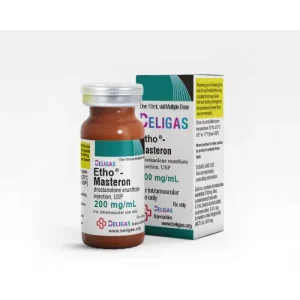
Buy Etho-Masteron by Beligas Pharmaceuticals
Synergy with Other Compounds: Often stacked with other cutting steroids, Masteron enhances the overall aesthetic impact of a cycle, amplifying definition and vascularity.
Fat Loss Support: While not a direct fat burner, its androgenic nature can help improve metabolic activity, assisting in fat reduction during calorie deficits.
Performance Edge: Some users report increased strength and endurance, which can be beneficial during intense training phases leading up to competition.
Risks & Considerations
Androgenic side effects such as hair loss, acne, or aggression may occur due to its DHT base.
Limited anabolic strength compared to bulking steroids — it’s not designed for mass gain.
Best results are seen in individuals with already low body fat; otherwise, its hardening effect is less noticeable.
Legal and health risks remain significant, as with all anabolic steroids.
Bottom line: Masteron is the go‑to injectable for athletes seeking a sharp, stage‑ready physique. Its ability to harden muscles and eliminate water retention makes it a powerful finishing tool in cutting cycles, especially when paired with other compounds.
Comparative Analysis: Primobolan vs Masteron
When it comes to cutting injectables, Primobolan and Masteron are often viewed as the crown jewels of contest preparation. Both are derived from dihydrotestosterone (DHT), both are non‑aromatizing, and both deliver that lean, aesthetic look athletes crave. Yet, their impact in a cutting cycle is far from identical. Primobolan is often praised for its ability to preserve lean muscle mass during calorie deficits, making it a steady companion for longer preps. Masteron, by contrast, is the sharper tool in the kit — delivering a dramatic hardening effect that makes muscles look dense, dry, and stage‑ready.
The choice between the two depends on what the athlete values most: sustainability versus sharpness, subtlety versus intensity, affordability versus availability. Primobolan tends to be more expensive and harder to source, but it offers a cleaner side‑effect profile and is even considered tolerable for women. Masteron, while more accessible, is best suited for those already at low body fat, as its hardening effect shines only when the physique is nearly stage‑ready.
Below is a comprehensive comparison to highlight how each injectable stacks up across the most important dimensions: effectiveness, aesthetics, cost, and side‑effect risks.
| Aspect | Primobolan | Masteron |
| Effectiveness in Cutting Cycles | Excellent for muscle preservation during calorie deficit; steady, subtle results | Exceptional for final stage prep; delivers dramatic hardening and vascularity |
| Strength vs Aesthetics | Focuses on lean muscle retention and clean definition | Prioritizes aesthetics with dense, granite‑like muscle look |
| Cost & Availability | Expensive, limited availability; often harder to source | Generally more affordable and accessible |
| Side Effect Profile | Mild androgenic effects; minimal estrogenic risks; safer for women | Stronger androgenic risks (hair loss, acne); no estrogenic issues but harsher overall |
| Best Use Case | Longer contest prep, athletes seeking sustainable lean gains | Final weeks before competition, athletes already at low body fat |
What Makes Primobolan and Masteron Good Cutting Injectables
Primobolan and Masteron may differ in their specific strengths, but they share a number of fundamental qualities that make them both highly respected in bodybuilding circles as cutting injectables. At their core, both compounds are DHT‑derived anabolic steroids, meaning they originate from dihydrotestosterone. This foundation gives them a unique profile compared to other anabolic agents, particularly in terms of their non‑aromatizing properties and their ability to deliver a lean, dry physique.
Read More: Anadrol Cycle, Benefits, Dosages and Alternatives
One of the most important similarities is that neither Primobolan nor Masteron aromatizes into estrogen. This eliminates the risk of estrogenic side effects such as water retention, bloating, or gynecomastia. For bodybuilders, this translates into a cleaner, sharper look — exactly what’s needed during cutting phases or contest preparation.
Both compounds also excel at promoting a lean, dry aesthetic. While Primobolan is more subtle in its approach, focusing on muscle preservation during calorie deficits, and Masteron is more aggressive with its hardening effect, the end result is similar: a physique that looks tighter, more defined, and competition‑ready.
Another shared trait is their compatibility with stacking. Athletes often combine Primobolan or Masteron with other anabolic steroids to enhance cutting cycles. In both cases, they act as complementary agents that refine the physique without adding unnecessary bulk or water weight.
Finally, both injectables are best utilized by athletes who already maintain disciplined nutrition and training. Neither is a “magic bullet” for fat loss, but when paired with a strict regimen, they amplify the visual impact of cutting by preserving muscle and enhancing definition.
In short, Primobolan and Masteron stand side by side as non‑aromatizing, DHT‑derived steroids that deliver lean, dry physiques — making them staples in the arsenal of bodybuilders aiming for peak conditioning.
Who Should Consider Each?
1. Professional Bodybuilders (Pros)
Primobolan
- Best for long contest preps where lean muscle preservation is critical.
- Often stacked with stronger compounds to maintain fullness while cutting.
- Its mild nature makes it a reliable base for extended cycles.
Masteron
- Ideal for the final 6–8 weeks before stepping on stage.
- Provides the dramatic hardening effect pros need under competition lighting.
- Commonly combined with other cutting agents for maximum vascularity and definition.
Note: Pros benefit from using Primobolan early in prep and Masteron closer to competition for peak aesthetics.

2. Intermediate Bodybuilders
Primobolan
- A safer choice for those with some cycle experience but not ready for harsher compounds.
- Helps maintain lean gains while cutting without overwhelming side effects.
- Works well in moderate‑length cycles (8–12 weeks).
Masteron
- Effective if body fat is already low, but less impactful if conditioning isn’t advanced.
- Can be introduced in shorter cycles (6–8 weeks) to sharpen definition.
- Best used in combination with a clean diet and cardio regimen.
Note: Intermediates may lean toward Primobolan for steady progress, adding Masteron selectively when conditioning is strong.
3. Amateur / Recreational Lifters
Primobolan
- More forgiving, with a lower risk profile compared to harsher steroids.
- Suitable for those seeking leaner physiques without extreme competition goals.
- Often chosen by women due to its mild androgenic nature.
Masteron
- Generally less recommended for amateurs unless body fat is already very low.
- Its hardening effect won’t show unless conditioning is advanced.
- Side effects may outweigh benefits for casual lifters.
Note: Amateurs are better suited to Primobolan, while Masteron is best reserved for advanced conditioning or competitive ambitions.
Gender Considerations
Primobolan: Safer option for women due to its mild androgenic profile.
Masteron: Higher risk of virilization; generally avoided by female athletes.
Cycle Length & Stacking Options
Primobolan: Longer cycles (10–12 weeks), often stacked with testosterone or mild anabolic agents.
Masteron: Shorter cycles (6–8 weeks), stacked with stronger cutting compounds for stage prep.
Stacking
For pros, stacking is less about experimentation and more about precision. Every compound is chosen to complement the physique’s transformation during contest prep, and both Primobolan and Masteron play strategic roles in advanced cutting stacks.
Primobolan is often introduced early in a cycle, typically running for 10–12 weeks. Its mild anabolic nature makes it ideal for preserving lean muscle mass while athletes push into calorie deficits. Pros frequently stack Primobolan with a base of testosterone to maintain hormonal balance, and sometimes with compounds like Trenbolone or Anavar to enhance fat loss and muscle density. The goal is steady conditioning without sacrificing muscle fullness.
Masteron, by contrast, is usually reserved for the final 6–8 weeks before competition. Its powerful hardening effect is most visible when body fat is already low, making it the perfect finishing touch. Pros often stack Masteron with testosterone propionate and other short‑ester compounds to maximize vascularity and definition in the lead‑up to stage day. It’s also valued for its anti‑estrogenic properties, which help keep the physique dry and crisp under competition lighting.
When combined, Primobolan and Masteron create a synergistic stack: Primobolan maintains lean tissue throughout prep, while Masteron sharpens the physique in the final stretch. Together, they deliver a balanced approach — steady preservation followed by dramatic hardening — that aligns perfectly with the demands of professional bodybuilding.
Alternative Injectables
While Primobolan and Masteron often come on top as the kings of cutting cycles, they are not the only options available to bodybuilders seeking a lean, dry physique. Several other injectable steroids share similar qualities — being non‑aromatizing, DHT‑derived, or otherwise supportive of fat loss and muscle preservation. These alternatives are frequently chosen to complement or substitute Primobolan and Masteron depending on availability, cost, or individual tolerance. Each offers unique benefits, from muscle hardening to vascularity enhancement, making them valuable tools in the arsenal of athletes striving for peak conditioning during contest prep.
Trenbolone
Tren is one of the most powerful anabolic steroids used in cutting phases. It enhances nitrogen retention and protein synthesis, leading to significant muscle preservation even in calorie deficits. Its strong fat‑burning properties make it a favorite among professionals aiming for extreme conditioning. However, Trenbolone is also notorious for harsh side effects, including cardiovascular strain and night sweats, so it’s typically reserved for advanced athletes who can manage its intensity.

Winstrol (Stanozolol)
Winstrol is widely recognized for its ability to produce a dry, vascular look. It reduces water retention and enhances muscle hardness, making it a popular choice in the final weeks before competition. Injectable Winstrol is often favored over oral forms due to reduced liver toxicity. While effective, it can cause joint discomfort and negatively impact cholesterol levels, so it’s best suited for short‑term use in well‑conditioned athletes.
Equipoise (Boldenone Undecylenate)
Equipoise is valued for its versatility in both bulking and cutting cycles. During cutting, it helps maintain lean muscle mass while promoting steady strength gains. Its mild anabolic profile makes it more tolerable than harsher steroids, though it can increase appetite — a double‑edged sword during calorie restriction. Equipoise is often stacked with other cutting agents to balance endurance and aesthetics.
Testosterone Propionate
This short‑ester testosterone is commonly used in cutting cycles due to its ability to maintain hormonal balance without excessive water retention. Its fast‑acting nature allows athletes to fine‑tune dosages leading up to competition. While testosterone itself isn’t a cutting steroid, using the propionate ester helps bodybuilders stay leaner compared to longer esters, making it a staple in many advanced stacks.
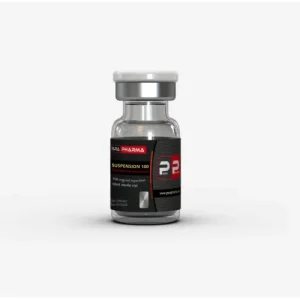
Check Out Testosterone Suspension 100 By Para Pharma
Anavar (Oxandrolone)
Though often taken orally, Anavar also exists in injectable form. It’s prized for its mild nature and ability to enhance strength and lean muscle retention without significant side effects. Anavar promotes a clean, aesthetic look and is considered one of the safer options for both men and women. Its relatively low androgenic profile makes it appealing for athletes seeking gradual, sustainable improvements during cutting.
Halotestin (Fluoxymesterone)
Halotestin is a potent steroid known for its dramatic impact on strength and aggression, often used by athletes in the final stages of prep. While not a mass builder, it delivers a hard, dense look that complements extreme conditioning. Its toxicity and harsh side effects limit its use to short cycles, but for professionals aiming for peak stage presence, Halotestin can provide a noticeable finishing edge.
Must Read: Best Syringes for Steroid Injection
Overall
Cutting injectables remain a cornerstone of bodybuilding, helping athletes achieve lean, defined physiques while preserving hard‑earned muscle. Among the most respected options, Primobolan and Masteron stand out as the “cutting kings.” Both are DHT‑derived anabolic steroids with non‑aromatizing properties, meaning they avoid estrogenic side effects like water retention or gynecomastia. This makes them ideal for producing the dry, crisp look that competitors demand on stage.
Primobolan is renowned for its muscle‑preserving qualities during calorie deficits, offering steady, sustainable conditioning over longer cycles. Its mild nature and relatively clean side‑effect profile make it suitable for both men and women, though its high cost and limited availability can be drawbacks. Masteron, by contrast, is celebrated for its dramatic hardening effect, giving muscles a dense, granite‑like appearance. It shines in the final weeks of contest prep, especially when body fat is already low, though its stronger androgenic side effects limit its use for some athletes.
Both injectables share similarities: they promote lean, dry physiques, complement stacking strategies, and reward disciplined training and nutrition. Alternatives such as Trenbolone, Winstrol, Equipoise, Testosterone Propionate, Anavar, and Halotestin also play roles in cutting cycles, but Primobolan and Masteron remain the benchmarks.
Our Verdict: For long‑term muscle preservation and a safer profile, Primobolan is the superior choice. For stage‑ready aesthetics and dramatic hardening, Masteron takes the crown. Ultimately, the “best” injectable depends on the athlete’s goals — but in the battle of cutting kings, Masteron edges ahead as the ultimate finishing tool for professional bodybuilders.
Bodybuilding has long been associated with the pursuit of physical excellence, where athletes and enthusiasts dedicate themselves to sculpting muscular physiques. You need rigorous training, disciplined nutrition, and, in some cases, the use of performance-enhancing substances. Among these substances, anabolic-androgenic steroids (AAS) occupy a controversial space. While medically prescribed for specific conditions, AAS are often used to accelerate muscle growth, improve recovery, and enhance overall performance. Their use, however, is fraught with ethical, legal, and health-related concerns.
One practical issue that arises in this context is the method of administration. AAS are typically injected intramuscularly, requiring needles that can deliver oil-based solutions deep into muscle tissue. Yet, some individuals turn to insulin needles—originally designed for subcutaneous delivery of insulin—as an alternative. This choice is often motivated by the perception that insulin needles are less intimidating, less painful, and more discreet. For bodybuilders who may be inexperienced with injections, the appeal of a smaller, finer needle can be strong.
Click Here to Buy Boldenone Undecylenate 250 mg/ml by Hilma Biocare
However, the suitability of insulin needles for AAS administration is highly debated. While they may offer certain conveniences, their limitations in terms of depth, absorption, and compatibility with thicker solutions raise significant concerns. Misuse can lead to complications ranging from ineffective dosing to infections and tissue damage.
Must Read: Running and Bodybuilding: Is it a Good Idea to Mix Them?
In bodybuilding culture, where experimentation and peer influence often shape practices, understanding the pros and cons of using insulin needles for AAS injections is essential. By examining both benefits and the potential risks, we can better appreciate the complexities of AAS injection and emphasize the importance of informed, responsible decision-making.
Why Insulin Needles
Insulin needles are generally preferred for many types of injections because they are shorter, thinner, less painful, and reduce the risk of complications compared to larger needles
Patient comfort: Insulin needles are designed to minimize pain. Their fine gauge and short length make injections less intimidating and more tolerable, especially for people who need frequent injections.
Reduced risk of complications: Shorter needles lower the chance of hitting muscle or nerves when delivering medication subcutaneously. This reduces risks like bruising, bleeding, or accidental intramuscular injection
Effective delivery: For insulin and other subcutaneous medications, shorter needles are just as effective as longer ones. They ensure the drug reaches the correct tissue layer without unnecessary depth.
Ease of use: Their design makes them simple to handle, even for patients self-administering injections daily. This accessibility encourages adherence to treatment
Compatibility with subcutaneous injections: Many medications besides insulin—such as certain vaccines, hormones, and biologics—are delivered under the skin. Insulin needles are well-suited for these because they match the required depth and absorption rate.
Insulin Needles vs. Intramuscular Needles in Bodybuilding
When it comes to injecting anabolic-androgenic steroids (AAS), bodybuilders often weigh the choice between insulin needles and traditional intramuscular needles. Insulin needles are very fine and short, usually ranging from 29 to 31 gauge and only a few millimeters in length. This makes them far less intimidating and significantly less painful to use. For athletes who inject frequently, the reduced discomfort and minimal scarring are appealing, especially since visible bruising or scar tissue can detract from the aesthetic goals of bodybuilding. Their wide availability in pharmacies and association with legitimate medical use also adds to their convenience and discretion.
However, insulin needles are designed for subcutaneous injections, meaning they deposit medication just under the skin. AAS, on the other hand, are typically oil-based compounds that require intramuscular delivery for proper absorption. The fine bore of insulin needles makes drawing and injecting these thicker solutions difficult, and their short length often fails to reach muscle tissue. This mismatch can lead to poor absorption, underdosing, or even localized complications such as abscesses and tissue irritation.
Intramuscular needles, by contrast, are longer and thicker—usually 21 to 25 gauge and 25 to 40 millimeters in length. While they cause more pain and can be intimidating for beginners, they are specifically designed to deliver oil-based substances deep into muscle tissue. This ensures that AAS are absorbed effectively and reduces the risk of complications when used correctly. Over time, repeated intramuscular injections may cause bruising or scar tissue, but medically they remain the appropriate tool for this type of administration.
In short, you may prefer insulin needles for their comfort, accessibility, and cosmetic advantages, but intramuscular needles remain the medically suitable option for AAS injections. The perceived safety of insulin needles does not outweigh the risks of improper delivery, making the choice more about convenience than effectiveness.
Downsides of Using Insulin Needles for AAS in Bodybuilding
For bodybuilders, the downsides of insulin needles in AAS use are significant: poor absorption, infection risk, tissue damage, and wasted product. While they may reduce pain and appear more convenient, they compromise both safety and effectiveness. In bodybuilding culture, where results are paramount, these drawbacks make insulin needles a risky and counterproductive choice.
Improper absorption
Insulin needles are designed for subcutaneous injections, but AAS typically require intramuscular delivery. Injecting into fat or shallow tissue can lead to poor absorption, reduced effectiveness, and unpredictable results.
Also See: Fitness Lessons from A Navy Seal’s Training Routine
Viscosity mismatch
AAS solutions are often oil-based and much thicker than insulin. Fine-gauge insulin needles struggle to draw and push these solutions, leading to blocked syringes, incomplete injections, or excessive force that damages tissue.
Risk of infection and abscesses
Because oil may pool in subcutaneous tissue instead of dispersing into muscle, it can irritate the area and create a breeding ground for bacteria. This raises the risk of painful abscesses that may require medical intervention.
Underdosing and wasted product
If the steroid doesn’t reach the muscle, the bodybuilder may not achieve the intended anabolic effect. This not only wastes expensive compounds but also tempts users to increase frequency or dosage, compounding health risks.
Tissue damage
Repeated shallow injections can cause lumps, irritation, or necrosis in fatty tissue. For bodybuilders focused on aesthetics, visible damage under the skin undermines their goals.
False sense of safety
Many athletes assume insulin needles are “safer” because they are smaller and widely used in diabetes care. In reality, this perception can mask the fact that they are medically inappropriate for AAS, leading to dangerous practices.
Related Article: Best Syringes for Steroid Injection on Amazon
Overall
Bodybuilders and athletes often face difficult choices when it comes to performance enhancement, and the method of administering anabolic-androgenic steroids (AAS) is one of them. Insulin needles, with their fine gauge and short length, are attractive because they reduce pain, minimize scarring, and are easy to obtain. For individuals who inject frequently, these qualities can seem like practical advantages.
However, the reality is that insulin needles are not designed for oil-based compounds that require intramuscular delivery. Their short length and narrow bore make them unsuitable for reaching muscle tissue, leading to poor absorption, underdosing, and potential tissue irritation. The risk of infection or abscess formation is also heightened when AAS are deposited into fatty tissue rather than muscle. What may appear to be a safer, more comfortable option can ultimately compromise both health and performance outcomes.
Athletes who prioritize long-term progress must recognize that convenience should never outweigh safety. While insulin needles may seem appealing, they are not always appropriate for AAS administration. The discipline that defines bodybuilding and athletic success should extend to responsible decision-making, ensuring that choices made in pursuit of strength and aesthetics do not undermine overall well-being.
NAD+(Nicotinamide Adenine Dinucleotide) has become the quiet obsession of athletes and bodybuilders who care as much about longevity as they do about performance. For men over 40, the game changes: recovery slows, energy dips, and the margin for error—sleep, nutrition, stress—gets razor-thin. That’s where NAD+ steps in. As a central coenzyme in cellular metabolism, NAD+ powers the mitochondria that generate ATP, supports DNA repair, and helps regulate inflammation and oxidative stress—the exact pressures that compound with age and intense training. The catch? NAD+ levels decline as we get older, and that drop doesn’t just feel like “getting tired”; it shows up as reduced work capacity, stubborn recovery, and a harder fight to preserve lean mass.
For the seasoned lifter, anti-aging isn’t about turning back the clock—it’s about staying dangerous: maintaining strength, clarity, and resilience year after year. By supporting NAD+—through smart training, lifestyle, and targeted precursors like NR or NMN—you’re not chasing a miracle; you’re reinforcing the cellular systems that keep you strong. Think steadier energy across sets, cleaner recovery between sessions, and a more robust response to stressors that typically erode performance after 40.
This article explores how NAD+ intersects with muscle metabolism, hormonal signaling, and recovery pathways, and what practical steps can help you sustain the physique and output you’ve built. If you’re a man over 40 who refuses to age passively, NAD+ isn’t hype—it’s a lever worth understanding and pulling with intention.
Must Read: How to Manage Joint Stiffness While on AAS
Why NAD+ Levels Drop in Men Over 40
NAD+ levels decline with age because the body’s ability to produce and preserve this vital coenzyme weakens, while demand for it increases.
Reduced biosynthesis: The enzymes and pathways that create NAD+ from precursors like niacin and tryptophan become less efficient over time.
Increased consumption: NAD+ is used by repair enzymes such as PARPs (for DNA repair) and sirtuins (for regulating metabolism and aging). As DNA damage and oxidative stress accumulate with age, these enzymes consume more NAD+, depleting reserves.
Greater degradation: Another enzyme, CD38, becomes more active with age. CD38 breaks down NAD+, and its rising activity is strongly linked to age-related decline in NAD+.
Mitochondrial dysfunction: Aging cells often suffer from less efficient mitochondria. Since NAD+ is central to mitochondrial energy production, dysfunction accelerates its depletion.
Lifestyle and stress factors: Poor sleep, chronic stress, alcohol, and high-intensity training without proper recovery can further drain NAD+ levels, especially in men over 40
Why This Matters for Men Over 40
- Lower NAD+ means slower recovery, reduced energy output, and greater susceptibility to inflammation.
- Declining NAD+ is linked to fatigue, cognitive decline, and accelerated aging.
For athletes and bodybuilders, this translates into harder muscle maintenance, longer recovery windows, and plateaus in performance.
Remedies to Boost NDA+ Levels in Men Over 40
Men and athletes over 40 can boost NAD+ levels through a mix of lifestyle strategies (exercise, fasting, sleep), dietary choices (niacin-rich foods), and supplementation (NR, NMN, NAD+ IV therapy).
Lifestyle Approaches
Regular exercise: Endurance and resistance training stimulate mitochondrial function and naturally increase NAD+.
Intermittent fasting: Periods of caloric restriction activate sirtuins, which depend on NAD+.
Quality sleep: Restorative sleep reduces oxidative stress and preserves NAD+ reserves.
Stress management: Chronic stress elevates NAD+ consumption; mindfulness and recovery practices help conserve it.
Avoid excess alcohol: Alcohol metabolism depletes NAD+, so moderation is key.
Related Article: Healing Peptides in Focus: BPC-157 vs TB-500 for Injury Recovery
Dietary Strategies
Niacin-rich foods: Chicken, tuna, salmon, turkey, and mushrooms provide vitamin B3, a precursor to NAD+.
Tryptophan sources: Eggs, dairy, and nuts support NAD+ synthesis via the kynurenine pathway.
Polyphenols: Resveratrol (found in grapes and red wine) activates sirtuins, indirectly supporting NAD+.
Ketogenic diet: Promotes fat metabolism and enhances NAD+/NADH ratio.
Click Here to Buy Andarine S4 By Biaxol
Supplementation
Nicotinamide Riboside (NR): A direct precursor shown to raise NAD+ levels in humans.
Nicotinamide Mononucleotide (NMN): Another precursor with strong evidence for boosting NAD+ and supporting anti-aging pathways.
NAD+ IV therapy: Direct infusion used by some athletes for rapid replenishment.
Co-factors like magnesium and B vitamins: Support enzymatic reactions that sustain NAD+ metabolism.
Advanced/Medical Options
CD38 inhibitors: Experimental compounds that reduce NAD+ breakdown.
PARP inhibitors: Limit excessive NAD+ consumption during DNA repair (still under research).
Hormonal optimization: Testosterone and growth hormone balance indirectly support NAD+ pathways in men over 40.
The Catch:
Energy & endurance: Higher NAD+ means more efficient ATP production.
Recovery & repair: Supports DNA repair and reduces inflammation after training.
Anti-aging resilience: Helps maintain muscle mass, cognitive clarity, and metabolic health.
NAD+ Delivery Methods
1. Intravenous (IV) NAD+ Therapy
- Direct infusion of NAD+ into the bloodstream.
- Used in clinics for rapid replenishment of cellular NAD+.
- Often promoted for anti-aging, recovery, and cognitive clarity.
- Sessions can last several hours, as NAD+ must be infused slowly to avoid side effects (like nausea or flushing).
Dosing: Typically ranges from 250 mg to 1000 mg per session, but exact protocols vary by clinic and medical supervision.
2. Intramuscular or Subcutaneous Injections
- Less common than IV, but some practitioners use NAD+ injections for quicker delivery than oral supplements.
- Provides a shorter, more concentrated boost compared to IV drip.
- Still requires medical oversight, as NAD+ injections can be uncomfortable and must be dosed carefully.
Oral Supplementation
1. NAD+ Precursors (NMN & NR)
- Nicotinamide Mononucleotide (NMN) and Nicotinamide Riboside (NR) are widely available as capsules or powders.
- These compounds are converted into NAD+ inside cells.
- Easier, safer, and more practical for long-term use compared to IV therapy.
Dosing: Common ranges are 250–500 mg daily, though some studies explore higher doses.
Check Out: Piracetol Review Benefits and Side Effect
2. NAD+ Capsules
- Direct oral NAD+ supplements exist, but absorption is less efficient than precursors.
- Most experts recommend NMN or NR instead, as they are better studied and more bioavailable.
Overall
In the pursuit of strength, endurance, and longevity, NAD+ emerges as more than just a biochemical cofactor—it is a cornerstone of vitality for athletes and men over 40. As natural levels decline with age, the consequences ripple through energy, recovery, and resilience. By embracing lifestyle strategies, nutrient-rich diets, and modern supplementation, bodybuilders can sustain performance while slowing the clock on cellular aging. Whether through daily NMN or NR, or targeted therapies under medical guidance, supporting NAD+ is an investment in both present power and future health—a path to staying strong, sharp, and ageless in the decades ahead.


Battle of the Cutting Kings: Primobolan vs Masteron

Too Low Estradiol? Insights from High-Dose Testosterone and Primobolan Use

From Cholesterol to Cortisol: The Molecular Story of Steroids

One Workout to Rule Them All: Full-Body Training Over Splits

Fueling Energy from Within: How to Build Stronger Mitochondria Through Training

Is Training/Lifting Barefoot A Good Idea? Find Out

Using Insulin Needles to Inject AAS: Pros and Cons

Is NAD+ The Best Anti-aging Molecule for Men Over 40?

Estrogen Management: SERMs and AIs Compared

The Testosterone Trap: Why Bigger Levels Don’t Guarantee Bigger Muscles

Sodium, Potassium, and Pump: The Science Behind Electrolytes Balance in Bodybuilding
Estrogen Management: SERMs and AIs Compared
Using Insulin Needles to Inject AAS: Pros and Cons
The Testosterone Trap: Why Bigger Levels Don’t Guarantee Bigger Muscles
Is NAD+ The Best Anti-aging Molecule for Men Over 40?
Is Training/Lifting Barefoot A Good Idea? Find Out
Fueling Energy from Within: How to Build Stronger Mitochondria Through Training
One Workout to Rule Them All: Full-Body Training Over Splits
From Cholesterol to Cortisol: The Molecular Story of Steroids
Too Low Estradiol? Insights from High-Dose Testosterone and Primobolan Use
Sodium, Potassium, and Pump: The Science Behind Electrolytes Balance in Bodybuilding
Estrogen Management: SERMs and AIs Compared
Using Insulin Needles to Inject AAS: Pros and Cons
The Testosterone Trap: Why Bigger Levels Don’t Guarantee Bigger Muscles
Is NAD+ The Best Anti-aging Molecule for Men Over 40?
Is Training/Lifting Barefoot A Good Idea? Find Out
Fueling Energy from Within: How to Build Stronger Mitochondria Through Training
One Workout to Rule Them All: Full-Body Training Over Splits
From Cholesterol to Cortisol: The Molecular Story of Steroids
Too Low Estradiol? Insights from High-Dose Testosterone and Primobolan Use
-
 Bodybuilding Products2 years ago
Telmisartan In Bodybuilding: An Expert’s Advice
-
 Steroids2 years ago
Anadrol Cycle: Benefits, Doses, Alternatives, etc.
-
 Anabolic Steroids2 years ago
Joint Stiffness: How to Manage It While on AAS
-

 Bodybuilding1 year ago
Primal Movements: Our Ultimate Guide for Maximum Results
-
 Bodybuilding1 year ago
How Effective is Bone Broth for Recovery?
-
 Steroids1 year ago
Bodybuilder Winter Clothing: Staying Warm and Stylish
-
 Steroids2 years ago
Omnitope (Oxytocin)
-
 Bodybuilding2 years ago
How Much Is Too Much Cardio? Understanding Heart Rate Zones
-
 Steroids1 year ago
Sleeping Positions for Effective Muscle Recovery
-
 Steroids1 year ago
Ostarine For Beginners: The Ultimate Guide
-
 Bodybuilding1 year ago
2nd Edition of Natural Bodybuilding Competition Facts
-
 Bodybuilding1 year ago
Are Nootropics a Better Option to AAS?
-

 Bodybuilding1 year ago
Top Video Games for Bodybuilders in 2025
-
 Steroids11 months ago
Raloxifene (Evista) 101: A Non-Surgical Solution for Gyno
-
 Bodybuilding2 years ago
Demystifying Hypertrophy Training
-
 Steroids1 year ago
Tips on How to Store Peptides and HGH
-
 Steroids12 months ago
Why Post-Cycle Therapy (PCT) Fails After a Nandrolone Cycle
-

 Beginners1 year ago
14 Morning Run Safety Tips for Bodybuilding and Fitness
-
 Steroids11 months ago
Creatine vs Myostatin: An Expert’s Analysis
-
 Steroids1 year ago
Glutathione – The Most Underrated Antioxidant
-
 Bodybuilding2 years ago
List of FDA-Approved Peptides
-

 Product Reviews2 years ago
Top Vitamins for Skin Health
-
 Anabolic Steroids2 years ago
How Much Do You Know About B-AET? A Fat Burner You’ve Been Missing
-
 Bodybuilding2 years ago
Hormone Replacement Therapy (TRT) Cycle Guide
-

 Anabolic Steroids2 years ago
Anavar Cycle for Men and Women