
Nutrition
The Diet When Running A Steroid Cycle


“You are what you eat” is a statement that remains available even when you are on steroids. Many bodybuilders who use body performance enhancers drugs make the mistake to overlook the importance of healthy nutrition while cycling. If you eat junk, then you get fat, and if you eat clean you get lean.

This is the way things work when you are or not on steroids. AAS doesn’t do miracles, they just accelerate the muscle growth process, but you will have to ensure the body with all nutrients required for this.
Following the right diet when taking steroids will help you to get the most from that cycle. Either you are running a cycle for bulking or for cutting, adjusting the what you eat to these purposes will make to feel great when getting to the finish. Since you manage to get the best from this cycle.
Looking on the forums for opinions about right dieting, you will see that many of bodybuilders tell you that there is no a big difference in nutrition routine when are on steroids and off. You are advised to continue the same rich diet in proteins, carbs, and fats as you did in normal days.
You will not be wrong if go on the same diet when you are on steroids. The most important is to give your body nutrients in a sufficient amount. But if you want to take maximum advantages from cycle you are about to run, then a deeper look on how to eat to better assist your body with this task is what you need to do.
Depending on your goal-bulking or cutting- dietary are slightly changed. However, the bricks that build a proper alimentation regimen consists of proteins, carbohydrates, and fats. And the order of mentioning corresponds to their importance.
Read Our Article:: Steps / Tips to Keep in Shape Your Muscle Mass After Steroid Cycles.
Diet When Running a Bulking Cycle:
When taking steroids to increase muscle mass you have to keep a close eye on body fat. Since gaining weight always comes hand in hand with adding fat, you need to strictly calculate your daily calorie needs and keep fat percentage under control. Be aware the more carbs and fats you eat, the more fat you will gain.
If you are a leaner person and want to get into a bulking cycle than your diet should contain more calories compared to other body types. That’s why all nutrition recommendations have to adapt to each individual characteristics.
Proteins are the most important factors that make the muscles grow and recover. Our bodies absorb protein from food, breaks it down into amino acids and take them to the muscles cells through blood. Reaching a positive nitrogen level makes the muscles cell to better absorb proteins.
Checkout Our Article:: Beginner Oral Bulking Cycle
Meat, fish, eggs, milk products are the best sources of protein. You have to use one of these sources on each meal throughout the whole day.
The daily dosage of protein for those who look to add weight should be about 1.5-2 gram of protein for each pound. Thereby, if you have 200 pounds than your minimal protein daily intake should be 300 gr of proteins.
Hardgainers can raise the portion to about 400 gr of protein carefully split throughout all day. One gram of protein has 4 calories, that’s is why bodybuilders will have a 1200 kcal each day as proteins. It is very important to keep track of this numbers when you set your daily calories intake.
Carbohydrates are what you need to add more weight. Since carbs ensure your body with energy, you will have to keep their level quite high to feel able to train and be full of energy all the day. Also, they will keep your blood sugar level at a constant rate, and will not let your body to use proteins for energy.
Rice, oats, whole wheat bread, noodles, and vegetables are great sources of carbohydrates. You have to consume carbs three times a day, the morning before and after a workout. The carbs daily intake have to consist of 800-900g. Since each g of carbs has 4 calories, daily calorie intake of carbs will be more than 3000 kcal.
Fats included in your diet have to omit saturated ones. Omega-3 and Omega-6 are great sources of fat you need and they are reached in fish. During bulking you have to eat 100g of fats daily. Every gram of fish has 9 kcal, this means that from your daily calorie intake 900 kcal are ensured by fats.
The Diet of a Bodybuilder Who bulks up Has to Look this Way:
-30% of proteins;
-50% of carbs;
-20% of fats.
So, a 4000-5300 daily calorie intake is what a bulking up person needs. This means at least 300 g of proteins (1200 kcal), 800 g of carbs (3200 kcal) and 100 g of fats (900 kcal). The quantity can be slowly changed depending on your own body characteristics.
Diet For Cutting Steroid Cycle:
If you want to get shredded you will have to burn fat. And this means that you will have to decrease daily calorie intake. Proteins. The protein consumes have to be quite high since you need to keep your lean muscle mass.
Carbs. During cutting cycle, carbs have to take only in some very special moments. They are required when the catabolic process occurs( to minimize it), for energy and for replenishing glycogen resources. Since you try to get rid of extra fat, you do not need many carbs in your diet.
Take them in the morning when body triggers the catabolic process, before the workout for getting energy and after it to replenish glycogen level. Fats are very important since they participate in the fat burning process. As in case of bulking diet, try to choose unsaturated sources of fats.
In Case of Cutting Diet, the Percentage of Proteins, Carbs, and Fats looks like This:
-50 % of protein;
-25% of carbs;
-25% of fats.
During cutting cycle, daily calorie intake is much lower than in case of bulking, around 2000-2500 kcal. Most of the calories are ensured by proteins. Regardless you are bulking or cutting is very important to schedule meals throughout the whole day.
Set 5-6 meals per day in small doses and stick to them wherever you are and whatever you do. You do not have to wait to be hungry to eat. Get your body accustomed to a diet routine and thus ensuring it with all nutrients it needs for bulking or cutting.
No alcohol while dieting. Instead drink as more water as you can, minimum 2 liters per day. It will keep you hydrated and your kidney safe from high amounts of protein you will ingest.
As you see, based on your goal-cutting or bulking -the percentage of proteins, carbs, and fats you take are changed as well as the daily calorie intake. So, for bulking you need to follow a 4500 calories intake per day. Fifty percent of them are carbs, 30% proteins, and other 20 percentage fats.
While cutting, daily calorie intake is reduced at the half, about 2500 kcal. From them 50 % are proteins and other 25%/25% are carbs and fats.
All these numbers are tentative since we are all different and the way our bodies work differently too. You will have to adjust these recommendations to your own needs and stop to the formula that works best for you.













Energy is the foundation of every workout. Whether you’re grinding through heavy sets, pushing past fatigue on the treadmill, or chasing that last rep, your body’s ability to generate and sustain power determines how far you can go. At the heart of this process are mitochondria—the microscopic engines inside muscle cells that convert nutrients into usable energy. These tiny structures don’t just keep you moving; they influence endurance, recovery, and even muscle growth.
Training isn’t only about building bigger muscles—it’s about optimizing the machinery that fuels them. Exercise stimulates mitochondrial biogenesis, the creation of new mitochondria, which enhances energy production and metabolic efficiency. For fitness athletes and bodybuilders, this means longer-lasting strength during workouts, improved recovery between sets, and the ability to tap into both carbohydrates and fats for fuel. Stronger mitochondria help delay fatigue, sharpen focus, and support lean muscle development by ensuring nutrients are used effectively.
But the path to stronger mitochondria goes beyond the gym floor. Nutrition rich in antioxidants, adequate protein intake, quality sleep, and stress management all play vital roles in protecting and enhancing these cellular engines. When combined with smart training strategies—whether endurance cardio, high-intensity intervals, or resistance work—these lifestyle factors create a powerful synergy that elevates performance.
Mitochondria and Muscle Hypertrophy
When it comes to bodybuilding, most people think about lifting heavier weights, eating more protein, and pushing for progressive overload. Yet beneath the surface of every rep lies a cellular powerhouse that makes hypertrophy possible: the mitochondria. These tiny organelles are responsible for producing adenosine triphosphate (ATP), the energy currency that fuels muscle contractions. Without efficient mitochondria, even the most disciplined training program stalls because the body cannot sustain the energy demands required for growth.
Muscle hypertrophy—the enlargement of muscle fibers—depends on repeated cycles of stress, recovery, and adaptation. During intense resistance training, mitochondria ramp up ATP production to meet the immediate energy needs of contracting fibers. But their role doesn’t end there. Post-workout, mitochondria help regulate recovery by supporting protein synthesis, repairing damaged tissue, and clearing metabolic byproducts such as lactate. This recovery process is critical: hypertrophy occurs not during the workout itself, but in the rebuilding phase that follows.
Related Article: Top 7 Superfoods For Building Muscle Mass
Stronger, more numerous mitochondria also improve muscular endurance. While hypertrophy is primarily driven by mechanical tension and metabolic stress, the ability to sustain higher training volumes without premature fatigue allows bodybuilders to push harder and longer. Enhanced mitochondrial density means better oxygen utilization and fat oxidation, which reduces reliance on glycogen alone. This balance helps athletes maintain lean mass while minimizing fat accumulation—a key goal in bodybuilding aesthetics.
Training methods such as high-intensity interval training (HIIT), moderate-intensity “Zone 2” cardio, and metabolic conditioning can complement heavy lifting by stimulating mitochondrial biogenesis. When combined with proper nutrition—adequate protein, micronutrients like magnesium, and mitochondrial-supportive compounds such as CoQ10—bodybuilders create an internal environment where energy production and muscle growth work hand in hand.

Generally, hypertrophy isn’t just about lifting weights; it’s about empowering the cellular engines that make growth possible. By strengthening mitochondria, bodybuilders unlock greater energy, faster recovery, and more sustainable muscle gains.
Must Read: Primal Movements: Our Ultimate Guide for Maximum Results
Strength vs. Endurance Balance
Bodybuilding is often associated with heavy weights, low repetitions, and the pursuit of maximum muscle size. Yet, the balance between strength and endurance training plays a critical role in optimizing performance and long-term gains. While strength training primarily targets muscle hypertrophy through mechanical tension and progressive overload, endurance training enhances mitochondrial density and efficiency, ensuring that muscles can sustain effort and recover more effectively.
Strength-focused workouts rely heavily on anaerobic energy systems, which deliver quick bursts of ATP but also generate metabolic byproducts that contribute to fatigue. Without a strong aerobic foundation, bodybuilders may struggle with recovery between sets or find themselves limited in training volume. Endurance training, particularly at moderate intensities, strengthens the aerobic system by improving oxygen utilization and fat oxidation. This not only supports longer workouts but also helps maintain a leaner physique by reducing reliance on glycogen alone.
The key lies in integration rather than choosing one over the other. Incorporating short bouts of high-intensity interval training (HIIT) or steady-state cardio alongside resistance training can stimulate mitochondrial biogenesis without compromising muscle growth. Periodization strategies—alternating phases of strength emphasis with endurance conditioning—allow athletes to maximize hypertrophy while building resilience.
Ultimately, the balance between strength and endurance ensures that bodybuilders are not just bigger, but also more efficient, better recovered, and metabolically healthier. By training both systems, athletes unlock the full potential of their muscles, combining raw power with sustained energy for superior performance.
Recovery and Reduced Fatigue
Progress is built not just in the gym but in the hours that follow. Recovery is where muscle fibers repair, adapt, and grow stronger. Mitochondria play a central role in this process by managing energy availability and clearing metabolic waste, which directly impacts how quickly athletes bounce back from intense training.
During heavy lifting, muscles rely on anaerobic energy pathways, producing lactate as a byproduct. Accumulation of lactate and hydrogen ions contributes to the familiar “burn” and eventual fatigue. Well-trained mitochondria help buffer and recycle these metabolites, converting lactate back into usable energy through oxidative pathways. This reduces soreness and allows bodybuilders to recover faster between sets and sessions.
Efficient mitochondria also support protein synthesis during recovery. By generating ATP consistently, they provide the energy needed for repairing microtears in muscle fibers and building new tissue. This means that athletes with stronger mitochondrial function can sustain higher training volumes without compromising recovery quality.
Beyond the cellular level, improved mitochondrial capacity enhances overall resilience. Better oxygen utilization and fat oxidation reduce reliance on glycogen, sparing muscle energy stores and minimizing exhaustion. This translates into steadier performance across long workouts and quicker readiness for the next session.
Integrating endurance-based conditioning, adequate sleep, and nutrient support—such as antioxidants and omega-3 fatty acids—further boosts mitochondrial recovery pathways. For bodybuilders, this synergy means less downtime, reduced fatigue, and more consistent gains. In essence, mitochondria are the silent partners ensuring that every rep pays off long after the workout ends.

Fat Utilization and Lean Physique
Achieving a lean and defined physique is just as important as building muscle mass. While resistance training drives hypertrophy, the efficiency of mitochondria determines how effectively the body utilizes fat as a fuel source. Stronger mitochondria enhance oxidative metabolism, allowing muscles to burn fat more readily during both exercise and rest. This shift toward fat oxidation not only spares glycogen for high-intensity efforts but also supports the reduction of excess body fat, leading to sharper muscle definition.
When mitochondrial function is optimized, the body becomes more metabolically flexible—able to switch between carbohydrate and fat fuel sources depending on the demands of training. This flexibility is crucial during cutting phases, where athletes aim to preserve muscle while shedding fat. By relying more on fat oxidation, bodybuilders can maintain energy levels without compromising lean tissue.
Training methods such as Zone 2 cardio (moderate-intensity sessions that maximize fat burning) and metabolic conditioning workouts stimulate mitochondrial biogenesis, expanding the body’s capacity to use fat efficiently. Combined with strength training, these approaches create a dual benefit: muscle growth supported by resistance work and fat reduction driven by improved mitochondrial function.
Nutrition also plays a key role. Diets rich in healthy fats (omega-3s, monounsaturated fats), adequate protein, and micronutrients like iron and B vitamins support mitochondrial enzymes involved in fat metabolism. Together, these strategies ensure that bodybuilders not only build size but also sculpt a physique that is lean, defined, and competition-ready.
Training Techniques that Promote Mitochondria Growth
While bodybuilding traditionally emphasizes heavy resistance training for hypertrophy, incorporating specific techniques that stimulate mitochondrial growth can significantly enhance performance, recovery, and physique. Mitochondria thrive under metabolic stress, and certain training modalities are particularly effective at driving adaptations that increase both their number and efficiency.
High-Intensity Interval Training (HIIT): Short bursts of maximal effort followed by recovery periods challenge the body’s energy systems, forcing mitochondria to adapt. For bodybuilders, adding one or two HIIT sessions per week can improve endurance and accelerate fat oxidation without compromising muscle mass.
Zone 2 Cardio: Moderate-intensity aerobic training—often performed at a pace where conversation is possible—maximizes fat utilization and stimulates mitochondrial biogenesis. This type of cardio complements strength training by building a strong aerobic base, improving recovery between sets, and supporting lean muscle preservation during cutting phases.
Metabolic Conditioning (MetCon): Circuits that combine resistance and cardio elements push both anaerobic and aerobic systems simultaneously. These workouts elevate heart rate, increase lactate clearance, and drive mitochondrial adaptations while maintaining a bodybuilding focus on muscle engagement.
Periodization Strategies: Alternating phases of heavy lifting with endurance or conditioning blocks ensures balanced development. This approach prevents overtraining, maintains hypertrophy, and steadily builds mitochondrial resilience.
By blending these techniques with traditional bodybuilding routines, athletes create a training environment that not only builds muscle size but also strengthens the cellular engines powering growth. The result is a physique that is not only bigger and stronger but also more efficient, lean, and sustainable over time.
See: The Ultimate Fitness Apps
Nutrition Synergy
Training alone cannot maximize mitochondrial growth—nutrition plays an equally vital role in bodybuilding performance and physique. Mitochondria rely on a steady supply of nutrients to generate ATP, repair muscle tissue, and regulate metabolic processes. When diet and training work in synergy, bodybuilders create the optimal environment for both hypertrophy and cellular energy efficiency.
Protein and Amino Acids: Adequate protein intake is essential for muscle repair and growth, but amino acids also support mitochondrial enzymes involved in energy metabolism. Branched-chain amino acids (BCAAs) and leucine, in particular, help stimulate protein synthesis while fueling recovery.
Healthy Fats: Omega-3 fatty acids and monounsaturated fats enhance mitochondrial membrane fluidity, improving efficiency in energy transfer. These fats also reduce inflammation, supporting faster recovery and lean muscle preservation.
Micronutrients: Vitamins and minerals such as magnesium, iron, and B vitamins are critical cofactors in mitochondrial energy pathways. Iron supports oxygen transport, while magnesium aids ATP production. Deficiencies in these nutrients can impair both performance and recovery.
Antioxidants: Intense training generates oxidative stress, which can damage mitochondria. Nutrients like vitamin C, vitamin E, and compounds such as CoQ10 help neutralize free radicals, protecting mitochondrial integrity and sustaining long-term function.
Timing and Balance: Strategic nutrient timing—protein post-workout, carbohydrates to replenish glycogen, and fats for sustained energy—ensures mitochondria have the resources they need at the right moments.
By aligning nutrition with training, bodybuilders not only fuel muscle growth but also strengthen the cellular engines that power every rep, set, and recovery phase. This synergy is the foundation of sustainable gains and a lean, defined physique.
Overall
Mitochondria may be invisible to the eye, but their impact on bodybuilding is undeniable. They are the engines that power every rep, every set, and every recovery phase. By strengthening mitochondrial function, athletes unlock more than just energy—they gain the ability to train harder, recover faster, and sculpt a leaner, more resilient physique.
We’ve discussed how mitochondria influence muscle hypertrophy, balance strength with endurance, reduce fatigue, and enhance fat utilization. We’ve also explored training techniques and nutritional strategies that directly support mitochondrial growth. Together, these elements highlight a simple truth: bodybuilding is not only about building bigger muscles, but also about optimizing the cellular machinery that makes growth sustainable.
The path to long-term success lies in synergy—combining heavy lifting with conditioning, fueling the body with the right nutrients, and respecting recovery. When mitochondria are nurtured, they transform the body into a more efficient, powerful, and enduring system.
In the end, focusing on mitochondrial health is about more than performance—it’s about longevity. Stronger mitochondria mean stronger muscles, but they also mean a stronger athlete overall. By fueling energy from within, bodybuilders can push past limits, achieve peak aesthetics, and sustain their gains for years to come.
NAD+(Nicotinamide Adenine Dinucleotide) has become the quiet obsession of athletes and bodybuilders who care as much about longevity as they do about performance. For men over 40, the game changes: recovery slows, energy dips, and the margin for error—sleep, nutrition, stress—gets razor-thin. That’s where NAD+ steps in. As a central coenzyme in cellular metabolism, NAD+ powers the mitochondria that generate ATP, supports DNA repair, and helps regulate inflammation and oxidative stress—the exact pressures that compound with age and intense training. The catch? NAD+ levels decline as we get older, and that drop doesn’t just feel like “getting tired”; it shows up as reduced work capacity, stubborn recovery, and a harder fight to preserve lean mass.
For the seasoned lifter, anti-aging isn’t about turning back the clock—it’s about staying dangerous: maintaining strength, clarity, and resilience year after year. By supporting NAD+—through smart training, lifestyle, and targeted precursors like NR or NMN—you’re not chasing a miracle; you’re reinforcing the cellular systems that keep you strong. Think steadier energy across sets, cleaner recovery between sessions, and a more robust response to stressors that typically erode performance after 40.
This article explores how NAD+ intersects with muscle metabolism, hormonal signaling, and recovery pathways, and what practical steps can help you sustain the physique and output you’ve built. If you’re a man over 40 who refuses to age passively, NAD+ isn’t hype—it’s a lever worth understanding and pulling with intention.
Must Read: How to Manage Joint Stiffness While on AAS
Why NAD+ Levels Drop in Men Over 40
NAD+ levels decline with age because the body’s ability to produce and preserve this vital coenzyme weakens, while demand for it increases.
Reduced biosynthesis: The enzymes and pathways that create NAD+ from precursors like niacin and tryptophan become less efficient over time.
Increased consumption: NAD+ is used by repair enzymes such as PARPs (for DNA repair) and sirtuins (for regulating metabolism and aging). As DNA damage and oxidative stress accumulate with age, these enzymes consume more NAD+, depleting reserves.
Greater degradation: Another enzyme, CD38, becomes more active with age. CD38 breaks down NAD+, and its rising activity is strongly linked to age-related decline in NAD+.
Mitochondrial dysfunction: Aging cells often suffer from less efficient mitochondria. Since NAD+ is central to mitochondrial energy production, dysfunction accelerates its depletion.
Lifestyle and stress factors: Poor sleep, chronic stress, alcohol, and high-intensity training without proper recovery can further drain NAD+ levels, especially in men over 40
Why This Matters for Men Over 40
- Lower NAD+ means slower recovery, reduced energy output, and greater susceptibility to inflammation.
- Declining NAD+ is linked to fatigue, cognitive decline, and accelerated aging.
For athletes and bodybuilders, this translates into harder muscle maintenance, longer recovery windows, and plateaus in performance.
Remedies to Boost NDA+ Levels in Men Over 40
Men and athletes over 40 can boost NAD+ levels through a mix of lifestyle strategies (exercise, fasting, sleep), dietary choices (niacin-rich foods), and supplementation (NR, NMN, NAD+ IV therapy).
Lifestyle Approaches
Regular exercise: Endurance and resistance training stimulate mitochondrial function and naturally increase NAD+.
Intermittent fasting: Periods of caloric restriction activate sirtuins, which depend on NAD+.
Quality sleep: Restorative sleep reduces oxidative stress and preserves NAD+ reserves.
Stress management: Chronic stress elevates NAD+ consumption; mindfulness and recovery practices help conserve it.
Avoid excess alcohol: Alcohol metabolism depletes NAD+, so moderation is key.
Related Article: Healing Peptides in Focus: BPC-157 vs TB-500 for Injury Recovery
Dietary Strategies
Niacin-rich foods: Chicken, tuna, salmon, turkey, and mushrooms provide vitamin B3, a precursor to NAD+.
Tryptophan sources: Eggs, dairy, and nuts support NAD+ synthesis via the kynurenine pathway.
Polyphenols: Resveratrol (found in grapes and red wine) activates sirtuins, indirectly supporting NAD+.
Ketogenic diet: Promotes fat metabolism and enhances NAD+/NADH ratio.
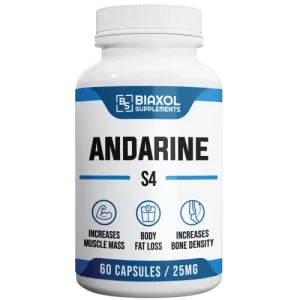
Click Here to Buy Andarine S4 By Biaxol
Supplementation
Nicotinamide Riboside (NR): A direct precursor shown to raise NAD+ levels in humans.
Nicotinamide Mononucleotide (NMN): Another precursor with strong evidence for boosting NAD+ and supporting anti-aging pathways.
NAD+ IV therapy: Direct infusion used by some athletes for rapid replenishment.
Co-factors like magnesium and B vitamins: Support enzymatic reactions that sustain NAD+ metabolism.
Advanced/Medical Options
CD38 inhibitors: Experimental compounds that reduce NAD+ breakdown.
PARP inhibitors: Limit excessive NAD+ consumption during DNA repair (still under research).
Hormonal optimization: Testosterone and growth hormone balance indirectly support NAD+ pathways in men over 40.
The Catch:
Energy & endurance: Higher NAD+ means more efficient ATP production.
Recovery & repair: Supports DNA repair and reduces inflammation after training.
Anti-aging resilience: Helps maintain muscle mass, cognitive clarity, and metabolic health.
NAD+ Delivery Methods
1. Intravenous (IV) NAD+ Therapy
- Direct infusion of NAD+ into the bloodstream.
- Used in clinics for rapid replenishment of cellular NAD+.
- Often promoted for anti-aging, recovery, and cognitive clarity.
- Sessions can last several hours, as NAD+ must be infused slowly to avoid side effects (like nausea or flushing).
Dosing: Typically ranges from 250 mg to 1000 mg per session, but exact protocols vary by clinic and medical supervision.
2. Intramuscular or Subcutaneous Injections
- Less common than IV, but some practitioners use NAD+ injections for quicker delivery than oral supplements.
- Provides a shorter, more concentrated boost compared to IV drip.
- Still requires medical oversight, as NAD+ injections can be uncomfortable and must be dosed carefully.
Oral Supplementation
1. NAD+ Precursors (NMN & NR)
- Nicotinamide Mononucleotide (NMN) and Nicotinamide Riboside (NR) are widely available as capsules or powders.
- These compounds are converted into NAD+ inside cells.
- Easier, safer, and more practical for long-term use compared to IV therapy.
Dosing: Common ranges are 250–500 mg daily, though some studies explore higher doses.
Check Out: Piracetol Review Benefits and Side Effect
2. NAD+ Capsules
- Direct oral NAD+ supplements exist, but absorption is less efficient than precursors.
- Most experts recommend NMN or NR instead, as they are better studied and more bioavailable.
Overall
In the pursuit of strength, endurance, and longevity, NAD+ emerges as more than just a biochemical cofactor—it is a cornerstone of vitality for athletes and men over 40. As natural levels decline with age, the consequences ripple through energy, recovery, and resilience. By embracing lifestyle strategies, nutrient-rich diets, and modern supplementation, bodybuilders can sustain performance while slowing the clock on cellular aging. Whether through daily NMN or NR, or targeted therapies under medical guidance, supporting NAD+ is an investment in both present power and future health—a path to staying strong, sharp, and ageless in the decades ahead.
In the world of bodybuilding, the focus often centers on sculpting muscle, maximizing strength, and achieving peak physical aesthetics. But beneath the surface of shredded abs and bulging biceps lies a lesser-known benefit of intense physical training: enhanced brain development. Far from being just a pursuit of physical dominance, bodybuilding—when approached with discipline, consistency, and strategic intensity—can act as a powerful catalyst for cognitive growth.
Recent research reveals that resistance training and hypertrophy-focused workouts stimulate not only muscle fibers but also neural pathways. The same progressive overload that builds mass also boosts neuroplasticity, improves memory, sharpens focus, and elevates mood. As bodybuilders push through reps and sets, they’re not just transforming their physiques—they’re rewiring their brains for resilience, clarity, and mental agility.
This article explores the fascinating intersection of bodybuilding and neuroscience, uncovering how lifting iron can lift your cognitive potential too.
Must Read: Primal Movements: Our Ultimate Guide for Maximum Results
The Mind-Muscle Connection: A Cognitive Discipline
In bodybuilding, the phrase “mind-muscle connection” is more than motivational jargon—it’s a neurological reality. This concept refers to the intentional focus a lifter places on a specific muscle group during exercise, ensuring that each contraction is deliberate and maximally effective. But what’s often overlooked is how this practice trains the brain just as rigorously as it trains the body.
When a bodybuilder concentrates on isolating the biceps during a curl or activating the glutes during a squat, they’re engaging in a form of neuromuscular meditation. This heightened awareness demands cognitive control, proprioception, and refined motor coordination. Over time, such deliberate engagement strengthens neural pathways associated with attention, spatial awareness, and executive function.
Moreover, the discipline required to maintain perfect form, track progressive overload, and adhere to structured routines builds mental resilience. Bodybuilders learn to override discomfort, delay gratification, and stay mentally present through grueling sets—skills that translate directly into improved focus, emotional regulation, and decision-making in everyday life.
In essence, the mind-muscle connection is not just a tool for hypertrophy—it’s a cognitive exercise. It transforms each workout into a session of mental sharpening, where the brain learns to command the body with precision, intention, and clarity.
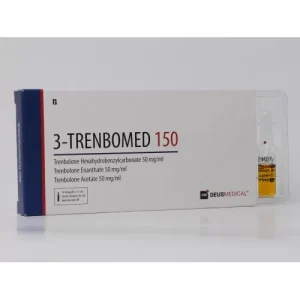 Check 3-Trenbomed 150 By Deus Medical
Biological Mechanisms Linking Muscle and Mind
The physiological effects of bodybuilding extend far beyond muscle hypertrophy. At the cellular level, resistance training triggers a cascade of biochemical changes that directly influence brain health. One of the most significant is the upregulation of Brain-Derived Neurotrophic Factor (BDNF), a protein that plays a critical role in neurogenesis, synaptic plasticity, and overall cognitive function. Elevated BDNF levels are associated with improved learning, memory retention, and faster neural communication.
Bodybuilding also influences hormonal balance in ways that benefit the brain. Testosterone and growth hormone—both elevated through intense resistance training—have neuroprotective properties and support the regeneration of brain tissue. Meanwhile, cortisol, the stress hormone, is modulated through consistent training, helping reduce chronic stress and its damaging effects on the brain.
Enhanced blood flow is another key factor. The increased cardiovascular demand during heavy lifting improves cerebral circulation, delivering oxygen and nutrients to brain cells more efficiently. This heightened perfusion supports mental clarity, reaction time, and overall brain vitality.
Resistance Training and Cognitive Function
Bodybuilding isn’t just about brute strength—it’s a strategic endeavor that demands mental precision. The process of progressive overload, where weights are gradually increased to challenge the muscles, mirrors cognitive training. It requires planning, tracking, and adaptation—skills that engage executive functions such as working memory, attention control, and problem-solving.
Studies have shown that resistance training can lead to measurable improvements in cognitive performance, particularly in areas like memory, processing speed, and inhibitory control. The mental effort involved in executing complex lifts, maintaining form, and adjusting routines stimulates the prefrontal cortex—the brain’s command center for decision-making and focus.
Moreover, the discipline of bodybuilding fosters goal-oriented thinking. Lifters often set micro-goals (e.g., increasing reps or improving form) and macro-goals (e.g., achieving a certain physique), which trains the brain to think strategically, stay motivated, and persist through challenges.
Bodybuilding and Emotional Regulation
The emotional benefits of bodybuilding are profound. Intense physical exertion triggers the release of endorphins—natural mood elevators that combat anxiety and depression. Additionally, dopamine and serotonin levels rise post-workout, contributing to feelings of satisfaction, motivation, and emotional stability.
Bodybuilders often report a sense of mental clarity and emotional resilience after training sessions. This isn’t just anecdotal; it’s rooted in neurochemistry. The repetitive nature of lifting, combined with the focus required, creates a meditative rhythm that calms the mind and reduces rumination.

Furthermore, the structure and routine of bodybuilding provide psychological grounding. In a world of constant stimulation and unpredictability, the gym becomes a sanctuary—a place where effort translates into progress, and control over one’s body fosters control over one’s emotions.
Brain Benefits Across the Lifespan
The cognitive advantages of bodybuilding aren’t limited to a specific age group—they span the entire human lifespan. For young adults, resistance training enhances academic performance by improving concentration, memory, and stress management. The discipline learned in the gym often translates into better study habits and sharper mental acuity.
In middle age, bodybuilding supports productivity and creativity. The mental clarity gained from regular training can improve workplace performance, interpersonal relationships, and problem-solving abilities. It also helps combat the cognitive fatigue that often accompanies high-stress lifestyles.
For older adults, bodybuilding serves as a powerful tool for neuroprotection. Resistance training has been shown to slow age-related cognitive decline, reduce the risk of neurodegenerative diseases like Alzheimer’s, and preserve motor function. Maintaining muscle mass and strength into later life is closely linked to maintaining independence and mental sharpness.
Related Article: Understanding Trenbolone-Induced Cough (“Tren Cough”)
Nutrition Synergy: Feeding the Brain and Body
Bodybuilders are known for their meticulous attention to diet—and many of the nutrients prioritized for muscle growth also support brain health. Protein, for instance, provides amino acids like tyrosine and tryptophan, which are precursors to dopamine and serotonin. These neurotransmitters regulate mood, motivation, and cognitive function.
Omega-3 fatty acids, often consumed through fish or supplements, are essential for maintaining the structural integrity of brain cells and supporting synaptic function. Creatine, widely used for muscle performance, also enhances working memory and cognitive processing speed.
Micronutrients such as magnesium, zinc, and B vitamins—common in bodybuilding diets—play crucial roles in neurotransmission, energy metabolism, and stress regulation. In essence, the nutritional discipline of bodybuilding creates a biochemical environment that’s optimal for both physical and mental performance.
| Nutrient | Role in Bodybuilding | Benefit to Brain Function |
| Protein | Builds and repairs muscle tissue | Provides amino acids for neurotransmitter synthesis (e.g., dopamine, serotonin) |
| Omega-3 Fatty Acids | Supports joint health and reduces inflammation | Enhances synaptic plasticity and cognitive performance |
| Creatine | Boosts muscular power and endurance | Improves working memory and mental processing speed |
| Magnesium | Aids muscle recovery and energy production | Regulates mood, supports sleep, and enhances neural signaling |
| Zinc | Supports testosterone production and immune function | Facilitates neurotransmission and cognitive stability |
| B Vitamins | Essential for energy metabolism | Supports brain energy, focus, and stress resilience |
Practical Recommendations: Training for Cognitive Enhancement
To maximize the brain-boosting benefits of bodybuilding, certain training strategies can be especially effective. Compound movements like squats, deadlifts, and bench presses engage multiple muscle groups and require high levels of coordination and focus, making them ideal for stimulating cognitive function.
Incorporating periodization—structured variation in intensity and volume—keeps the brain engaged and prevents mental stagnation. Mindful lifting, where attention is placed on form and muscle activation, strengthens the mind-muscle connection and enhances neural precision.
Recovery is equally important. Adequate sleep, hydration, and rest days allow the brain to consolidate gains made during training. Overtraining can lead to mental fatigue and hormonal imbalance, so balance is key.
Finally, integrating visualization techniques, goal-setting, and journaling into your routine can amplify the cognitive benefits. Treat each workout as both a physical and mental challenge, and the rewards will extend far beyond the mirror.
 Click Here to Buy Clenbutaplex by Axiolabs
Overall
Bodybuilding is often seen as a pursuit of physical perfection—a relentless drive to build mass, define muscle, and push the limits of human strength. But beneath the surface of iron and sweat lies a deeper transformation, one that reshapes not just the body but the brain. Through disciplined resistance training, strategic nutrition, and the cultivation of the mind-muscle connection, bodybuilders engage in a form of cognitive conditioning that rivals any mental workout.
The science is clear: lifting weights doesn’t just build biceps—it builds better brains. From enhanced memory and focus to emotional resilience and neuroprotection, the benefits of bodybuilding extend far beyond the gym floor. It’s a holistic discipline where every rep strengthens not only muscle fibers but neural pathways, and where every set is a step toward mental clarity and cognitive excellence.
As we continue to explore the intersection of fitness and neuroscience, it’s time to reframe bodybuilding not merely as a physical art, but as a powerful tool for brain development. In the pursuit of strength, we find intelligence. In the sculpting of muscle, we shape the mind.


Battle of the Cutting Kings: Primobolan vs Masteron

Too Low Estradiol? Insights from High-Dose Testosterone and Primobolan Use

From Cholesterol to Cortisol: The Molecular Story of Steroids

One Workout to Rule Them All: Full-Body Training Over Splits

Fueling Energy from Within: How to Build Stronger Mitochondria Through Training

Is Training/Lifting Barefoot A Good Idea? Find Out

Using Insulin Needles to Inject AAS: Pros and Cons

Is NAD+ The Best Anti-aging Molecule for Men Over 40?

Estrogen Management: SERMs and AIs Compared

The Testosterone Trap: Why Bigger Levels Don’t Guarantee Bigger Muscles

Sodium, Potassium, and Pump: The Science Behind Electrolytes Balance in Bodybuilding
Estrogen Management: SERMs and AIs Compared
Using Insulin Needles to Inject AAS: Pros and Cons
The Testosterone Trap: Why Bigger Levels Don’t Guarantee Bigger Muscles
Is NAD+ The Best Anti-aging Molecule for Men Over 40?
Is Training/Lifting Barefoot A Good Idea? Find Out
Fueling Energy from Within: How to Build Stronger Mitochondria Through Training
One Workout to Rule Them All: Full-Body Training Over Splits
From Cholesterol to Cortisol: The Molecular Story of Steroids
Too Low Estradiol? Insights from High-Dose Testosterone and Primobolan Use
Sodium, Potassium, and Pump: The Science Behind Electrolytes Balance in Bodybuilding
Estrogen Management: SERMs and AIs Compared
Using Insulin Needles to Inject AAS: Pros and Cons
The Testosterone Trap: Why Bigger Levels Don’t Guarantee Bigger Muscles
Is NAD+ The Best Anti-aging Molecule for Men Over 40?
Is Training/Lifting Barefoot A Good Idea? Find Out
Fueling Energy from Within: How to Build Stronger Mitochondria Through Training
One Workout to Rule Them All: Full-Body Training Over Splits
From Cholesterol to Cortisol: The Molecular Story of Steroids
Too Low Estradiol? Insights from High-Dose Testosterone and Primobolan Use
-
 Bodybuilding Products2 years ago
Telmisartan In Bodybuilding: An Expert’s Advice
-
 Steroids2 years ago
Anadrol Cycle: Benefits, Doses, Alternatives, etc.
-

 Anabolic Steroids2 years ago
Joint Stiffness: How to Manage It While on AAS
-
 Bodybuilding1 year ago
Primal Movements: Our Ultimate Guide for Maximum Results
-
 Bodybuilding1 year ago
How Effective is Bone Broth for Recovery?
-

 Steroids1 year ago
Bodybuilder Winter Clothing: Staying Warm and Stylish
-

 Steroids2 years ago
Omnitope (Oxytocin)
-
 Bodybuilding2 years ago
How Much Is Too Much Cardio? Understanding Heart Rate Zones
-
 Steroids1 year ago
Sleeping Positions for Effective Muscle Recovery
-

 Steroids1 year ago
Ostarine For Beginners: The Ultimate Guide
-
 Bodybuilding1 year ago
2nd Edition of Natural Bodybuilding Competition Facts
-
 Bodybuilding1 year ago
Are Nootropics a Better Option to AAS?
-

 Bodybuilding1 year ago
Top Video Games for Bodybuilders in 2025
-
 Steroids11 months ago
Raloxifene (Evista) 101: A Non-Surgical Solution for Gyno
-
 Bodybuilding2 years ago
Demystifying Hypertrophy Training
-

 Steroids1 year ago
Tips on How to Store Peptides and HGH
-

 Steroids12 months ago
Why Post-Cycle Therapy (PCT) Fails After a Nandrolone Cycle
-

 Beginners1 year ago
14 Morning Run Safety Tips for Bodybuilding and Fitness
-
 Steroids11 months ago
Creatine vs Myostatin: An Expert’s Analysis
-

 Steroids1 year ago
Glutathione – The Most Underrated Antioxidant
-

 Bodybuilding2 years ago
List of FDA-Approved Peptides
-

 Product Reviews2 years ago
Top Vitamins for Skin Health
-
 Anabolic Steroids2 years ago
How Much Do You Know About B-AET? A Fat Burner You’ve Been Missing
-
 Bodybuilding2 years ago
Hormone Replacement Therapy (TRT) Cycle Guide
-

 Anabolic Steroids2 years ago
Anavar Cycle for Men and Women