
Nutrition
5 Creative High Protein Meal – Prep Dishes to Save You Time

For people who are always busy a good example being athletes, meal prepping comes in as a very important concept. The concept basically involves preparing your meals or dishes way before consuming them. It is a very imperative not only in saving time but also in its effect on the health of the individual. Preparing Meal a head of your schedule as it seems is of course a bit complicated. We therefore decide to explore this concept here in great details highlighting some of the top 5 most creative high protein meal prep dishes that can help you save time if you are a busy individual.
Why is meal prepping beneficial?
 Preparing your meals in advance some great benefits touching on some aspects such as your nutrition, your lifestyle and so much more. Here are some of the most important benefits that you can be sure to rip if you consider meal prepping:
- Helps you stick to your preferred diet - When you have your meals ready, you can never be tempted to eat something that is may not be important for your health nutrition-wise.
- Controlling your diet is easier - Meal prepping does not only help in making sure that you stick to your diet but also comes in strongly in helping ensure that the diet you are consuming has the right contents in the right amounts.
- You can easily put your hunger under control - Since you already prepared your meal, there is no point why you should feel hungry since you can easily eat your meal.
- Saving time - Of course, we cannot fail to mention that meal prepping saves quite some time especially if you have little time to prepare your meals.
- Saving your costs - Have your meal already prepared saves some costs such as costs of delivery of meals, you don’t waste a lot of food and other resources.
When you start meal prepping, you tend to know exactly how much of the ingredients you will need for each of the meals that you will be preparing. This in the long run helps reduce wastage.
Related Article:: Bodybuilding Diet Myths for Beginners
Some disadvantages of meal prepping
 Meal prepping lacks many disadvantages. Some of the few that can be found include:
- It can get boring for some people - Some people prefer to eat a wide variety of food. Meal prepping on the other hand in most cases will involve eating only a single variety of food. This will not favor people who like going for variety.
Prep Containers >> HERE
- May not be good for kids - Meal prepping may not work for kids because they may not like the plan.
The disadvantages of meal prepping can easily be avoided through using spices of different varieties or any other way of flavoring your food. This way, you end up avoiding the monotony.
The different ways of prepping High Protein Meal
Meal prepping can be done in several ways most of which take care of how much time you want to spend during the process. You can always spare your weekend if you choose the best way of meal prepping. Here are the different ways that you can prep High Protein Meal:
Cooking meals in advance
This way of meal prepping simply involves cooking full meals such that the next thing when they are removed from the fridge will be eating them. The only thing that might intercept will be reheating them so that they are warm and good for consuming. The most appropriate meals that this way of High Protein Meal prepping is suitable are those meals that are particularly great for dinner.
Batch cooking
 Another way of meal prepping is batch cooking. Batch cooking involves preparing sizeable quantities of a certain recipe, which can then be divided into single portions. These portions are each frozen and are consumed for a given period of time usually of several months. Meals that are good for lunch and even dinner will be best prepped using this way of meal prepping.
KETO Meal Prep >> HERE
Portioned individual meals
In this way, one basically prepares meals then divides them into portions that are separate. These portions are refrigerated and can be easily grabbed and consumed afterwards. If you like quick lunches, then this way will be particularly good for you to use as you prep your meals.
Earlier ingredient preparation
Sometimes if you do not want to prepare meals in advance but still want to save some time, then you can consider preparing your ingredients earlier. This means that you are going to use minimum time as much as possible while in the kitchen.
There may be other ways that you can do your meal prepping. It totally depends on your day-to-day routine. However, the above-mentioned ways are the most common and one or two are likely to favor your routine and ensure that you are not late whether you are an athlete or any other person who is busy.
Must Read:: Best Diet Plan for Bodybuilders 2019
What to Consider Before Starting Meal Prepping
Before you start meal prepping and even before choosing your recipe, there are 3 things you need to put into consideration:
The meal you want to prepare at an appropriate time
There are meals you may want to prepare for breakfast, lunch or dinner. It is very important that you know which food will be the best at such times for you.
- The day of doing your meal preps - So that you do not interfere with your work or your workouts, find a suitable time that you can do your meal preps. People often go for Sundays and Wednesdays but it is upon you to choose the appropriate day.
- The amount you want to prepare - Deciding on the amount to prepare is also very important. This makes sure that you do not waste a lot of time and at the same time ensure that the food lasts the time intended.
The Type and Number of Meals to Prepare During High Protein Meal Prepping

Something that is very crucial when it comes to meal prepping is getting to know the type of meal as well as the number of meals to prepare. This is because Meal Prepping is all about planning a head and one cannot plan ahead without knowing what and in which amounts to prepare. To ensure that you get the right type and amount to prepare, you can follow this guide here:
- Find out the type of meal that you want depending on your preferences.
- The next thing that you will consider is the meal prepping method that will fit your day-to-day activities and lifestyle.
- After having landed the best method for you, have a quick check on your calendar and find out the number of breakfast, lunches and dinners that you will require for the specified period of time according to your method and again your lifestyle.
- Take into consideration the times you are likely to not use your meal preps for example you may have dates and so on.
- Start with recipes that are familiar to you and then slowly transit to more complex recipes.
Spending less time while High Protein Meal prepping
 While it help save time in the long run, meal prepping can keep you in the kitchen if you are not well prepared. Highlighted here are some of the tips that can help ensure that you are spending less time as much as possible in the kitchen when doing your meal preps.
Have one schedule that you use
Having a single schedule for your meal preps is a good first step in ensuring that you spend the least time possible in the kitchen. Have a clear outline of when you will fetch your groceries and when you will be preparing the meals. This of course also depends on your lifestyle and how busy you are.
Know the recipes that you need for your meal preps
Having a well-known combination of recipes for a given meal preps is something else that goes a long way I ensuring that you spend as less time as much as possible. It is generally recommended that your recipes should at least require different cooking methods so that you do not end up requiring the same utensil for several kinds of meals.
A good organization in prep and cooking time is required
Different foods have different cooking times. Knowing this will help you organize how well you can ensure that you they fit into your lifestyle. Generally, start with foods that require long cooking times. As they cook, you can focus on the ones that require shorter times.
Have a shopping list
Lastly, if you are considering saving time while making your preps, always ensure that you have your shopping list. This is one area that when not properly taken into consideration will lead to a lot time being wasted. Things like getting to double check everything will waste a lot of time. Therefore, a shopping list is a great tool for you to save time while making your meal preps in the kitchen.
General types of foods suitable for meal prepping
Before looking into the 5 high protein meal prep dishes, here are some of the general types of foods that are good when it comes to meal prepping. Some of them will be a crucial part of the dishes you will want to prepare.

- Frozen vegetables - are among some of the best foods you can incorporate into your meal preps. They include broccoli, cauliflower, green beans and peas.
- Starchy vegetables - suitable for meal prepping include cassava, potato, taro and canned pumpkin.
- Stiff fresh vegetables - in this category include cabbage, carrots and radish.
- Lean protein - are also part and parcel of meal prepping. Foods in this category include eggs, shredded cheese, tofu, beef and pork.
- Whole fruits - to ensure that you balance your diet, fruits should also be part of the meal preps. Notable fruits include apples, oranges, pears and bananas.
The 5 creative high protein meal prep dishes
After having looked into various concepts of meal preps, one thing that has emerged is the need to save time. Busy athletes and other people will try to identify those dishes, which will help them save time and at the same time contain high protein, which is required considering the nature of their activities. Here are some of those dishes, which will make sure that you are spending less time in the kitchen and contain high proteins.
1 Slow Cooker Barbecue Chicken
 Barbecue chicken for a long time has been the best meal to be taken during dinner. Something good about it is that it can be made more easily and quickly compared to most other foods.
Crock Pot 8 >> HERE
Here is how you can prepare your barbecue chicken as a meal prep:
- You will first make a tex-mex salad with lettuce, tomato, onion, black beans, Monterey jack cheese and crushed tortilla chips about a handful.
- This is followed by topping over a thin-crust whole-wheat pizza dough and then sprinkling with mozzarella.
- After that, you will top over medium baked sweet potato.
- Then make a quesadilla with high protein tortillas, Monterey jack cheese, beans and diced tomatoes.
- Finally, roll into a high protein tortilla full of lettuce, tomato, onion and Colby-jack cheese.
2. Beef Stir - Fry With Asian Peanut Sauce
 This another great dish that falls in our category of creative high protein meal preps, you can quickly prepare this dish through following the simple steps below.
- Chop the beef and add it to brown rice and beans or a chili if available.
Beef Stir >> HERE
- You can then cube, reheat and then add to a soup that is broth-based and which has sliced vegetables, a good example being carrots.
- The next thing that you do is making a Panini sandwich using thin slices of pork and some cheese.
- Next, you serve over wild rice with sautéed cauliflower or even kale on the side.
- Finally, slice and then add whole grain pasta with vegetables.
3. Rosemary - Mustered Pork Tenderloin
 Next on our list of the top 5 creative high protein meal prep dishes is the rosemary- mustered pork tenderloin. Here is how you can prepare your dish.
- Chop the pork tenderloin and add it to brown rice and beans or even a chili.
- Proceed to add to a broth-based soup with sliced vegetables after having cubed and reheated.
- Follow this by making a Panini sandwich with thin slices of pork and cheese.
- Serve over wild rice with sautéed cauliflower or kales if available on the side.
- You can then slice and add to whole grain pasta with vegetables.
4. Baked Salmon With Citrus Herbs
 This dish is for those who like fish. A delicious dish can be prepared as described here below.
- Baked salmon can be enjoyed over some green salad made with lettuce, tomatoes, cucumber, feta cheese and sunflower seeds.
- It can be served with quinoa or sometimes faro and some side vegetable be it cauliflower or broccoli.
- The leftover salmon can diced and used in a frittata or an omelet.
- You can then chop and make into salmon cakes.
- This can be used in fish tacos with black beans, shredded cheese dice avocado.
5. Teriyaki Tofu
 Although it can generally be said that tofu lacks the flavor, it is a far way good dish that can quickly be prepared and also contains high proteins. Besides, you can easily infuse ginger, garlic, onions or any other flavors to suit your flavors.
- Teriyaki tofu can be served over brown rice or even sorghum.
- Toss it into leftover chili.
- You can then create a Buddha bowl with sautéed greens and lentils.
- Finally serve with baked sweet potato fries and broccoli.
Storage of the Meal Preps
After having prepared your meals, the next thing that you will consider is storage so that they remain fresh for the period that you specified. The most important thing that is highlighted here is the medium of storage. Getting the right storage contain will go a long way into ensuring that you get the best result ever. Storage containers can be:
Airtight Containers
Airtight containers can be used to keep ingredients, which are ready to cook. They should be washable and include silicone baggies and stainless steel containers, which are reusable.

BPA-Free Microwavable Containers
BPA-microwavable containers have the advantage in the sense they are very convenient and are not harmful to your health. Example of these containers include Pyrex glassware and collapsible silicone containers.

Freezer-Safe Containers
 Freezer safe containers come in strongly in helping maintain the quality of your food. This because they have this effect of limiting freezer burn as well as nutrient losses. The container of choice in this category include the wide-mouthed mason jars with a space of about 1 inch left to allow space for the expansion of food when it freezes.
Compartmentalized Containers That Are Leak-Proof
Finally, some very good containers that you may consider using for storage of your meal prep dishes are the compartmentalized leak-proof containers. Particularly if it comes to those meal prep dishes intended for lunch or those dishes that usually require their ingredients to be mixed at the end.
Food Safety When Carrying Out Prepping
Meal prepping can result to some health problems if enough care is not taken into consideration. One such health problem is food poisoning, which affects millions each year. So what guidelines can be used to ensure that food poisoning as well as other health effects related to meal prepping are not experienced?
Proper Temperatures
You refrigerator or freezer should always be at proper temperatures. The recommended refrigerator temperatures are about 5 degrees Celsius or below while for the freezer should be -18 degrees Celsius or below
Refrigerating Fresh Foods
Fresh foods should always be refrigerated as early as within 2 hours of purchase and after cooking. To ensure that they cool quickly, you can simply spread those foods, which have been cooked into containers, which are a bit shallow. This is followed immediately by transferring them into your refrigerator.
Storage Period
Storage times for certain foods is important. For instance, such foods like fresh meat or even fish should be cooked within about 2 days after purchasing them. Others like red meat can stay a bit longer but not more than 5 days after purchasing them. Within the storage times, it is recommended that they foods be kept in the bottom shelf of the refrigerator.
Cooking Temperatures
Cooking temperatures should be the right for the right type of food. This is because bacteria in different foods are killed at different temperatures. For example, meats heated to temperatures of at least 75 degrees Celsius will ensure that most of the bacteria are killed.
Thawing food
Thawing food should also be done safely and the best way to this is by using your refrigerator instead of instead of the countertop like some people do. So that this process is done faster, you can submerge the food in cold water and change the water after every 30 minutes.
Reheating the food
Reheating the food is another thing that will ensure that your food is well and safe. This should be done at the right temperature as well as just once. The recommended temperature of reheating the food is usually about 75 degrees Celsius. It is generally considered that the more times you heat your food the more you increase the chances of food poisoning. It is therefore in the best interest that you heat your food only once.
Labeling
Labeling your food and including the date on which they should be consumed also helps ensure that your dishes stay safe as much as possible.
Eat food at the right time
Lastly, eat the food within the stipulated time. This will ensure that the food does not go and give you food poisoning.
Conclusion
Meal prepping can be a great way to help you save cooking time if you are a busy athlete. This article has highlighted some important concepts regarding meal prepping as well as giving you some of the top 5 creative high protein meal preps that can be very helpful.











NAD+(Nicotinamide Adenine Dinucleotide) has become the quiet obsession of athletes and bodybuilders who care as much about longevity as they do about performance. For men over 40, the game changes: recovery slows, energy dips, and the margin for error—sleep, nutrition, stress—gets razor-thin. That’s where NAD+ steps in. As a central coenzyme in cellular metabolism, NAD+ powers the mitochondria that generate ATP, supports DNA repair, and helps regulate inflammation and oxidative stress—the exact pressures that compound with age and intense training. The catch? NAD+ levels decline as we get older, and that drop doesn’t just feel like “getting tired”; it shows up as reduced work capacity, stubborn recovery, and a harder fight to preserve lean mass.
For the seasoned lifter, anti-aging isn’t about turning back the clock—it’s about staying dangerous: maintaining strength, clarity, and resilience year after year. By supporting NAD+—through smart training, lifestyle, and targeted precursors like NR or NMN—you’re not chasing a miracle; you’re reinforcing the cellular systems that keep you strong. Think steadier energy across sets, cleaner recovery between sessions, and a more robust response to stressors that typically erode performance after 40.
This article explores how NAD+ intersects with muscle metabolism, hormonal signaling, and recovery pathways, and what practical steps can help you sustain the physique and output you’ve built. If you’re a man over 40 who refuses to age passively, NAD+ isn’t hype—it’s a lever worth understanding and pulling with intention.
Must Read: How to Manage Joint Stiffness While on AAS
Why NAD+ Levels Drop in Men Over 40
NAD+ levels decline with age because the body’s ability to produce and preserve this vital coenzyme weakens, while demand for it increases.
Reduced biosynthesis: The enzymes and pathways that create NAD+ from precursors like niacin and tryptophan become less efficient over time.
Increased consumption: NAD+ is used by repair enzymes such as PARPs (for DNA repair) and sirtuins (for regulating metabolism and aging). As DNA damage and oxidative stress accumulate with age, these enzymes consume more NAD+, depleting reserves.
Greater degradation: Another enzyme, CD38, becomes more active with age. CD38 breaks down NAD+, and its rising activity is strongly linked to age-related decline in NAD+.
Mitochondrial dysfunction: Aging cells often suffer from less efficient mitochondria. Since NAD+ is central to mitochondrial energy production, dysfunction accelerates its depletion.
Lifestyle and stress factors: Poor sleep, chronic stress, alcohol, and high-intensity training without proper recovery can further drain NAD+ levels, especially in men over 40
Why This Matters for Men Over 40
- Lower NAD+ means slower recovery, reduced energy output, and greater susceptibility to inflammation.
- Declining NAD+ is linked to fatigue, cognitive decline, and accelerated aging.
For athletes and bodybuilders, this translates into harder muscle maintenance, longer recovery windows, and plateaus in performance.

Remedies to Boost NDA+ Levels in Men Over 40
Men and athletes over 40 can boost NAD+ levels through a mix of lifestyle strategies (exercise, fasting, sleep), dietary choices (niacin-rich foods), and supplementation (NR, NMN, NAD+ IV therapy).
Lifestyle Approaches
Regular exercise: Endurance and resistance training stimulate mitochondrial function and naturally increase NAD+.
Intermittent fasting: Periods of caloric restriction activate sirtuins, which depend on NAD+.
Quality sleep: Restorative sleep reduces oxidative stress and preserves NAD+ reserves.
Stress management: Chronic stress elevates NAD+ consumption; mindfulness and recovery practices help conserve it.
Avoid excess alcohol: Alcohol metabolism depletes NAD+, so moderation is key.
Related Article: Healing Peptides in Focus: BPC-157 vs TB-500 for Injury Recovery
Dietary Strategies
Niacin-rich foods: Chicken, tuna, salmon, turkey, and mushrooms provide vitamin B3, a precursor to NAD+.
Tryptophan sources: Eggs, dairy, and nuts support NAD+ synthesis via the kynurenine pathway.
Polyphenols: Resveratrol (found in grapes and red wine) activates sirtuins, indirectly supporting NAD+.
Ketogenic diet: Promotes fat metabolism and enhances NAD+/NADH ratio.
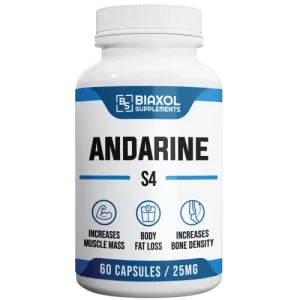
Click Here to Buy Andarine S4 By Biaxol
Supplementation
Nicotinamide Riboside (NR): A direct precursor shown to raise NAD+ levels in humans.
Nicotinamide Mononucleotide (NMN): Another precursor with strong evidence for boosting NAD+ and supporting anti-aging pathways.
NAD+ IV therapy: Direct infusion used by some athletes for rapid replenishment.
Co-factors like magnesium and B vitamins: Support enzymatic reactions that sustain NAD+ metabolism.
Advanced/Medical Options
CD38 inhibitors: Experimental compounds that reduce NAD+ breakdown.
PARP inhibitors: Limit excessive NAD+ consumption during DNA repair (still under research).
Hormonal optimization: Testosterone and growth hormone balance indirectly support NAD+ pathways in men over 40.
The Catch:
Energy & endurance: Higher NAD+ means more efficient ATP production.
Recovery & repair: Supports DNA repair and reduces inflammation after training.
Anti-aging resilience: Helps maintain muscle mass, cognitive clarity, and metabolic health.
NAD+ Delivery Methods
1. Intravenous (IV) NAD+ Therapy
- Direct infusion of NAD+ into the bloodstream.
- Used in clinics for rapid replenishment of cellular NAD+.
- Often promoted for anti-aging, recovery, and cognitive clarity.
- Sessions can last several hours, as NAD+ must be infused slowly to avoid side effects (like nausea or flushing).
Dosing: Typically ranges from 250 mg to 1000 mg per session, but exact protocols vary by clinic and medical supervision.
2. Intramuscular or Subcutaneous Injections
- Less common than IV, but some practitioners use NAD+ injections for quicker delivery than oral supplements.
- Provides a shorter, more concentrated boost compared to IV drip.
- Still requires medical oversight, as NAD+ injections can be uncomfortable and must be dosed carefully.
Oral Supplementation
1. NAD+ Precursors (NMN & NR)
- Nicotinamide Mononucleotide (NMN) and Nicotinamide Riboside (NR) are widely available as capsules or powders.
- These compounds are converted into NAD+ inside cells.
- Easier, safer, and more practical for long-term use compared to IV therapy.
Dosing: Common ranges are 250–500 mg daily, though some studies explore higher doses.
Check Out: Piracetol Review Benefits and Side Effect
2. NAD+ Capsules
- Direct oral NAD+ supplements exist, but absorption is less efficient than precursors.
- Most experts recommend NMN or NR instead, as they are better studied and more bioavailable.
Overall
In the pursuit of strength, endurance, and longevity, NAD+ emerges as more than just a biochemical cofactor—it is a cornerstone of vitality for athletes and men over 40. As natural levels decline with age, the consequences ripple through energy, recovery, and resilience. By embracing lifestyle strategies, nutrient-rich diets, and modern supplementation, bodybuilders can sustain performance while slowing the clock on cellular aging. Whether through daily NMN or NR, or targeted therapies under medical guidance, supporting NAD+ is an investment in both present power and future health—a path to staying strong, sharp, and ageless in the decades ahead.
In the world of bodybuilding, the focus often centers on sculpting muscle, maximizing strength, and achieving peak physical aesthetics. But beneath the surface of shredded abs and bulging biceps lies a lesser-known benefit of intense physical training: enhanced brain development. Far from being just a pursuit of physical dominance, bodybuilding—when approached with discipline, consistency, and strategic intensity—can act as a powerful catalyst for cognitive growth.
Recent research reveals that resistance training and hypertrophy-focused workouts stimulate not only muscle fibers but also neural pathways. The same progressive overload that builds mass also boosts neuroplasticity, improves memory, sharpens focus, and elevates mood. As bodybuilders push through reps and sets, they’re not just transforming their physiques—they’re rewiring their brains for resilience, clarity, and mental agility.
This article explores the fascinating intersection of bodybuilding and neuroscience, uncovering how lifting iron can lift your cognitive potential too.
Must Read: Primal Movements: Our Ultimate Guide for Maximum Results
The Mind-Muscle Connection: A Cognitive Discipline
In bodybuilding, the phrase “mind-muscle connection” is more than motivational jargon—it’s a neurological reality. This concept refers to the intentional focus a lifter places on a specific muscle group during exercise, ensuring that each contraction is deliberate and maximally effective. But what’s often overlooked is how this practice trains the brain just as rigorously as it trains the body.
When a bodybuilder concentrates on isolating the biceps during a curl or activating the glutes during a squat, they’re engaging in a form of neuromuscular meditation. This heightened awareness demands cognitive control, proprioception, and refined motor coordination. Over time, such deliberate engagement strengthens neural pathways associated with attention, spatial awareness, and executive function.
Moreover, the discipline required to maintain perfect form, track progressive overload, and adhere to structured routines builds mental resilience. Bodybuilders learn to override discomfort, delay gratification, and stay mentally present through grueling sets—skills that translate directly into improved focus, emotional regulation, and decision-making in everyday life.
In essence, the mind-muscle connection is not just a tool for hypertrophy—it’s a cognitive exercise. It transforms each workout into a session of mental sharpening, where the brain learns to command the body with precision, intention, and clarity.
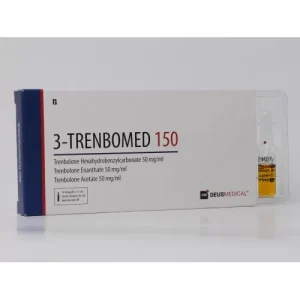 Check 3-Trenbomed 150 By Deus Medical
Biological Mechanisms Linking Muscle and Mind
The physiological effects of bodybuilding extend far beyond muscle hypertrophy. At the cellular level, resistance training triggers a cascade of biochemical changes that directly influence brain health. One of the most significant is the upregulation of Brain-Derived Neurotrophic Factor (BDNF), a protein that plays a critical role in neurogenesis, synaptic plasticity, and overall cognitive function. Elevated BDNF levels are associated with improved learning, memory retention, and faster neural communication.
Bodybuilding also influences hormonal balance in ways that benefit the brain. Testosterone and growth hormone—both elevated through intense resistance training—have neuroprotective properties and support the regeneration of brain tissue. Meanwhile, cortisol, the stress hormone, is modulated through consistent training, helping reduce chronic stress and its damaging effects on the brain.
Enhanced blood flow is another key factor. The increased cardiovascular demand during heavy lifting improves cerebral circulation, delivering oxygen and nutrients to brain cells more efficiently. This heightened perfusion supports mental clarity, reaction time, and overall brain vitality.
Resistance Training and Cognitive Function
Bodybuilding isn’t just about brute strength—it’s a strategic endeavor that demands mental precision. The process of progressive overload, where weights are gradually increased to challenge the muscles, mirrors cognitive training. It requires planning, tracking, and adaptation—skills that engage executive functions such as working memory, attention control, and problem-solving.
Studies have shown that resistance training can lead to measurable improvements in cognitive performance, particularly in areas like memory, processing speed, and inhibitory control. The mental effort involved in executing complex lifts, maintaining form, and adjusting routines stimulates the prefrontal cortex—the brain’s command center for decision-making and focus.
Moreover, the discipline of bodybuilding fosters goal-oriented thinking. Lifters often set micro-goals (e.g., increasing reps or improving form) and macro-goals (e.g., achieving a certain physique), which trains the brain to think strategically, stay motivated, and persist through challenges.
Bodybuilding and Emotional Regulation
The emotional benefits of bodybuilding are profound. Intense physical exertion triggers the release of endorphins—natural mood elevators that combat anxiety and depression. Additionally, dopamine and serotonin levels rise post-workout, contributing to feelings of satisfaction, motivation, and emotional stability.
Bodybuilders often report a sense of mental clarity and emotional resilience after training sessions. This isn’t just anecdotal; it’s rooted in neurochemistry. The repetitive nature of lifting, combined with the focus required, creates a meditative rhythm that calms the mind and reduces rumination.

Furthermore, the structure and routine of bodybuilding provide psychological grounding. In a world of constant stimulation and unpredictability, the gym becomes a sanctuary—a place where effort translates into progress, and control over one’s body fosters control over one’s emotions.
Brain Benefits Across the Lifespan
The cognitive advantages of bodybuilding aren’t limited to a specific age group—they span the entire human lifespan. For young adults, resistance training enhances academic performance by improving concentration, memory, and stress management. The discipline learned in the gym often translates into better study habits and sharper mental acuity.
In middle age, bodybuilding supports productivity and creativity. The mental clarity gained from regular training can improve workplace performance, interpersonal relationships, and problem-solving abilities. It also helps combat the cognitive fatigue that often accompanies high-stress lifestyles.
For older adults, bodybuilding serves as a powerful tool for neuroprotection. Resistance training has been shown to slow age-related cognitive decline, reduce the risk of neurodegenerative diseases like Alzheimer’s, and preserve motor function. Maintaining muscle mass and strength into later life is closely linked to maintaining independence and mental sharpness.
Related Article: Understanding Trenbolone-Induced Cough (“Tren Cough”)
Nutrition Synergy: Feeding the Brain and Body
Bodybuilders are known for their meticulous attention to diet—and many of the nutrients prioritized for muscle growth also support brain health. Protein, for instance, provides amino acids like tyrosine and tryptophan, which are precursors to dopamine and serotonin. These neurotransmitters regulate mood, motivation, and cognitive function.
Omega-3 fatty acids, often consumed through fish or supplements, are essential for maintaining the structural integrity of brain cells and supporting synaptic function. Creatine, widely used for muscle performance, also enhances working memory and cognitive processing speed.
Micronutrients such as magnesium, zinc, and B vitamins—common in bodybuilding diets—play crucial roles in neurotransmission, energy metabolism, and stress regulation. In essence, the nutritional discipline of bodybuilding creates a biochemical environment that’s optimal for both physical and mental performance.
| Nutrient | Role in Bodybuilding | Benefit to Brain Function |
| Protein | Builds and repairs muscle tissue | Provides amino acids for neurotransmitter synthesis (e.g., dopamine, serotonin) |
| Omega-3 Fatty Acids | Supports joint health and reduces inflammation | Enhances synaptic plasticity and cognitive performance |
| Creatine | Boosts muscular power and endurance | Improves working memory and mental processing speed |
| Magnesium | Aids muscle recovery and energy production | Regulates mood, supports sleep, and enhances neural signaling |
| Zinc | Supports testosterone production and immune function | Facilitates neurotransmission and cognitive stability |
| B Vitamins | Essential for energy metabolism | Supports brain energy, focus, and stress resilience |
Practical Recommendations: Training for Cognitive Enhancement
To maximize the brain-boosting benefits of bodybuilding, certain training strategies can be especially effective. Compound movements like squats, deadlifts, and bench presses engage multiple muscle groups and require high levels of coordination and focus, making them ideal for stimulating cognitive function.
Incorporating periodization—structured variation in intensity and volume—keeps the brain engaged and prevents mental stagnation. Mindful lifting, where attention is placed on form and muscle activation, strengthens the mind-muscle connection and enhances neural precision.
Recovery is equally important. Adequate sleep, hydration, and rest days allow the brain to consolidate gains made during training. Overtraining can lead to mental fatigue and hormonal imbalance, so balance is key.
Finally, integrating visualization techniques, goal-setting, and journaling into your routine can amplify the cognitive benefits. Treat each workout as both a physical and mental challenge, and the rewards will extend far beyond the mirror.
 Click Here to Buy Clenbutaplex by Axiolabs
Overall
Bodybuilding is often seen as a pursuit of physical perfection—a relentless drive to build mass, define muscle, and push the limits of human strength. But beneath the surface of iron and sweat lies a deeper transformation, one that reshapes not just the body but the brain. Through disciplined resistance training, strategic nutrition, and the cultivation of the mind-muscle connection, bodybuilders engage in a form of cognitive conditioning that rivals any mental workout.
The science is clear: lifting weights doesn’t just build biceps—it builds better brains. From enhanced memory and focus to emotional resilience and neuroprotection, the benefits of bodybuilding extend far beyond the gym floor. It’s a holistic discipline where every rep strengthens not only muscle fibers but neural pathways, and where every set is a step toward mental clarity and cognitive excellence.
As we continue to explore the intersection of fitness and neuroscience, it’s time to reframe bodybuilding not merely as a physical art, but as a powerful tool for brain development. In the pursuit of strength, we find intelligence. In the sculpting of muscle, we shape the mind.
Growth Hormone (GH)—also known as Human Growth Hormone (HGH)—is a naturally occurring peptide hormone produced by the pituitary gland, located at the base of the brain. Its primary biological role is to stimulate growth, cell reproduction, and regeneration throughout the body.
In this context, GH is valued for its ability to:
- Promote lean muscle growth by enhancing protein synthesis and increasing muscle cell volume
- Accelerate fat metabolism through lipolysis (fat breakdown)
- Support recovery by improving tissue repair and reducing inflammation
- Preserve muscle mass during cutting phases or calorie-restricted diets
Unlike anabolic steroids, which directly increase muscle mass by mimicking testosterone, GH works more indirectly—modulating metabolic processes and amplifying the effects of other hormones like IGF-1 (Insulin-like Growth Factor 1), which is produced in response to GH and plays a key role in muscle hypertrophy.
Mechanism of Action
Growth Hormone (GH), secreted by the anterior pituitary gland, influences multiple physiological pathways that affect muscle growth, fat metabolism, and recovery. Here's how it works:
1. Stimulation of IGF-1 Production
GH travels to the liver, where it stimulates the production of Insulin-like Growth Factor 1 (IGF-1).
IGF-1 is a key anabolic hormone that promotes:
Muscle cell proliferation (more muscle cells)
Protein synthesis (building new muscle tissue)
Satellite cell activation, which helps repair and grow muscle fibers
Think of GH as the signal, and IGF-1 as the builder.
2. Enhanced Protein Synthesis
GH increases amino acid uptake in muscle cells.
It boosts ribosomal activity, leading to more efficient protein assembly.
This results in muscle hypertrophy—especially when combined with resistance training and anabolic agents.
3. Fat Metabolism (Lipolysis)
GH activates hormone-sensitive lipase, an enzyme that breaks down stored fat (triglycerides) into free fatty acids.
These fatty acids are then used as fuel, especially during fasting or low-insulin states.
GH also inhibits lipogenesis, the process of creating new fat cells.
4. Insulin Antagonism
GH reduces the effectiveness of insulin in fat cells, making it harder for the body to store fat.
This shift encourages the body to rely more on fat oxidation for energy, particularly during cardio or caloric deficits.
5. Cell Regeneration and Recovery
GH promotes mitogenesis—the division of cells, including muscle fibers.
It accelerates tissue repair, reducing recovery time between workouts.
GH also supports collagen synthesis, improving joint and connective tissue health.
6. Water Retention and Cosmetic Muscle Fullness
GH increases sodium and water retention, which can make muscles appear fuller.
While this isn’t true hypertrophy, it contributes to the “GH look” many bodybuilders seek.
Must Read: Glutathione – The Most Underrated Antioxidant
So Basically...
Growth Hormone acts as a master regulator: it signals the liver to produce IGF-1, enhances protein synthesis, mobilizes fat stores, and accelerates recovery. While it doesn’t build muscle directly like anabolic steroids, it creates an environment where muscle growth and fat loss can occur more efficiently—especially when paired with proper training, nutrition, and other compounds.
Ideal Protocols and Timing for GH
timing and dosing are everything when it comes to maximizing the effects of Growth Hormone (GH) in bodybuilding. Here's a detailed breakdown of ideal protocols and timing based on expert recommendations and real-world usage:
Dosage Guidelines
- Beginners: 1–2 IU (International Units) per day
- Intermediate Users: 3–4 IU/day
- Advanced/Competitive Bodybuilders: 4–6 IU/day or more, often split into multiple doses
Note: Higher doses increase the risk of side effects like water retention, joint pain, and insulin resistance. Always start low and assess tolerance.
Timing Strategies
To mimic the body’s natural GH secretion and optimize fat loss and muscle growth, timing matters:
1. Morning (Fastest Fat Burn)
Take GH first thing in the morning on an empty stomach, enhancing fat oxidation during fasted cardio. Avoid eating for 30–60 minutes post-injection to keep insulin low.
2. Pre-Workout (Muscle Growth & Recovery)
Take GH 30–60 minutes before training. This boosts IGF-1 response and supports muscle repair. It is often stacked with insulin or anabolic agents (advanced users only)
3. Before Bed (Recovery & Natural Mimicry)
GH is naturally released during deep sleep. Injecting before bed may enhance tissue regeneration and recovery. Some users split their daily dose: half in the morning, half pre-workout or before bed.
Cycle Length
- Typical Cycle: 6–12 weeks for visible changes
- Contest Prep: 12–16 weeks before competition
- Off-Season Use: Less common due to cost and slower mass gains
Cycling GH helps prevent receptor desensitization and keeps results sustainable.
Stacking for Synergy
GH is often stacked with:
- T3 (thyroid hormone) for metabolic boost
- Clenbuterol for thermogenesis
- Insulin (advanced users only) to amplify IGF-1 and nutrient uptake
These stacks should be approached with caution and medical supervision.
Don't Forget: Timing = Results
The most effective GH protocols align with your training goals:
- For fat loss, morning fasted use is king.
- For muscle growth, pre-workout or bedtime dosing works best.
- For recovery, bedtime dosing mimics natural GH pulses.
Consistency, diet, and training intensity are just as critical as the hormone itself.
Athletes often turn to Growth Hormone (GH) for its promise of lean muscle, rapid recovery, and fat loss—but missteps are common and can undermine results or lead to serious health risks. Here’s a breakdown of the most frequent mistakes:
Common Mistakes Athletes Make with Growth Hormone
1. Using Excessive Dosages
Many assume “more is better,” but high doses (above 6 IU/day) can lead to:
- Severe water retention
- Joint pain
- Carpal tunnel syndrome
- Insulin resistance
GH works best at moderate, consistent doses over time—not mega-dosing for quick results.
2. Ignoring Timing and Fasting Windows
GH is most effective when insulin levels are low.
Injecting GH right after a carb-heavy meal blunts its fat-burning effects.
Ideal timing: morning fasted, pre-workout, or before bed—not randomly throughout the day.
3. Skipping Synergistic Support
GH works best when paired with:
Proper diet (high-protein, carb-controlled)
Fasted cardio
Other compounds like T3 or Clen (for advanced users)
Using GH alone without optimizing these factors often leads to disappointing results.
4. Neglecting Blood Sugar Management
GH can reduce insulin sensitivity, increasing blood glucose levels.
Athletes who don’t monitor blood sugar or use insulin responsibly (if stacking) risk metabolic issues.
5. Expecting Instant Results
GH is not fast-acting like stimulants or anabolic steroids.
Fat loss and muscle recomposition take weeks or months of consistent use.
Impatience leads to overuse or premature cycling off.
6. Using GH Without Medical Supervision
GH is a prescription-only hormone and banned in competitive sports.
Self-administering without proper blood work or guidance can mask underlying health issues or cause long-term damage.
7. Overtraining While on GH
Some athletes push harder thinking GH will protect them.
Without proper recovery and sleep, GH’s regenerative benefits are wasted—and cortisol levels spike, counteracting fat loss.
Remember: Precision Beats Aggression
The most successful GH users treat it like a metabolic tool, not a miracle drug. Smart dosing, strategic timing, and lifestyle alignment are key. Rushing results or skipping foundational habits leads to wasted effort—and sometimes real harm.
While Growth Hormone (GH) offers powerful benefits in bodybuilding, it also carries significant risks and side effects, especially when misused or taken without medical supervision.
Explore Joint Stiffness: How to Manage It While on AAS
Possible Risks and Side Effects of Growth Hormone Use
1. Joint and Muscle Pain
GH can cause arthralgia (joint pain) and myalgia (muscle soreness), particularly at higher doses.
This is often due to fluid retention and increased pressure in connective tissues.
2. Carpal Tunnel Syndrome
A common side effect among long-term users.
Caused by swelling in the wrist that compresses the median nerve, leading to numbness and tingling in the hands.
3. Water Retention and Edema
GH increases sodium retention, which can lead to bloating, swelling, and puffy appearance.
While some bodybuilders like the “full” look, excessive retention can be uncomfortable and unhealthy.
4. Insulin Resistance
GH antagonizes insulin, which can lead to elevated blood sugar levels and reduced glucose tolerance.
Over time, this may increase the risk of type 2 diabetes, especially when combined with poor diet or other compounds like insulin itself.
5. Acromegaly (in Extreme Cases)
Long-term abuse of GH can cause acromegaly, a condition where bones and tissues grow abnormally—especially in the hands, feet, jaw, and forehead.
This is irreversible and can lead to serious complications like heart disease.
6. Increased Cancer Risk
Some studies suggest that elevated IGF-1 levels (stimulated by GH) may promote the growth of existing cancer cells.
While not conclusive, this is a major concern for individuals with a family history of cancer.
7. Gynecomastia (Male Breast Tissue Growth)
GH can indirectly contribute to hormonal imbalances, especially when stacked with other compounds.
This may lead to the development of breast tissue in men.
8. Legal and Ethical Risks
GH is a controlled substance in many countries and requires a prescription.
Unauthorized use can lead to legal consequences, especially in competitive sports where it’s banned.
Important: GH Isn’t Risk-Free
While GH can enhance fat loss, recovery, and muscle tone, it’s not without danger. Common side effects include joint pain, water retention, and insulin resistance. Long-term misuse can lead to irreversible conditions like acromegaly or increase cancer risk. Always weigh the benefits against the risks—and consult a medical professional before considering use.
Related Article: 5 Best Steroid Cycles For Beginners
Natural Alternatives to Synthetic GH
if you're looking to boost growth hormone (GH) levels naturally without injections or synthetic compounds, there are several science-backed strategies and supplements that can help. These methods support your body’s own GH production, enhance recovery, and promote lean muscle growth—all without the risks of synthetic GH.
1. High-Intensity Exercise
Resistance training and HIIT (High-Intensity Interval Training) are proven to spike GH levels.
Compound movements like squats, deadlifts, and sprints are especially effective.
GH release is highest when workouts are intense and brief.
2. Deep Sleep Optimization
GH is released in pulses during slow-wave sleep (deep sleep stages).
To maximize this:
- Maintain a consistent sleep schedule
- Avoid screens before bed
- Keep your room cool and dark
- Poor sleep = reduced GH output.
3. Intermittent Fasting
Fasting triggers a dramatic increase in GH secretion—up to 5x in some studies.
Popular fasting protocols:
16:8 (16 hours fasting, 8 hours eating)
24-hour fasts once or twice a week
Works best when paired with fasted cardio.
4. Dietary Adjustments
Low sugar intake: High insulin levels suppress GH.
High-protein meals: Amino acids like arginine and glutamine support GH release.
Healthy fats: Cholesterol is a precursor to many hormones, including GH.
5. Natural Supplements
Here are some well-researched options:
| Supplements | Benefits | Notes | |
| L-Arginine | Boosts GH when taken on an empty stomach | Best before workouts or bedtime | |
| Glutamine | Enhances GH release post-exercise | Also supports gut health | |
| GABA | Promotes deep sleep and GH pulses | May cause drowsiness | |
| Ashwagandha | Reduces cortisol, indirectly supporting GH | Also boosts testosterone | |
| Melatonin | Improves sleep quality and GH secretion | Use sparingly to avoid dependency | |
| Beta-Alanine | Enhances workout intensity | Indirect GH booster via training stimulus |
6. Stress Management
Chronic stress elevates cortisol, which suppresses GH.
Practices like meditation, breathwork, and yoga can help restore hormonal balance.
7. Cold Exposure
Cold showers or ice baths may stimulate GH release.
Also improves recovery and reduces inflammation.
 Click Here to Buy Genotropin 36 IU (12 MG) GoQuick by Pfizer
Boost GH Naturally Without the Needle
You don’t need synthetic hormones to elevate GH. Combine intense training, quality sleep, intermittent fasting, and targeted supplements like arginine and ashwagandha to support your body’s natural production. These methods are safer, sustainable, and effective when practiced consistently.
Overall
From its biological roots to its performance-enhancing reputation, Growth Hormone (GH) stands as one of the most intriguing tools in the bodybuilding arsenal. We’ve unpacked its mechanism of action, revealing how GH stimulates IGF-1, drives protein synthesis, and ignites fat-burning pathways through lipolysis and insulin antagonism. When timed correctly—whether in the morning, pre-workout, or before bed—GH can support lean muscle gains and accelerate fat loss.
But the journey doesn’t end with protocols and timing. We’ve also spotlighted the common mistakes athletes make, from overdosing to ignoring insulin dynamics, and emphasized the importance of strategic use over reckless experimentation. The risks are real—joint pain, insulin resistance, and even long-term complications like acromegaly or cancer risk remind us that GH is not a shortcut, but a tool that demands respect.
For those seeking safer paths, we explored natural alternatives—from high-intensity training and deep sleep to fasting, amino acids, and adaptogens. These methods offer sustainable ways to elevate GH levels without needles or side effects, proving that discipline and knowledge often outperform synthetic enhancement.
Bottom Line
Growth Hormone isn’t just about mass or vanity—it’s about metabolic mastery. Whether you choose to use it or pursue natural optimization, success lies in understanding the science, respecting the risks, and aligning your strategy with your goals. In bodybuilding, as in life, the smartest gains come from informed choices.


Is Training/Lifting Barefoot A Good Idea? Find Out

Using Insulin Needles to Inject AAS: Pros and Cons

Is NAD+ The Best Anti-aging Molecule for Men Over 40?

Estrogen Management: SERMs and AIs Compared

The Testosterone Trap: Why Bigger Levels Don’t Guarantee Bigger Muscles

Sodium, Potassium, and Pump: The Science Behind Electrolytes Balance in Bodybuilding

Reclaiming Balance: A Bodybuilder’s Guide to Post-Cycle Crash Recovery

Healing Peptides in Focus: BPC-157 vs TB-500 for Injury Recovery

Tiny Doses, Big Impact: The PED Revolution

The Neurofitness Connection: How Exercise Fuels Brain Development

Burn Fat, Build Muscle: The Truth About HGH in Bodybuilding
The Neurofitness Connection: How Exercise Fuels Brain Development

Muscle Density Decoded: Why Hardness Beats Size
Healing Peptides in Focus: BPC-157 vs TB-500 for Injury Recovery
Sodium, Potassium, and Pump: The Science Behind Electrolytes Balance in Bodybuilding
Reclaiming Balance: A Bodybuilder’s Guide to Post-Cycle Crash Recovery
Tiny Doses, Big Impact: The PED Revolution
Estrogen Management: SERMs and AIs Compared
The Testosterone Trap: Why Bigger Levels Don’t Guarantee Bigger Muscles
Is NAD+ The Best Anti-aging Molecule for Men Over 40?
Burn Fat, Build Muscle: The Truth About HGH in Bodybuilding
The Neurofitness Connection: How Exercise Fuels Brain Development
Muscle Density Decoded: Why Hardness Beats Size
Healing Peptides in Focus: BPC-157 vs TB-500 for Injury Recovery
Sodium, Potassium, and Pump: The Science Behind Electrolytes Balance in Bodybuilding
Reclaiming Balance: A Bodybuilder’s Guide to Post-Cycle Crash Recovery
Tiny Doses, Big Impact: The PED Revolution
Estrogen Management: SERMs and AIs Compared
The Testosterone Trap: Why Bigger Levels Don’t Guarantee Bigger Muscles
Is NAD+ The Best Anti-aging Molecule for Men Over 40?
-
 Bodybuilding Products2 years ago
Telmisartan In Bodybuilding: An Expert’s Advice
-
 Steroids2 years ago
Anadrol Cycle: Benefits, Doses, Alternatives, etc.
-

 Anabolic Steroids1 year ago
Joint Stiffness: How to Manage It While on AAS
-

 Bodybuilding1 year ago
Primal Movements: Our Ultimate Guide for Maximum Results
-

 Bodybuilding1 year ago
How Effective is Bone Broth for Recovery?
-

 Steroids1 year ago
Bodybuilder Winter Clothing: Staying Warm and Stylish
-

 Steroids1 year ago
Omnitope (Oxytocin)
-
 Steroids1 year ago
Sleeping Positions for Effective Muscle Recovery
-

 Bodybuilding2 years ago
How Much Is Too Much Cardio? Understanding Heart Rate Zones
-
 Steroids12 months ago
Ostarine For Beginners: The Ultimate Guide
-
 Bodybuilding1 year ago
2nd Edition of Natural Bodybuilding Competition Facts
-
 Bodybuilding1 year ago
Are Nootropics a Better Option to AAS?
-

 Bodybuilding1 year ago
Top Video Games for Bodybuilders in 2025
-

 Bodybuilding2 years ago
Demystifying Hypertrophy Training
-
 Steroids11 months ago
Tips on How to Store Peptides and HGH
-
 Steroids9 months ago
Raloxifene (Evista) 101: A Non-Surgical Solution for Gyno
-

 Steroids10 months ago
Why Post-Cycle Therapy (PCT) Fails After a Nandrolone Cycle
-

 Beginners1 year ago
14 Morning Run Safety Tips for Bodybuilding and Fitness
-
 Steroids9 months ago
Creatine vs Myostatin: An Expert’s Analysis
-
 Steroids1 year ago
Glutathione – The Most Underrated Antioxidant
-
 Bodybuilding2 years ago
List of FDA-Approved Peptides
-

 Product Reviews2 years ago
Top Vitamins for Skin Health
-

 Anabolic Steroids2 years ago
How Much Do You Know About B-AET? A Fat Burner You’ve Been Missing
-
 Bodybuilding1 year ago
Hormone Replacement Therapy (TRT) Cycle Guide
-

 Anabolic Steroids2 years ago
Anavar Cycle for Men and Women