
Bodybuilding Products
Gaining Lean Muscle Mass Without Gaining Body Fat

If you follow some fitness gurus or even a health and fitness magazine, be sure of one thing, you might go crazy! I came across a fitness magazine saying I should take almost 5000 calories daily to build lean muscle.
That's, for a fact freaking CRAZY! If you follow this "junk" advice, be sure to add more weight, and all you'll see in the mirror is a belly full of nothing but fat!
Well, these old techniques are for people who want to gain more muscle tons. Nonetheless, we are in a dynamic biosphere; everything keeps on changing. And we no longer apply the "eat big to get big" approach.
Gain Lean Muscle and Not Gain Fat!
Yes, it would be best if you focused more on that. You were gaining creative, lean muscles. Therefore, to do this, you will have to come up with the perfect workout program.
Even if you plan to work your ASS off trying to get these muscles, your diet must count in. the best dietary plan must support the perfect workout. As is the case, all this could be working right for you, but as you start noticing some significant changes, including gaining weight, something else might be happening.
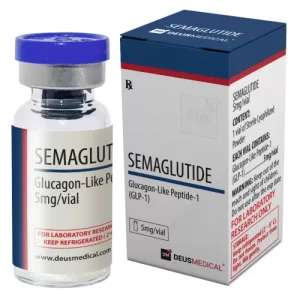
Click Here to Buy Semaglutide by Deus Medical
Jeez!! Are you gaining more fat?
And from my experience, most bodybuilders take this for granted. However, that doesn't seem to bother them since there are results that they are getting, building muscles.
Gaining fat is a slow but gradual process, and as you continue with your program, there is a point where you will reach and the fat-building process outweighs your muscle-building process. By the time you realize it, it is already too late, ruining everything you want.
Must Read: How To Gain Muscle Size And Strength Fast
Gaining Muscles while Minimizing the Fat Gain
It is a principle that we should take into account. We want a situation where we are gaining muscles while minimizing fat gain.
The problem is that most programs out there advocate for some traditional and gluttonous bulking methods. For me, it's too exhausting and demanding; it is downright counter-productivity.
You need a program to help you build lean muscle more effectively and over the long term. A schedule will more precisely target the "lean gains" rather than stuffing yourself with something that may not even work!
And the worst is yet to come
Assuming that you had a visible muscle ton when you started, you will realize that they are all fading away. For example, if you had abs, by the time you are mid-way through this program, they will have started to fade away.
Even worse, you cannot enjoy the slight comfort of the muscles you are gaining or even enjoy your powers before starting this program.
You are in between, confused and frustrated, not on the program but on yourself! That is what these traditional programs can do to you. We are not to dispute the fact that you are building muscles. That is one thing we can honestly tell visibly. However, you gain too much fat even as you make the muscles.
The more you continue, the worse it gets, and by the time you complete it, trust me, a mirror will be your worst enemy. Instead of getting a sexy, lean, toned, and defined body, the opposite is happening. You are getting bigger and softer.
Is it Necessary to Eat More to Get Lean Muscle?
The traditional method of gaining muscles advocated that if you were not gaining powers fast enough, you were probably not eating enough. Therefore, one must eat as much as one would in a day to compensate for the lack of muscles.
This advice may contain some truth, but the strategy applied is a fuss. However, the crucial thing is that the amount your body needs to build enough muscles will depend very much on the amount which feels enough to meet your body's needs.
What do the traditional methods of gaining muscles didn't that you don't have to overfeed? You need the right amount of food. The amount that feels enough to meet your immediate needs.
Related: Bulking or Cutting – You've got an Eat Big to Get Big, and That is the Truth
The Calorie Intake
How many calories do you need to gain muscles? Most think eating tons is the easiest way to gain energy while burning less. Even if you were to do proper research on the market, you would still find that most programs advocate for the same.
 Global EPPO 5000
It is virtually impossible to be in a calorie deficit if you take more than 4,000+ calories daily. This strategy is good; for a while, you will realize that you are slowly gaining muscles.
However, it is good to point out that a large calorie surplus is not an excellent strategy for building muscles. The problem is that gaining too much fat does more harm than good. Overeating accelerates gaining fat which then accelerates fat storage. Overall slows down muscle growth. There is a downside to a lot of calorie intake.
Related Article: How Many Calories A Day To Eat To Build Muscle?
The Downside of too much Calorie Intake
You realize that as the body fat rises, the insulin level in the body drops significantly. Therefore, the body becomes resistant to some of its signals, decreasing the ability to burn fat; consequently, the likelihood of you gaining weight increases significantly.
You must understand that the better your body responds to insulin, the better your chances of doing many other things, like building lean muscle and resisting fat gain.
Also, when the body fat rises, the testosterone level drops while the estrogen levels rise, and we all know the significance of the testosterone hormone!
High-Intensity Interval Training (HIIT) for Fat Control
High-Intensity Interval Training (HIIT) has emerged as one of the most effective and time-efficient methods for fat control and overall body composition improvement. Unlike traditional steady-state cardio, HIIT alternates between short bursts of intense activity and brief periods of rest or low-intensity movement. This dynamic approach not only burns calories during the workout but also triggers a powerful metabolic response that continues long after the session ends.
How HIIT Works
The core principle of HIIT is simple: push your body to near-maximum effort for a short duration, followed by a recovery phase. For example, sprinting for 30 seconds followed by walking for 60 seconds, repeated for 15–20 minutes. These intervals challenge both aerobic and anaerobic systems, leading to improved cardiovascular fitness and enhanced fat oxidation.
One of HIIT’s most compelling benefits is Excess Post-Exercise Oxygen Consumption (EPOC)—commonly known as the “afterburn effect.” After a HIIT session, your body continues to consume oxygen at an elevated rate to restore itself to pre-exercise levels. This process burns additional calories and promotes fat loss even while you're at rest.
HIIT and Hormonal Balance
HIIT influences key hormones that regulate fat storage and muscle growth. It boosts human growth hormone (HGH) and testosterone, both of which support lean muscle development. Simultaneously, it helps reduce insulin resistance, making it easier for your body to use carbohydrates efficiently and store less fat. HIIT also lowers cortisol, the stress hormone linked to abdominal fat accumulation when chronically elevated.
Efficiency and Accessibility
One of the most attractive aspects of HIIT is its efficiency. You can achieve significant fat-burning results in as little as 20 minutes, making it ideal for people with busy schedules. HIIT can be performed with minimal equipment—bodyweight exercises like burpees, jump squats, and mountain climbers are highly effective. It’s also adaptable to various fitness levels, with modifications available for beginners and advanced athletes alike.
Mental and Metabolic Benefits
Beyond physical transformation, HIIT offers cognitive and emotional benefits. The intense nature of the workout releases endorphins, improving mood and reducing stress. Metabolically, HIIT increases mitochondrial density, enhancing your body’s ability to use fat as fuel. Over time, this leads to improved endurance and a leaner physique.
Precautions and Recovery
While HIIT is powerful, it’s not without risks. Overtraining can lead to fatigue, injury, or hormonal imbalances. It’s crucial to allow adequate recovery between sessions—typically 48 hours—and to listen to your body. Incorporating mobility work, hydration, and sleep into your routine will optimize results and prevent burnout.
Integrating HIIT for Fat Control
To maximize fat control, HIIT should be part of a holistic strategy that includes strength training, balanced nutrition, and lifestyle management. Aim for 2–3 HIIT sessions per week, paired with resistance workouts and a diet rich in lean proteins, healthy fats, and complex carbohydrates. Tracking progress through body composition metrics rather than just weight can help you stay motivated and focused on lean muscle gains.
Conclusion
Too much food increases the chances of building fat in the body, which is not a good sign of muscle growth. Therefore, you must carefully consider your consumption and regulate your calorie intake to gain lean muscles without gaining fat.
However, ensuring that your diet is inconsistent in the energy needed to build your muscles effectively is good.










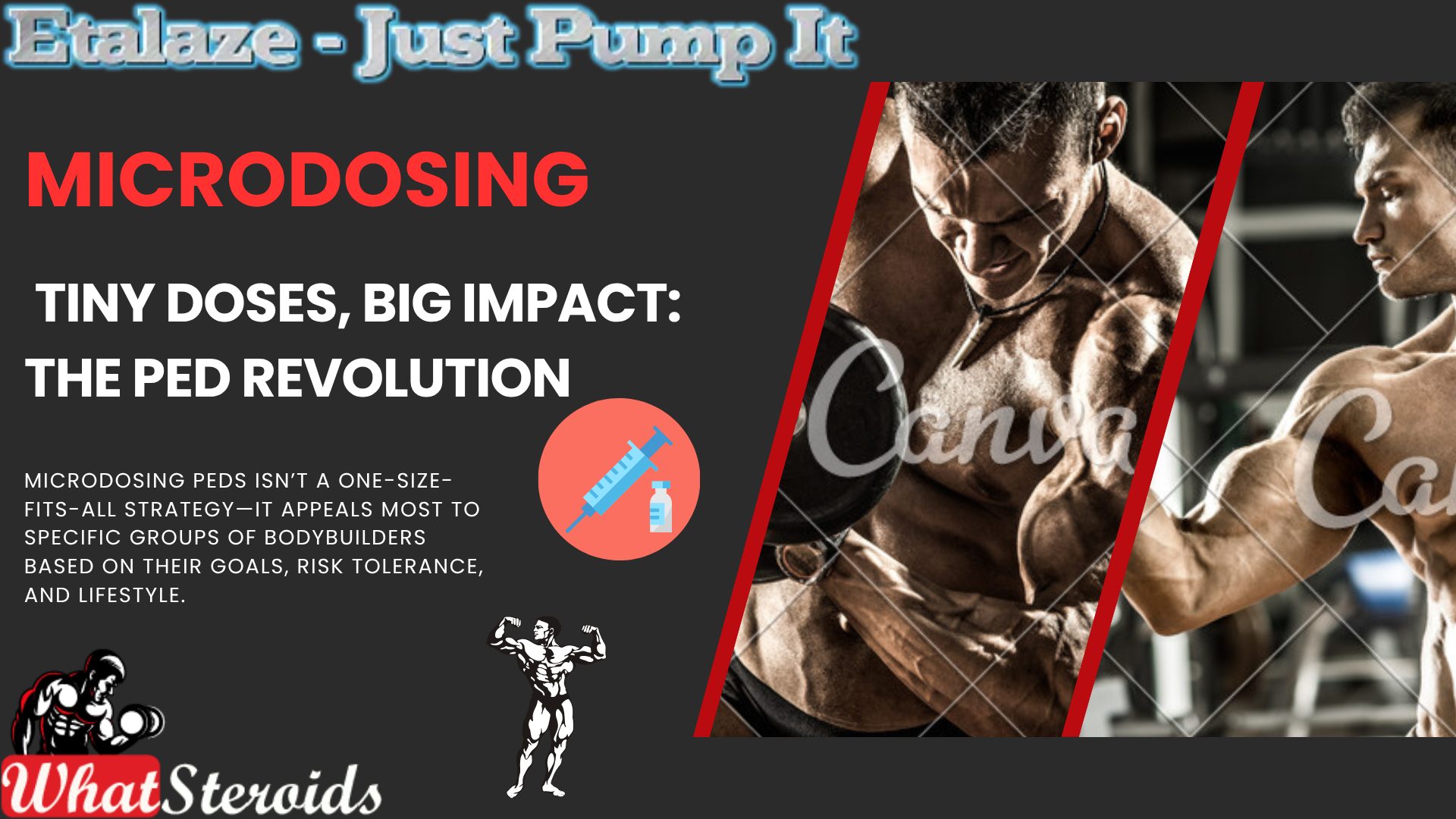
In the world of performance enhancement, bigger has always been better. Bigger lifts, bigger physiques, bigger doses. For decades, athletes chasing greatness have turned to PEDs with a go-big-or-go-home mentality, often trading long-term health for short-term glory. But what if the future of enhancement isn’t about pushing harder—but smarter?
Enter microdosing: a quiet rebellion against the excesses of traditional PED use. It’s not about flooding the body with synthetic power—it’s about precision. Small, consistent doses. Subtle physiological shifts. A whisper of enhancement rather than a roar. Some call it biohacking. Others call it wishful thinking. But as more athletes experiment with this minimalist approach, one question looms large: can less really be more when it comes to gear?
Who Is More Suited for Microdosing?
Microdosing PEDs isn’t a one-size-fits-all strategy—it appeals most to specific groups of bodybuilders based on their goals, risk tolerance, and lifestyle. Here's a deep dive into the groups most likely to benefit from this approach:
1. Health-Conscious Recreational Bodybuilders
These are lifters who prioritize longevity, aesthetics, and overall wellness over extreme size or competition.
Related Article: Top Vitamins for Skin Health
Why microdosing suits them:
- They want mild anabolic effects without harsh side effects like liver strain, hormonal crashes, or cardiovascular risks.
- They often use PEDs to maintain high-normal testosterone levels, improve recovery, or enhance mood and motivation.
- Microdosing allows them to stay within physiological ranges, often mimicking TRT (Testosterone Replacement Therapy) protocols.
Typical compounds used:
- Low-dose testosterone (50–75mg/week)
- SARMs like Ostarine or Ligandrol (5–10mg/day)
- Growth hormone (1–2 IU/day) for joint health and anti-aging
2. Masters Athletes (Over 40)
Older bodybuilders often face declining hormone levels, slower recovery, and increased injury risk.
Why microdosing suits them:
- It helps offset age-related declines without overwhelming their system.
- They’re more vulnerable to side effects from full cycles, especially cardiovascular and prostate issues.
- Microdosing can support lean mass retention, joint health, and energy levels without suppressing natural hormone production entirely.
Common goals:
- Maintain vitality and performance
- Avoid long post-cycle therapy (PCT) protocols
- Stay competitive in age-class divisions
3. Biohackers and Experimental Lifters
These individuals treat bodybuilding as a science experiment, often blending fitness with data tracking, blood work, and self-optimization.
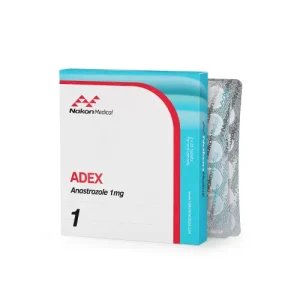
Explore Adex 1 by Nakon Medical
Why microdosing suits them:
- They value precision and control over brute-force gains.
- They often combine PEDs with supplements, nootropics, and lifestyle interventions.
- Microdosing allows them to test subtle changes in performance, mood, and biomarkers without committing to full cycles.
Typical strategies:
- Layering compounds like IGF-1, insulin, and SARMs in micro doses
- Monitoring blood panels monthly
- Adjusting doses based on sleep, recovery, and training metrics
4. Competitive Athletes in Tested Federations
Athletes in sports or federations with drug testing may use microdosing to stay below detection thresholds while still gaining an edge.
Why microdosing suits them:
- Lower doses reduce detection risk and shorten clearance times.
- They may use short-acting compounds or time doses around testing windows.
- Microdosing mimics natural hormone fluctuations, making it harder to flag in biomarker-based tests.
Common tactics:
- Night-time GH injections to match natural release
- Low-dose EPO for endurance without triggering red flags
- Strategic use of SARMs marketed as “research chemicals”
Groups Less Suited for Microdosing
Elite competitive bodybuilders aiming for maximum hypertrophy often find microdosing too mild.
Beginners may not need PEDs at all and risk hormonal disruption even at low doses.
Those with poor discipline—microdosing requires consistency, tracking, and restraint.
Microdosing is best suited for those who value sustainability, subtle gains, and reduced risk. It’s not a shortcut—it’s a strategy. And like any strategy, it works best when matched to the right mindset and goals.
Microdosing Considerations
Bloodwork is essential: Even low doses can affect cholesterol, liver enzymes, and hormone levels.
Stacking caution: Combining multiple compounds—even at low doses—can still amplify risks.
No universal formula: Microdosing should be tailored to age, goals, and individual response.
Legal and ethical boundaries: Many steroids are controlled substances; use should comply with local laws and medical guidance.
Microdosing Protocols for the Following Steroids
| Steroid | Typical Cycle Dose | Microdose Range | Purpose of Microdosing | Frequency | |
| Testosterone Enanthate | 250–500 mg/week | 50–125 mg/week | Hormone support, mild anabolic effect | 1–2x weekly | |
| Anavar (Oxandrolone) | 30–80 mg/day | 5–15 mg/day | Lean muscle gain, fat loss | Daily | |
| Dianabol (Methandrostenolone) 20–50 | 20–50 mg/day | 5–10 mg/day | Strength boost, muscle fullness | Daily or split doses | |
| Deca-Durabolin (Nandrolone) | 200–400 mg/week | 50–100 mg/week | Joint support, lean mass | Weekly | |
| Winstrol (Stanozolol) | 25–50 mg/day | 5–10 mg/day | Cutting, vascularity | Daily | |
| Trenbolone Acetate | 200–400 mg/week | 25–50 mg/week | Hardness, aggression, recomposition | Every other day | |
| Primobolan (Methenolone) | 400–800 mg/week | 100–200 mg/week | Mild anabolic, low side effects | Weekly |
Hormonal Impact of Microdosing vs. Full Cycles
When bodybuilders engage in full steroid cycles, they typically flood their system with supraphysiological doses of synthetic hormones. This aggressive approach often leads to a complete shutdown of the body's natural testosterone production. The hypothalamic-pituitary-gonadal (HPG) axis, which regulates hormone balance, senses the excess and halts endogenous output. As a result, users experience testicular shrinkage, suppressed sperm production, and a reliance on post-cycle therapy (PCT) to restart hormonal function. The hormonal rollercoaster—highs during the cycle, lows during recovery—can be physically and emotionally taxing.
Microdosing, by contrast, aims to skirt the edge of suppression. By administering small, controlled doses—often below the threshold that triggers full shutdown—users may retain partial natural testosterone production. The HPG axis might slow down, but it doesn’t necessarily crash. This means fewer mood swings, less hormonal volatility, and potentially no need for aggressive PCT. However, this balance is delicate. Even low doses can cause suppression over time, especially if used continuously without breaks.
Estrogen Dynamics
Also, estrogen dynamics also differ. Full cycles often lead to significant aromatization—the conversion of excess testosterone into estrogen. This can result in water retention, gynecomastia, and emotional instability. Microdosing reduces this risk. With lower androgen levels in the bloodstream, the rate of estrogen conversion is typically more manageable, and many users can avoid the need for aromatase inhibitors altogether.
Other hormones are affected too. Luteinizing hormone (LH) and follicle-stimulating hormone (FSH), which are critical for natural testosterone and sperm production, are often obliterated during full cycles. Microdosing may cause a dip, but levels often remain within functional ranges. Sex hormone-binding globulin (SHBG), which regulates free testosterone, is also less dramatically impacted with microdosing, preserving a more stable hormonal environment.
Psychologically, the difference is stark. Full cycles can induce intense mood swings, aggression, and post-cycle depression due to hormonal crashes. Microdosing tends to offer a smoother ride—subtle mood elevation, improved motivation, and fewer emotional dips. For many, this stability is one of the biggest draws.
In essence, microdosing is a strategy of hormonal finesse. It’s not about overwhelming the body—it’s about nudging it. While it doesn’t eliminate risk, it offers a more sustainable and less disruptive path for those seeking enhancement without chaos.
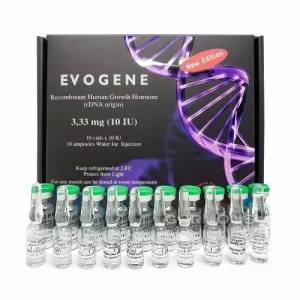
Click Here to Buy Evogene (HGH 10 IU) by Alley
Bloodwork: The Gold Standard
Blood testing is the cornerstone of responsible PED use—especially when microdosing. It reveals how your body is responding hormonally, metabolically, and systemically. Key markers to monitor include:
| Marker | Why It Matters |
| Total & Free Testosterone | Tracks hormonal impact and suppression risk |
| Estradiol (E2) | Monitors estrogen conversion and gynecomastia risk |
| LH & FSH | Indicates natural testosterone production |
| SHBG | Regulates free testosterone levels |
| Liver Enzymes (ALT, AST) | Detects oral steroid toxicity |
| Lipid Panel (HDL, LDL) | Assesses cardiovascular risk |
| Hematocrit & RBC Count | Monitors blood thickness (especially with EPO or testosterone) |
| Prolactin | Relevant when using compounds like Trenbolone |
Testing every 4–6 weeks during use—and again post-cycle—is ideal. Many users also track thyroid hormones (T3, T4, TSH) and insulin sensitivity if stacking with growth hormone or insulin.
Wearables: Real-Time Feedback
Modern fitness wearables like WHOOP, Oura Ring, and Garmin watches offer continuous data that can reveal subtle physiological changes. While they don’t replace bloodwork, they provide valuable trends:
Heart Rate Variability (HRV): A drop may signal stress, overtraining, or hormonal imbalance.
Resting Heart Rate: Elevated levels can indicate cardiovascular strain or stimulant overload.
Sleep Quality: PEDs can disrupt REM cycles or cause insomnia—especially stimulants or Tren.
Recovery Scores: Useful for adjusting training intensity based on systemic fatigue.
Wearables are especially helpful for biohackers and recreational lifters who want to fine-tune their protocols without invasive testing.
Biometrics & Subjective Tracking
Beyond lab tests and devices, tracking subjective and physical metrics is vital:
Mood & Motivation: Microdosing often improves drive and focus—track dips or spikes.
Libido: A reliable proxy for hormonal health.
Strength & Endurance: Subtle gains over time validate the effectiveness of low doses.
Skin, Hair, and Acne: Early signs of hormonal imbalance or androgenic overload.
Blood Pressure: Easily monitored at home; elevated levels may signal cardiovascular strain.
Some users maintain detailed logs combining all three domains—bloodwork, wearable data, and subjective notes—to build a personalized feedback loop.
Must Read: Elucidation of 5-Best Steroid Brands
Microdosing vs. TRT: Where’s the Line?
Testosterone Replacement Therapy (TRT) and microdosing anabolic steroids may look similar on the surface—both involve small, regular doses of hormones—but their intent, regulation, and physiological impact can be worlds apart.
TRT is a medically supervised treatment for men with clinically low testosterone. It’s designed to restore hormone levels to a normal physiological range, typically between 300–1000 ng/dL. The goal isn’t performance enhancement—it’s symptom relief: improved mood, libido, energy, and metabolic health. Doses are calibrated based on bloodwork, and patients are monitored for side effects like elevated hematocrit, prostate changes, or lipid shifts.
Microdosing, on the other hand, is often self-directed and performance-oriented. Users may take similar compounds—like testosterone enanthate or cypionate—but with a different goal: subtle gains in muscle mass, recovery, and strength, while avoiding the harsh side effects of full cycles. The doses might be comparable to TRT (e.g., 50–125 mg/week), but the intent is enhancement, not restoration.
So where’s the line?
- Intent is the first divider. TRT is therapeutic; microdosing is strategic.
- Oversight is another. TRT is prescribed and monitored by physicians. Microdosing is often underground, guided by forums, anecdote, and self-experimentation.
- Legality matters too. TRT is legal and regulated. Microdosing, depending on the compound and country, may fall into gray or outright illegal territory.
Stacking is a giveaway. TRT rarely involves multiple compounds. Microdosing often includes SARMs, GH, or designer steroids layered in.
Interestingly, some users blur the line intentionally—using TRT as a base and microdosing additional compounds on top. Others use TRT clinics as a legal gateway to enhancement, pushing the upper limits of “normal” while staying within medical bounds.
Ultimately, the difference isn’t just in dosage—it’s in philosophy. TRT asks, “How can I feel normal again?” Microdosing asks, “How far can I go without tipping the scale?”
From TRT to Microdosing: The Slippery Slope
For many men, TRT begins as a legitimate medical intervention. They’re tired, foggy, and struggling with low libido. Bloodwork confirms low testosterone, and a doctor prescribes a modest dose—often 100–150 mg of testosterone per week. Within weeks, they feel reborn: energy returns, workouts improve, and confidence surges.
But here’s where the slope begins.
Some users, thrilled by the results, start wondering: What if I added just a little more? Maybe 200 mg. Maybe a touch of Anavar. Maybe a SARM. The line between therapy and enhancement begins to blur. They’re still within “low-dose” territory, but the intent has shifted—from restoring health to optimizing performance.
This transition is often subtle and self-directed. Forums, YouTube channels, and underground communities offer guidance on stacking, timing, and “safe” microdosing. Users may still get bloodwork, still use pharmaceutical-grade compounds, and still call it TRT—but they’re now operating outside the bounds of medical oversight.
How Clinics Are Responding
Some hormone clinics have noticed this trend and quietly adapted. They offer “wellness optimization” packages that push the upper limits of TRT dosing. They prescribe compounds like HCG, DHEA, and even low-dose growth hormone under anti-aging labels. In some cases, they turn a blind eye to stacking—so long as bloodwork looks clean.
Others take a firmer stance, warning patients about the risks of self-directed enhancement. They emphasize the importance of staying within therapeutic ranges and discourage the use of non-prescribed compounds. But the reality is: once a patient is on TRT, they’ve crossed a threshold. The temptation to tweak, stack, and experiment is strong—and not always easy to regulate.
Ethical and Medical Implications
This gray zone raises important questions:
- Is it ethical for clinics to enable enhancement under the guise of therapy?
- Should microdosing be medically supervised if it mimics TRT protocols?
- Are users being honest with themselves—or just rebranding steroid use to feel safer?
The answers aren’t simple. But one thing is clear: the line between TRT and microdosing isn’t drawn in milligrams—it’s drawn in mindset.
Overall
Microdosing offers a radical shift in philosophy. It’s not about chasing extremes—it’s about mastering nuance. From recreational lifters to aging athletes, from biohackers to borderline competitors, microdosing appeals to those who seek control, sustainability, and subtle gains without the chaos of full-blown cycles.
We’ve explored how this approach affects the body hormonally, how it compares to medically sanctioned TRT, and how users can monitor their health with bloodwork, wearables, and biometrics. We’ve looked at who benefits most, what compounds are commonly used, and how clinics are quietly adapting to the blurred lines between therapy and enhancement.
Also Read: ACE-031: A Powerful Myostatin Inhibitor
But microdosing isn’t a loophole—it’s a responsibility. It demands discipline, data, and self-awareness. It’s not safer by default—it’s safer by design. And for those willing to treat their bodies like a system rather than a battlefield, it may just be the future of PED use.
Whether you see it as a smarter strategy or a softer form of self-experimentation, one thing is clear: the age of brute-force enhancement is fading. In its place rises a quieter, more calculated revolution—one microdose at a time.
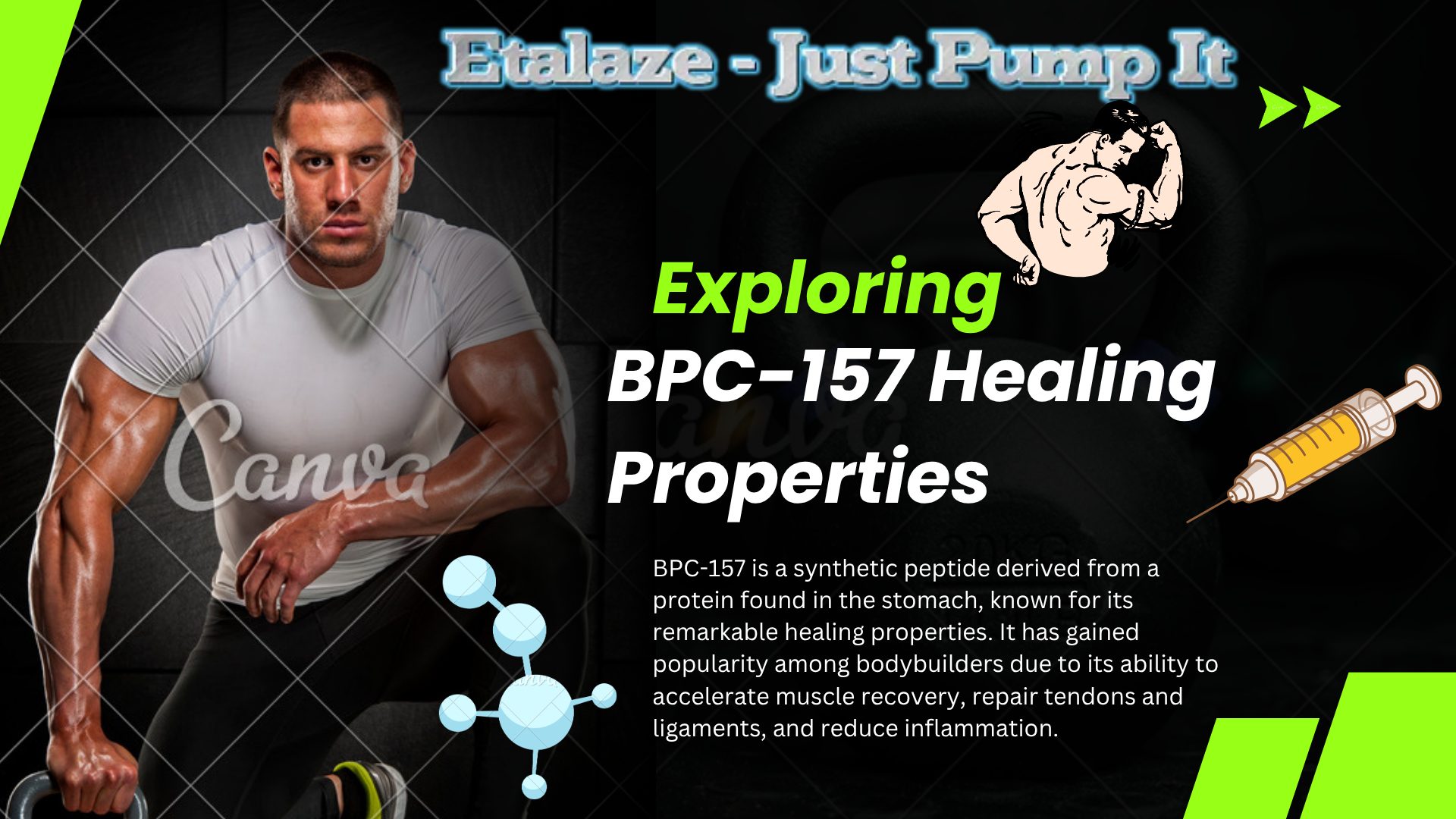
BPC-157 is a synthetic peptide derived from a protein found in the stomach, known for its remarkable healing properties. It has gained popularity among bodybuilders due to its ability to accelerate muscle recovery, repair tendons and ligaments, and reduce inflammation.
Key Benefits for Bodybuilders
Faster Recovery: Improves blood flow to damaged muscles, speeding up healing.
Injury Support: Strengthens connective tissues, reducing the risk of injuries.
Muscle Growth: Enhances collagen production, aiding in muscle repair and hypertrophy.
Pain Reduction: Has analgesic effects by elevating dopamine and serotonin levels.
Anti-Aging & Well-being: Supports tissue regeneration and overall health.
Must Read: New Arrival Workout Equipment on Amazon for the Disabled
How It Works
BPC-157 promotes angiogenesis, the formation of new blood vessels, which enhances nutrient delivery to injured tissues. It also blocks inhibitory growth factors, allowing for faster wound healing, especially in tendons.
Dosage & Usage
Most users take 200-400 mcg per day, typically in cycles of 4-6 weeks. It can be administered orally or via injection, with injections often preferred for localized healing.
Potential Risks Associated With BPC-157
BPC-157 is widely praised for its healing properties, but its long-term safety remains uncertain due to limited human studies. Here are some potential risks:
Possible Side Effects
Headaches – you may experience mild headaches, especially when first starting.
Injection Site Reactions – Swelling, redness, or irritation can occur if injected repeatedly in the same area.
Digestive Issues – Nausea or vomiting may happen, particularly with oral administration.
Fatigue & Lethargy – Some users experience temporary tiredness.
Blood Pressure Changes – BPC-157 may influence blood pressure, though effects vary.
Hot Flashes – Due to its impact on blood vessel dilation, some users report warmth or flushing.
Regulatory Concerns
Not FDA-Approved – BPC-157 is classified as an experimental peptide, meaning its safety profile is not fully established.
Limited Human Trials – Most studies focus on animal models, leaving gaps in understanding its effects on humans.
Buying BPC-157 Online
 Buy BPC 157 10mg by Magnus Pharma
There are multiple online outlets selling BPC-157, but the quality varies significantly. Some of the more frequently mentioned sources include Peptide Sciences and Canada Peptide, among others.
How to Assess Quality
Purity & Testing – Look for vendors that provide HPLC (High-Performance Liquid Chromatography) testing to confirm purity.
Reputation & Reviews – Check forums like Reddit’s Peptides community for user experiences.
Source & Manufacturing – Prefer vendors that source from reputable labs rather than unknown suppliers.
Packaging & Stability – Ensure proper lyophilized (freeze-dried) storage to maintain peptide integrity.
Customer Support & Transparency – Reliable vendors provide batch testing results and clear product descriptions.
Here are some recommended vendors for BPC-157 that align with bodybuilding goals:
1. Explicit Supps
Reputation: Well-known in the bodybuilding community.
Quality Assurance: Uses independent lab testing to ensure purity.
Customer Service: Strong support and fast shipping.
Pricing: Competitive rates without compromising quality.
2. Evolve Medical Group
Specialization: Offers peptide therapies tailored for muscle recovery.
Muscle Growth Focus: Provides expert guidance on BPC-157 usage.
Medical Backing: Works with professionals to ensure safe administration.
3. Elive Health & Wellness
Comprehensive Approach: Focuses on muscle recovery and performance.
Stacking Advice: Helps users combine BPC-157 with other peptides.
Consultation Services: Offers personalized peptide therapy.
BPC-157 Stacking Ideas
Stacking BPC-157 with other peptides can enhance recovery, muscle growth, and overall performance. Here are some effective combinations:
1. BPC-157 + TB-500 (Tissue Repair & Recovery)
- Why? TB-500 promotes cell migration and angiogenesis, complementing BPC-157’s healing effects.
- Best for: Tendon, ligament, and muscle injuries.
- Dosage: BPC-157 (250-500 mcg/day) + TB-500 (2-5 mg/week).
2. BPC-157 + CJC-1295 + Ipamorelin (Muscle Growth & Recovery)
- Why? CJC-1295 and Ipamorelin boost growth hormone release, accelerating muscle repair.
- Best for: Muscle hypertrophy and recovery post-training.
- Dosage: BPC-157 (250-500 mcg/day) + CJC-1295 (100 mcg/day) + Ipamorelin (100 mcg/day).
3. BPC-157 + GHK-Cu (Skin & Joint Health)
- Why? GHK-Cu enhances collagen production, improving skin and joint health.
- Best for: Joint pain, skin elasticity, and anti-aging.
- Dosage: BPC-157 (250-500 mcg/day) + GHK-Cu (2-5 mg/week).
4. BPC-157 + MK-677 (Recovery & Sleep Optimization)
- Why? MK-677 boosts IGF-1 and growth hormone, improving sleep and recovery.
- Best for: Deep recovery, muscle growth, and fat loss.
- Dosage: BPC-157 (250-500 mcg/day) + MK-677 (10-25 mg/day).
- 1. General Timing Guidelines
- Morning: Best for peptides that enhance metabolism and recovery (e.g., MK-677, CJC-1295).
 Click Here to Buy Genopharma HGH 100iu Kit
To maximize the benefits of BPC-157 and its stacked peptides, timing and cycling play a crucial role. Here’s how to structure your regimen effectively:
General Timing Guidelines
Morning: Best for peptides that enhance metabolism and recovery (e.g., MK-677, CJC-1295).
Pre-Workout: Ideal for peptides that boost performance (e.g., Ipamorelin).
Post-Workout: BPC-157 works best after training to accelerate muscle repair.
Before Bed: Peptides that stimulate growth hormone (e.g., CJC-1295 + Ipamorelin) should be taken 2 hours after the last meal.
Related Article: Tips on How to Store Peptides and HGH
Cycling Strategies
Standard Cycle: 4-6 weeks on, followed by 2-4 weeks off to prevent desensitization.
Advanced Recovery Cycle: 8-12 weeks on, followed by 4 weeks off for severe injuries.
Maintenance Cycle: 2-3 weeks on, followed by 1-2 weeks off for long-term joint health.
Example Stacking Schedule
| Peptide Stack | Timing | Cycle Length |
| BPC-157 + TB500 | Post workout | 6-8 Weeks |
| BPC-157 + CJC-1295 + Ipamorelin | Before bed | 4-6 Weeks |
| BPC-157 + MK-677 | Morning | 8-12 Weeks |
| BPC-157 + GHK-Cu | Evening | 6 Weeks |
Alternatives to BPC-157
Here are 10 alternatives to BPC-157 that offer similar benefits for healing and recovery:
Pentadeca Arginate (PDA) – A peptide structurally similar to BPC-157, with one amino acid substitution, showing promising results.
Thymosin Beta-4 (TB-500) – Known for its regenerative properties, particularly in tissue repair and inflammation reduction.
GHK-Cu (Copper Peptide) – Supports wound healing, collagen production, and anti-inflammatory effects.
Epitalon – A peptide that promotes cellular regeneration and longevity.
CJC-1295 + Ipamorelin – A combination that enhances growth hormone release, aiding recovery and muscle repair.
Selank – A neuropeptide with anti-inflammatory and healing properties.
LL-37 – An antimicrobial peptide that also supports tissue healing.
KPV Peptide – Known for its anti-inflammatory effects and gut healing potential.
Body’s Natural Healing Mechanisms – Traditional therapies like physical therapy, rehabilitation exercises, and anti-inflammatory medications can serve as alternatives.
BPC-157 Topical Formulations – Some skincare products include BPC-157, though their effectiveness is uncertain
Overall
BPC-157 has emerged as a powerful peptide for bodybuilders seeking accelerated recovery, muscle repair, and overall performance enhancement. Its ability to stimulate angiogenesis, collagen production, and anti-inflammatory pathways makes it a key player in injury prevention and rehabilitation. However, while anecdotal evidence and animal studies support its benefits, human trials remain limited, raising questions about its long-term safety. Choosing high-quality sources, optimizing stacking with complementary peptides like TB-500 or CJC-1295, and following structured cycling protocols can maximize its effectiveness while minimizing risks. As research continues, bodybuilders should balance its potential advantages with careful monitoring and informed decision-making to ensure safe and sustainable use.
Hormonal balance is crucial for bodybuilders aiming to maximize muscle growth, recovery, and overall health. Testosterone, insulin, cortisol, and growth hormone all play vital roles in muscle development and fat metabolism. The right foods can help regulate these hormones naturally, ensuring peak performance and long-term well-being.
1. Protein-Rich Foods for Muscle Growth and Hormonal Support
Protein is essential for muscle repair and hormone production. Here are some of the best sources:
- Lean meats (chicken breast, turkey, lean beef)
- Eggs (rich in cholesterol, a precursor for testosterone)
- Fatty fish (salmon, mackerel, sardines—high in omega-3s)
- Greek yogurt (contains probiotics for gut health)
- Cottage cheese (rich in casein protein)
- Bone broth (supports collagen production)
- Lentils and chickpeas (plant-based protein sources)
2. Healthy Fats for Hormonal Regulation
- Fats play a crucial role in hormone synthesis, particularly testosterone.
- Avocados (rich in monounsaturated fats)
- Olive oil (supports heart health and hormone production)
- Coconut oil (contains MCTs for energy)
- Nuts (almonds, walnuts, Brazil nuts—selenium supports thyroid function)
- Seeds (flaxseeds, chia seeds, pumpkin seeds—omega-3s and zinc)
- Dark chocolate (contains healthy fats and antioxidants)
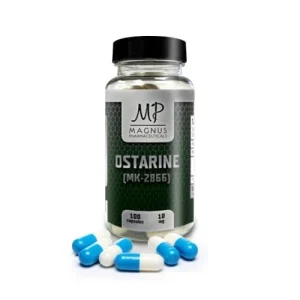 Buy Ostarine MK 2866 100 by Magnus Pharma
3. Carbohydrates for Energy and Cortisol Control
Carbs help regulate cortisol levels and provide sustained energy.
- Sweet potatoes (complex carbs with fiber)
- Oats (slow-digesting carbs for steady energy)
- Quinoa (high in protein and fiber)
- Brown rice (supports glycogen replenishment)
- Whole wheat bread (better than refined grains)
- Bananas (potassium for muscle function)
- Berries (antioxidants to reduce inflammation)
Must Read: Top 10 best Immune Boosting Supplements to Buy in 2025
4. Crucial Micronutrients for Hormonal Balance
Certain vitamins and minerals are essential for hormone regulation.
- Spinach (magnesium for testosterone production)
- Kale (supports estrogen metabolism)
- Broccoli (contains indole-3-carbinol for hormone detoxification)
- Carrots (beta-carotene for overall health)
- Bell peppers (vitamin C for cortisol control)
- Mushrooms (vitamin D for testosterone support)
- Garlic (boosts testosterone and reduces cortisol)
5. Hydration and Hormonal Health
Proper hydration is often overlooked but is essential for hormone function.
- Water (fundamental for all bodily functions)
- Green tea (contains catechins that support metabolism)
- Herbal teas (chamomile, peppermint—reduce stress)
- Coconut water (electrolytes for hydration)
- Bone broth (supports gut health and hormone balance)
Foods That Disrupt Hormonal Balance in Bodybuilders
1. Processed and Fast Foods
Highly processed foods contain trans fats and excessive sodium, which can negatively impact testosterone levels and overall metabolic health.
- Fried foods (French fries, fried chicken—linked to inflammation)
- Processed meats (hot dogs, sausages—contain preservatives that may disrupt hormones)
- Fast food burgers (often high in unhealthy fats and additives)
2. Sugary Foods and Beverages
Excess sugar can lead to insulin resistance and increased cortisol levels, hindering muscle recovery.
- Soda and energy drinks (loaded with sugar and artificial sweeteners)
- Candy and pastries (spikes insulin, leading to fat gain)
- Sugary cereals (refined carbs with little nutritional value)
3. Alcohol and Excessive Caffeine
Related Article: Ostarine For Beginners: The Ultimate Guide
Alcohol can lower testosterone levels, while excessive caffeine can increase cortisol, leading to muscle breakdown.
- Beer and spirits (disrupts testosterone production)
- Excessive coffee (moderation is key—too much raises cortisol)
- Sugary cocktails (combines alcohol and sugar, a double hit to hormones)
4. Soy-Based Products
Soy contains phytoestrogens, which may interfere with testosterone levels when consumed in excess.
- Soy milk (opt for almond or coconut milk instead)
- Tofu and soy protein isolates (moderation is advised)
- Edamame (occasional consumption is fine, but avoid excess)
5. Artificial Sweeteners and Additives
Certain artificial sweeteners can negatively impact gut health, which plays a role in hormone regulation.
- Aspartame and sucralose (found in diet sodas and sugar-free snacks)
- Highly processed protein bars (often contain artificial ingredients)
- Packaged snacks (chips, crackers—loaded with preservatives)
Check Out Dragontropin HGH 100 IU by Dragon Pharma
Overall
A well-balanced diet rich in protein, healthy fats, complex carbohydrates, and essential micronutrients can significantly impact hormonal balance for bodybuilders. By incorporating healthy, rather than junk foods into your daily regimen, you can optimize muscle growth, recovery, and overall well-being.


From Cholesterol to Cortisol: The Molecular Story of Steroids

One Workout to Rule Them All: Full-Body Training Over Splits

Fueling Energy from Within: How to Build Stronger Mitochondria Through Training

Is Training/Lifting Barefoot A Good Idea? Find Out

Using Insulin Needles to Inject AAS: Pros and Cons

Is NAD+ The Best Anti-aging Molecule for Men Over 40?

Estrogen Management: SERMs and AIs Compared

The Testosterone Trap: Why Bigger Levels Don’t Guarantee Bigger Muscles

Sodium, Potassium, and Pump: The Science Behind Electrolytes Balance in Bodybuilding

Reclaiming Balance: A Bodybuilder’s Guide to Post-Cycle Crash Recovery
Sodium, Potassium, and Pump: The Science Behind Electrolytes Balance in Bodybuilding
Estrogen Management: SERMs and AIs Compared
Reclaiming Balance: A Bodybuilder’s Guide to Post-Cycle Crash Recovery
Using Insulin Needles to Inject AAS: Pros and Cons
The Testosterone Trap: Why Bigger Levels Don’t Guarantee Bigger Muscles
Is NAD+ The Best Anti-aging Molecule for Men Over 40?
Is Training/Lifting Barefoot A Good Idea? Find Out
Fueling Energy from Within: How to Build Stronger Mitochondria Through Training
One Workout to Rule Them All: Full-Body Training Over Splits
From Cholesterol to Cortisol: The Molecular Story of Steroids
Sodium, Potassium, and Pump: The Science Behind Electrolytes Balance in Bodybuilding
Estrogen Management: SERMs and AIs Compared
Reclaiming Balance: A Bodybuilder’s Guide to Post-Cycle Crash Recovery
Using Insulin Needles to Inject AAS: Pros and Cons
The Testosterone Trap: Why Bigger Levels Don’t Guarantee Bigger Muscles
Is NAD+ The Best Anti-aging Molecule for Men Over 40?
Is Training/Lifting Barefoot A Good Idea? Find Out
Fueling Energy from Within: How to Build Stronger Mitochondria Through Training
One Workout to Rule Them All: Full-Body Training Over Splits
From Cholesterol to Cortisol: The Molecular Story of Steroids
-
 Bodybuilding Products2 years ago
Telmisartan In Bodybuilding: An Expert’s Advice
-
 Steroids2 years ago
Anadrol Cycle: Benefits, Doses, Alternatives, etc.
-
 Anabolic Steroids1 year ago
Joint Stiffness: How to Manage It While on AAS
-
 Bodybuilding1 year ago
Primal Movements: Our Ultimate Guide for Maximum Results
-
 Bodybuilding1 year ago
How Effective is Bone Broth for Recovery?
-
 Steroids1 year ago
Bodybuilder Winter Clothing: Staying Warm and Stylish
-
 Steroids2 years ago
Omnitope (Oxytocin)
-
 Bodybuilding2 years ago
How Much Is Too Much Cardio? Understanding Heart Rate Zones
-
 Steroids1 year ago
Sleeping Positions for Effective Muscle Recovery
-
 Steroids1 year ago
Ostarine For Beginners: The Ultimate Guide
-
 Bodybuilding1 year ago
2nd Edition of Natural Bodybuilding Competition Facts
-
 Bodybuilding1 year ago
Are Nootropics a Better Option to AAS?
-

 Bodybuilding1 year ago
Top Video Games for Bodybuilders in 2025
-
 Steroids11 months ago
Raloxifene (Evista) 101: A Non-Surgical Solution for Gyno
-
 Bodybuilding2 years ago
Demystifying Hypertrophy Training
-
 Steroids1 year ago
Tips on How to Store Peptides and HGH
-
 Steroids11 months ago
Why Post-Cycle Therapy (PCT) Fails After a Nandrolone Cycle
-

 Beginners1 year ago
14 Morning Run Safety Tips for Bodybuilding and Fitness
-
 Steroids10 months ago
Creatine vs Myostatin: An Expert’s Analysis
-
 Steroids1 year ago
Glutathione – The Most Underrated Antioxidant
-
 Bodybuilding2 years ago
List of FDA-Approved Peptides
-

 Product Reviews2 years ago
Top Vitamins for Skin Health
-
 Anabolic Steroids2 years ago
How Much Do You Know About B-AET? A Fat Burner You’ve Been Missing
-
 Bodybuilding2 years ago
Hormone Replacement Therapy (TRT) Cycle Guide
-

 Anabolic Steroids2 years ago
Anavar Cycle for Men and Women