
Steroids
The History Of Steroid Use By Athletes

For as long as there have been athletes there have been steroids. Steroids provide a means of getting a leg up over the competition and pushing your body and your abilities to the max during training and on game day. While steroids haven’t always received the most positive support and attention from sports leagues and media outlets, its influence on the history of sports and ability to turn an ordinary athlete into the extraordinary cannot be denied.
Steroids weren’t always the science they are today and they have come a long way from unpredictable results and questionable safety to precision enhancement drugs with little to no long-term negative effects. It’s a fascinating lesson in sports history for any modern day athlete to understand how far steroids have come.
Steroids from Basic Beginnings

The earliest signs of performance-enhancing drug use stem from the ancient Olympic Games in Ancient Greece around 776 BC. Because the athletes in the games competed for great prizes and rewards and were considered to be equivalent to our modern day celebrities there was a lot of pressure put on winning.
A win wasn’t just for the individual but for the honor of a family, or even district. These ancient Olympians experimented with a variety of doping methods. One of the most popular was opium juice. Because opium contains a small percentage of natural morphine it was known as the strongest pain medication available during that time.
The pain minimizing effects probably allowed for athletes to put their body through greater strain all the while feeling little physical repercussions. Along with opium, athletes also mixed wine with various roots and herbs. Though the meat wasn’t a common staple of an average ancient Grecian’s diet, many athletes of the time took part in eating mass amounts of meat or other animal parts like the heart or even testicles.
These parts were said to increase power in an individual. Though not based in science, it’s most likely that sudden mass meat consumption boosted testosterone production and really did give an extra boost of the drive to the consumer. Because ancient civilizations were highly involved in the competition, whether through city growth, wars or entertainment all of these methods were considered perfectly legal.
Must Read: Best Steroid Cycles For Beginners
Steroids in the Middle Ages:

During this time period warfare entertainment was at the height of its popularity, these sports included anything with heavy bloodsheds like gladiator matches, jousting, sword fighting and the like. Because of these sports, it was even more important to be a strong competitor as any loss meant you could be facing death.
Athletes learned to use hallucinogens to combat their fatigue, the most common being strychnine, which is currently used to kill pests and rodents. Hallucinogens allowed the competitor to be in a dazed state which can actually improve the focus of the athlete and make them stronger opponents by being harder to knock down.
Must Read: More Middle-Aged Men Taking Steroids to Look Younger
The Beginning of Modern Day Steroid Use:

The discovery of the coca leaf at the end of the 19th century lead to the beginning of modern day drug use. The coca leaf is the plant that cocaine is derived from and during those times was a very popular recreational drug much like alcohol nowadays.
The coca leaf was often mixed with wine, or taken as the rudimentary form of cocaine we know how to battle fatigue and fight back hunger. Professional athletes were becoming more prevalent with modern day athletic competitions on the rise.
This meant that athletes who performed on an as-needed basis now had to actually train their bodies to stay ahead of the game and they supplemented their training with steroid use. Sports teams would dope together to boost their practices and workouts.
The 20th Century to Today:
With steroid use in full swing athletes were pushing their bodies to tolerate higher and higher combinations of lethal drugs like heroin, strychnine, and cocaine. It was so common that many teams had their own compounds or “secret formulas” they thought to be the most effective.
But the more athletes pushed themselves, the more their bodies started to shut down, killing themselves by their own ambition. In 1928 The International Association of Athletes Federation (IAAF) became the first to ban the use of steroids out of concern for the athletes.
While steroids started being produced and distributed commercially, even going so far as to be handed out to troops in the field, more athletic associations banned them to prevent abuse and overdose. Starting in the 1960’s drug testing became the norm across the board for all athletes and competitors, including horses in major races.
Non medically prescribed steroids are now banned by all major competition associations and are illegal in many countries. Use of steroids found in competing athletes can not only get an athlete disqualified from a specific competition but can ban them from all future competitions and even strip them of their past titles (Lance Armstrong is the best example of this).
Testing for steroid use has become an incredibly advanced science with new tests being developed constantly. Steroid testing has become such a controversial issue that it is now referred out of associations and is contracted out by actual labs that not only complete tests before competitions but also save specimens for a period of years to be tested for future allegations of doping or as new tests are developed.
Though steroid overuse can cause damage to the system, many consider the laws banning steroids to be too dramatic. In safe doses, steroids can be highly effective enhancement tools and help an athlete reach great heights in his or her field.
With all enhancements and drugs there are two sides to every story and removing the stigma of steroids and instead of teaching people how to use them safely and effectively there’s no telling what humans can push their bodies to do. The history of steroid use while flooded with bad examples of athletes who have abused drugs to cheat the competition, also has a long history of showing what humans can achieve with enhancements.
Must Read: 5 Best Steroid Cycles for 2018





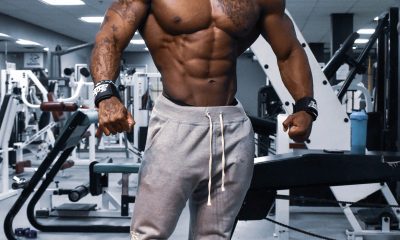








Joint stiffness is a common issue among bodybuilders who use androgenic anabolic steroids (AAS). Here's how it happens and what it involves:
AAS Mechanism of Action
Anabolic-androgenic steroids (AAS) work by enhancing muscle growth and strength. They enlarge muscle cells through hypertrophy, leading to increased muscle mass.
Activation of Androgen Receptors (AR)
-
- AAS, including those produced naturally (such as testosterone and dihydrotestosterone), bind to and activate the androgen receptor (AR).
- The AR is present in various tissues throughout the body.
Androgenic and Anabolic Effects
AAS effects can be categorized into:
Androgenic: These relate to the development and maintenance of male sexual characteristics.
Anabolic: These involve increasing bone density, muscle mass, and strength.
Impairment of Testosterone Biosynthesis
-
- In supraphysiological doses, AAS can impair testosterone biosynthesis in tissues.
- This disruption occurs due to their interaction with AR signaling.
How AAS Contribute to Joint Stiffness
Water Retention and Electrolyte Imbalance
-
- AAS can cause water retention, leading to increased fluid in the joint spaces. While this might initially seem beneficial, it can lead to stiffness if the excess fluid disrupts normal joint function.
- Electrolyte imbalances caused by AAS can affect muscle and joint function, contributing to stiffness.
Changes in Collagen Synthesis
-
- AAS can affect the synthesis and degradation of collagen, a primary component of connective tissue. This can lead to a decrease in the elasticity and resilience of tendons and ligaments, making joints feel stiffer.
Increased Muscle Mass
-
- Rapid gains in muscle mass can place additional stress on joints, which may not have time to adapt, resulting in stiffness and discomfort.
Altered Pain Perception
-
- Some AAS can alter pain perception and inflammatory responses, potentially masking injuries or causing changes in how the body responds to minor joint stresses, leading to stiffness.
Which Specific AAS Mainly Cause Joint Stiffness?
While not all anabolic-androgenic steroids (AAS) exhibit these adverse effects, certain ones are more prone to causing them. These include:
- Winstrol
- Masteron
- Proviron
- Halotestin
- Trenbolone
Additionally, high doses of testosterone, Dianabol, and Trestolone may also carry similar risks.
Dealing With Joint Stiffness Caused By AAS
Most AAS are dry compounds known for causing joint dryness. Some are usually wet compounds, which can lead to joint problems when taken in high doses without an aromatase inhibitor (AI), resulting in excess water retention that affects the joints.
Other AAS either have a neutral impact on the joints or enhance their strength and healing by boosting collagen production, with Nandrolone being a prime example.
To prevent joint issues when using wet AAS compounds, it is essential to use the appropriate AI dose (not too high) to manage estradiol levels and prevent excessive water retention.
Must Read: Anavar Cycle for Men and Women
For dry compounds, follow these guidelines to avoid joint issues:
Selective Testosterone Use
Ensure the use of a Testosterone base to achieve adequate estradiol conversion. While excess estradiol can cause water retention and joint damage, having the right amount is crucial for joint strength and lubrication.
Proper Gym Training
Exercise caution in the gym. Continuously pursuing personal records and lifting the heaviest weights can damage joints and cause injuries. Proper stretching and warming up with lighter weights are vital.
Supplements
Supplement with joint health supplements. Fish Oil at 6g daily or Krill Oil at 3g daily is essential for every AAS user. Additionally, taking MSM (Methylsulfonylmethane) at 1g daily and a few tablespoons of Collagen Powder daily will significantly benefit joint health.
Managing Other Forms of Joint Stiffness
Proper Warm-Up and Cool-Down
Engaging in thorough warm-up routines before workouts and adequate cool-down exercises afterward can help maintain joint flexibility.
Hydration and Nutrition
Staying well-hydrated and maintaining a balanced diet rich in essential nutrients like omega-3 fatty acids, glucosamine, and chondroitin can support joint health.
Supplementation
Using joint support supplements such as glucosamine, chondroitin, and MSM (methylsulfonylmethane) may help alleviate stiffness.
Monitoring and Adjusting Steroid Use
Careful monitoring of AAS dosages and cycles, under the guidance of a healthcare professional, can help minimize negative effects on joint health.
Rest and Recovery
Ensuring adequate rest and incorporating rest days into training routines can help prevent overuse injuries and joint stiffness.
Physical Therapy
Engaging in physical therapy or specific joint mobility exercises can improve joint function and reduce stiffness.
Long-Term Considerations
It's important to be aware that chronic use of AAS can lead to long-term joint issues. Regular check-ups with a healthcare provider, including monitoring of joint health, are crucial for those using AAS over extended periods. Recognizing the signs of joint problems early and taking proactive measures can help mitigate the risk of long-term damage.
Where to Buy AAS Online
Buying legitimate androgenic anabolic steroids (AAS) online can be challenging and carries significant legal, health, and ethical risks. However, if someone decides to proceed, here are some general tips on where to buy and how to check the quality:
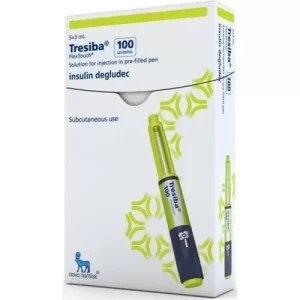
Licensed Pharmacies (Where Legal)
In some countries, AAS can be purchased legally with a prescription from licensed pharmacies. Ensure to follow local regulations and obtain a valid prescription.
Reputable Online Retailers
Look for well-known, established online retailers with positive reviews and verified customer feedback. Forums, bodybuilding communities, and social media can provide recommendations.
Research Chemical Companies
Some companies sell research chemicals, including AAS, for "research purposes." Ensure these companies have good reputations and offer transparency about their products.

How to Check Good Quality
Third-Party Lab Testing
The best way to verify the quality of AAS is through third-party lab testing. Reputable sellers often provide lab reports or certificates of analysis that verify the purity and potency of their products.
Reviews and Testimonials
Check reviews on bodybuilding forums, websites, and social media platforms. Look for consistent positive feedback about product effectiveness, safety, and customer service.
Batch Numbers and Serialization
Legitimate products usually have batch numbers, expiration dates, and sometimes serialization. You can often verify these details through the manufacturer's website.
Packaging and Labels
Examine the packaging and labels for professionalism and accuracy. Poorly printed labels, misspellings, and low-quality packaging are red flags.
Customer Service
Good suppliers will have responsive and knowledgeable customer service. Ask questions about their products, sourcing, and testing procedures to gauge their reliability.
Price Comparison
If the price seems too good to be true, it probably is. Compare prices with other reputable sources to ensure you're not buying counterfeit or low-quality products.
Related Article: Varicose Veins in Bodybuilders: Risk Factors, Diagnosis and Management
Warning and Legal Considerations
- Legality: The legality of purchasing and using AAS varies by country. In many places, it is illegal to buy AAS without a prescription. Always check local laws before purchasing.
- Health Risks: Using AAS without medical supervision can lead to severe health issues. It's crucial to consult with a healthcare provider before starting any steroid regimen.
- Ethical Considerations: Consider the ethical implications of using AAS, especially in competitive sports where their use is often banned.
Conclusion
While there are ways to find and verify the quality of AAS online, it's essential to approach this with caution, awareness of the legal landscape, and a focus on health and safety. Overall, your joint health while on AAS should be a first priority so your training is not hindered.
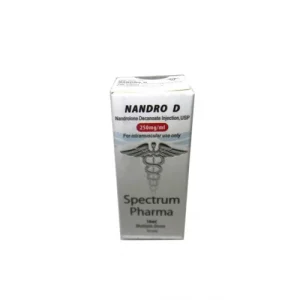
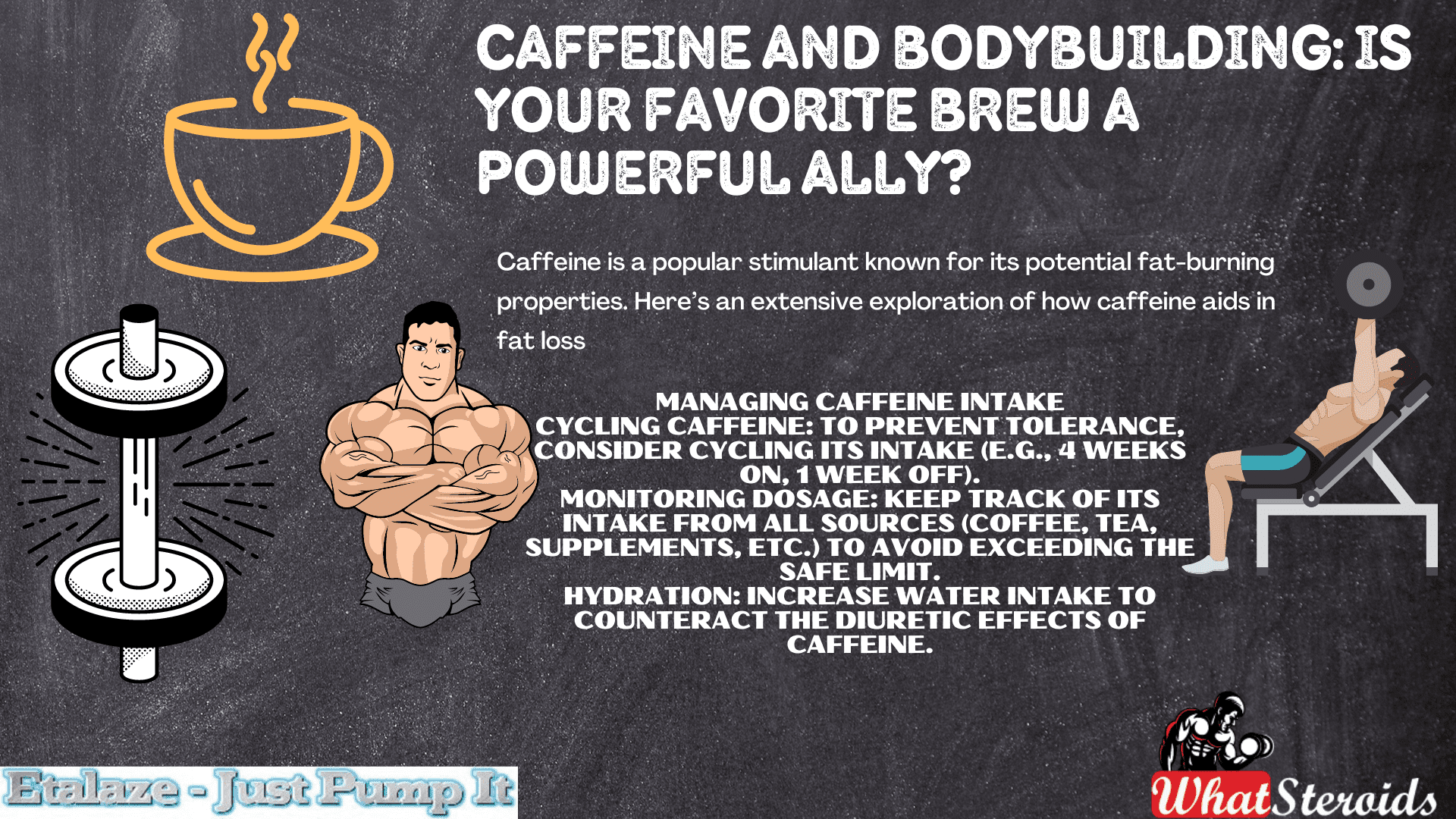
Caffeine, that beloved morning brew, may have some muscle-related benefits! A recent study in Japan found that habitual coffee drinkers had greater skeletal muscle mass. While the exact mechanism isn’t fully understood, it’s intriguing. However, caffeine’s effects on muscle protein synthesis after resistance exercise remain inconclusive. So, while your cup of joe won’t replace your dumbbells, Caffeine might give your muscles a little extra pep!
Appropriate Dosages
Pre-Workout Boost
- Timing: Take it in the morning (about 90 minutes after waking up) or right before a workout.
- Ideal Dosage: Aim for 100-200 mg, adjusted based on factors like tolerance and body weight.
- Safety Limit: Avoid exceeding 400 mg to prevent adverse effects.
During Endurance Events (3-5 hours)
- Recommended Dosage: For sustained endurance, consider ~3-6 mg/kg of body weight.
- Example: For a 70 kg (150 lb) athlete, this translates to ~200-400 mg.
Caffeine affects a bodybuilder's body in several ways, both positive and negative. Here’s a detailed look at its effects:
Must Read: Are HMB Supplements Better than Steroids? – Research Review
Positive Effects
- Enhanced Performance and Endurance:
- Increased Alertness and Focus: Caffeine stimulates the central nervous system, leading to improved mental clarity and concentration during workouts.
- Improved Muscle Strength and Power: Studies suggest that caffeine can increase the ability to generate force, enhancing performance in activities requiring strength and power.
- Increased Endurance: By mobilizing fatty acids from fat tissues and making them available for energy production, it helps sustain energy levels during prolonged activities.
- Fat Loss:
- Thermogenesis: Caffeine increases the body’s metabolic rate, leading to more calories burned at rest.
- Fat Oxidation: It promotes the use of fat as a fuel source, which can help in reducing body fat percentage.
- Reduced Perceived Effort:
- It can lower the perception of effort during workouts, making intense exercise feel less strenuous.

Negative Effects
- Dehydration:
- As a diuretic, caffeine can increase urine output, which may lead to dehydration if fluid intake is not adequately managed.
- Sleep Disturbances:
- Caffeine can interfere with sleep patterns if consumed too late in the day, leading to reduced recovery and performance in subsequent workouts.
- Increased Heart Rate and Blood Pressure:
- High doses of it can lead to increased heart rate and blood pressure, which may be risky for individuals with pre-existing cardiovascular conditions.
- Tolerance and Dependence:
- Regular use can lead to tolerance, requiring higher doses to achieve the same effects. Dependence can also develop, leading to withdrawal symptoms like headaches and fatigue if caffeine intake is suddenly reduced.
- Gastrointestinal Issues:
- Some individuals may experience stomach discomfort, acid reflux, or other gastrointestinal issues after consuming caffeine.
Specific Benefits for Bodybuilders
- Pre-Workout Motivation: Caffeine can boost mood and motivation, making it easier to stick to challenging workout routines.
- Muscle Glycogen Sparing: By utilizing fat for energy, caffeine can help spare muscle glycogen stores, allowing for prolonged performance before fatigue sets in.
- Post-Workout Recovery: Some studies suggest that caffeine can help reduce muscle soreness and speed up recovery when combined with carbohydrates.
Managing Caffeine Intake
- Cycling Caffeine: To prevent tolerance, consider cycling its intake (e.g., 4 weeks on, 1 week off).
- Monitoring Dosage: Keep track of its intake from all sources (coffee, tea, supplements, etc.) to avoid exceeding the safe limit.
- Hydration: Increase water intake to counteract the diuretic effects of caffeine.
Understanding these effects can help bodybuilders use caffeine strategically to enhance their performance and achieve their fitness goals while minimizing potential negative impacts.
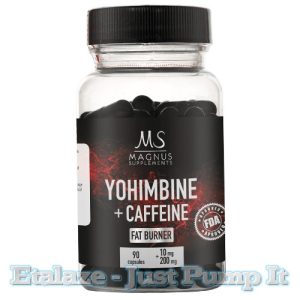 Buy Yohimbine Caffeine 90 Tabs by Magnus
Caffeine Impact on Specific Chemicals
Caffeine impacts the body’s hormones, including adrenaline, cortisol, and insulin, in various ways. Here’s a detailed look at these effects:
Adrenaline
Impact:
- Stimulation: Caffeine increases the release of adrenaline (epinephrine) by stimulating the adrenal glands. This hormone is part of the body’s “fight-or-flight” response.
- Effects: The surge in adrenaline increases heart rate, blood pressure, and energy levels, preparing the body for intense physical activity. This can enhance performance in workouts, especially those requiring bursts of power and strength.
Cortisol
Impact:
- Acute Increase: Its consumption can lead to a temporary increase in cortisol levels, especially in the morning. Cortisol is a stress hormone that helps regulate metabolism, immune response, and energy production.
- Context-Dependent: The magnitude of cortisol response can depend on the individual’s habitual caffeine use, time of day, and baseline stress levels. Regular users may experience a blunted cortisol response compared to non-regular users.
- Long-Term Effects: Chronic high cortisol levels due to excessive caffeine intake can have negative effects, such as impaired immune function, increased fat deposition (particularly abdominal fat), and disrupted sleep patterns.
Also Read: Training clothing: Marvel-Inspired Clothing on Amazon in 2024
Insulin
Impact:
- Insulin Sensitivity: It can temporarily reduce insulin sensitivity, meaning that cells become less responsive to insulin. This can lead to higher blood glucose levels after carbohydrate consumption.
- Acute vs. Chronic Use: While acute intake might impair insulin sensitivity, habitual consumption does not appear to have a significant long-term impact on insulin sensitivity in most people. Some studies suggest that regular coffee consumption might even be associated with a lower risk of type 2 diabetes, possibly due to other bioactive compounds in coffee.
- Individual Variation: The effect of caffeine on insulin sensitivity can vary widely among individuals, influenced by genetic factors, the presence of metabolic conditions, and the overall diet and lifestyle.
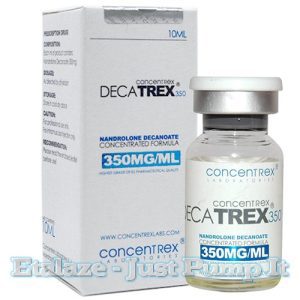 Click Here to Buy DecaTREX 350 mg/ml by Concentrex
Fat-Burning Properties of Caffeine
Caffeine is a popular stimulant known for its potential fat-burning properties. Here’s an extensive exploration of how caffeine aids in fat loss:
Mechanisms of Fat Burning
- Thermogenesis:
- Definition: Thermogenesis is the process of heat production in the body.
- Effect of Caffeine: Caffeine increases thermogenesis by stimulating the central nervous system. This leads to a higher metabolic rate, causing the body to burn more calories at rest and during physical activity.
- Lipolysis:
- Definition: Lipolysis is the breakdown of fats into fatty acids and glycerol.
- Effect of Caffeine: It promotes lipolysis by increasing the release of adrenaline and noradrenaline, which bind to fat cell receptors and trigger the release of stored fat into the bloodstream for use as energy.
- Fat Oxidation:
- Definition: Fat oxidation is the process of burning fatty acids for energy.
- Effect of Caffeine: By mobilizing fatty acids from fat tissues, caffeine increases the availability of fats to be used as fuel, especially during aerobic exercises. This enhances the body's ability to burn fat.
- Energy Expenditure:
- Effect of Caffeine: Caffeine increases overall energy expenditure, which contributes to a greater caloric deficit and, consequently, fat loss. This effect is due to increased physical activity levels and enhanced exercise performance.
Practical Considerations for Bodybuilders
- Timing and Dosage:
- Consume it strategically to maximize performance benefits while minimizing potential hormonal disruptions.
- Avoid excessive intake to prevent chronic elevation of cortisol and significant insulin sensitivity impairment.
- Hydration and Nutrition:
- Ensure adequate hydration and balanced nutrition to support overall hormonal balance.
- Consider the timing of carbohydrate intake around workouts to manage potential blood glucose fluctuations.
- Individual Responses:
- Pay attention to individual responses to it, as effects on adrenaline, cortisol, and insulin can vary.
- Monitor for signs of excessive stress or disrupted glucose metabolism and adjust caffeine intake accordingly.
By understanding these hormonal impacts, bodybuilders can better manage their caffeine consumption to enhance performance and support overall health.
Overall
Caffeine plays a significant role in enhancing muscle mass development through several mechanisms. Firstly, it increases muscle strength and power output by stimulating the central nervous system, allowing for more intense and productive workouts. This heightened performance can lead to greater muscle fiber recruitment and overall muscle activation during resistance training. Secondly, it promotes fat loss by mobilizing fatty acids from adipose tissue, which can enhance muscle definition and visibility. By sparing muscle glycogen stores, caffeine also prolongs endurance, allowing for extended training sessions that are crucial for hypertrophy. Additionally, it has been shown to reduce perceived exertion during exercise, enabling athletes to push harder and potentially achieve greater muscle gains over time.
Lastly, caffeine may have indirect benefits by improving focus and concentration, which are crucial for maintaining proper form and technique during workouts, thereby reducing the risk of injury and ensuring consistent progress in muscle development. Overall, when used strategically, it can be a powerful ally in the pursuit of building lean muscle mass and achieving peak physical performance.
Related Article: Stacking SARMS: Different SARMS Cycles
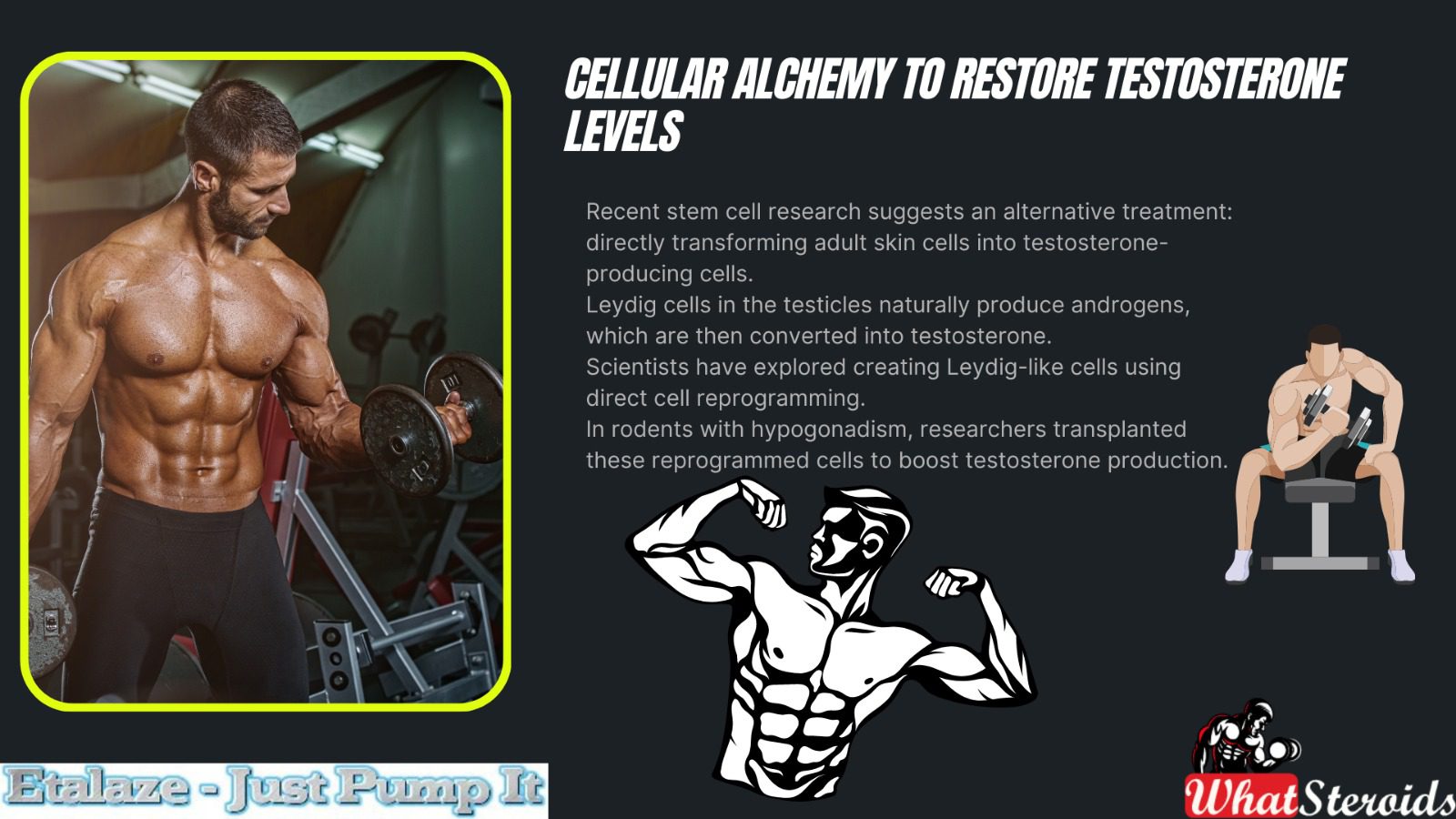
The convergence of stem cell therapy and hormone regulation represents an intriguing frontier in medical research, especially regarding the possibility of enhancing testosterone levels. In this article, we shall explore cellular Alchemy from a bodybuilding perspective.
Testosterone, the essential male hormone, plays a crucial role in various bodily functions, including muscle mass maintenance, bone density, and mood regulation. As men age, natural declines in testosterone levels can lead to hypogonadism, significantly affecting their quality of life.
Stem cell therapy or cellular Alchemy offers a promising avenue for restoring testosterone levels, even in bodybuilders. Let’s delve into the details:
Background on Testosterone and Hypogonadism
Testosterone is crucial for male sexual development, cognitive function, and overall health.
As men age, testosterone levels naturally decline, leading to conditions like hypogonadism (abnormally low testosterone).
Hypogonadism can cause mood disturbances, reduced sex drive, and weakened muscle and bone strength.
Traditional Approach: Testosterone Replacement Therapy (TRT)
The common clinical approach is testosterone replacement therapy (TRT).
However, TRT has significant side effects, including venous thromboembolism and deep vein thrombosis.
Stem Cell Research and Alternative Treatment
Recent stem cell research suggests an alternative treatment: directly transforming adult skin cells into testosterone-producing cells.
Leydig cells in the testicles naturally produce androgens, which are then converted into testosterone.
Scientists have explored creating Leydig-like cells using direct cell reprogramming.
In rodents with hypogonadism, researchers transplanted these reprogrammed cells to boost testosterone production.
Must Read: Muscle Disorders: Diagnosis, Treatment and Coping Routine
Implications for Bodybuilders
Stem cell therapy could benefit bodybuilders by:
Enhancing muscle growth: Stem cells may stimulate muscle repair and regeneration.
Improving recovery: Faster recovery after intense workouts.
Alleviating symptoms: Reduced libido, fatigue, and muscle loss associated with low testosterone.
Stem cell therapy for testosterone restoration is an exciting field, but it’s essential to understand both its potential benefits and risks. Let’s explore:
Testosterone Replacement Therapy (TRT) Risks
TRT is the common clinical approach for hypogonadism (low testosterone).
However, TRT has notable side effects, including:
Increased risk of blood clots: TRT can lead to elevated red blood cell production, potentially causing blood clots.
Sleep apnea risk: Some individuals on TRT may experience interrupted breathing during sleep.
Testicular atrophy: The testicles may shrink due to TRT.
Prostate growth: Regular prostate cancer monitoring becomes necessary.
Stem Cell Therapy Approach
Recent research explores an alternative: directly transforming adult skin cells into testosterone-producing cells.
Scientists aim to create Leydig-like cells using direct cell reprogramming.
Leydig cells in the testicles naturally produce androgens, which then convert into testosterone.
In rodent studies, researchers transplanted these reprogrammed cells to boost testosterone production2.
Implications and Caution
Stem cell therapy shows promise, but it’s still experimental.
Risks associated with stem cell therapy are not fully understood.
Safety, efficacy, and long-term effects need further investigation.
Cellular Alchemy Success Rate
Stem cell therapy for testosterone restoration shows promising results, particularly in the context of male hypogonadism. Let’s explore the success rates based on recent research:
Background on Male Hypogonadism
Male hypogonadism is characterized by abnormally low testosterone levels.
It can lead to mood disturbances, reduced sex drive, and decreased muscle and bone strength.
Approximately 30% of older men are affected by this condition.
Common Clinical Approach: Testosterone Replacement Therapy (TRT)
TRT is the standard treatment for hypogonadism.
However, TRT has significant side effects, including venous thromboembolism and deep vein thrombosis.
Stem Cell Research and Leydig-Like Cells
Scientists have explored an alternative using stem cells.
They directly transform adult skin cells into Leydig-like cells, which produce androgens and then biosynthesize testosterone.
In rodent studies, these reprogrammed Leydig cells were transplanted into testosterone-deficient animals.
Remarkably, the cells survived and restored normal testosterone levels in males with hypogonadism.
Success Rate
While individual outcomes may vary, stem cell therapy has shown promise.
Success rates are not universally defined, but the approach offers an exciting alternative to androgen replacement therapy.
Related Article: First Injectable Steroid Cycle
Holistic Approach to Men’s Health
Research Progress: As scientific knowledge advances, we recognize that health interventions should consider the whole person, not just isolated aspects.
Stem Cell Therapy: This emerging field offers potential benefits for various health conditions, including hypogonadism (low testosterone).
Holistic View: Rather than focusing solely on stem cell therapy, we should integrate it into a broader approach that considers lifestyle factors.
Lifestyle Factors and Testosterone
Diet: Proper nutrition is crucial. Certain nutrients (like zinc and vitamin D) support testosterone production.
Exercise: Regular physical activity, especially resistance training, positively influences testosterone levels.
Stress Management: Chronic stress can lower testosterone. Techniques like meditation and relaxation help maintain hormonal balance.
Complementary Role of Stem Cell Therapy
Enhancing Well-Being: Stem cell therapy complements lifestyle efforts.
Managing Hypogonadism: It can address testosterone deficiency, but it’s not a standalone solution.
Synergy: Combining stem cell therapy with lifestyle changes creates a comprehensive strategy.
Overall Health: This approach benefits not only testosterone levels but also overall health and vitality.
Viewing stem cell therapy holistically involves integrating it with lifestyle choices, creating a synergistic approach to men’s health.
Dietary Recommendations to Support Cellular Alchemy
 Buy Cabaser 1 mg [20 Tabs, Pfizer]
When it comes to managing hypogonadism, dietary choices play a crucial role. Here are some dietary recommendations:
Nutrient-Rich Foods
Zinc: Include foods like oysters, beef, pumpkin seeds, and legumes. Zinc supports testosterone production.
Vitamin D: Fatty fish (salmon, mackerel), fortified dairy products, and sunlight exposure help maintain healthy levels.
Healthy Fats: Avocado, nuts, and olive oil provide essential fats for hormone synthesis.
Avoid Excessive Alcohol and Sugar
Alcohol can negatively impact testosterone levels.
High sugar intake may lead to insulin resistance, affecting hormonal balance.
Protein Intake
Adequate protein supports muscle growth and overall health.
Include lean meats, eggs, and plant-based protein sources.
Anti-Inflammatory Foods
Chronic inflammation can affect testosterone.
Consume fruits, vegetables, and whole grains to reduce inflammation.
Natural Alternatives to Cellular Alchemy
If you’re looking for natural ways to boost testosterone without relying on cellular alchemy, consider the following strategies:
Ashwagandha Supplement
Ashwagandha, an adaptogenic herb, has been linked to reduced stress and increased testosterone levels.
In studies, it improved muscle strength and testosterone in men who took 600 mg daily for eight weeks.
Note that it didn’t have the same effect on women.
Prioritize Sleep
Aim for 7-9 hours of quality sleep each night.
Lack of sleep can lower testosterone levels, so prioritize rest.
Optimize Vitamin D
Vitamin D deficiency is associated with low testosterone.
Get sunlight exposure or consider supplements if needed.
Dietary Choices
Certain foods can help raise testosterone:
Grass-fed beef: Rich in nutrients and healthy fats.
Zinc-rich foods: Oysters, beef, and pumpkin seeds.
Vitamin D sources: Fatty fish and fortified dairy products.
Keep in mind that a holistic approach that combines lifestyle changes, nutrition, and natural supplements can contribute to maintaining healthy testosterone levels. Always consult a healthcare professional for personalized advice.
Overall
As a general recommendation, we advise caution regarding cellular alchemy. While it shows promise for testosterone restoration, it remains experimental. Consult a healthcare professional before considering it. For bodybuilders, natural alternatives (like lifestyle changes and supplements) are safer and more widely applicable.
Also Read: Meet the World’s Strongest Grannies


Joint Stiffness: How to Manage It While on AAS

Caffeine and Bodybuilding: Is Your Favorite Brew A Powerful Ally?

Cellular Alchemy to Restore Testosterone Levels

Omnitope (Oxytocin)

Hormone Replacement Therapy (TRT) Cycle Guide

Here Is How To know Your MRV (Maximum Recoverable Volume)

Major Bodybuilding Peptides Explained

Top Vitamins for Skin Health

How Much Do You Know About B-AET? A Fat Burner You’ve Been Missing

TRT Add-ons: The Ultimate Guide

Anavar Cycle for Men and Women
How Much Do You Know About B-AET? A Fat Burner You’ve Been Missing

Peptides Vs. Steroids:Real Talk/Guide

Anadrol Cycle: Benefits, Doses, Alternatives, etc.
TRT Add-ons: The Ultimate Guide
Major Bodybuilding Peptides Explained
Top Vitamins for Skin Health
Here Is How To know Your MRV (Maximum Recoverable Volume)
Hormone Replacement Therapy (TRT) Cycle Guide
Omnitope (Oxytocin)
Anavar Cycle for Men and Women
How Much Do You Know About B-AET? A Fat Burner You’ve Been Missing
Peptides Vs. Steroids:Real Talk/Guide
Anadrol Cycle: Benefits, Doses, Alternatives, etc.
TRT Add-ons: The Ultimate Guide
Major Bodybuilding Peptides Explained
Top Vitamins for Skin Health
Here Is How To know Your MRV (Maximum Recoverable Volume)
Hormone Replacement Therapy (TRT) Cycle Guide
Omnitope (Oxytocin)
-

 Bodybuilding2 years ago
New Arrival Workout Equipment on Amazon for The Disabled
-

 Steroids2 years ago
Supplemental Breast Milk for Bodybuilders: The Secret Behind It
-

 Steroids2 years ago
Dwarf Bodybuilders Giving Pros A Run for Their Money
-

 Steroids1 year ago
VOX Testing: Why Bodybuilders Must Have It Tested Regularly
-

 Steroids1 year ago
Shavers and Other Body Grooming Equipment for Bodybuilders In 2023
-

 Steroids1 year ago
ChatGPT and Other Avenues to Find Great Bodybuilding Coaches
-

 Steroids1 year ago
Best Oil Recommendations Before Competition for Subtle Shimmer
-

 Steroids1 year ago
Powerlifting Vs Power Building: Find Out the Big Difference and When to Shift Between the Two
-

 Beginners12 months ago
Tren Cycle for Beginners
-

 Bodybuilding11 months ago
Competition Prep Cycle for Pro Bodybuilders
-

 Nutrition9 months ago
Everything Nutritional Food: What’s Too Much Or Too Little
-
 Anabolic Steroids8 months ago
Legality of Anabolic Steroids In Latin America
-
 Bodybuilding8 months ago
Chia Seeds in A Bodybuilder’s Diet: An Expert’s Advice
-
 Bodybuilding6 months ago
List of FDA-Approved Peptides
-

 Anabolic Steroids9 months ago
Natural Steroids for Bodybuilding
-

 Anabolic Steroids7 months ago
Start The New Year Strong With These Tips
-

 Beginners9 months ago
Calisthenics: Secret to Building A Better Upper and Middle Body
-

 Bodybuilding7 months ago
Unique Things That Have Redefined Mr Olympia Over The Years
-

 Steroids5 months ago
Trenbolone: Why it Remains A Beast In the Market
-
 Bodybuilding Products4 months ago
Telmisartan In Bodybuilding: An Expert’s Advice
-

 Bodybuilding5 months ago
The Importance of Scaptions in Female Athletes
-
 Bodybuilding4 months ago
How Much Is Too Much Cardio? Understanding Heart Rate Zones
-

 Bodybuilding6 months ago
Funny Gym Stories and Moments to Light Up Your Day
-
 Steroids8 months ago
These Bodybuilding Equipment Might Become Obsolete Next Year (See Alternative Upgrades)
-

 Bodybuilding8 months ago
Calorie Dumping: A Bodybuilder’s Guide