
Supplements
Urinary Incontinence and Bladder Health in Women over 40 Years old


Introduction
Urinary incontinence and bladder health are two related health issues that have become of significant concern recently. They are directly related in the sense that problems in bladder health will, in most cases, culminate in urinary incontinence. These problems have been found to occur more commonly in women than men, usually attributed to pregnancy and menopause. Urinary incontinence in women can be seen as the loss of urine without the urge to urinate.
To help reduce these cases in women, mainly if they occur due to problems in bladder health, you can use a bladder health supplement. This article highlights the issue of urinary incontinence in women and how well you can ensure that your bladder is healthy.
Causes of Urinary Incontinence in Women
Several things come in as causes of urinary incontinence. It should be clear that the occurrence of urinary incontinence does not necessarily mean that it is a disease but is a symptom. The reasons can be classified as follows:
- Temporary causes
Temporary causes usually cause short-term urinary incontinence because they contain or are themselves diuretics. Some are the common foods we eat, and some are the medication we take. Diuretics act on the bladder and the rest of your urinary system to increase the volume of urine produced. The stimulated bladder and increased urine volume lead to urinary incontinence that usually goes away if the substance is eliminated from the body.
Related article: The Use Of Diuretics In Bodybuilding
These causes may include the following:
- Alcohol and carbonated drinks such as coca cola
- Artificial sweeteners and chocolates
- Medications used in the treatment of heart problems and hypertension
- Vitamin C, when taken in large doses
Medical conditions and Disease processes
Some medical conditions and disease processes also cause urinary incontinence. These are conditions and diseases that affect bladder health and influence its physiology. In most cases, they are treatable and can be categorized as transient causes of urinary incontinence. Common conditions and diseases process that is implicated in urinary incontinence include:
- Infections of the urinary tract(UTIs)
- Constipation
Persistent causes
Persistent causes are the underlying physiological and pathological conditions that constantly affect the bladder leading to incontinence. These include:
- Pregnancy with pregnancy comes changes in hormones, which may have a direct or indirect effect on the bladder. The fetus also exerts some pressure on the bladder leading to incontinence.
- As you age, tissues in your body also get older, including those of the bladder. Therefore, the bladder has little capacity to manage urine as you age, and you may start experiencing urinary incontinence for the first time.
- Vaginal delivery women who bear many children would most likely have urinary incontinence. This is because, with every birth, there is a weakening of those muscles which help the bladder have control over urine. This means that you are more likely to have urinary incontinence.
- Menopause, just like, pregnancy, comes with changes in hormones. The hormone estrogen, which has a role in maintaining the health of the mucosa lining the bladder and urethra, is, reduced, which may trigger urinary incontinence. This is one explanation why urinary incontinence in women over 40 is of significant concern and should be highlighted well.
- Hysterectomy refers to the surgical removal of the uterus mainly due to malignant issues. It is an important cause of urinary incontinence because it is usually in close contact with the bladder and is supported by the same muscle. If such powers are destroyed during the process, it will lead to urinary incontinence.
- Disorders in the nervous system smooth muscles of the bladder are under nervous control, and any neurological condition involving nervous supply to the bladder will lead to urinary incontinence.
Must read: 5 Supplements to avoid during pregnancy
Different types of urinary incontinence
Stress Incontinence
Stress incontinence occurs when any situation that puts pressure on the bladder causes urine leakage. Such conditions, such as sneezing, will not cause urine to leak, hence a reason to speculate stress incontinence. This type of stress incontinence is prevalent in women since their bladder is more likely to be stressed by physiological conditions such as pregnancy and vaginal delivery. Stress incontinence, in many cases, is treatable either by bladder supplements or other medical interventions.
Urge incontinence
It occurs when urine leaks immediately after feeling the urge to urinate without your control. Urge incontinence, in most cases, is a neurological problem with the bladder having inappropriate spasms. People with urge incontinence often empty their bladder even after drinking a small amount of fluid and may wake up open on their beds. Being a neurological problem, emotions such as anxiety can worsen the situation, and even drugs such as diuretics. People with Alzheimer’s and diabetes are likely to experience this type of incontinence.
Overactive bladder
Like urge incontinence, incontinence due to an overactive bladder has its route in neurological problems. The difference is in the time. In this type of incontinence, there are nerve signals at a time when you are not expecting to urinate. It is also common among women and may present with:
- High frequency of urination
- Nocturia, where one wakes up at night to urinate
- The urgency of urination is high
Functional incontinence
Functional incontinence may not be of great medical importance, but it occurs sometimes. It is particularly prominent in people who cannot plan correctly about when to urinate and therefore end up leaking urine uncontrollably. They are primarily people with specific disabilities and medical conditions that affect their judgment.
Overflow incontinence
Overflow is a type of incontinence resulting from weak bladder smooth muscles. The bladder generally fails to empty correctly, leading to a spillover.
Treatment of Urinary Incontinence
Urinary incontinence can be an embarrassing condition, so the need to be treated as early as possible. Treatment of urinary incontinence focuses significantly on the bladder, and many ways can be used. After determining the type of incontinence, your doctor may suggest several methods for your treatment.
Control 24 ➢ Buy it HERE.
Different treatment approaches for urinary incontinence include:
- Behavioral and training means
Timed voiding and Kegel exercise are two popular means commonly used for treating urinary incontinence. Timed voiding involves utilizing the bathroom at specific times, while kegel exercise is meant to strengthen the muscles responsible for holding your urine.
- Medications
Certain medications are essential when it comes to certain types of incontinence. For instance, when it comes to an overactive bladder, anticholinergic drugs can effectively reduce the spasms and help mitigate this type of incontinence. The only problem is that they come with certain side effects, for example, a dry mouth and even blurred vision, when used in large doses.
- Neuromodulation therapy
Neuromodulation therapy is another way to treat urinary incontinence, particularly urge incontinence. InterStim is a device used in this therapy and mainly involves stimulating nerves that go to the bladder from the spinal cord. Neuromodulation is only meant for certain people and is not suitable for everyone.
Bladder health and incontinence
A healthy bladder ensures that you avoid problems that come along with urinary incontinence. There are several ways to prevent incontinence and regain your normal bladder function. Using bladder control supplements is one such way, among others. We focus on some of these bladder health supplements and how they contribute to helping you avoid urinary incontinence.
Top 5 bladder health supplements for use
Most joint bladder supplements are herbs. They include:
1 Vitamin D
Vitamin D has been approved as one of the most effective bladder supplements that you can use.
Features
- Has effects on muscles of the pelvic floor
- Also has effects on bones
Pros
- Works well both in men and women
- The bladder is made of strong
Cons
- It may have some side effects on bone health
Why you should buy vitamin D supplement
The good thing about buying a vitamin D supplement is that it offers double benefits, helping you for a healthy bladder and bones.
2 D-Mannose
D-Mannose is a carbohydrate, just like glucose. It has some beneficial roles as a bladder health supplement.
D-Mannose ➢ Buy it HERE
Features
- It is a carbohydrate
- Its effect is on the normal flora of tracts such as the Genital Urinary Tract (GUT).
Pros
- Efficiently improves genital and urinary tract health.
- Maintains the normal beneficial flora of the GUT
Cons
- Probable side effects
Why you should buy this supplement
D-mannose occurs naturally and is also abundant even in some body cells. Its role in supporting the bladder is prominent, and it can go a long way toward preventing the occurrence of urinary incontinence.
3 Probiotics
Probiotics are simply types of bacteria that are beneficial and are found in the lumen of the GIT or GUT. A good example is lactobacillus bacteria, which has a good effect on the GUT, ensuring that your bladder and other related organs are healthy.
Probiotics Imunne ➢ Buy it HERE
Features
- Are bacteria that are part of the normal flora of the body
- Come in many different strains
Pros
- Good for balancing the normal flora
- Great for supporting the bladder and the rest of the urinary system
- Is beneficial to the digestive tract
- Also suitable for the immune system
Cons
- Some bacteria may be harmful, causing diseases
Why you should buy Probiotics
Buying probiotics ensure that you not only improve your bladder's health but also improve your immune system, ensuring that you are not exposed to bladder infections that can lead to incontinence.
4 Go-Less Bladder Control Formula
This is a good bladder control supplement that you can use to help you have reasonable control of your urinary incontinence.
AZO Baldder Control ➢ Buy it HERE
Features
- It contains phytoestrogen, which is the primary active substance
- Fatty acids and sterols are also present as ingredients
Pros
- Suitable for both men and women
- It helps you have reasonable control of bladder function
Cons
- Side effects may occur due to the activity of phytoestrogen
Why you should buy this supplement
Being suitable for men and women, the go-Less bladder formula will help you control your bladder, which has been holding you. It is an excellent supplement to try if you have troubling urinary incontinence.
5 Cranberry
Cranberry works using an antioxidant activity found in some of its components. The supplement is made from cranberries, which have been tried and are in powder form.
Cranberry ➢ Buy it HERE
Features
- Some contain vitamin C, and sometimes probiotics
- Has antioxidant activity
Pros
- Beneficial to your urinary health, especially the bladder
- Improves the functioning of the kidney
- Antioxidant activity help reduce free radicals
Cons
- Some contain bacteria that may lead to an active infection
Why you should buy cranberry supplement
It is evident that cranberry has many benefits for the body and goes a long way toward ensuring that your bladder health is robust.
How to maintain a healthy bladder
Apart from using bladder health supplements which may be so costly since some of them are bought, there are several other things that you can do to ensure that your bladder remains healthy and that you do not have recurring problems. Some of these tips include:
- Limiting the use of alcohol and other such drinks such as caffeine
- Drinking sufficient amounts of water
- Reducing or even altogether quitting smoking
- Doing regular exercise and losing weight reduces stress on the bladder.
- Avoiding tight pants and nylon ones to minimize incidences of urinary tract infections.
Conclusion
Urinary incontinence is an embarrassing condition that has been troubling people, especially women over 40 who are reaching or have reached menopause. Therefore, it therefore, you have a clear understanding of this condition and seek the required help as early as possible. The good thing is most cases of urinary incontinence are manageable, and you can lead an everyday life again. Many bladder health supplements help you as well as other treatment options.



Bodybuilders have unique nutritional needs due to their intense training regimens.
Here are compelling reasons why bodybuilders (and anyone, really) should pay attention to their vitamin intake for healthy skin:
Related Article: Are the Fruits Helpful For Body Fat Loss?
Cell Repair and Regeneration
Vitamins play a crucial role in cell repair and regeneration. Skin cells constantly undergo wear and tear due to exercise, sun exposure, and other factors. Adequate vitamins support the renewal process, helping maintain healthy skin.
Collagen Production
Collagen is a protein that provides structure and elasticity to the skin. Vitamins like vitamin C and vitamin E are essential for collagen synthesis. Without enough collagen, skin can become saggy and lose its youthful appearance.
Antioxidant Defense
Vitamins such as vitamin A, vitamin C, and vitamin E act as powerful antioxidants. They protect skin cells from damage caused by free radicals, which can accelerate aging and contribute to wrinkles and fine lines.
Wound Healing
Bodybuilders often experience minor cuts, bruises, or skin abrasions during training. Vitamins like vitamin K and vitamin C are involved in wound healing and tissue repair. Ensuring sufficient intake aids in faster recovery.
Sun Protection
While sunscreen is crucial, certain vitamins provide additional natural sun protection. For instance, vitamin D (produced when skin is exposed to sunlight) supports overall skin health and may help prevent skin cancer.
Reducing Inflammation
Intense workouts can lead to inflammation. Vitamins like vitamin E and vitamin D have anti-inflammatory properties, helping soothe irritated skin.
Hydration and Moisture
Proper hydration is essential for skin health. Vitamins like vitamin B5 (pantothenic acid) help maintain skin moisture levels, preventing dryness and flakiness.
Skin Barrier Function
Vitamins B3 (niacin) and B7 (biotin) contribute to a healthy skin barrier. A strong barrier protects against environmental stressors and prevents water loss.
Reducing Acne and Blemishes
Some vitamins, like vitamin A, regulate sebum production and prevent clogged pores. This can help reduce acne and blemishes.
 Buy Penester (finasteride ) 5MG 28TAB
Overall Health
Remember that skin health is closely linked to overall health. Vitamins support not only skin but also immune function, energy production, and muscle repair.
Generally, vitamins are essential for maintaining healthy, radiant skin. A balanced diet rich in fruits, vegetables, nuts, and whole grains provides the necessary nutrients. If you have specific concerns, consult a healthcare professional or a registered dietitian for personalized advice.
The Most Appropriate Vitamins for Bodybuilders
Let’s dive deeper into the world of vitamins and nutrients that can benefit your skin health. Here’s a list of 20 vitamins and supplements that can promote healthy skin:
Vitamin D
Known for bone health, vitamin D may also play a role in skin cancer protection. Adequate levels of vitamin D are associated with a lower risk of melanoma.
Vitamin C
An antioxidant that protects against free radical damage, vitamin C is essential for collagen synthesis and overall skin health. Include citrus fruits, bell peppers, and strawberries in your diet.
Vitamin E
Another antioxidant, vitamin E helps protect the skin from oxidative stress and supports skin elasticity. Sources include nuts, seeds, and spinach.
Biotin
A water-soluble vitamin, biotin supports healthy skin, hair, and nails. You can find it in eggs and legumes.
Vitamin A
Essential for skin health, vitamin A promotes skin repair and maintains a healthy complexion. Leafy greens and carrots are good sources.
Multivitamins
Taking a multivitamin can ensure you get a balanced mix of essential nutrients, including those beneficial for skin health.
Vitamin K
Supports blood clotting and may help reduce dark circles under the eyes. Leafy greens and broccoli are rich in vitamin K.
Vitamin B3 (Niacin)
Helps maintain skin barrier function and reduces redness. Found in meat, fish, and whole grains.
Vitamin B5 (Pantothenic Acid)
Supports skin hydration and wound healing. Avocado, mushrooms, and sunflower seeds are good sources.
Vitamin B6 (Pyridoxine)
Important for skin health and metabolism. Found in poultry, fish, and bananas.
Vitamin B7 (Biotin)
Essential for healthy skin, hair, and nails. Eggs, nuts, and sweet potatoes provide biotin.
Vitamin B9 (Folate)
Supports cell division and tissue growth. Leafy greens, legumes, and citrus fruits contain folate.
Vitamin B12 (Cobalamin)
Helps prevent skin dryness and promotes overall health. Found in animal products like meat and dairy.
Selenium
An antioxidant that protects skin cells. Brazil nuts, seafood, and whole grains provide selenium.
Iron
Necessary for oxygen transport and skin health. Include lean meats, beans, and fortified cereals.
Copper
Supports collagen production and skin elasticity. Nuts, seeds, and shellfish contain copper.
Silica
Important for connective tissue and skin health. Whole grains, leafy greens, and oats are sources.
Collagen Supplements
While not a vitamin, collagen supplements can improve skin elasticity and hydration.
Remember that a well-balanced diet, along with proper hydration, is crucial for maintaining healthy skin. If you have specific concerns, consider consulting a dermatologist or a registered dietitian for personalized advice.

Non-Vitamin Supplements for Skin Health
While vitamins play a crucial role, there are also natural supplements that can benefit your skin. Let’s explore some options:
Hyaluronic Acid (HA)
Although not a vitamin, HA is a powerful compound for skin health. It helps retain moisture, promotes collagen production, and supports skin elasticity. You can find HA supplements or consider foods rich in it, such as bone broth and certain vegetables.
Omega-3 Fatty Acids
These healthy fats are found in fatty fish (like salmon, sardines, and tuna) and flaxseeds. Omega-3s help reduce inflammation, which can positively impact skin health.
Zinc
Essential for skin repair and wound healing, zinc is found in legumes (such as lentils and chickpeas) and eggs. It also supports collagen synthesis, which contributes to skin strength and elasticity.
Collagen Peptides
This is a protein that makes up a significant portion of our skin. Collagen supplements (often in the form of peptides) may help improve skin elasticity and hydration.
Don't Miss: Top 15 Bulking Supplements Today
More Ways to Take Care of Your Skin
To maintain healthy skin, bodybuilders should consider a comprehensive approach that includes the following steps other than the use of vitamins.
Hydration
Internal Hydration: Drinking plenty of water is essential for overall health and skin hydration. Aim for at least 8-10 glasses of water per day.
External Hydration: Use moisturizers that are appropriate for your skin type to prevent dryness and flakiness. Look for non-comedogenic products to avoid clogging pores.
Hygiene
Showering Regularly: Shower immediately after workouts to remove sweat, bacteria, and dirt that can clog pores and cause acne. Use a gentle cleanser to avoid stripping the skin of natural oils.
Proper Cleansing: Use a mild, non-irritating cleanser twice a day. This helps to remove sweat and oils without damaging the skin barrier.
Diet and Nutrition
Balanced Diet: Eat a diet rich in fruits, vegetables, lean proteins, and healthy fats. Vitamins and minerals such as Vitamin C, Vitamin E, and zinc are crucial for skin health.
Supplements: Consider supplements that promote skin health, such as omega-3 fatty acids, which can help with inflammation and skin elasticity.
Sun Protection
Sunscreen: Apply a broad-spectrum SPF 30 or higher sunscreen daily, especially if training outdoors. This prevents UV damage and reduces the risk of skin cancer.
Protective Clothing: Wear protective clothing, hats, and sunglasses to shield the skin from the sun.
Managing Skin Conditions
Acne: Use non-comedogenic products and consider over-the-counter treatments with benzoyl peroxide or salicylic acid. For severe acne, consult a dermatologist.
Rashes and Irritation: Wear moisture-wicking, breathable fabrics to reduce friction and irritation. Apply anti-chafing products to areas prone to friction.
Rest and Recovery
- Adequate Sleep: Aim for 7-9 hours of sleep per night. Sleep is crucial for skin repair and overall recovery.
- Stress Management: Practice stress-reducing activities such as meditation, yoga, or deep breathing exercises. High stress levels can lead to skin issues like acne and eczema.
Regular Exfoliation
Gentle Exfoliation: Exfoliate 1-2 times a week with a gentle scrub or chemical exfoliant to remove dead skin cells and promote cell turnover. Avoid harsh scrubs that can cause micro-tears in the skin.
Avoiding Harmful Practices
Avoid Over-Washing: Over-washing can strip the skin of its natural oils, leading to dryness and irritation.
Avoiding Steroid Abuse: Steroids can cause a range of skin issues, including acne, stretch marks, and thinning of the skin. If using performance-enhancing substances, do so under medical supervision.
Consulting Professionals
Dermatologist Visits: Regular check-ups with a dermatologist can help address any skin issues promptly and provide personalized skin care advice.
Personal Trainers and Nutritionists: Work with professionals to ensure that your training and diet support not just muscle growth, but overall health, including skin health.
Overall
By integrating these practices into their routine, bodybuilders can maintain healthy, vibrant skin that complements their physical fitness achievements.
Must Read: Human Chorionic Gonadotropin – A Hormone of Health
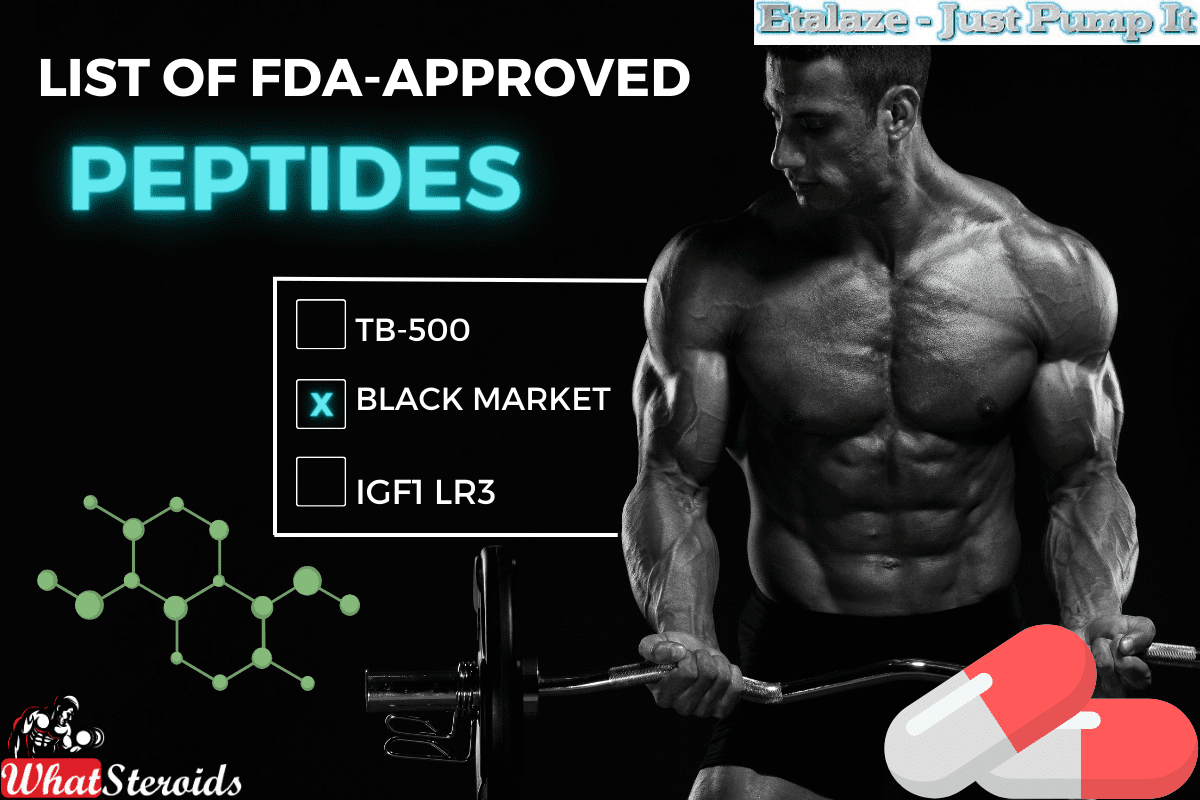
When it comes to bodybuilding, peptides have gained significant attention for their potential benefits in muscle growth and performance enhancement. However, it is crucial to prioritize safety and legality in the pursuit of achieving desired results.
Related Article: Best Post Cycle Therapy (PCT): 100% Recovery Within 6 Weeks
Why Peptides?
Bodybuilders use peptides for various reasons, including:
Muscle Growth
Some peptides, like growth hormone-releasing peptides (GHRPs) and growth hormone secretagogues (GHSs), are believed to stimulate muscle growth and repair, which can aid in muscle building.
Fat Loss
Certain peptides, such as melanotan II and peptide YY, are thought to promote fat loss by increasing metabolism or reducing appetite.
Recovery
Peptides like BPC-157 and TB-500 are believed to enhance recovery by promoting tissue repair and reducing inflammation, potentially allowing for more frequent and intense workouts.
Endurance
Some peptides, such as erythropoietin (EPO) mimetics, are thought to increase red blood cell production, leading to improved endurance and performance during workouts.
Injury Prevention
Peptides like collagen peptides are believed to support joint and connective tissue health, potentially reducing the risk of injuries associated with intense training.
In this section, we will provide you with a list of FDA-approved peptides that are commonly used by bodybuilders.
Growth Hormone Releasing Peptides (GHRPs)
GHRPs stimulate the release of growth hormone, promoting muscle growth and recovery. FDA-approved GHRPs include: - Tesamorelin (Egrifta) - Sermorelin (Geref)
Growth Hormone Secretagogues (GHSs)
GHSs also stimulate the release of growth hormone and offer potential benefits for bodybuilders. An FDA-approved GHS is: - Macimorelin (Macrilen)
Insulin-like Growth Factor-1 (IGF-1) Peptides
IGF-1 plays a vital role in muscle development and repair. One FDA-approved IGF-1 peptide is: - Mecasermin rinfabate (Increlex)
4. Gonadotropin-Releasing Hormone Analogs
These peptides regulate hormone levels in the body, impacting muscle growth and performance. An FDA-approved analog is: - Leuprolide acetate (Lupron Depot) Thank you for providing information on various growth hormone-related peptides and analogs.
Tesamorelin (Egrifta)
Tesamorelin is a growth hormone-releasing peptide that has been approved by the FDA for the treatment of HIV-associated lipodystrophy. It stimulates the release of growth hormone, which can promote muscle growth and aid in recovery.
Sermorelin (Geref)
Sermorelin is another FDA-approved growth hormone-releasing peptide that stimulates the production and release of growth hormone from the pituitary gland. It may be used to treat children with growth hormone deficiency or adults with low levels of growth hormone.
Macimorelin (Macrilen)
Macimorelin is a Growth Hormone Secretagogue (GHS) that received FDA approval for diagnosing Adult Growth Hormone Deficiency (AGHD). GHSs like macimorelin stimulate the release of growth hormones from the pituitary gland, aiding in muscle development.
4. Mecasermin rinfabate (Increlex)
Mecasermin rinfabate is an insulin-like Growth Factor-1 (IGF-1) peptide approved by the FDA for treating children with short stature due to severe primary IGF-1 deficiency or IGF-1 gene deletion mutations. IGF-1 plays a crucial role in promoting muscle development and repair.
Leuprolide acetate (Lupron Depot)
While not strictly categorized as a peptide, leuprolide acetate belongs to a class called Gonadotropin-Releasing Hormone Analogs, which regulate hormonal levels in both males and females by suppressing sex hormones such as testosterone or estrogen. This regulation can indirectly impact muscle growth and performance. It's important to note that these substances are only available under prescription and should always be used under the guidance of a healthcare professional.
It's important to note that while these peptides are FDA-approved for specific medical conditions, their off-label use for bodybuilding purposes may not be explicitly endorsed by regulatory authorities.
Before incorporating any peptide into your fitness regimen, it is crucial to consult with a healthcare professional who specializes in sports medicine or endocrinology to ensure safe usage and proper dosing.
Remember that achieving optimal results in bodybuilding requires a comprehensive approach involving proper nutrition, training, rest, and guidance from qualified professionals.
HGH Frag 176-191
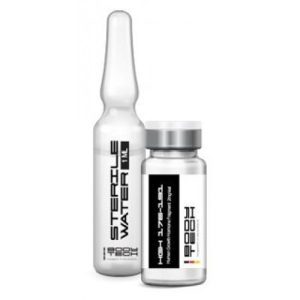
This peptide is known for its fat-burning. It is specifically designed to target and break down fat cells, helping individuals achieve a leaner physique while preserving muscle mass.
TB-500
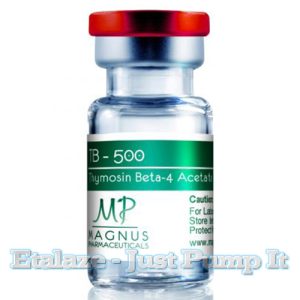
It is widely used for its ability to promote healing and recovery from injuries, making it a valuable asset for athletes engaged in intense training regimens.
Must Read: Horse Chestnut and Other Supplements to Get Rid of Water Retention
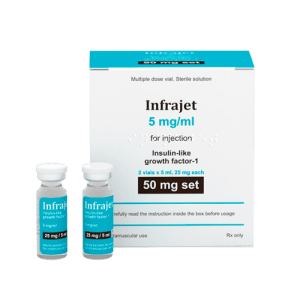
IGF1 LR3
This peptide stimulates muscle cell growth, leading to increased muscle mass and improved recovery time.
The peptide works as a protein hormone and contains a very unique chemical structure.
Additionally, LR3 it is the same as a natural insulin hormone (IGF-1) found in the liver and pancreas.
This makes it good in stimulating several natural processes such cellular growth and differentiation. For this reason, it ranks among the highest for bodybuilders who want to grow muscle.
Again, IGF1 LR3 promotes the development of Growth Hormone (GH).
Growth hormone (GH) is needed for muscle growth and development but it is usually less abundant with age.
The peptide is a synthetic (long-form) version and is mostly more potent than the standard Insulin-like Growth Factor (IGF-1).
However, most experts are of the opinion that it's not as powerful as Human Growth Hormone (HGH) supplements.
Overall, IGF1 LR3 does not come withe nasty side effects and long-term health risks compared to most performance-enhancing substances.
 Buy Now
GHRP-6
Known for its appetite-stimulating effects, GHRP-6 also boosts growth hormone secretion, promoting muscle growth and aiding in recovery.
Melanotan II
While not directly related to muscle growth, Melanotan II is often used by bodybuilders for its tanning effects, giving them a more defined appearance on stage.
Why the FDA Takes Longer to Approve Peptides
The FDA's approval process for peptides used by bodybuilders involves ensuring safety and efficacy. Peptides, often used for muscle building, can carry risks such as side effects and long-term health consequences. Therefore, comprehensive studies on their safety, dosage, and effectiveness are required.
Many peptides used by bodybuilders may lack sufficient research or have potential adverse effects, leading to their non-approval. Additionally, some peptides may be considered performance-enhancing drugs, raising concerns about fair competition and ethical use in sports. Overall, the FDA prioritizes public health and safety in its approval process, which may limit the approval of peptides for bodybuilding purposes.
Let's delve deeper into why the FDA doesn't readily approve most peptides for bodybuilding:
Safety Concerns
Peptides can affect various bodily processes and systems. The FDA requires thorough testing to ensure they don't pose significant risks to users. This includes assessing potential side effects, interactions with other substances, and any long-term health implications.
Efficacy and Dosage
To gain FDA approval, a substance must demonstrate not only safety but also effectiveness for its intended use. This requires extensive clinical trials to establish the optimal dosage, duration of use, and expected outcomes. Many peptides used by bodybuilders may lack sufficient data on these parameters.
Regulatory Compliance
Peptides marketed for bodybuilding often fall into a regulatory gray area. If they're marketed as supplements rather than drugs, they may not undergo the same rigorous testing and oversight as pharmaceuticals. However, the FDA still expects manufacturers to comply with regulations regarding labeling, advertising claims, and quality control.
Ethical and Legal Considerations
Some peptides used by bodybuilders may be considered performance-enhancing drugs, especially if they provide an unfair advantage in sports competitions. The FDA must consider the ethical implications of approving substances that could potentially undermine fair play and jeopardize athlete health.
Limited Research
Peptides used in bodybuilding may not have undergone sufficient scientific scrutiny. Many are relatively new compounds with limited research on their safety and efficacy, making it challenging for the FDA to evaluate their benefits and risks accurately.
Off-Label Use
Even if a peptide is FDA-approved for certain medical conditions, using it off-label for bodybuilding purposes may not be supported by sufficient evidence. The FDA encourages healthcare providers and consumers to use approved drugs only for their intended purposes to ensure safety and effectiveness.
In summary, the FDA's cautious approach to approving peptides for bodybuilding reflects its commitment to protecting public health and promoting evidence-based medicine. While some peptides may eventually receive FDA approval for specific uses, rigorous scientific research and regulatory oversight are essential to ensure their safety and efficacy.
Overall
When it comes to finding FDA-approved peptides for bodybuilding purposes, it is crucial to prioritize safety and legality. While there are numerous online sources claiming to offer the best FDA-approved peptides, it is important to exercise caution and do thorough research before making a purchase.
One reliable option for obtaining FDA-approved peptides is through licensed pharmacies or medical professionals. These reputable sources ensure that the peptides they provide meet the necessary quality standards and comply with FDA regulations.
Another avenue worth exploring is reputable online peptide retailers that have established a strong reputation in the industry. It is essential to look for websites that clearly state their commitment to providing FDA-approved peptides and have positive customer reviews attesting to their legitimacy.
It's important to note that purchasing peptides for bodybuilding purposes may require a prescription, depending on your location and specific regulations. Consulting with a healthcare professional or an expert in the field can provide valuable guidance on where to safely obtain FDA-approved peptides tailored to your needs.
Visit etalaze.to today and get the best offer on various peptides and supplements.
Don't Miss: YouTube Fitness Influencers to Subscribe to Right Now

Steroids have become a prevalent topic in the context of Latin America. The use and availability of steroid products in this region have gained attention from both athletes and bodybuilders. However, it is important to approach this subject with caution and prioritize safety.
What's Special About Legal Steroids?
Legal steroids are formulated using natural ingredients that mimic the effects of traditional anabolic steroids without the harmful side effects. They are designed to promote muscle growth, increase strength, improve endurance, and enhance overall athletic performance.
Who Mostly Uses Steroids In Latin America?
In South America, individuals from various backgrounds including bodybuilders, athletes, and fitness enthusiasts are turning to legal steroids as a way to achieve their fitness goals safely. These products are widely available both online and in local supplement stores throughout the region. Legal steroids have gained popularity among individuals in South America who are looking to enhance their fitness performance safely.
These products cater to a diverse range of people, including bodybuilders, athletes, and fitness enthusiasts. The availability of legal steroids has increased both online and in local supplement stores across the region.
Must Read: Your Guide to Become A Successful Personal Trainer
Safety of Steroids
As mentioned, Legal steroids are formulated using natural ingredients that aim to mimic the effects of traditional anabolic steroids without the associated health risks. They typically contain a combination of plant extracts, vitamins, minerals, and amino acids that can support muscle growth, increase strength and endurance, and improve overall athletic performance.
One advantage of legal steroids is that they do not require a prescription or medical supervision for purchase. This accessibility has made them popular among individuals who want to improve their physique or athletic abilities but prefer a safer alternative to traditional anabolic steroids.
Reputatable Steroid Sources In Latin America
When purchasing legal steroids online or from local stores in South America, it is essential to ensure they come from reputable sources. It's also important to follow recommended dosages and consult with healthcare professionals if you have any underlying health conditions or concerns.
Remember that while legal steroids can be effective tools for enhancing fitness goals safely when used responsibly as part of a well-rounded training program and healthy lifestyle choices such as proper nutrition and adequate rest are equally crucial for achieving optimal results. Always prioritize your safety by educating yourself about the product's ingredients, potential side effects, and consulting with professionals if needed before incorporating legal steroid use into your fitness routine.
Latin America Steroid Black Market is Booming
Latin America offers a wide range of steroid products, with various brands and types available on the market. It is crucial to note that the use of steroids should always be done under medical supervision and in accordance with legal regulations.
Unfortunately most steroids are from the black market and pose serious health risks. For those interested in exploring the world of steroids, it is essential to educate oneself about the potential risks and benefits associated with their usage. Consulting a healthcare professional or expert in the field can provide valuable insights on which steroids may be suitable for individual needs. and goals. When it comes to purchasing steroids in Latin America, it is important to understand that regulations and availability may vary from country to country.
It is always advisable to do thorough research and ensure that the products you are interested in are legal and approved for use in your specific location. There are numerous reputable brands offering high-quality steroid products in Latin America. These brands prioritize safety, efficacy, and quality control throughout their manufacturing processes.
Your Brand of Choice Matters
By choosing well-established brands, you can have peace of mind knowing that you are purchasing reliable products. When it comes to purchasing steroid products in Latin America, it's crucial to prioritize your safety and well-being. That's why opting for reputable brands is essential. These brands have built a strong reputation by placing a high emphasis on safety, efficacy, and quality control throughout their manufacturing processes.
Moreover, reputable brands often invest in research and development to continuously improve their formulations, ensuring optimal results for users. They understand the unique needs of individuals looking for steroid products and strive to provide safe options that deliver the desired effects.
When selecting a brand, consider factors such as customer reviews, certifications or accreditations from regulatory bodies or independent testing organizations. This information will further validate their commitment to producing safe and effective products. Remember, your health is paramount when considering using some steroid products. So always choose reputable brands that prioritize safety, efficacy, and quality control throughout their manufacturing processes in Latin America.
Which Steroids Are You Likely to Come Across?
Countries such as Brazil are known for its thriving fitness and bodybuilding culture, and as such, the use of anabolic steroids is prevalent in the country. In this section, we will explore some of the commonly used types of anabolic steroids in Latin America.
1. Testosterone Enanthate: This is one of the most widely used anabolic steroids in Brazil. It is a synthetic version of testosterone and helps to increase muscle mass and strength.
2. Deca Durabolin (Nandrolone Decanoate): Another popular choice among Brazilian bodybuilders, Deca Durabolin promotes muscle growth, improves endurance, and aids in recovery.
3. Dianabol (Methandrostenolone): Dianabol is known for its rapid muscle-building effects. It increases protein synthesis and nitrogen retention in the muscles, leading to significant gains in size and strength.
4. Stanozolol: Also known as Winstrol, Stanozolol is favored by athletes looking to enhance performance without excessive weight gain. It helps improve speed, agility, and overall athletic performance.
5. Trenbolone: Trenbolone is a powerful steroid that promotes lean muscle mass while reducing body fat. It also enhances strength and endurance levels.
6. Anadrol (Oxymetholone): Anadrol is highly regarded for its ability to rapidly increase muscle size and strength. It also improves red blood cell production, leading to enhanced oxygen delivery to muscles during intense workouts.
Don't Miss: Using SARMs on Top of a Steroid Cycle: DOs and DON’Ts
10. Anadrol (Oxymetholone) is highly regarded for its ability to rapidly increase muscle size and strength. It works by improving red blood cell production, leading to enhanced oxygen delivery to muscles during intense workouts. This allows users to push through plateaus and achieve greater gains in their training sessions. It's important to note that the use of these steroids should only be done under proper medical supervision or guidance from a healthcare professional.
Additional Tips to Buy Steroids in Latin America
Misuse or abuse of illegal steroids can lead to serious health complications.
In South America, the use and availability of anabolic steroids vary across different countries. While it is important to note that the use of steroids without a valid prescription is illegal in many places, including South American countries, it is still necessary to understand the prevalence and accessibility of these substances.

Argentina
In Argentina, anabolic steroids are known to be available on the black market. Despite efforts by authorities to crack down on their distribution, they continue to be used by some individuals for performance enhancement purposes.
Colombia
Colombia has also seen a presence of anabolic steroids within its borders. Similar to Argentina, they are often obtained through illicit means. The country has implemented measures to combat their distribution and usage but challenges persist.
Chile
Chile has reported cases of illegal steroid use as well. Authorities in Chile have taken steps to regulate and control the distribution of these substances, aiming to mitigate their misuse and potential health risks.
Cuba
Cuba has strict regulations regarding anabolic steroids. They are classified as controlled substances and can only be obtained with a valid medical prescription from authorized healthcare professionals.
Other Latin America Countries
In Uruguay, Paraguay, and Bolivia, anabolic steroids are also subject to strict regulations. Their sale and use without proper medical supervision are prohibited by law.
Overall
Individuals in these countries are seeking safe and effective alternatives to traditional anabolic steroids. These Latin steroids are gaining traction in every South American country, offering fitness enthusiasts and athletes a legal and regulated option for enhancing their performance. Lastly, If you're looking for legit steroids for various fitness goals etalaze.biz is the ultimate online store. Visit them today to get a range of steroid products and supplements at good, discounted rates.
Related Article: 10 Famous Bodybuilders Who Died in the Line of Duty and Why


Joint Stiffness: How to Manage It While on AAS

Caffeine and Bodybuilding: Is Your Favorite Brew A Powerful Ally?

Cellular Alchemy to Restore Testosterone Levels

Omnitope (Oxytocin)

Hormone Replacement Therapy (TRT) Cycle Guide

Here Is How To know Your MRV (Maximum Recoverable Volume)

Major Bodybuilding Peptides Explained

Top Vitamins for Skin Health

How Much Do You Know About B-AET? A Fat Burner You’ve Been Missing

TRT Add-ons: The Ultimate Guide

Anavar Cycle for Men and Women
How Much Do You Know About B-AET? A Fat Burner You’ve Been Missing

Peptides Vs. Steroids:Real Talk/Guide

Anadrol Cycle: Benefits, Doses, Alternatives, etc.
TRT Add-ons: The Ultimate Guide
Major Bodybuilding Peptides Explained
Top Vitamins for Skin Health
Here Is How To know Your MRV (Maximum Recoverable Volume)
Hormone Replacement Therapy (TRT) Cycle Guide
Omnitope (Oxytocin)
Anavar Cycle for Men and Women
How Much Do You Know About B-AET? A Fat Burner You’ve Been Missing
Peptides Vs. Steroids:Real Talk/Guide
Anadrol Cycle: Benefits, Doses, Alternatives, etc.
TRT Add-ons: The Ultimate Guide
Major Bodybuilding Peptides Explained
Top Vitamins for Skin Health
Here Is How To know Your MRV (Maximum Recoverable Volume)
Hormone Replacement Therapy (TRT) Cycle Guide
Omnitope (Oxytocin)
-

 Bodybuilding2 years ago
New Arrival Workout Equipment on Amazon for The Disabled
-
 Steroids2 years ago
Supplemental Breast Milk for Bodybuilders: The Secret Behind It
-

 Steroids2 years ago
Dwarf Bodybuilders Giving Pros A Run for Their Money
-

 Steroids1 year ago
VOX Testing: Why Bodybuilders Must Have It Tested Regularly
-

 Steroids1 year ago
Shavers and Other Body Grooming Equipment for Bodybuilders In 2023
-

 Steroids1 year ago
ChatGPT and Other Avenues to Find Great Bodybuilding Coaches
-

 Steroids1 year ago
Best Oil Recommendations Before Competition for Subtle Shimmer
-

 Steroids1 year ago
Powerlifting Vs Power Building: Find Out the Big Difference and When to Shift Between the Two
-

 Beginners12 months ago
Tren Cycle for Beginners
-
 Bodybuilding11 months ago
Competition Prep Cycle for Pro Bodybuilders
-

 Nutrition9 months ago
Everything Nutritional Food: What’s Too Much Or Too Little
-
 Anabolic Steroids8 months ago
Legality of Anabolic Steroids In Latin America
-
 Bodybuilding8 months ago
Chia Seeds in A Bodybuilder’s Diet: An Expert’s Advice
-
 Bodybuilding6 months ago
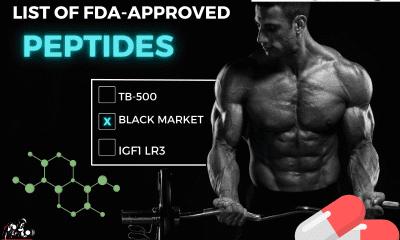
List of FDA-Approved Peptides
-

 Anabolic Steroids7 months ago
Start The New Year Strong With These Tips
-

 Anabolic Steroids9 months ago
Natural Steroids for Bodybuilding
-

 Beginners9 months ago
Calisthenics: Secret to Building A Better Upper and Middle Body
-

 Bodybuilding7 months ago
Unique Things That Have Redefined Mr Olympia Over The Years
-
 Steroids5 months ago
Trenbolone: Why it Remains A Beast In the Market
-
 Bodybuilding Products4 months ago
Telmisartan In Bodybuilding: An Expert’s Advice
-

 Bodybuilding5 months ago
The Importance of Scaptions in Female Athletes
-

 Bodybuilding4 months ago
How Much Is Too Much Cardio? Understanding Heart Rate Zones
-

 Bodybuilding6 months ago
Funny Gym Stories and Moments to Light Up Your Day
-

 Steroids8 months ago
These Bodybuilding Equipment Might Become Obsolete Next Year (See Alternative Upgrades)
-

 Bodybuilding7 months ago
Calorie Dumping: A Bodybuilder’s Guide