
Anabolic Steroids
Potent Anabolic Steroids – Now Available For Sale Online!


Potent anabolic steroids are drugs used to change the natural production of hormones in the body. They can be taken orally, injected, or applied to the skin. Steroids have a variety of uses. They can be used for medical purposes, such as the treatment of anemia, or as part of hormone replacement therapy for men and women with low testosterone levels or estrogen. Some people use steroids without a prescription to improve athletic performance and body image.
But there are many risks associated with using steroids without a prescription or in ways other than those prescribed by a doctor. In some cases, they can cause serious health problems like heart attacks and strokes; they may also lead to infertility in men and women; they may cause mood swings or violent behavior; and when taken by pregnant women, they may result in congenital disabilities in their babies.
Also Read:: What Statistics Say About Anabolic Steroids Use in Professional Sports?
In this article, you will learn about the following:
- Understanding potent anabolic steroids
- Why injecting anabolic steroids might not be the best option
- Possible side effects associated with concentrated anabolic steroids usage
- High Vs. low potent steroid doses
Understanding Potent Anabolic Steroids
The word Anabolic possibly will be the name of the generic steroid known as methandienone. Inside the entire world of athletics and bodybuilding, Anabolic is regarded as among the most effective forms of steroids an individual not associated with non-aerobic sports can consider.

Quite simply, it works by raising the best way one's body synthesizes protein, enhancing you're and stimulating your strength in a far more fast-acting and prompt manner. Bodybuilders perfectly accept Anabolic because it works more quickly than other steroids.
They typically give practical knowledge and speedy final results immediately after a couple uses it. In addition, short-term uses of this steroid will not instantly shut down the way the system naturally provides testosterone in contrast to other androgenic compounds.
Must Read:: The Secrets Toward A Ripped Look
Why Injecting Anabolic Steroids Might Not Be The Best Option
Injection: Injecting into a vein or muscle, usually by practitioners of bodybuilding, competitive athletes, and military personnel. Oral: Taken orally in pill form or as a powder, liquid, gel, or paste. Topical: Applied to the skin in cream form. Intramuscular injection: Injecting drugs into the body's muscles via needle and syringe.
Steroids can be taken orally, by injection, or by inhalation. The injectable form of steroids is popular among athletes and bodybuilders. This article will focus on the dangers of injecting steroids. Injecting anabolic steroids is not a safe way to take them, as it can lead to serious health complications.
Some health risks associated with anabolic steroids are cardiovascular disease, liver damage, and cancer. Anabolic steroids can also cause mood changes and increase the risk of developing psychiatric disorders like depression. Other health risks that may arise from steroid use include reproductive issues, such as male or female infertility. Most importantly, when taking large doses of anabolic steroids for prolonged periods, there is a significant risk of experiencing pathological cardiac growth (PCG) or heart enlargement. This can lead to a life-threatening condition called cardiomyopathy.
Anabolic steroids can be injected using a needle and syringe or inhalation via a nebulizer. Injections are often given in the buttock; one of the most common sites for use from 2002 to 2010 was the deltoid muscle of the upper arm, followed by gluteal muscles, triceps brachii muscle, supraventricular region, and fourth ventricle.
Possible Side Effects Associated With Potent Anabolic Steroids
In many cases, the possessions of this generic steroid depend on the dosage or amount you are taking. At significant doses of about thirty mg or more every last day, it may still give you side effects, which to the mild androgenic it comprises.
Related Article:: Top 20 Weight Loss Bodybuilding Supplements to Try This Summer
These uncomfortable side effects include male pattern hair reduction and acne. Scaled-down doses, nevertheless, can provide you with improved outcomes, particularly for those who consider them quite a few occasions daily.
In truth, the results are far more evident if you consider it in more compact doses close to twenty-five mg to forty mg. Also, its half-life with your system is very for three to six hours, so spreading your quantities three to four times is a good concept for accomplishing superior results compared to one to two doses.
High Vs. Low Potent Steroids Doses
If you're taking Anabolic in moderate doses, it is excellent that you only get a single amount in the morning. The consequence delivers a much bigger peak and a more remarkable survival of your steroid. However, because it's short, your body clears it swifter before making a maker of organic testosterone when you fall asleep.
So, small doses are advised supplementing other types of steroids after a cycle ends. Anabolic steroids are considered safer and less expensive than steroids that may be injected or taken orally. On the other hand, it is best employed for short-term purposes only in the same cycle, approximately five to six weeks, if you are attempting to increase your muscle.
The injected type is most favored since it supplies a much better kick-start in excess fat and strength. It would help if you started exploring today for anyone interested in discovering more about it. This appropriate internet site will educate you as a customer who needs to try out steroids.
Safe Potent Anabolic Steroids Use
Potent steroids use a risky business. It can cause many side effects, some of which can be life-threatening. Taking some precautions while taking anabolic steroids is essential to avoid these risks. It is always recommended to buy drugs from a reputable and legal source.
These sources are more likely to provide authentic drugs safe for consumption. Buying from illegal sources can lead to adulterated or fake medicines that may harm one's health. The other precaution would be to start with a low dose and gradually increase it over time so as not to put your body under too much stress all at once and then taper off slowly to minimize the risk of side effects like depression or high blood pressure. That seems to happen the more people use steroids.
Other precautions include doing a steroid cycle with a PCT (Post-cycle therapy) and monitoring your blood pressure regularly. The use of anabolic steroids can lead to many side effects. One of the most common of these is depression. This is because steroids change the way hormones in your brain work, which can cause you to experience negative psychological symptoms such as sadness or a lack of motivation.
To minimize this risk, start with a low dose and gradually increase it over time to not put your body under too much stress, then taper off slowly.
Taking Care of Yourself When Buying Steroids
It is not a secret that steroids can be found online. The problem is that reliable sources do not always sell them. There are many places where you can purchase steroids, but there are also many places you should avoid when buying them. Some popular places to buy steroids online are forums, auctions, and classifieds websites. These sites have been known to sell fake steroids or even illegal substances as an alternative to anabolic steroids. It is best for people looking for a reliable source of anabolic steroids to look into professional websites with reviews and ratings from previous customers.
Genuine anabolic steroids are pharmaceutical-grade substances given legal approval by the U.S. Food and Drug Administration (FDA) for human consumption. These types of steroids are not only more expensive, but they also require a doctor's prescription to purchase them. A few websites that offer reliable sources for safe and legal anabolic steroids are the SARMs website, the Inonop website, and EliteMDs.
You Could Bump Into Fake Steroids
Steroids are drugs that are used for the treatment of various medical conditions. They can be prescribed by doctors or obtained illegally. It is essential to note some risks associated with taking steroids. For example, they can cause serious side effects like heart, liver, and other health issues. This section will provide information on online steroid sales and the dangers of lousy-quality steroids. Online steroids sale is a relatively new phenomenon that many people are unaware of. Online steroid sales are selling anabolic steroids online without prescriptions.
The Internet has become an affordable and accessible tool for those who want to purchase and sell these drugs, often entirely anonymously. These websites have been around for a long time. Still, have only recently they exploded into mainstream culture with the popularity of online sites such as Amazon, eBay, and Craigslist.
This new development in steroid sales has been attributed to the advent of the Internet and steroid testing being difficult to regulate by governments and sports organizations. This article aims to provide information on the dangers of lousy-quality steroids and how they can pose a risk to consumers. Anabolic steroids are drugs that are used for various medical conditions. They can be obtained legally, but some people might get them illegally through online or even street sales, which is dangerous because there is no reliable quality control method.

Overall
Our web page aims to offer you the information you want to learn about steroids before getting them. You could also browse using community forums, news articles, and blogs for extra details about steroids. You need to find out much more on this website.
Must Read: Why Do People Need A Prescription to Buy Anabolic Steroids?












Joint stiffness is a common issue among bodybuilders who use androgenic anabolic steroids (AAS). Here's how it happens and what it involves:
AAS Mechanism of Action
Anabolic-androgenic steroids (AAS) work by enhancing muscle growth and strength. They enlarge muscle cells through hypertrophy, leading to increased muscle mass.
Activation of Androgen Receptors (AR)
-
- AAS, including those produced naturally (such as testosterone and dihydrotestosterone), bind to and activate the androgen receptor (AR).
- The AR is present in various tissues throughout the body.
Androgenic and Anabolic Effects
AAS effects can be categorized into:
Androgenic: These relate to the development and maintenance of male sexual characteristics.
Anabolic: These involve increasing bone density, muscle mass, and strength.
Impairment of Testosterone Biosynthesis
-
- In supraphysiological doses, AAS can impair testosterone biosynthesis in tissues.
- This disruption occurs due to their interaction with AR signaling.
How AAS Contribute to Joint Stiffness
Water Retention and Electrolyte Imbalance
-
- AAS can cause water retention, leading to increased fluid in the joint spaces. While this might initially seem beneficial, it can lead to stiffness if the excess fluid disrupts normal joint function.
- Electrolyte imbalances caused by AAS can affect muscle and joint function, contributing to stiffness.
Changes in Collagen Synthesis
-
- AAS can affect the synthesis and degradation of collagen, a primary component of connective tissue. This can lead to a decrease in the elasticity and resilience of tendons and ligaments, making joints feel stiffer.
Increased Muscle Mass
-
- Rapid gains in muscle mass can place additional stress on joints, which may not have time to adapt, resulting in stiffness and discomfort.
Altered Pain Perception
-
- Some AAS can alter pain perception and inflammatory responses, potentially masking injuries or causing changes in how the body responds to minor joint stresses, leading to stiffness.
Which Specific AAS Mainly Cause Joint Stiffness?
While not all anabolic-androgenic steroids (AAS) exhibit these adverse effects, certain ones are more prone to causing them. These include:
- Winstrol
- Masteron
- Proviron
- Halotestin
- Trenbolone
Additionally, high doses of testosterone, Dianabol, and Trestolone may also carry similar risks.
Dealing With Joint Stiffness Caused By AAS
Most AAS are dry compounds known for causing joint dryness. Some are usually wet compounds, which can lead to joint problems when taken in high doses without an aromatase inhibitor (AI), resulting in excess water retention that affects the joints.
Other AAS either have a neutral impact on the joints or enhance their strength and healing by boosting collagen production, with Nandrolone being a prime example.
To prevent joint issues when using wet AAS compounds, it is essential to use the appropriate AI dose (not too high) to manage estradiol levels and prevent excessive water retention.
Must Read: Anavar Cycle for Men and Women
For dry compounds, follow these guidelines to avoid joint issues:
Selective Testosterone Use
Ensure the use of a Testosterone base to achieve adequate estradiol conversion. While excess estradiol can cause water retention and joint damage, having the right amount is crucial for joint strength and lubrication.
Proper Gym Training
Exercise caution in the gym. Continuously pursuing personal records and lifting the heaviest weights can damage joints and cause injuries. Proper stretching and warming up with lighter weights are vital.
Supplements
Supplement with joint health supplements. Fish Oil at 6g daily or Krill Oil at 3g daily is essential for every AAS user. Additionally, taking MSM (Methylsulfonylmethane) at 1g daily and a few tablespoons of Collagen Powder daily will significantly benefit joint health.
Managing Other Forms of Joint Stiffness
Proper Warm-Up and Cool-Down
Engaging in thorough warm-up routines before workouts and adequate cool-down exercises afterward can help maintain joint flexibility.
Hydration and Nutrition
Staying well-hydrated and maintaining a balanced diet rich in essential nutrients like omega-3 fatty acids, glucosamine, and chondroitin can support joint health.
Supplementation
Using joint support supplements such as glucosamine, chondroitin, and MSM (methylsulfonylmethane) may help alleviate stiffness.
Monitoring and Adjusting Steroid Use
Careful monitoring of AAS dosages and cycles, under the guidance of a healthcare professional, can help minimize negative effects on joint health.
Rest and Recovery
Ensuring adequate rest and incorporating rest days into training routines can help prevent overuse injuries and joint stiffness.
Physical Therapy
Engaging in physical therapy or specific joint mobility exercises can improve joint function and reduce stiffness.
Long-Term Considerations
It's important to be aware that chronic use of AAS can lead to long-term joint issues. Regular check-ups with a healthcare provider, including monitoring of joint health, are crucial for those using AAS over extended periods. Recognizing the signs of joint problems early and taking proactive measures can help mitigate the risk of long-term damage.
Where to Buy AAS Online
Buying legitimate androgenic anabolic steroids (AAS) online can be challenging and carries significant legal, health, and ethical risks. However, if someone decides to proceed, here are some general tips on where to buy and how to check the quality:
Licensed Pharmacies (Where Legal)
In some countries, AAS can be purchased legally with a prescription from licensed pharmacies. Ensure to follow local regulations and obtain a valid prescription.
Reputable Online Retailers
Look for well-known, established online retailers with positive reviews and verified customer feedback. Forums, bodybuilding communities, and social media can provide recommendations.
Research Chemical Companies
Some companies sell research chemicals, including AAS, for "research purposes." Ensure these companies have good reputations and offer transparency about their products.

How to Check Good Quality
Third-Party Lab Testing
The best way to verify the quality of AAS is through third-party lab testing. Reputable sellers often provide lab reports or certificates of analysis that verify the purity and potency of their products.
Reviews and Testimonials
Check reviews on bodybuilding forums, websites, and social media platforms. Look for consistent positive feedback about product effectiveness, safety, and customer service.
Batch Numbers and Serialization
Legitimate products usually have batch numbers, expiration dates, and sometimes serialization. You can often verify these details through the manufacturer's website.
Packaging and Labels
Examine the packaging and labels for professionalism and accuracy. Poorly printed labels, misspellings, and low-quality packaging are red flags.
Customer Service
Good suppliers will have responsive and knowledgeable customer service. Ask questions about their products, sourcing, and testing procedures to gauge their reliability.
Price Comparison
If the price seems too good to be true, it probably is. Compare prices with other reputable sources to ensure you're not buying counterfeit or low-quality products.
Related Article: Varicose Veins in Bodybuilders: Risk Factors, Diagnosis and Management
Warning and Legal Considerations
- Legality: The legality of purchasing and using AAS varies by country. In many places, it is illegal to buy AAS without a prescription. Always check local laws before purchasing.
- Health Risks: Using AAS without medical supervision can lead to severe health issues. It's crucial to consult with a healthcare provider before starting any steroid regimen.
- Ethical Considerations: Consider the ethical implications of using AAS, especially in competitive sports where their use is often banned.
Conclusion
While there are ways to find and verify the quality of AAS online, it's essential to approach this with caution, awareness of the legal landscape, and a focus on health and safety. Overall, your joint health while on AAS should be a first priority so your training is not hindered.
Introduction to B-AET
B-AET, or Beta-Androstenetriol, is a DHEA derivative known for its impressive health benefits, including anti-catabolism and fat loss. Despite its advantages, it remains largely unknown because it is hard to obtain, not due to any significant drawbacks.
Let’s delve into its properties:
Anti-Catabolic Effects: B-AET helps prevent muscle breakdown (catabolism). By preserving muscle tissue during intense workouts or calorie deficits, it supports overall fitness goals.
Fat Loss Potential: B-AET may enhance fat loss. While the exact mechanisms aren’t fully understood, it likely influences metabolism and fat utilization.
Challenges with Availability: As we've mentioned, B-AET is not widely accessible. Its scarcity limits research and popularity.
Comparing B-AET to 7-KETO DHEA
Similar to 7-KETO DHEA, B-AET does not suppress the HPTA and promotes fat loss by inhibiting cortisol. Based on personal experience, B-AET offers superior results compared to 7-KETO DHEA.
Must Read: 10 Week Program & 5,000 Rep Arm Specialization Program
Understanding Cortisol’s Role in Fat-Loss
Cortisol, released in response to stress, was crucial for survival in our evolutionary past. However, in today's world, chronic stress leads to persistently high cortisol levels, contributing to various health issues including fat accumulation, especially around the abdomen, insulin resistance, muscle loss, increased blood pressure, weakened immunity, impaired memory, decreased bone density, inhibited collagen synthesis, hair loss, depression, and lower testosterone levels.
Benefits of Beta-Androstenetriol
B-AET helps with fat loss by inhibiting cortisol production through the suppression of the enzyme 11β-HSD1. Users often notice significant fat reduction, especially around the lower belly. Additionally, B-AET lowers overall stress, enhances immune function, prevents muscle loss during calorie restriction, and has anti-inflammatory properties.

B-AET helps prevent muscle breakdown during intense training, preserving your hard-earned muscle mass.
By supporting muscle preservation and potentially aiding fat loss, B-AET can optimize overall performance during cutting phases.
Potential Side-Effects of Beta-Androstenetriol
Data on B-AET’s side effects is limited. Anecdotal reports suggest minimal side effects, but overuse could potentially lead to decreased stress response, fatigue, and low blood pressure due to chronically low cortisol levels. However, these risks are minimal if B-AET is used properly.
Let’s explore the potential dangers associated with Beta-Androstenetriol (B-AET) in detail:
Limited Research: As mentioned, B-AET remains relatively unknown due to limited research. Lack of comprehensive studies makes it challenging to fully understand its safety profile and potential risks.
Individual Variability: As with any compound, individual responses can vary. What works well for one person may not be suitable for another. Always consider your unique physiology and consult a healthcare professional.
Potental Side Effects
Gastrointestinal Disturbances: Some peptides can affect the digestive system, leading to nausea, vomiting, diarrhea, or stomach discomfort. While these side effects are typically transient, they’re worth noting.
Appetite and Blood Sugar: GHS peptides (including B-AET) may increase appetite and blood sugar levels.
Fluid Retention: Fluid retention is another possible side effect.
Legal Status: B-AET’s legal status varies by region. Ensure compliance with local regulations and restrictions.
Dosage and How to Use B-AET
 Click Here to Buy TB-500 10 mg by Magnus Pharma
B-AET can be taken orally or applied topically. Due to poor bioavailability when taken orally, the topical application is far more effective and may offer localized benefits. Let’s explore dosage and usage in detail.
Dosage
Unfortunately, there isn’t a universally established dosage for B-AET due to limited research and availability.
If you decide to use it, start with a conservative dose and gradually increase if needed.
Consult a healthcare professional or a knowledgeable coach who understands peptide usage.
Usage
B-AET is typically administered via subcutaneous injections.
Follow these general guidelines:
Frequency: Inject once or twice daily.
Timing: Some users prefer morning injections to align with natural cortisol rhythms.
Cycle Duration: Cycles can vary from a few weeks to several months.
Stacking: B-AET can be stacked with other peptides or compounds for synergistic effects.
Always:
Rotate Injection Sites: Avoid injecting in the same spot repeatedly.
Reconstitute Properly: If using lyophilized powder, follow reconstitution instructions.
Store Correctly: Keep B-AET refrigerated to maintain stability.
Other Fat-burning Alternatives to Consider
Also Read: 5 Steroid Cycles for Beginners
As a bodybuilder looking to optimize fat loss, consider incorporating the following peptides into your regimen:
Amlexanox
Function: Originally used for oral ulcers, Amlexanox has shown potential for fat loss. It activates an enzyme called AMP-activated protein kinase (AMPK), which plays a role in energy regulation and fat metabolism.
Mechanism: By enhancing AMPK activity, Amlexanox promotes fat breakdown (lipolysis) and inhibits fat storage (lipogenesis).
Administration: Available as a topical gel or oral medication.
Note: Research is ongoing, and its effectiveness for bodybuilders specifically needs further investigation.
 Click Here to Buy Amlogard 5 mg by Indian Pharmacy
Glycyrrhetinic Acid
Function: Derived from licorice root, Glycyrrhetinic acid has anti-inflammatory properties and may aid fat loss.
Mechanism: It inhibits an enzyme called 11-beta-hydroxysteroid dehydrogenase, which affects fat distribution.
Administration: Often used in topical creams or as a supplement.
Caution: High doses can lead to side effects, so moderation is crucial.
Tesofensine
Function: Tesofensine was initially developed as an anti-obesity drug.
Mechanism: It increases levels of neurotransmitters like serotonin, dopamine, and norepinephrine, leading to reduced appetite and increased fat burning.
Administration: Oral tablets.
Note: Not widely available due to limited research and regulatory hurdles.
AOD9604
Function: AOD9604 is a modified fragment of human growth hormone (HGH).
Mechanism: It stimulates lipolysis (fat breakdown) without affecting blood sugar levels or muscle growth.
Administration: Typically injected.
Caution: Consult a healthcare professional before use.
5-Amino-1MQ
Function: 5-Amino-1MQ is a novel compound with potential fat-burning effects.
Mechanism: It interacts with mitochondria, enhancing energy expenditure and fat oxidation.
Availability: Limited due to being a newer discovery.
Overall
When it comes to burning fat in bodybuilding, a combination of heavy training and cardio is effective. Heavy weights help build muscle and improve strength, while cardio aids in fat loss. Additionally, consider incorporating fat-burning exercises into your routine.
However, if you can lay hands on B-AET and safely, it might just be the product you have been looking for. Good luck as you embark on a journey to get rid of that extra fat.
Related Article: First Injectable Steroid Cycle
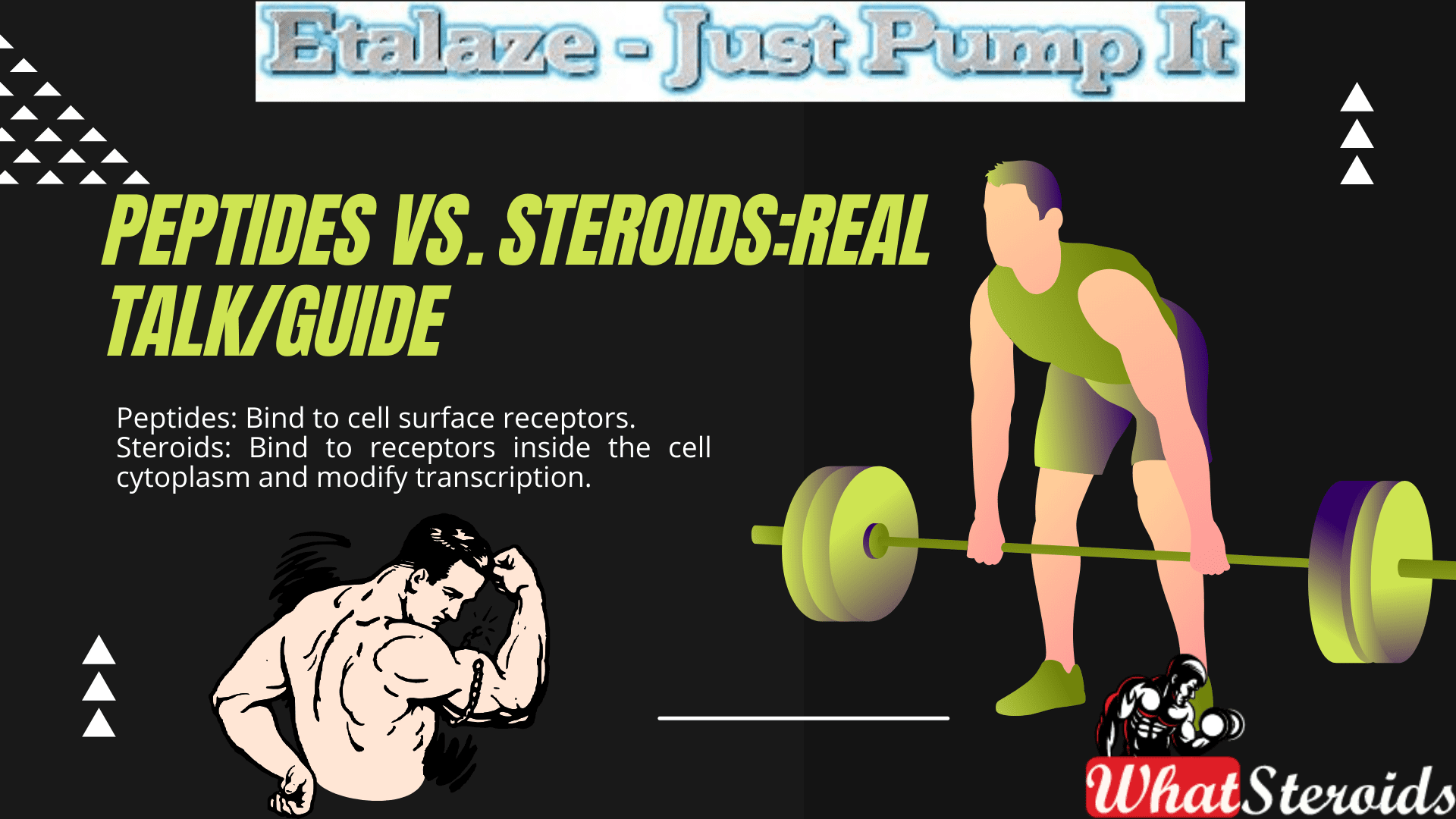
Many bodybuilders are unable to distinguish peptides from regular steroids. In this article we're going to explore Peptides vs. Steroids from various perspectives.
Let’s delve into the differences between peptides and steroids.
Mechanism of Action
-
- Peptides: These are short chains of amino acids. Peptides work by binding to specific receptors on the cell surface. They initiate signal transduction pathways, which activate various cellular processes. Peptides do not directly affect DNA or gene expression.
- Steroids: Steroids, on the other hand, penetrate the cell membrane and bind directly to DNA within the cell nucleus. They act as transcription participants, modifying gene expression.
Natural vs. Unnatural Effects
-
- Peptides: Peptides enhance natural processes in the body. For example, some peptides stimulate growth hormone release, improve recovery, and promote anti-aging effects.
- Steroids: Anabolic steroids artificially increase testosterone levels. They can be used for hormone replacement therapy but may have side effects due to their unnatural impact on the body.
Related Article: Oral Primobolan Cycle
Binding Sites
-
- Peptides: Bind to cell surface receptors.
- Steroids: Bind to receptors inside the cell cytoplasm and modify transcription.
Applications
-
- Peptides:
- Weight Loss: Certain peptides can aid weight management.
- Recovery & Repair: Peptides like BPC-157 support tissue healing.
- Anti-Aging: Some peptides have skin-rejuvenating properties.
- Reproductive Health: Peptides like kisspeptin-10 may impact reproductive health.
- Cognitive Enhancement: Selank and semax are nootropic peptides.
- Steroids:
- Hormone Replacement: Used for male hypogonadism (low testosterone).
- Muscle Building: Anabolic steroids promote muscle growth.
- Performance Enhancement: Athletes sometimes misuse steroids for performance gains.
- Peptides:
Peptides Vs. Steroids Risk Profile
-
- Peptides: Generally considered safer with fewer side effects.
- Steroids: Higher risk of adverse effects, including liver damage, cardiovascular issues, and hormonal imbalances.
Peptides Vs. Steroids Dosages
Peptides
Dosages vary based on the specific peptide and desired effect.
Let’s explore the dosages for various peptides commonly used in bodybuilding. Remember that individual responses may vary, so always consult with a healthcare professional before starting any peptide regimen.
CJC-1295 and Ipamorelin Stack
CJC-1295
Typical Dosage: 1000 mcg to 2000 mcg per week.
Cycle Duration: 8 to 12 weeks (60 to 90 days).
Ipamorelin
Typical Dosage: 200 mcg to 300 mcg per day.
Cycle Duration: Similar to CJC-1295 (8 to 12 weeks).
Average Cost: Approximately $49 (Prices may vary depending on the supplier and product concentration).
GHRP-6
Typical Dosage: 4-10 mg per week, divided into two doses per week.
Cycle Duration: 4-6 weeks, followed by a maintenance dose.
Benefits: GHRP-6 stimulates growth hormone release, aiding muscle growth and recovery.
BPC-157
Typical Dosage: Varies based on the specific purpose (e.g., injury recovery or muscle healing).
Cycle Duration: Often used for 4-6 weeks.
Application: BPC-157 accelerates tissue repair and supports muscle healing.
IGF-1 (Insulin-like Growth Factor)
Dosage: Typically administered subcutaneously.
Cycle Duration: Varies; consult with your personal trainer or healthcare professional.
Benefits: IGF-1 promotes local muscle growth and repair.
Steroids
Dosages depend on the steroid type and purpose (e.g., medical or athletic use).
 Click Here to Buy EnanTREX ® 350 mg/ml by Concentrex
Let’s dive into a comprehensive guide on steroid dosages for bodybuilding. Keep in mind that individual responses can vary, and it’s crucial to consult with a healthcare professional before starting any steroid regimen. Here are some common dosages for various steroids
Must Read: Beginner Bulking Cycle
Beginner Steroid Cycles
Testosterone Cycle
Dosage: Typically ranges from 300 mg to 500 mg per week.
Cycle Length: Usually 8 to 12 weeks.
Rest Period: Allow at least 4 to 6 weeks between cycles.
Anavar (Oxandrolone) Cycle
Dosage: Around 20 mg to 50 mg per day.
Cycle Length: 6 to 8 weeks.
Purpose: Anavar is mild and suitable for beginners, promoting lean muscle gains and fat loss2.
Bulking Steroid Cycles
Dianabol (Methandrostenolone) Cycle
Dosage: Typically 20 mg to 50 mg per day.
Cycle Length: 4 to 6 weeks.
Benefits: Dianabol is known for rapid muscle growth and strength gains.
Anadrol (Oxymetholone) Cycle
Dosage: 50 mg to 100 mg per day.
Cycle Length: 4 to 6 weeks.
Purpose: Anadrol is potent for bulking and increasing red blood cell production.
Trenbolone Cycle
Dosage: Varies (typically 200 mg to 400 mg per week).
Cycle Length: 8 to 10 weeks.
Benefits: Trenbolone promotes muscle growth, strength, and fat loss.
Deca Durabolin (Nandrolone Decanoate) Cycle
Dosage: 200 mg to 400 mg per week.
Cycle Length: 8 to 12 weeks.
Stacking: Often combined with testosterone for synergistic effects.
Cutting Steroid Cycles
Winstrol (Stanozolol) Cycle
Dosage: 20 mg to 50 mg per day (oral) or 50 mg to 100 mg every other day (injectable).
Cycle Length: 6 to 8 weeks.
Purpose: Winstrol helps preserve lean muscle during cutting phases.
Primobolan (Methenolone) Cycle
Dosage: 400 mg to 600 mg per week.
Cycle Length: 8 to 10 weeks.
Benefits: Primobolan is mild, promotes quality muscle, and has minimal side effects.
Clenbuterol Cycle
Dosage: Varies (typically 20 mcg to 120 mcg per day).
Cycle Length: 2 weeks on, 2 weeks off.
Purpose: Clenbuterol aids fat loss and enhances metabolism.
Advanced Steroid Cycles
Anadrol / Testosterone / Trenbolone Cycle
Dosages: Varies based on individual tolerance and goals.
Stacking: Combining Anadrol, testosterone, and trenbolone for maximum effects.
Winstrol / Proviron / Trenbolone Cycle
Dosages: Tailored to advanced users and pro bodybuilders.
Stacking: Winstrol, Proviron, and trenbolone synergize for cutting and hardening.
 Click Here to Buy IGF-1 DES 1mg by Ultima Pharmaceuticals
Natural Alternatives
-
- Peptides: Consider natural alternatives like collagen peptides for skin health or melatonin for sleep.
- Steroids: Natural alternatives include resistance training, proper nutrition, and rest.
Peptides Vs. Steroids Impact on Muscle Growth
Peptides
Lean Muscle Gain: Peptides promote lean muscle mass by stimulating protein synthesis.
Recovery: Faster recovery from intense workouts and injuries.
Anti-Catabolic Effects: Peptides prevent muscle breakdown.
Example: Imagine an athlete recovering from a muscle strain. BPC-157 administration accelerates tissue repair, aiding muscle growth.
Steroids
Rapid Muscle Hypertrophy: Steroids lead to significant muscle growth due to increased protein synthesis.
Increased Strength: Athletes using steroids experience enhanced performance in strength-based activities.
Improved Recovery: Steroids reduce muscle damage and inflammation.
Example: A bodybuilder using testosterone sees substantial gains in muscle size and strength during a bulking phase.
FDA Stance on Peptides Vs. Steroids
The FDA has closely examined the commercialization and utilization of specific peptides and steroids, expressing apprehensions about their safety and the absence of approval for numerous substances.
As a result, the FDA has prohibited the sale of several peptides formerly favored by bodybuilders and fitness enthusiasts due to their purported muscle-building and performance-enhancing attributes.
This regulatory measure emphasizes the significance of following lawful and secure protocols when contemplating peptides for enhancing muscle growth.
It is crucial for individuals to remain well-informed regarding the peptides that adhere to FDA guidelines, enabling them to make prudent and lawful decisions concerning their health and fitness routines.
Importantly, the legality of steroids and peptides varies among countries and jurisdictions. We recommend checking legality in your country before commencing your routine.
Also Read: Varicose Veins In Bodybuilders-Risk Factors and How to Mitigate Them
Overall
As observed, steroids and peptide therapies share certain similarities in their effects, including enhanced strength, improved endurance, and increased fat burning, which are often sought after by individuals aiming to enhance their physical performance and appearance.
However, while both can achieve these outcomes, the risks associated with steroids are considerably higher compared to peptides.
Fred Kyle, a Certified Peptide Specialist at the Etalaze, advises individuals to carefully consider the potential consequences of using steroids on their health before opting for them as a means to enhance performance.
For those seeking an extra boost to overcome performance plateaus or slumps, it's recommended to consult with a professional, preferably your personal trainer or physician.


Joint Stiffness: How to Manage It While on AAS

Caffeine and Bodybuilding: Is Your Favorite Brew A Powerful Ally?

Cellular Alchemy to Restore Testosterone Levels

Omnitope (Oxytocin)

Hormone Replacement Therapy (TRT) Cycle Guide

Here Is How To know Your MRV (Maximum Recoverable Volume)

Major Bodybuilding Peptides Explained

Top Vitamins for Skin Health

How Much Do You Know About B-AET? A Fat Burner You’ve Been Missing

TRT Add-ons: The Ultimate Guide

Anavar Cycle for Men and Women
How Much Do You Know About B-AET? A Fat Burner You’ve Been Missing

Peptides Vs. Steroids:Real Talk/Guide

Anadrol Cycle: Benefits, Doses, Alternatives, etc.
TRT Add-ons: The Ultimate Guide
Major Bodybuilding Peptides Explained
Top Vitamins for Skin Health
Here Is How To know Your MRV (Maximum Recoverable Volume)
Hormone Replacement Therapy (TRT) Cycle Guide
Omnitope (Oxytocin)
Anavar Cycle for Men and Women
How Much Do You Know About B-AET? A Fat Burner You’ve Been Missing
Peptides Vs. Steroids:Real Talk/Guide
Anadrol Cycle: Benefits, Doses, Alternatives, etc.
TRT Add-ons: The Ultimate Guide
Major Bodybuilding Peptides Explained
Top Vitamins for Skin Health
Here Is How To know Your MRV (Maximum Recoverable Volume)
Hormone Replacement Therapy (TRT) Cycle Guide
Omnitope (Oxytocin)
-
 Bodybuilding2 years ago
New Arrival Workout Equipment on Amazon for The Disabled
-

 Steroids2 years ago
Supplemental Breast Milk for Bodybuilders: The Secret Behind It
-

 Steroids2 years ago
Dwarf Bodybuilders Giving Pros A Run for Their Money
-
 Steroids1 year ago
VOX Testing: Why Bodybuilders Must Have It Tested Regularly
-

 Steroids1 year ago
Shavers and Other Body Grooming Equipment for Bodybuilders In 2023
-

 Steroids1 year ago
ChatGPT and Other Avenues to Find Great Bodybuilding Coaches
-

 Steroids1 year ago
Best Oil Recommendations Before Competition for Subtle Shimmer
-

 Steroids1 year ago
Powerlifting Vs Power Building: Find Out the Big Difference and When to Shift Between the Two
-

 Beginners12 months ago
Tren Cycle for Beginners
-

 Bodybuilding11 months ago
Competition Prep Cycle for Pro Bodybuilders
-

 Nutrition9 months ago
Everything Nutritional Food: What’s Too Much Or Too Little
-
 Anabolic Steroids8 months ago
Legality of Anabolic Steroids In Latin America
-

 Bodybuilding8 months ago
Chia Seeds in A Bodybuilder’s Diet: An Expert’s Advice
-
 Bodybuilding6 months ago
List of FDA-Approved Peptides
-

 Anabolic Steroids9 months ago
Natural Steroids for Bodybuilding
-

 Anabolic Steroids7 months ago
Start The New Year Strong With These Tips
-

 Beginners9 months ago
Calisthenics: Secret to Building A Better Upper and Middle Body
-

 Bodybuilding7 months ago
Unique Things That Have Redefined Mr Olympia Over The Years
-
 Steroids5 months ago
Trenbolone: Why it Remains A Beast In the Market
-
 Bodybuilding Products4 months ago
Telmisartan In Bodybuilding: An Expert’s Advice
-

 Bodybuilding5 months ago
The Importance of Scaptions in Female Athletes
-
 Bodybuilding4 months ago
How Much Is Too Much Cardio? Understanding Heart Rate Zones
-

 Bodybuilding6 months ago
Funny Gym Stories and Moments to Light Up Your Day
-
 Steroids8 months ago
These Bodybuilding Equipment Might Become Obsolete Next Year (See Alternative Upgrades)
-
 Bodybuilding7 months ago
Calorie Dumping: A Bodybuilder’s Guide