
Anabolic Steroids
12 Best Books About Anabolic Steroids and Where to Buy Them


Best Books About Anabolic Steroids
There are several reasons why people want to build muscles. For some people, it is because they want to increase their weight. They are very skinny, and it affects their self-confidence. Perhaps, their lean nature has made them victims of mockery among their peers. Thus they are willing to do anything to increase their frame and build muscle. All sportspeople want to stay fit and also want to be able to get the energy to compete at an advantage. For best and quick results, many people get to take supplements and steroids to build their body and read a lot about Anabolic Steroid Books.
However, the use of steroids is a very controversial issue. The use of steroids is banned in a lot of sports as well as in several countries and cities around the world. For such a controversial product, if you are using it or want to start using it, it is always best to read as much as possible about it so that you know if you will use it. If you decide to use it, you should be able to know when it is within the beneficial usage level as well as where the line for abuse of the product lines.
What are Steroids?
Steroids are a type of chemical compound that comprises of three benzene rings fused and having a specific arrangement. They primarily consume for ergogenic and therapeutic purposes. The first study and synthesizing of anabolic steroids carried out in 1932. The body produces natural steroids from the cholesterol in the food we consume. Some other types of steroids produced by the body apart from cholesterol include progesterone, cortisol, estrogen, dihydrotestosterone, and testosterone. Depending on the gender of the individual, all of these steroids have different functions that they carry out. For example, they are responsible for the body’s anabolism. Specifically, testosterone is a steroid in the body that is responsible for the masculine features that are noticed in a human’s body, most especially males. Females with a high level of testosterone in their body also tend to have masculine features.
Due to the importance and usefulness of these steroids in the body, researchers create artificial steroids, mostly referred to as anabolic steroids. Such steroids aimed to develop them to imitate the natural steroids in the body. Based on this, anabolic steroids could react with the natural steroids in the body to produce a wide range of effects, including muscle development, enhanced bone growth rate, and increase capability of a sportsperson within a short while among other reasons.
How Anabolic Steroids Work?
Anabolic steroids work differently in the body, depending on the type of anabolic steroids. One of the major reasons why people use anabolic steroids is for bodybuilding. Hence, we will be using this instance as an example of how anabolic steroids work. For bodybuilding, anabolic steroids change the muscle's strength and mass. To achieve this, they increase protein production in the body. This is because protein is the primary nutrient responsible for the building and repairing of muscles in the body.
There are 2 significant ways through which people consume anabolic steroids. It includes through injection or orally. The steroid then travels to the receptors for androgen that lies in different cells. Messenger RNAs are created when the hormone receptor is activated by the connection. The RNA then signals the body’s DNA to start producing particular proteins that are beneficial for building muscles. Once the proteins are produced, they are transported across the body leading to growth and anabolic responses.
Uses of Anabolic Steroids
Anabolic Steroids have a wide range of uses. They are instrumental when taken under prescription for specific medical conditions. Some of the methods for anabolic steroids in medicine include:
- Stimulates Appetite: Individuals with problems with digestion or who cannot eat enough food because of an ailment can be administered anabolic steroids. The steroids can prompt such individuals to consume them. It is because anabolic steroids can activate the body’s need for food consumption. Thus, a person can eat and have a better fighting chance. However, even when administered for this purpose, the patient will also experience increased muscle mass. In a lot of cases, many people who are suffering from AIDS and cancer. They often treat with anabolic steroids.
- Bone Marrow Development: Not too long ago, anabolic steroids were often administered to people who are suffering from hypoplastic anemia. The anabolic steroids stimulate the bone marrow to produce needed substances to help the body fight. However, there are a lot of other alternatives to anabolic steroids currently that perform the same function.
- Enhancement of Libido: Another reason for which anabolic steroids are used medically is for improvement of libido. Considering that they can mimic testosterone, they are often administered to males with low sexual appetites, especially older people.
Considering these medical benefits of anabolic steroids as well as its effectiveness in bodybuilding and other desirable effects, you might be wondering why it is such a big issue. With these benefits, it should be expected that they should be encouraged. Hence, we will proceed to discuss why the use of anabolic steroids is controversial and banned in some countries.
Why are Anabolic Steroids Controversial?
Anabolic steroids are controversial majorly because of the risks associated with consuming the product. The effectiveness and appeal of the product make it vulnerable to abuse/overdose steroids. Abusing the product comes with a wide range of very unpleasant side effects. It is why the product is very much controlled, and it could be complicated getting it from legal sources in many cities and countries worldwide.
Must Read:: What Happens to Your Body if You Overdose Anabolic Steroids?
Some of the risks that have been linked with the consumption of anabolic steroids, even though some have not been proven include harmful cholesterol level changes, changes in the heart’s left ventricle structure, liver damage, acne, and high blood pressure. The implication is that the risks include heart diseases that could be fatal.
Anabolic steroids are also believed to have virilizing and androgenic effects. They could quicken puberty in children who consume them and increase the size of penis and clitoris for male and female children respectively. Even though they might not affect the penis size of an adult, they could result in the shrinking of the testes.
Related Article:: How do you Get Rid of Steroid Acne?
Side Effects Linked to Anabolic Steroids:
- Acceleration of tumor growth
- It could lead to vomiting, constipation, diarrhea, and nausea when taken orally.
- Stunted growth for a teenager
- Aggressiveness
- Could lead to increased hair on the back, chest and other parts of the body, balding or thinning of hair on the head, water retention, oily skin, and enlarged prostate.
- Sensitivity to insulin
- Men developing tissue on the chest that could look like breast
- Cramps
- Nose bleeds
- Headaches
- Altered functioning of the thyroid
- Increase in blood pressure and cholesterol levels
- Depression of the production of natural testosterone
- Increased functioning of the liver.
Considering that most anabolic steroids contain testosterone that is majorly a male hormone and not found in women, it could lead to even more effects in women. Women consuming anabolic steroids could begin to have some male-related features. It could result in dysfunctional menstruation, facial hair growth, voice deepening, enlarged clitoris, and baldness. They would also develop a muscular and leaner look. The delicate female curves could be lost to the development of a masculine-looking figure. In some cases, their breasts could also shrink. As a result of these many risks and side effects, many countries think that the chances are much more than the benefits, mainly when they are not used for medical purposes but for bodybuilding and sporting purposes.
Must Read:: Steroid Cycles for Women
The fact that they are also effective and could enhance the capability of an individual for a short while makes it very controversial and not usable for most sports. It would give the sportsperson that takes it, an advantage over others who don’t. Thus, it would result in an unfair advantage for the individual or team.
12 Books about Anabolic Steroids:
The information above, even though straight to the point, does little to expound fully on the cons, pros, and how to take the product. As a result, it is best to read a diverse number of books on the product. From all the books, it would become easier to draw a well-informed decision about what precisely anabolic steroids are if you would be willing to take them and how much of the anabolic steroids you will be willing to take.
1. The Secret Race: Inside the Hidden World of the Tour de France
The Secret Race by Daniel Coyle and Tyler Hamilton 2012. Lance Armstrong is a professional cycler renowned for his exploits in cycling at his prime. However, it now looks like without the use of steroids. He might not have been that renowned or successful.
Hamilton was part of the USA Postal Service group of Armstrong. As a result, he was privy to the inventive, controlling, and ruthless doping regime that Armstrong was involved in at his prime. He provides an expository account of anabolic steroids usage of Armstrong in this book.
Buy it Now >> https://www.whatsteroids.com/Secret-Race
2. Game of Shadows
Game of Shadows by Lance Williams and Mark Fainaru-Wada 2016. The book discusses how active synthetic hormones have been in modern sports competitions. It exposes how a lot of athletes still secretly involved in the consumption of anabolic steroids despite its ban.
It gives instances of how BALCO, a laboratory cooperative in Bay Area sold steroids to several famous athletes and US baseball team members during the 1990s and early years of 2000s as well as the resulting scandal.
Buy it Now >> https://www.whatsteroids.com/Game-Of-Shadow
3. Testosterone Rex: Unmaking the Myths of our Gendered Minds
Cordelia Fine wrote Testosterone Rex in 2017. The book details the physical effects of higher testosterone levels in the body based on a psychologist's perspective. It is a lovely and revealing book that agrees you will achieve a higher muscle mass by consuming anabolic steroids.
However, she went further to use scientific evidence to show the complexity of the effects of the steroids on the hormone, leading to significant changes in personality characteristics and behavioral traits. She also believes that it is very feeble to think competitiveness and risk-taking is an exclusively male characteristic.
Buy it Now >> https://www.whatsteroids.com/Testosterone-Rex
4. Testo Junkie: Sex, Drugs, and Biopolitics in the Pharmacopornographic Era
In 2013, Paul Preciado wrote this book that Beatriz Preciado first published. The book provides a body essay, self-theory or somesomato-political fiction on using anabolic steroids for sex. The book profoundly analyzes how the pharmaco-pornographic era shaped gender and sexuality.
The author provides an ecstatic narrative of how the experimental usage of testosterone from the black market resulted in vivid transformations in the female body and mind. It describes how drugs create a desire and hunger in women to have sex and walk around without a care.
Buy it Now >> https://www.whatsteroids.com/Testo-Junkie
5. Against Ordinary Language: The Language of the Body
The book was written in 1997 by Kathy Acker. The brilliant bodybuilding essay provides one of the most active oppositions to the political analysis of Greif. According to Acker, the gym is a vibrant and complex world. She describes the experience of bodybuilders who go through many activities, including close shaves with death, towards building their bodies and helping others develop their collections.
Her haunting and strange account will provide a fascinating read while informing you about the usage of anabolic steroids for bodybuilding and its effects.
6. Against Exercise from Against Everything
The book was written in 2016 by Mark Greif. The book explains how many people do not like to work in the factory due to the strenuous work but are very happy visiting the gym, considering the activities in the gym are just as exhausting. People run on a treadmill or lift weights just for bodybuilding. He also said as opposed to team sports where there is a competition or other causes.
The person who goes to the gym regulates himself by calculating and managing their calories, distances, and reps. He sees these activities as quantifying life to just economic units. The book elicited a lot of replies, including the one by Kathy Acker.
Buy it Now >> https://www.whatsteroids.com/Against-Everything
7. At the Gym from Source: Poems
The book was written in 2002 by Mark Doty. The book details the activities of people who poetically go to the gym. How they lift weights and engage in other activities all in a bid to have a beautiful and appealing figure. The book also describes such efforts as the quest for individuals to have some power over their flesh and their body.
He emphasizes that they sometimes have to deny themselves of many things, including necessities such as food, to get the right body type they desire.
Buy it Now >> https://www.whatsteroids.com/Source-Poems
8. The Men Are Weeping in the Gym from Physical
The book was written in 2015 by McMillan. McMillan is a successor to Mark Doty when it comes to describing the masculine body with poems in the USA. There is also a second book that comprises of poems that McMillan published in 2018 titled Playtime. His lyrics talk about boxing booth, making weight and personal trainers.
Specifically, his 2015 collection of poems detailed a vivid picture of men's gains and pains while building their muscles. He ended the book by stating that the male pretends not to notice the several tiny fracturing occurring in their body as they strive to make a stronger body.
Buy it Now >> https://www.whatsteroids.com/Physical
9. The Hero’s Body
The book was written in 2016 by William Giraldi. In his book, he gave a memoir of how bodybuilding has gone over the past 3 generations. To achieve this, he described bodybuilding in the age just before his. Then delved into his own bodybuilding experience as a teenager in the 1990s. He then ends by discussing the current bodybuilding efforts of individuals currently.
His stories include the use of suburban steroids and lifting of weights as well as how much bodybuilding had changed just between the 1990s and 2016 when he wrote the book.
Buy it Now >> https://www.whatsteroids.com/Hero-Body
10. Pumping Iron: The Art and Sport of Bodybuilding
The book was written in 1974 by Charles Gaines. George Butler took the photographs that feature in the book. The book was later used to make a documentary just 3 years after it was published due to its popularity. Arnold Schwarzenegger often regarded as an art form and probably the man with the perfect body type in the world.
This led to his reputation, and he achieved this through the gym and lifting weights, which Gaines referred to as pumping iron. His book captures the nobility and strangeness of using the gym to develop the body to a beautiful object.
Buy it Now >> https://www.whatsteroids.com/Pumping-Iron
11. Anabolic Steroids and other Performance Enhancing Drugs
The book was written in 2003 by Pat Lenehan. The book provides a piece of detailed information about anabolic steroids. It started by discussing what anabolic steroids are and why a book should be written about the topic. It then discusses the history, discovery, and new uses of steroids. The paper also discusses the use of anabolic steroids in sports and the medical aspect of anabolic steroids.
It also went further to give the cost of anabolic steroids, counterfeit and fakes and the drug profile of anabolic steroids. Hence, the book provides very detailed information about anabolic steroids based on scientific research and documented history.
Buy it Now >> https://www.whatsteroids.com/Anabolic-Steroids
12. Steroid Chemistry at a Glance
The book is written in 2011 by Lednicer D. The book gives the chemistry about steroids. These include their composition, structure, and why they have the effects they have on the human body. The album further discussed the chemistry behind the effects of steroids on the human body.
The book gives some examples of anabolic steroids to include testosterone, estradiol (a sex hormone), and lipid cholesterol. He provides the chemistry of the different case, how they act in the body, how they produce the results they do as well as their effects.
Buy it Now >> https://www.whatsteroids.com/Steroid-Chemistry
Conclusion
Anabolic steroids have been around for a while since research were conducted on them in 1932. The anabolic steroids have elicited a lot of debates considering its positive and negative sides. While some people are of the view that they should be legal or at least those who choose to should be able to use them, others feel that it is too risky. Coupled with the unfair advantage, it gives to those who use them for sporting activities since it is not something that can prescribe to everybody in the competition. It is in line with this that many books have written on the subject of giving individuals, bodybuilders, and athletes detailed information about the topic.
The 12 books discussed above gives different views about anabolic steroids. Some support the use of anabolic steroids due to their effectiveness. While others are against its use due to the pains that come with using it. There are also some of the books that give a balanced analysis while providing the benefits and the risks for the user to be aware and make his choice. Apart from just posing form writing of experiences, stories, and fiction, some creatively put down information about anabolic steroids and effects in poetry.






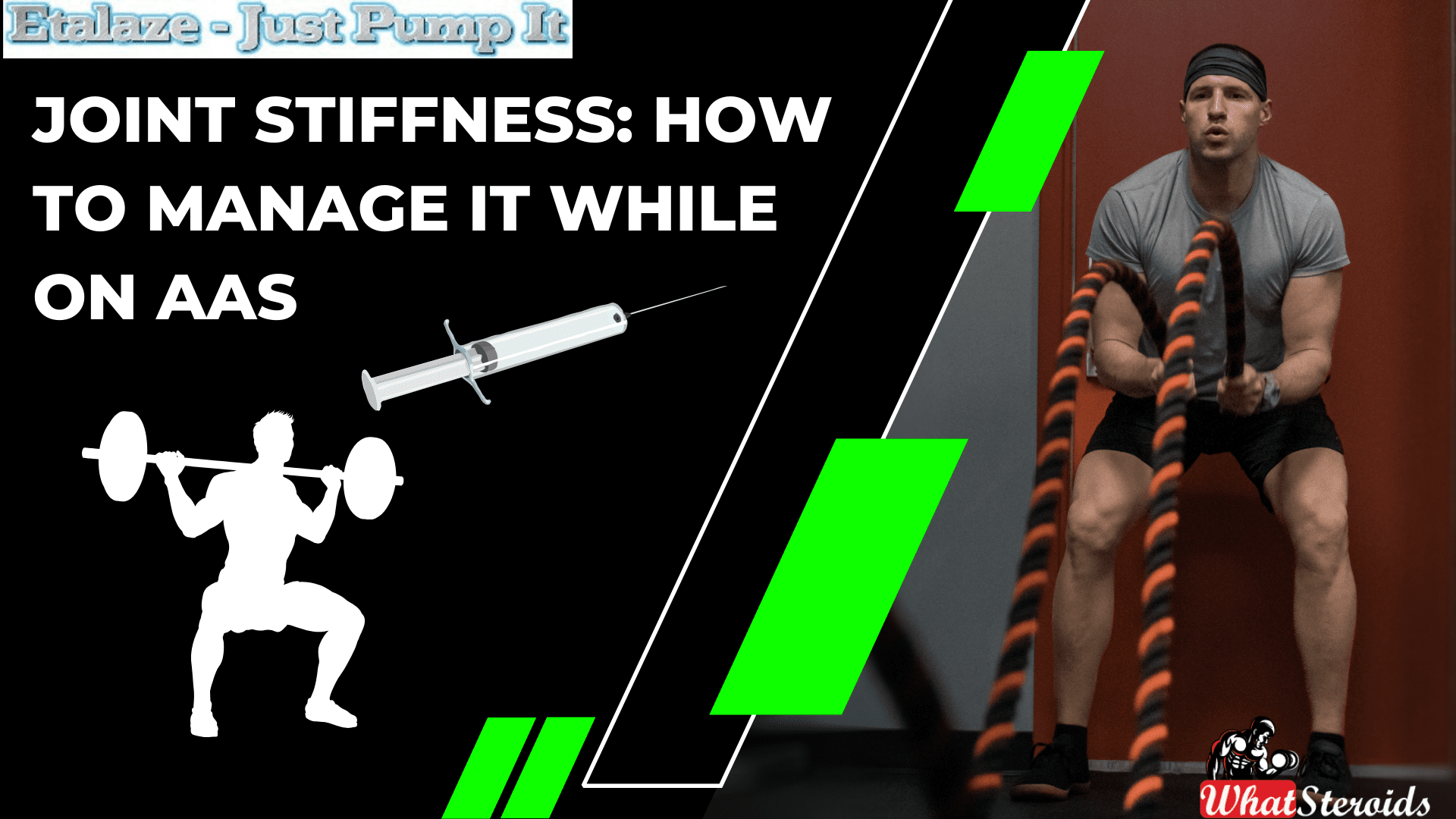
Joint stiffness is a common issue among bodybuilders who use androgenic anabolic steroids (AAS). Here's how it happens and what it involves:
AAS Mechanism of Action
Anabolic-androgenic steroids (AAS) work by enhancing muscle growth and strength. They enlarge muscle cells through hypertrophy, leading to increased muscle mass.
Activation of Androgen Receptors (AR)
-
- AAS, including those produced naturally (such as testosterone and dihydrotestosterone), bind to and activate the androgen receptor (AR).
- The AR is present in various tissues throughout the body.
Androgenic and Anabolic Effects
AAS effects can be categorized into:
Androgenic: These relate to the development and maintenance of male sexual characteristics.
Anabolic: These involve increasing bone density, muscle mass, and strength.
Impairment of Testosterone Biosynthesis
-
- In supraphysiological doses, AAS can impair testosterone biosynthesis in tissues.
- This disruption occurs due to their interaction with AR signaling.
How AAS Contribute to Joint Stiffness
Water Retention and Electrolyte Imbalance
-
- AAS can cause water retention, leading to increased fluid in the joint spaces. While this might initially seem beneficial, it can lead to stiffness if the excess fluid disrupts normal joint function.
- Electrolyte imbalances caused by AAS can affect muscle and joint function, contributing to stiffness.
Changes in Collagen Synthesis
-
- AAS can affect the synthesis and degradation of collagen, a primary component of connective tissue. This can lead to a decrease in the elasticity and resilience of tendons and ligaments, making joints feel stiffer.
Increased Muscle Mass
-
- Rapid gains in muscle mass can place additional stress on joints, which may not have time to adapt, resulting in stiffness and discomfort.
Altered Pain Perception
-
- Some AAS can alter pain perception and inflammatory responses, potentially masking injuries or causing changes in how the body responds to minor joint stresses, leading to stiffness.
Which Specific AAS Mainly Cause Joint Stiffness?
While not all anabolic-androgenic steroids (AAS) exhibit these adverse effects, certain ones are more prone to causing them. These include:
- Winstrol
- Masteron
- Proviron
- Halotestin
- Trenbolone
Additionally, high doses of testosterone, Dianabol, and Trestolone may also carry similar risks.
Dealing With Joint Stiffness Caused By AAS
Most AAS are dry compounds known for causing joint dryness. Some are usually wet compounds, which can lead to joint problems when taken in high doses without an aromatase inhibitor (AI), resulting in excess water retention that affects the joints.
Other AAS either have a neutral impact on the joints or enhance their strength and healing by boosting collagen production, with Nandrolone being a prime example.
To prevent joint issues when using wet AAS compounds, it is essential to use the appropriate AI dose (not too high) to manage estradiol levels and prevent excessive water retention.
Must Read: Anavar Cycle for Men and Women
For dry compounds, follow these guidelines to avoid joint issues:
Selective Testosterone Use
Ensure the use of a Testosterone base to achieve adequate estradiol conversion. While excess estradiol can cause water retention and joint damage, having the right amount is crucial for joint strength and lubrication.
Proper Gym Training
Exercise caution in the gym. Continuously pursuing personal records and lifting the heaviest weights can damage joints and cause injuries. Proper stretching and warming up with lighter weights are vital.
Supplements
Supplement with joint health supplements. Fish Oil at 6g daily or Krill Oil at 3g daily is essential for every AAS user. Additionally, taking MSM (Methylsulfonylmethane) at 1g daily and a few tablespoons of Collagen Powder daily will significantly benefit joint health.
Managing Other Forms of Joint Stiffness
Proper Warm-Up and Cool-Down
Engaging in thorough warm-up routines before workouts and adequate cool-down exercises afterward can help maintain joint flexibility.
Hydration and Nutrition
Staying well-hydrated and maintaining a balanced diet rich in essential nutrients like omega-3 fatty acids, glucosamine, and chondroitin can support joint health.
Supplementation
Using joint support supplements such as glucosamine, chondroitin, and MSM (methylsulfonylmethane) may help alleviate stiffness.
Monitoring and Adjusting Steroid Use
Careful monitoring of AAS dosages and cycles, under the guidance of a healthcare professional, can help minimize negative effects on joint health.
Rest and Recovery
Ensuring adequate rest and incorporating rest days into training routines can help prevent overuse injuries and joint stiffness.
Physical Therapy
Engaging in physical therapy or specific joint mobility exercises can improve joint function and reduce stiffness.
Long-Term Considerations
It's important to be aware that chronic use of AAS can lead to long-term joint issues. Regular check-ups with a healthcare provider, including monitoring of joint health, are crucial for those using AAS over extended periods. Recognizing the signs of joint problems early and taking proactive measures can help mitigate the risk of long-term damage.
Where to Buy AAS Online
Buying legitimate androgenic anabolic steroids (AAS) online can be challenging and carries significant legal, health, and ethical risks. However, if someone decides to proceed, here are some general tips on where to buy and how to check the quality:
Licensed Pharmacies (Where Legal)
In some countries, AAS can be purchased legally with a prescription from licensed pharmacies. Ensure to follow local regulations and obtain a valid prescription.
Reputable Online Retailers
Look for well-known, established online retailers with positive reviews and verified customer feedback. Forums, bodybuilding communities, and social media can provide recommendations.
Research Chemical Companies
Some companies sell research chemicals, including AAS, for "research purposes." Ensure these companies have good reputations and offer transparency about their products.

How to Check Good Quality
Third-Party Lab Testing
The best way to verify the quality of AAS is through third-party lab testing. Reputable sellers often provide lab reports or certificates of analysis that verify the purity and potency of their products.
Reviews and Testimonials
Check reviews on bodybuilding forums, websites, and social media platforms. Look for consistent positive feedback about product effectiveness, safety, and customer service.
Batch Numbers and Serialization
Legitimate products usually have batch numbers, expiration dates, and sometimes serialization. You can often verify these details through the manufacturer's website.
Packaging and Labels
Examine the packaging and labels for professionalism and accuracy. Poorly printed labels, misspellings, and low-quality packaging are red flags.
Customer Service
Good suppliers will have responsive and knowledgeable customer service. Ask questions about their products, sourcing, and testing procedures to gauge their reliability.
Price Comparison
If the price seems too good to be true, it probably is. Compare prices with other reputable sources to ensure you're not buying counterfeit or low-quality products.
Related Article: Varicose Veins in Bodybuilders: Risk Factors, Diagnosis and Management
Warning and Legal Considerations
- Legality: The legality of purchasing and using AAS varies by country. In many places, it is illegal to buy AAS without a prescription. Always check local laws before purchasing.
- Health Risks: Using AAS without medical supervision can lead to severe health issues. It's crucial to consult with a healthcare provider before starting any steroid regimen.
- Ethical Considerations: Consider the ethical implications of using AAS, especially in competitive sports where their use is often banned.
Conclusion
While there are ways to find and verify the quality of AAS online, it's essential to approach this with caution, awareness of the legal landscape, and a focus on health and safety. Overall, your joint health while on AAS should be a first priority so your training is not hindered.
Introduction to B-AET
B-AET, or Beta-Androstenetriol, is a DHEA derivative known for its impressive health benefits, including anti-catabolism and fat loss. Despite its advantages, it remains largely unknown because it is hard to obtain, not due to any significant drawbacks.
Let’s delve into its properties:
Anti-Catabolic Effects: B-AET helps prevent muscle breakdown (catabolism). By preserving muscle tissue during intense workouts or calorie deficits, it supports overall fitness goals.
Fat Loss Potential: B-AET may enhance fat loss. While the exact mechanisms aren’t fully understood, it likely influences metabolism and fat utilization.
Challenges with Availability: As we've mentioned, B-AET is not widely accessible. Its scarcity limits research and popularity.
Comparing B-AET to 7-KETO DHEA
Similar to 7-KETO DHEA, B-AET does not suppress the HPTA and promotes fat loss by inhibiting cortisol. Based on personal experience, B-AET offers superior results compared to 7-KETO DHEA.
Must Read: 10 Week Program & 5,000 Rep Arm Specialization Program
Understanding Cortisol’s Role in Fat-Loss
Cortisol, released in response to stress, was crucial for survival in our evolutionary past. However, in today's world, chronic stress leads to persistently high cortisol levels, contributing to various health issues including fat accumulation, especially around the abdomen, insulin resistance, muscle loss, increased blood pressure, weakened immunity, impaired memory, decreased bone density, inhibited collagen synthesis, hair loss, depression, and lower testosterone levels.
Benefits of Beta-Androstenetriol
B-AET helps with fat loss by inhibiting cortisol production through the suppression of the enzyme 11β-HSD1. Users often notice significant fat reduction, especially around the lower belly. Additionally, B-AET lowers overall stress, enhances immune function, prevents muscle loss during calorie restriction, and has anti-inflammatory properties.

B-AET helps prevent muscle breakdown during intense training, preserving your hard-earned muscle mass.
By supporting muscle preservation and potentially aiding fat loss, B-AET can optimize overall performance during cutting phases.
Potential Side-Effects of Beta-Androstenetriol
Data on B-AET’s side effects is limited. Anecdotal reports suggest minimal side effects, but overuse could potentially lead to decreased stress response, fatigue, and low blood pressure due to chronically low cortisol levels. However, these risks are minimal if B-AET is used properly.
Let’s explore the potential dangers associated with Beta-Androstenetriol (B-AET) in detail:
Limited Research: As mentioned, B-AET remains relatively unknown due to limited research. Lack of comprehensive studies makes it challenging to fully understand its safety profile and potential risks.
Individual Variability: As with any compound, individual responses can vary. What works well for one person may not be suitable for another. Always consider your unique physiology and consult a healthcare professional.
Potental Side Effects
Gastrointestinal Disturbances: Some peptides can affect the digestive system, leading to nausea, vomiting, diarrhea, or stomach discomfort. While these side effects are typically transient, they’re worth noting.
Appetite and Blood Sugar: GHS peptides (including B-AET) may increase appetite and blood sugar levels.
Fluid Retention: Fluid retention is another possible side effect.
Legal Status: B-AET’s legal status varies by region. Ensure compliance with local regulations and restrictions.
Dosage and How to Use B-AET
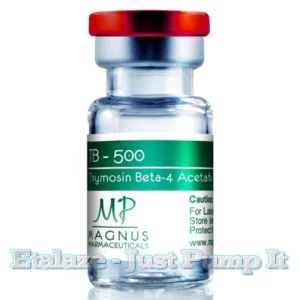 Click Here to Buy TB-500 10 mg by Magnus Pharma
B-AET can be taken orally or applied topically. Due to poor bioavailability when taken orally, the topical application is far more effective and may offer localized benefits. Let’s explore dosage and usage in detail.
Dosage
Unfortunately, there isn’t a universally established dosage for B-AET due to limited research and availability.
If you decide to use it, start with a conservative dose and gradually increase if needed.
Consult a healthcare professional or a knowledgeable coach who understands peptide usage.
Usage
B-AET is typically administered via subcutaneous injections.
Follow these general guidelines:
Frequency: Inject once or twice daily.
Timing: Some users prefer morning injections to align with natural cortisol rhythms.
Cycle Duration: Cycles can vary from a few weeks to several months.
Stacking: B-AET can be stacked with other peptides or compounds for synergistic effects.
Always:
Rotate Injection Sites: Avoid injecting in the same spot repeatedly.
Reconstitute Properly: If using lyophilized powder, follow reconstitution instructions.
Store Correctly: Keep B-AET refrigerated to maintain stability.
Other Fat-burning Alternatives to Consider
Also Read: 5 Steroid Cycles for Beginners
As a bodybuilder looking to optimize fat loss, consider incorporating the following peptides into your regimen:
Amlexanox
Function: Originally used for oral ulcers, Amlexanox has shown potential for fat loss. It activates an enzyme called AMP-activated protein kinase (AMPK), which plays a role in energy regulation and fat metabolism.
Mechanism: By enhancing AMPK activity, Amlexanox promotes fat breakdown (lipolysis) and inhibits fat storage (lipogenesis).
Administration: Available as a topical gel or oral medication.
Note: Research is ongoing, and its effectiveness for bodybuilders specifically needs further investigation.
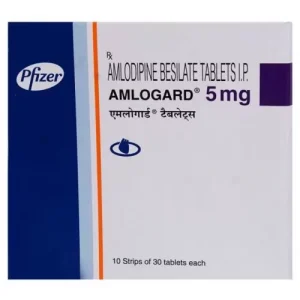 Click Here to Buy Amlogard 5 mg by Indian Pharmacy
Glycyrrhetinic Acid
Function: Derived from licorice root, Glycyrrhetinic acid has anti-inflammatory properties and may aid fat loss.
Mechanism: It inhibits an enzyme called 11-beta-hydroxysteroid dehydrogenase, which affects fat distribution.
Administration: Often used in topical creams or as a supplement.
Caution: High doses can lead to side effects, so moderation is crucial.
Tesofensine
Function: Tesofensine was initially developed as an anti-obesity drug.
Mechanism: It increases levels of neurotransmitters like serotonin, dopamine, and norepinephrine, leading to reduced appetite and increased fat burning.
Administration: Oral tablets.
Note: Not widely available due to limited research and regulatory hurdles.
AOD9604
Function: AOD9604 is a modified fragment of human growth hormone (HGH).
Mechanism: It stimulates lipolysis (fat breakdown) without affecting blood sugar levels or muscle growth.
Administration: Typically injected.
Caution: Consult a healthcare professional before use.
5-Amino-1MQ
Function: 5-Amino-1MQ is a novel compound with potential fat-burning effects.
Mechanism: It interacts with mitochondria, enhancing energy expenditure and fat oxidation.
Availability: Limited due to being a newer discovery.
Overall
When it comes to burning fat in bodybuilding, a combination of heavy training and cardio is effective. Heavy weights help build muscle and improve strength, while cardio aids in fat loss. Additionally, consider incorporating fat-burning exercises into your routine.
However, if you can lay hands on B-AET and safely, it might just be the product you have been looking for. Good luck as you embark on a journey to get rid of that extra fat.
Related Article: First Injectable Steroid Cycle
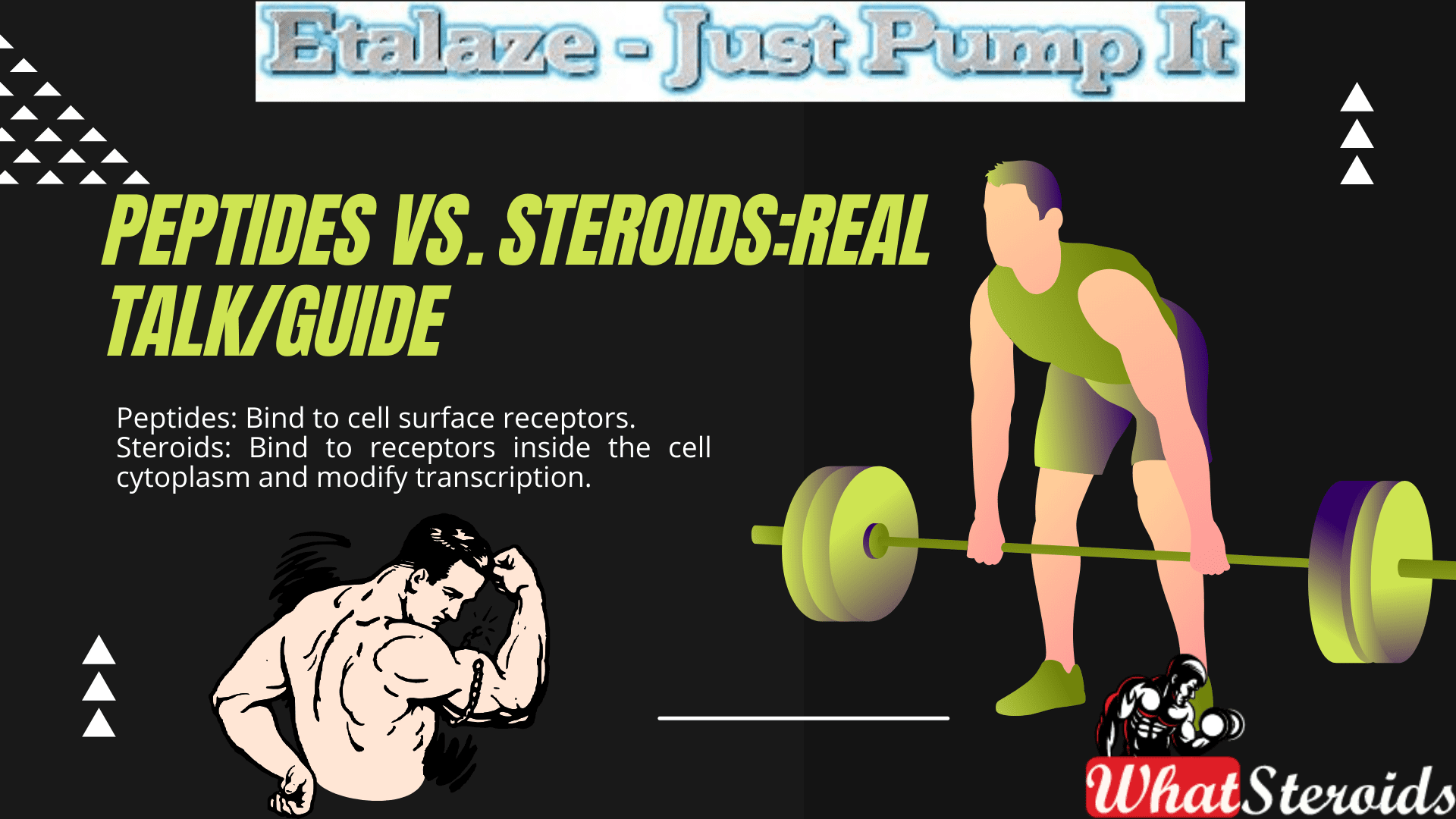
Many bodybuilders are unable to distinguish peptides from regular steroids. In this article we're going to explore Peptides vs. Steroids from various perspectives.
Let’s delve into the differences between peptides and steroids.
Mechanism of Action
-
- Peptides: These are short chains of amino acids. Peptides work by binding to specific receptors on the cell surface. They initiate signal transduction pathways, which activate various cellular processes. Peptides do not directly affect DNA or gene expression.
- Steroids: Steroids, on the other hand, penetrate the cell membrane and bind directly to DNA within the cell nucleus. They act as transcription participants, modifying gene expression.
Natural vs. Unnatural Effects
-
- Peptides: Peptides enhance natural processes in the body. For example, some peptides stimulate growth hormone release, improve recovery, and promote anti-aging effects.
- Steroids: Anabolic steroids artificially increase testosterone levels. They can be used for hormone replacement therapy but may have side effects due to their unnatural impact on the body.
Related Article: Oral Primobolan Cycle
Binding Sites
-
- Peptides: Bind to cell surface receptors.
- Steroids: Bind to receptors inside the cell cytoplasm and modify transcription.
Applications
-
- Peptides:
- Weight Loss: Certain peptides can aid weight management.
- Recovery & Repair: Peptides like BPC-157 support tissue healing.
- Anti-Aging: Some peptides have skin-rejuvenating properties.
- Reproductive Health: Peptides like kisspeptin-10 may impact reproductive health.
- Cognitive Enhancement: Selank and semax are nootropic peptides.
- Steroids:
- Hormone Replacement: Used for male hypogonadism (low testosterone).
- Muscle Building: Anabolic steroids promote muscle growth.
- Performance Enhancement: Athletes sometimes misuse steroids for performance gains.
- Peptides:
Peptides Vs. Steroids Risk Profile
-
- Peptides: Generally considered safer with fewer side effects.
- Steroids: Higher risk of adverse effects, including liver damage, cardiovascular issues, and hormonal imbalances.
Peptides Vs. Steroids Dosages
Peptides
Dosages vary based on the specific peptide and desired effect.
Let’s explore the dosages for various peptides commonly used in bodybuilding. Remember that individual responses may vary, so always consult with a healthcare professional before starting any peptide regimen.
CJC-1295 and Ipamorelin Stack
CJC-1295
Typical Dosage: 1000 mcg to 2000 mcg per week.
Cycle Duration: 8 to 12 weeks (60 to 90 days).
Ipamorelin
Typical Dosage: 200 mcg to 300 mcg per day.
Cycle Duration: Similar to CJC-1295 (8 to 12 weeks).
Average Cost: Approximately $49 (Prices may vary depending on the supplier and product concentration).
GHRP-6
Typical Dosage: 4-10 mg per week, divided into two doses per week.
Cycle Duration: 4-6 weeks, followed by a maintenance dose.
Benefits: GHRP-6 stimulates growth hormone release, aiding muscle growth and recovery.
BPC-157
Typical Dosage: Varies based on the specific purpose (e.g., injury recovery or muscle healing).
Cycle Duration: Often used for 4-6 weeks.
Application: BPC-157 accelerates tissue repair and supports muscle healing.
IGF-1 (Insulin-like Growth Factor)
Dosage: Typically administered subcutaneously.
Cycle Duration: Varies; consult with your personal trainer or healthcare professional.
Benefits: IGF-1 promotes local muscle growth and repair.
Steroids
Dosages depend on the steroid type and purpose (e.g., medical or athletic use).
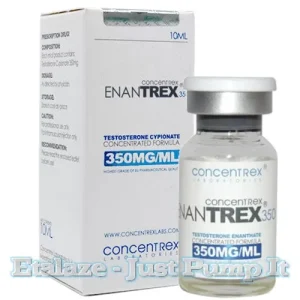 Click Here to Buy EnanTREX ® 350 mg/ml by Concentrex
Let’s dive into a comprehensive guide on steroid dosages for bodybuilding. Keep in mind that individual responses can vary, and it’s crucial to consult with a healthcare professional before starting any steroid regimen. Here are some common dosages for various steroids
Must Read: Beginner Bulking Cycle
Beginner Steroid Cycles
Testosterone Cycle
Dosage: Typically ranges from 300 mg to 500 mg per week.
Cycle Length: Usually 8 to 12 weeks.
Rest Period: Allow at least 4 to 6 weeks between cycles.
Anavar (Oxandrolone) Cycle
Dosage: Around 20 mg to 50 mg per day.
Cycle Length: 6 to 8 weeks.
Purpose: Anavar is mild and suitable for beginners, promoting lean muscle gains and fat loss2.
Bulking Steroid Cycles
Dianabol (Methandrostenolone) Cycle
Dosage: Typically 20 mg to 50 mg per day.
Cycle Length: 4 to 6 weeks.
Benefits: Dianabol is known for rapid muscle growth and strength gains.
Anadrol (Oxymetholone) Cycle
Dosage: 50 mg to 100 mg per day.
Cycle Length: 4 to 6 weeks.
Purpose: Anadrol is potent for bulking and increasing red blood cell production.
Trenbolone Cycle
Dosage: Varies (typically 200 mg to 400 mg per week).
Cycle Length: 8 to 10 weeks.
Benefits: Trenbolone promotes muscle growth, strength, and fat loss.
Deca Durabolin (Nandrolone Decanoate) Cycle
Dosage: 200 mg to 400 mg per week.
Cycle Length: 8 to 12 weeks.
Stacking: Often combined with testosterone for synergistic effects.
Cutting Steroid Cycles
Winstrol (Stanozolol) Cycle
Dosage: 20 mg to 50 mg per day (oral) or 50 mg to 100 mg every other day (injectable).
Cycle Length: 6 to 8 weeks.
Purpose: Winstrol helps preserve lean muscle during cutting phases.
Primobolan (Methenolone) Cycle
Dosage: 400 mg to 600 mg per week.
Cycle Length: 8 to 10 weeks.
Benefits: Primobolan is mild, promotes quality muscle, and has minimal side effects.
Clenbuterol Cycle
Dosage: Varies (typically 20 mcg to 120 mcg per day).
Cycle Length: 2 weeks on, 2 weeks off.
Purpose: Clenbuterol aids fat loss and enhances metabolism.
Advanced Steroid Cycles
Anadrol / Testosterone / Trenbolone Cycle
Dosages: Varies based on individual tolerance and goals.
Stacking: Combining Anadrol, testosterone, and trenbolone for maximum effects.
Winstrol / Proviron / Trenbolone Cycle
Dosages: Tailored to advanced users and pro bodybuilders.
Stacking: Winstrol, Proviron, and trenbolone synergize for cutting and hardening.
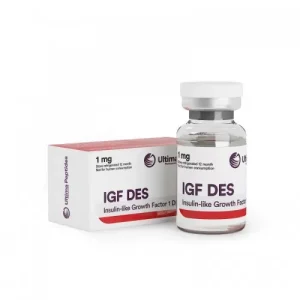 Click Here to Buy IGF-1 DES 1mg by Ultima Pharmaceuticals
Natural Alternatives
-
- Peptides: Consider natural alternatives like collagen peptides for skin health or melatonin for sleep.
- Steroids: Natural alternatives include resistance training, proper nutrition, and rest.
Peptides Vs. Steroids Impact on Muscle Growth
Peptides
Lean Muscle Gain: Peptides promote lean muscle mass by stimulating protein synthesis.
Recovery: Faster recovery from intense workouts and injuries.
Anti-Catabolic Effects: Peptides prevent muscle breakdown.
Example: Imagine an athlete recovering from a muscle strain. BPC-157 administration accelerates tissue repair, aiding muscle growth.
Steroids
Rapid Muscle Hypertrophy: Steroids lead to significant muscle growth due to increased protein synthesis.
Increased Strength: Athletes using steroids experience enhanced performance in strength-based activities.
Improved Recovery: Steroids reduce muscle damage and inflammation.
Example: A bodybuilder using testosterone sees substantial gains in muscle size and strength during a bulking phase.
FDA Stance on Peptides Vs. Steroids
The FDA has closely examined the commercialization and utilization of specific peptides and steroids, expressing apprehensions about their safety and the absence of approval for numerous substances.
As a result, the FDA has prohibited the sale of several peptides formerly favored by bodybuilders and fitness enthusiasts due to their purported muscle-building and performance-enhancing attributes.
This regulatory measure emphasizes the significance of following lawful and secure protocols when contemplating peptides for enhancing muscle growth.
It is crucial for individuals to remain well-informed regarding the peptides that adhere to FDA guidelines, enabling them to make prudent and lawful decisions concerning their health and fitness routines.
Importantly, the legality of steroids and peptides varies among countries and jurisdictions. We recommend checking legality in your country before commencing your routine.
Also Read: Varicose Veins In Bodybuilders-Risk Factors and How to Mitigate Them
Overall
As observed, steroids and peptide therapies share certain similarities in their effects, including enhanced strength, improved endurance, and increased fat burning, which are often sought after by individuals aiming to enhance their physical performance and appearance.
However, while both can achieve these outcomes, the risks associated with steroids are considerably higher compared to peptides.
Fred Kyle, a Certified Peptide Specialist at the Etalaze, advises individuals to carefully consider the potential consequences of using steroids on their health before opting for them as a means to enhance performance.
For those seeking an extra boost to overcome performance plateaus or slumps, it's recommended to consult with a professional, preferably your personal trainer or physician.


Joint Stiffness: How to Manage It While on AAS

Caffeine and Bodybuilding: Is Your Favorite Brew A Powerful Ally?

Cellular Alchemy to Restore Testosterone Levels

Omnitope (Oxytocin)

Hormone Replacement Therapy (TRT) Cycle Guide

Here Is How To know Your MRV (Maximum Recoverable Volume)

Major Bodybuilding Peptides Explained

Top Vitamins for Skin Health

How Much Do You Know About B-AET? A Fat Burner You’ve Been Missing

TRT Add-ons: The Ultimate Guide

Anavar Cycle for Men and Women
How Much Do You Know About B-AET? A Fat Burner You’ve Been Missing

Peptides Vs. Steroids:Real Talk/Guide

Anadrol Cycle: Benefits, Doses, Alternatives, etc.
TRT Add-ons: The Ultimate Guide
Major Bodybuilding Peptides Explained
Top Vitamins for Skin Health
Here Is How To know Your MRV (Maximum Recoverable Volume)
Hormone Replacement Therapy (TRT) Cycle Guide
Omnitope (Oxytocin)
Anavar Cycle for Men and Women
How Much Do You Know About B-AET? A Fat Burner You’ve Been Missing
Peptides Vs. Steroids:Real Talk/Guide
Anadrol Cycle: Benefits, Doses, Alternatives, etc.
TRT Add-ons: The Ultimate Guide
Major Bodybuilding Peptides Explained
Top Vitamins for Skin Health
Here Is How To know Your MRV (Maximum Recoverable Volume)
Hormone Replacement Therapy (TRT) Cycle Guide
Omnitope (Oxytocin)
-
 Bodybuilding2 years ago
New Arrival Workout Equipment on Amazon for The Disabled
-

 Steroids2 years ago
Supplemental Breast Milk for Bodybuilders: The Secret Behind It
-

 Steroids2 years ago
Dwarf Bodybuilders Giving Pros A Run for Their Money
-
 Steroids1 year ago
VOX Testing: Why Bodybuilders Must Have It Tested Regularly
-

 Steroids1 year ago
Shavers and Other Body Grooming Equipment for Bodybuilders In 2023
-

 Steroids1 year ago
ChatGPT and Other Avenues to Find Great Bodybuilding Coaches
-

 Steroids1 year ago
Best Oil Recommendations Before Competition for Subtle Shimmer
-
 Steroids1 year ago
Powerlifting Vs Power Building: Find Out the Big Difference and When to Shift Between the Two
-

 Beginners12 months ago
Tren Cycle for Beginners
-
 Bodybuilding11 months ago
Competition Prep Cycle for Pro Bodybuilders
-

 Nutrition9 months ago
Everything Nutritional Food: What’s Too Much Or Too Little
-
 Anabolic Steroids8 months ago
Legality of Anabolic Steroids In Latin America
-

 Bodybuilding8 months ago
Chia Seeds in A Bodybuilder’s Diet: An Expert’s Advice
-
 Bodybuilding6 months ago
List of FDA-Approved Peptides
-

 Anabolic Steroids7 months ago
Start The New Year Strong With These Tips
-

 Anabolic Steroids9 months ago
Natural Steroids for Bodybuilding
-

 Beginners9 months ago
Calisthenics: Secret to Building A Better Upper and Middle Body
-

 Bodybuilding7 months ago
Unique Things That Have Redefined Mr Olympia Over The Years
-
 Steroids5 months ago
Trenbolone: Why it Remains A Beast In the Market
-
 Bodybuilding Products4 months ago
Telmisartan In Bodybuilding: An Expert’s Advice
-

 Bodybuilding5 months ago
The Importance of Scaptions in Female Athletes
-
 Bodybuilding4 months ago
How Much Is Too Much Cardio? Understanding Heart Rate Zones
-

 Bodybuilding6 months ago
Funny Gym Stories and Moments to Light Up Your Day
-
 Steroids8 months ago
These Bodybuilding Equipment Might Become Obsolete Next Year (See Alternative Upgrades)
-
 Bodybuilding7 months ago
Calorie Dumping: A Bodybuilder’s Guide