
Losing Weight
Clenbuterol: The Fat Burning Machine

What is Clenbuterol?

Clenbuterol is a B-2 agonist that helps to treat asthma. B-2 receptors are present in the smooth muscles of bronchus and stimulate in response to the use of clenbuterol which relaxes these muscles resulting in a wider airway and relieving the symptoms of asthma.
Like any other drug, clenbuterol also has many other effects and side effects. The one effect important for this article is its effect to burn fat. This effect makes clenbuterol be as a fat loss drug for bodybuilders and athletes.
Related: Clenbuterol, HGH, and Stanozolol – or Top 3 Best Fat Loss Steroids?
Click Here to Check Price of Clenbuterol
How to Use Clenbuterol?

The recommended dosage for clenbuterol is 40mcg but can increase up to a maximum of 120mcg. If the dose is increased over 120mcg the side effects may start to appear.
For weight reduction by burning fat, it is recommended to start with a small dose and progressively increase to the optimum level in small increments of 10mcg to 20mcg every couple of weeks.
Similarly, when the desired level of fat thickness is achieved. It is recommended to taper off the dose in small decrements every couple of weeks until you reach the initial dose of 40mcg. Once the daily dose of 40mcg is reached the drug can be discontinued altogether.
See this Before and After picture to see Clenbuterol action:
Effects of Clenbuterol:
The following are noted as the effects of clenbuterol:
- Relaxation of smooth muscles especially of airways.
- Increase aerobic capacity
- Improvement in CNSS (central nervous system stimulation),
- Blood pressure,
- Oxygen transportation,
- Rate Increment within a body = Fat Metabolism + increase in Body’s BMR
Click Here to Buy Clenbuterol at best Price
Side Effects of Clenbuterol:

Clenbuterol can have the following side effects:
- Nervousness,
- Thyrotoxicosis,
- Tachycardia,
- Subaortic stenosis,
- High blood pressure,
- Nausea,
- Vomiting,
- Diaphoresis,
- Palpitations,
- Myocardial infarction or heart attack.
- Sleepiness
How to Manage Side Effects?

In case of occurrence of side effects reduce the dose but never stop the drug suddenly. If the side effects persist then visit a doctor as soon as possible. Always remember that every drug takes some time to act and for its effects to become apparent and increasing the dose will not help increase the rate of effects of the drug.
Must Read: Reasons for Steroid Users Experience Sleepiness While On Clenbuterol
Is Dieting Required With Clenbuterol?

Clenbuterol increases the BMR of the body. BMR or basal metabolic rate can be thought of as the amount of energy expenditure requires to sustain the minimal requirements of the body. When you ingeste clenbuterol and BMR increases. The glucose of the body is used quickly to sustain the basic mechanisms of the body.
Once the glucose exhaustes, keeping only the essential amounts required for the functioning of the brain, the body starts using deposited fats. Fats are bulky in nature and, when burnt, reduce the weight of the body. It is these fats that prevent visibility of muscles to the naked eye preventing appreciation of complete shape of the bodybuilders’ physique. This happens because fats take up the position between the skin and muscle folds.
Dieting requires to a certain extent if you want to lose fat and reduce weight. Food continuously provides us with glucose and as long as glucose is available to the body, it will not move on to utilize fat.
Eat a protein-rich diet to help your muscles grow and cut down on fats and carbs to prevent giving an alternate source of fuel to the body.
Other Requirements While Using Clenbuterol:
An increase in BMR means spending energy of the body and evaporating it in the form of heat energy. To neutralize this excess heat produces, one needs to drink lots of fluids, mainly water. Water also helps in the excretion of waste products formed as a result of bulky muscles and prevents damage to kidneys.
Here are some popular clenbuterol steroid cycles:






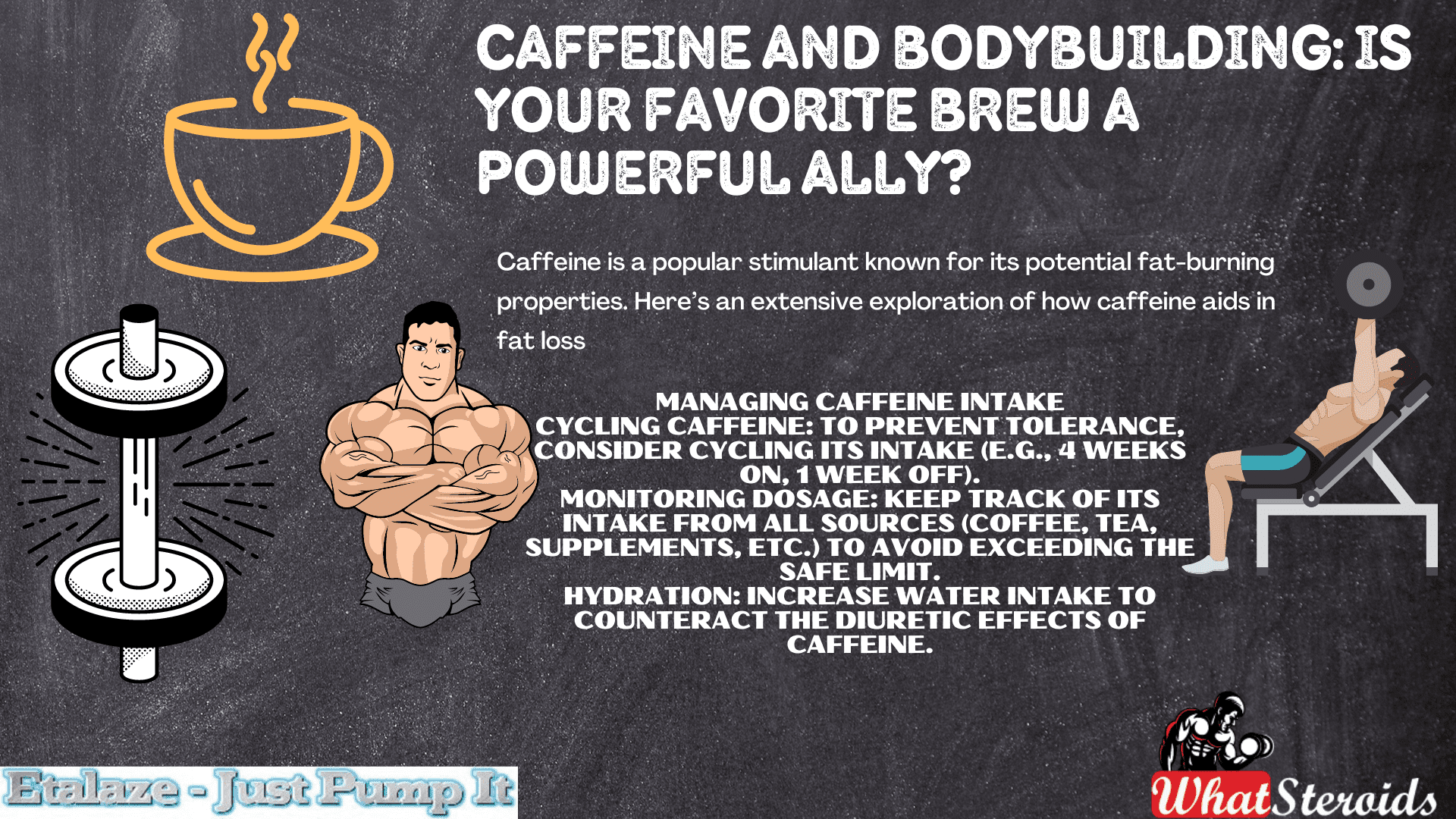
Caffeine, that beloved morning brew, may have some muscle-related benefits! A recent study in Japan found that habitual coffee drinkers had greater skeletal muscle mass. While the exact mechanism isn’t fully understood, it’s intriguing. However, caffeine’s effects on muscle protein synthesis after resistance exercise remain inconclusive. So, while your cup of joe won’t replace your dumbbells, Caffeine might give your muscles a little extra pep!

Appropriate Dosages
Pre-Workout Boost
- Timing: Take it in the morning (about 90 minutes after waking up) or right before a workout.
- Ideal Dosage: Aim for 100-200 mg, adjusted based on factors like tolerance and body weight.
- Safety Limit: Avoid exceeding 400 mg to prevent adverse effects.
During Endurance Events (3-5 hours)
- Recommended Dosage: For sustained endurance, consider ~3-6 mg/kg of body weight.
- Example: For a 70 kg (150 lb) athlete, this translates to ~200-400 mg.
Caffeine affects a bodybuilder's body in several ways, both positive and negative. Here’s a detailed look at its effects:
Must Read: Are HMB Supplements Better than Steroids? – Research Review
Positive Effects
- Enhanced Performance and Endurance:
- Increased Alertness and Focus: Caffeine stimulates the central nervous system, leading to improved mental clarity and concentration during workouts.
- Improved Muscle Strength and Power: Studies suggest that caffeine can increase the ability to generate force, enhancing performance in activities requiring strength and power.
- Increased Endurance: By mobilizing fatty acids from fat tissues and making them available for energy production, it helps sustain energy levels during prolonged activities.
- Fat Loss:
- Thermogenesis: Caffeine increases the body’s metabolic rate, leading to more calories burned at rest.
- Fat Oxidation: It promotes the use of fat as a fuel source, which can help in reducing body fat percentage.
- Reduced Perceived Effort:
- It can lower the perception of effort during workouts, making intense exercise feel less strenuous.

Negative Effects
- Dehydration:
- As a diuretic, caffeine can increase urine output, which may lead to dehydration if fluid intake is not adequately managed.
- Sleep Disturbances:
- Caffeine can interfere with sleep patterns if consumed too late in the day, leading to reduced recovery and performance in subsequent workouts.
- Increased Heart Rate and Blood Pressure:
- High doses of it can lead to increased heart rate and blood pressure, which may be risky for individuals with pre-existing cardiovascular conditions.
- Tolerance and Dependence:
- Regular use can lead to tolerance, requiring higher doses to achieve the same effects. Dependence can also develop, leading to withdrawal symptoms like headaches and fatigue if caffeine intake is suddenly reduced.
- Gastrointestinal Issues:
- Some individuals may experience stomach discomfort, acid reflux, or other gastrointestinal issues after consuming caffeine.
Specific Benefits for Bodybuilders
- Pre-Workout Motivation: Caffeine can boost mood and motivation, making it easier to stick to challenging workout routines.
- Muscle Glycogen Sparing: By utilizing fat for energy, caffeine can help spare muscle glycogen stores, allowing for prolonged performance before fatigue sets in.
- Post-Workout Recovery: Some studies suggest that caffeine can help reduce muscle soreness and speed up recovery when combined with carbohydrates.
Managing Caffeine Intake
- Cycling Caffeine: To prevent tolerance, consider cycling its intake (e.g., 4 weeks on, 1 week off).
- Monitoring Dosage: Keep track of its intake from all sources (coffee, tea, supplements, etc.) to avoid exceeding the safe limit.
- Hydration: Increase water intake to counteract the diuretic effects of caffeine.
Understanding these effects can help bodybuilders use caffeine strategically to enhance their performance and achieve their fitness goals while minimizing potential negative impacts.
 Buy Yohimbine Caffeine 90 Tabs by Magnus
Caffeine Impact on Specific Chemicals
Caffeine impacts the body’s hormones, including adrenaline, cortisol, and insulin, in various ways. Here’s a detailed look at these effects:
Adrenaline
Impact:
- Stimulation: Caffeine increases the release of adrenaline (epinephrine) by stimulating the adrenal glands. This hormone is part of the body’s “fight-or-flight” response.
- Effects: The surge in adrenaline increases heart rate, blood pressure, and energy levels, preparing the body for intense physical activity. This can enhance performance in workouts, especially those requiring bursts of power and strength.
Cortisol
Impact:
- Acute Increase: Its consumption can lead to a temporary increase in cortisol levels, especially in the morning. Cortisol is a stress hormone that helps regulate metabolism, immune response, and energy production.
- Context-Dependent: The magnitude of cortisol response can depend on the individual’s habitual caffeine use, time of day, and baseline stress levels. Regular users may experience a blunted cortisol response compared to non-regular users.
- Long-Term Effects: Chronic high cortisol levels due to excessive caffeine intake can have negative effects, such as impaired immune function, increased fat deposition (particularly abdominal fat), and disrupted sleep patterns.
Also Read: Training clothing: Marvel-Inspired Clothing on Amazon in 2024
Insulin
Impact:
- Insulin Sensitivity: It can temporarily reduce insulin sensitivity, meaning that cells become less responsive to insulin. This can lead to higher blood glucose levels after carbohydrate consumption.
- Acute vs. Chronic Use: While acute intake might impair insulin sensitivity, habitual consumption does not appear to have a significant long-term impact on insulin sensitivity in most people. Some studies suggest that regular coffee consumption might even be associated with a lower risk of type 2 diabetes, possibly due to other bioactive compounds in coffee.
- Individual Variation: The effect of caffeine on insulin sensitivity can vary widely among individuals, influenced by genetic factors, the presence of metabolic conditions, and the overall diet and lifestyle.
 Click Here to Buy DecaTREX 350 mg/ml by Concentrex
Fat-Burning Properties of Caffeine
Caffeine is a popular stimulant known for its potential fat-burning properties. Here’s an extensive exploration of how caffeine aids in fat loss:
Mechanisms of Fat Burning
- Thermogenesis:
- Definition: Thermogenesis is the process of heat production in the body.
- Effect of Caffeine: Caffeine increases thermogenesis by stimulating the central nervous system. This leads to a higher metabolic rate, causing the body to burn more calories at rest and during physical activity.
- Lipolysis:
- Definition: Lipolysis is the breakdown of fats into fatty acids and glycerol.
- Effect of Caffeine: It promotes lipolysis by increasing the release of adrenaline and noradrenaline, which bind to fat cell receptors and trigger the release of stored fat into the bloodstream for use as energy.
- Fat Oxidation:
- Definition: Fat oxidation is the process of burning fatty acids for energy.
- Effect of Caffeine: By mobilizing fatty acids from fat tissues, caffeine increases the availability of fats to be used as fuel, especially during aerobic exercises. This enhances the body's ability to burn fat.
- Energy Expenditure:
- Effect of Caffeine: Caffeine increases overall energy expenditure, which contributes to a greater caloric deficit and, consequently, fat loss. This effect is due to increased physical activity levels and enhanced exercise performance.
Practical Considerations for Bodybuilders
- Timing and Dosage:
- Consume it strategically to maximize performance benefits while minimizing potential hormonal disruptions.
- Avoid excessive intake to prevent chronic elevation of cortisol and significant insulin sensitivity impairment.
- Hydration and Nutrition:
- Ensure adequate hydration and balanced nutrition to support overall hormonal balance.
- Consider the timing of carbohydrate intake around workouts to manage potential blood glucose fluctuations.
- Individual Responses:
- Pay attention to individual responses to it, as effects on adrenaline, cortisol, and insulin can vary.
- Monitor for signs of excessive stress or disrupted glucose metabolism and adjust caffeine intake accordingly.
By understanding these hormonal impacts, bodybuilders can better manage their caffeine consumption to enhance performance and support overall health.
Overall
Caffeine plays a significant role in enhancing muscle mass development through several mechanisms. Firstly, it increases muscle strength and power output by stimulating the central nervous system, allowing for more intense and productive workouts. This heightened performance can lead to greater muscle fiber recruitment and overall muscle activation during resistance training. Secondly, it promotes fat loss by mobilizing fatty acids from adipose tissue, which can enhance muscle definition and visibility. By sparing muscle glycogen stores, caffeine also prolongs endurance, allowing for extended training sessions that are crucial for hypertrophy. Additionally, it has been shown to reduce perceived exertion during exercise, enabling athletes to push harder and potentially achieve greater muscle gains over time.
Lastly, caffeine may have indirect benefits by improving focus and concentration, which are crucial for maintaining proper form and technique during workouts, thereby reducing the risk of injury and ensuring consistent progress in muscle development. Overall, when used strategically, it can be a powerful ally in the pursuit of building lean muscle mass and achieving peak physical performance.
Related Article: Stacking SARMS: Different SARMS Cycles
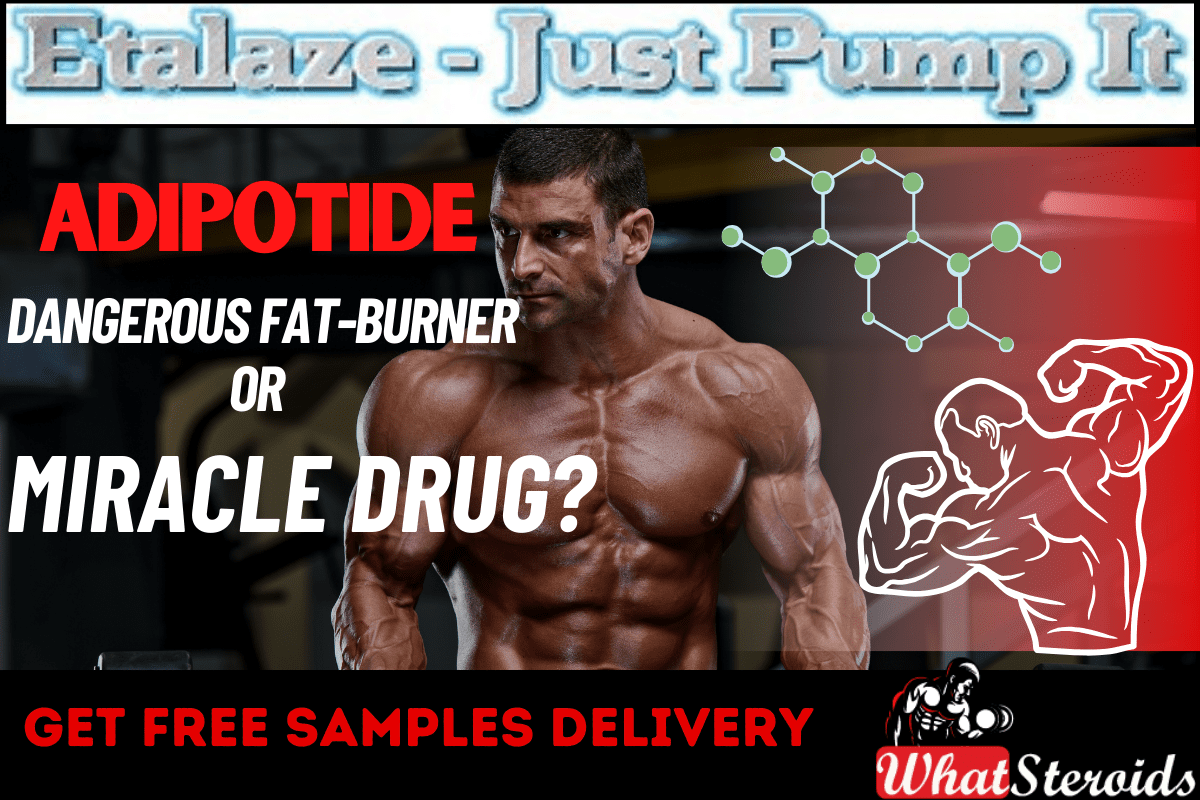
Adipotide is a peptide that has gained attention in the bodybuilding space for its potential as a fat-burning drug. However, there are conflicting opinions on whether it should be considered a dangerous fat-burner or a miracle drug.
Some experts view Adipotide as a promising solution for weight loss, as it targets and destroys fat cells in the body. On the other hand, concerns have been raised about its safety and potential side effects.
Understand Adipotide in Medical Cycles
Adipotide is an experimental drug that has shown potential in targeting and destroying fat cells, leading to weight loss. However, it is important to note that Adipotide is still in the early stages of research and development, and its safety profile has not been fully established yet.
Must Read: Powerlifting Vs Power Building: Find Out the Big Difference and When to Shift Between the Two
As with any new drug, there are concerns about potential side effects and long-term safety issues that need to be carefully evaluated through rigorous clinical trials. It's always advisable to consult with a healthcare professional before considering any new weight loss treatment option.
There are potential dangers associated with Adipotide. It is crucial for bodybuilders to consider using the compound with caution.
Experimentation and Working Mechanism
As mentioned, Adipotide is an experimental peptide developed by researchers at the University of Texas MD Anderson Cancer Center in the early 2000s. Initially, it was designed as a potential treatment for cancer by targeting the blood vessels that feed tumors, essentially starving them of nutrients. However, during preclinical studies in animal models, researchers observed a significant reduction in body fat alongside its anti-tumor effects.
This compound has been linked to side effects such as dehydration, kidney damage, and gastrointestinal issues. Consulting with a healthcare professional before considering its use is crucial to ensure safety and proper guidance.
Prioritizing your health and well-being should always be a top priority when exploring any new treatment or supplement.
Adipotide Protocol for Pro bodybuilders
We may not recommend this particular peptide for obvious reasons, mostly because there is very little research on it. We however have some information we have gathered, and this should guide you on how to use it.
Injecting Adipotide
We recommend 0.5mg/day injected subcutaneously for a week. Take the following week off before using another dose. This should go on for a couple of weeks until you get the results you're looking for.
Using more that this recommended dosage could result in the side effects discussed earlier.
Most importantly, we advise taking a lot of water while using Adipotide. You must also try to create an optimal electrolyte balance. Moreover, take Supplements that could go a long way in protecting your kidneys from the advanced effects associated with using the substance.
Supplements You Can Use to Mitigate Adipotide Effects
Here's a list of supplements you might consider for supporting overall health and potentially mitigating the effects of Adipotide
 Click here to buy. Enan 250 by Ultima Pharmaceuticals
Antioxidants
Such as vitamin C, vitamin E, and selenium, which help neutralize free radicals generated by exposure to pollutants and toxins.
Omega-3 fatty acids
Found in fish oil or flaxseed oil, which have anti-inflammatory properties and support heart health.
N-Acetyl Cysteine (NAC)
A precursor to glutathione, a powerful antioxidant produced in the body that helps detoxify harmful substances.
Milk thistle
Known for its liver-protective properties, it may help support liver function, which is essential for detoxification.
Curcumin
The active compound in turmeric, which has antioxidant and anti-inflammatory effects and may support liver health.
Probiotics
Beneficial bacteria that support gut health, which is crucial for proper digestion and absorption of nutrients, as well as detoxification.
Chlorella or Spirulina
Nutrient-dense algae that may help bind to heavy metals and support detoxification processes in the body.
Glutathione
Often taken in supplemental form, it is a powerful antioxidant involved in detoxification processes in the liver.
Alpha-lipoic acid (ALA)
Another antioxidant that helps regenerate other antioxidants in the body, such as glutathione and vitamins C and E.
Quercetin
A flavonoid found in various fruits and vegetables, known for its antioxidant and anti-inflammatory properties.
Check This Out: Human Chorionic Gonadotropin – A Hormone of Health
More Mineral-Based Supplements
Vitamin D
Essential for bone health, immune function, and overall well-being. Adequate levels of vitamin D may also support detoxification processes.
Magnesium
Important for muscle function, energy production, and nerve transmission. It also supports detoxification pathways in the body.
Zinc
Plays a role in immune function, protein synthesis, and antioxidant activity. It may help protect against oxidative stress caused by harmful chemicals.
Selenium
An essential mineral that supports thyroid function and acts as an antioxidant, protecting against oxidative damage.
B-complex vitamins
Including B1 (thiamine), B2 (riboflavin), B3 (niacin), B5 (pantothenic acid), B6 (pyridoxine), B7 (biotin), B9 (folate), and B12 (cobalamin). These vitamins are involved in energy metabolism and may help counteract stress from intense training and environmental toxins.
Vitamin A
Important for immune function, vision, and skin health. It also has antioxidant properties that can help protect against oxidative stress.
Manganese
Required for proper metabolism, bone formation, and antioxidant defense mechanisms.
Coenzyme Q10 (CoQ10)
A compound that helps generate energy in cells and has antioxidant properties. It may also support cardiovascular health.
Resveratrol
Found in grapes, red wine, and certain berries, resveratrol has antioxidant and anti-inflammatory effects that may help protect against oxidative damage.
Ashwagandha
An adaptogenic herb that may help reduce stress, support adrenal function, and enhance overall resilience to environmental stressors.
Who Should Take Adipotide?
Adipotide is not for everyone. But if you are a very experienced bodybuilder who has tried every other potentially dangerous drug under the sun and you happen to have very healthy kidneys we won't try to keep you from using this one.
Overall
Most bodybuilders will agree that Adipotide is a fascinating yet potentially dangerous fat-burning peptide. It has gained quite a reputation in the enhanced bodybuilding echelon. In our opinion and experience with peptides, the benefits do not outweigh the dangers.
Related Article: Cost of Steroids: Are they Worth Your Money?
In summary, you could avoid it and opt for safer alternatives like AOD-9604 and HGH Fragment 176-191. Etalaze.to is your #1 steroids and Supplements store, with a range of approved and safe products for bodybuilders of all levels.

Introduction
In this article, we will discuss five familiar fat loss myths that are hindering your progress. You've probably heard about all of them before, but it is worth reminding ourselves, as they are far too common. Let's go!
Myth #1: Spot Reduction Is Real
This one is one of the oldest myths in the books, and beginners tend to fall for it even today. Spot fat reduction isn't real, it doesn't go that way. In other words, no matter how many crunches you do, or how many layers of folia, or fat loss belts you have on you, your abs still won't show if you have fat over them.
That doesn't mean working your abs isn't important, on the contrary. You will strengthen them and make them bigger, which will create more prominent "separations." But, you still have to work on your fat reduction, which happens body-wide, and you can't target it.
The first place you are likely to notice fat loss in your face. Unfortunately, those places you want the fat to disappear the most are the most problematic and stubborn. For men, that is the stomach area, and for women, it is the things and hips. But, if you keep the discipline up, you will start noticing improvements there too.
Related Article: Anabolic Steroids And Fat Loss: Proper Manipulation For Best Results
So no, spot fat loss reduction isn't possible, not even for "enhanced" lifters. That is something you need to forget about, forever. And whoever tells you otherwise probably tries to sell you a spot fat reduction belt.
Myth #2: You Can Lose Fat And Gain Muscle Simultaneously
This myth is semi-true, with a big "but" following it. First, if you are a complete beginner, yes, you can lose fat and build muscle simultaneously. But, if you are not, things are different.
If you are more or less satisfied with your appearance, or you just want steady progress, building muscles over time without any significant spikes, you should up slightly up your caloric intake. In fact, you should do that by upping your protein.
Adding more calories from protein to your diet while following a good workout plan will give your body enough building blocks to build muscle. If you keep the surplus to a minimum, let's say below 500 calories over your maintenance, and you only up the protein, you should expect to get lean muscles.
Of course, you will still probably get some fat, but far less than in a hardcore "bulking" phases. We have a whole article dedicated to this topic, and we suggest you read it.
Myth #4: Steroid Users Don't Need To Worry About Fat Loss
 This is simply not true, and even professional bodybuilders struggle with fat loss. And we all know how many supplements, legal and illegal, the intake.
While it is true that some performance-enhancing drugs such as clenbuterol and Winstrol directly target fat stores, the fact that you need to take those, and still watch your calories and training tells everything. There's just no magic pill or syringe that will just burn your gut away, turning you into a 5% lean machine.
 And while Winstrol and clenbuterol do work (which doesn't mean they are for everyone!), you can forget about over the counter fat loss supplements. Most of those just contain caffeine, L-carnitine and a bunch of herbs that claim miracles. In reality, those supplements won't do much good longterm and are a complete waste of money.
Myth #5: Cardio Is Essential For Fat Loss
A caloric deficit is essential for weight loss; everything else is secondary. Now, whether you are going to obtain that deficit by reducing your caloric intake, increasing your activity levels, or both, it's up to you.
The truth is, however, that it is much easier not to eat a Big Mac than it is to run on a treadmill 45 minutes. So, if you are severely overweight with pounds and pounds to shred, your first stop should be drilling a hole at the bottom of your spoon.

But, if you already follow a diet that is mostly good and healthy, and you find it hard to cut the calories down even further, it is a good idea to raise your activity level. Besides, cardio has many health benefits, even more than lifting, as a recent JAMA study showed.
The best combination is to lower your total calories slightly and to introduce more activities you enjoy. While most people think about treadmills, stationary bikes and stair masters when someone notices cardio, playing sports with buddies also counts. So does hiking, swimming, rowing, any type of activity that gets your heart rate up will do.
Related Article: How Do American Swimmers Manage to Trash Cheating Scumbags Without Steroids?
Myth #6: Weight Loss Diets And Extreme Workouts Plans Work
This is another myth common among beginners, and especially ladies. Extreme diets that force you to severely undereat or take drastic measures by completely eliminating certain food groups won't work longterm.
Sure, you will see some results at first, which will feel great. But, once your body adapts, the weight loss will normalize, and you will lose it much slower.

Any kind of restrictive diet that cuts too many calories at once will result in something you want to avoid—muscle loss. Yes, performance-enhancing drugs, lifting, and intaking enough protein can slow that down, but it will still happen. Not to mention that extreme dieting can have adverse health effects, messing up with your digestion.
The same goes for following extreme exercise routines. Bad fat loss programs focus on high reps with short breaks in between, often using supersets and giant sets. While there's nothing inherently wrong with those techniques, doing too much work in a caloric deficit can result in overtraining, overuse and injuries. So don't rush, take things slow, that's the only way to lose fat the right way.
Myth #7: Carbs And Fats Make You fat
Eating calories you don't need makes you fat, and that's it, the source doesn't matter. So no, fats and carbs won't make you fat, eating too much of them will. The only macronutrient you should eat a lot is protein, but even that should stay within healthy amounts. As for the carbs and fats, it's up to you to figure out how to organize them.

Both carbs and fats have their own place in a healthy diet. Olive oil is an excellent example of good fats, while whole grain bread, rich in fiber, is a great example of good carbs. No need to demonize anything.
So, you should only focus on counting calories, maintaining a slight deficit. Just be aware that fats contain twice as many calories as proteins and carbs. But, they fill you up quickly, and keep you full for longer, so no need to completely cut them out.
Myth #8: You Need Juice To Get Shredded
This is not a myth, but a common natty excuse. No, you don't need steroids if you want to get shredded. In fact, it is much easier for a normal, non-genetically gifted person to achieve a lower percentage of body fat, than it is to get enormously big. The only look that is reserved for steroid users is the classic bodybuilder look, where you are huge and defined at the same time. Everything else is obtainable for ordinary people.
Must Read: How to Get Shredded For Bodybuilding Contest
And don't think to inject some Twill turn you into a super shredded animal overnight. Even steroid users have to do things right if they want to avoid fat loss and other side-effects. If you plan to go that route, we recommend you to read this article that is all about losing fat on steroids the right way.
Conclusion
Eight myths listed above are far too common if you ask us. We hope this article will end some of them, once and for all. At least those most basic ones such as spot fat reduction, and "only juiced gym rats can get shredded" should go into oblivion, immediately!
But, you live, and you learn, and even experienced lifters fall to cheap advertisement every now and then. That's why you read articles like this one, that share some common sense. The only truth is that losing fat takes discipline, and that's it. Yes, it is slow, but you will realize it was all worth it the second you see that six-pack for the first time. And you will find it in the same place where your beer gut used to be.
Let us know in the comments below if we forgot to mention some common fat loss myths you often hear around gyms.


Joint Stiffness: How to Manage It While on AAS

Caffeine and Bodybuilding: Is Your Favorite Brew A Powerful Ally?

Cellular Alchemy to Restore Testosterone Levels

Omnitope (Oxytocin)

Hormone Replacement Therapy (TRT) Cycle Guide

Here Is How To know Your MRV (Maximum Recoverable Volume)

Major Bodybuilding Peptides Explained

Top Vitamins for Skin Health

How Much Do You Know About B-AET? A Fat Burner You’ve Been Missing

TRT Add-ons: The Ultimate Guide

Anavar Cycle for Men and Women

Peptides Vs. Steroids:Real Talk/Guide
How Much Do You Know About B-AET? A Fat Burner You’ve Been Missing

Anadrol Cycle: Benefits, Doses, Alternatives, etc.
TRT Add-ons: The Ultimate Guide
Major Bodybuilding Peptides Explained
Top Vitamins for Skin Health
Here Is How To know Your MRV (Maximum Recoverable Volume)
Hormone Replacement Therapy (TRT) Cycle Guide
Omnitope (Oxytocin)
Anavar Cycle for Men and Women
Peptides Vs. Steroids:Real Talk/Guide
How Much Do You Know About B-AET? A Fat Burner You’ve Been Missing
Anadrol Cycle: Benefits, Doses, Alternatives, etc.
TRT Add-ons: The Ultimate Guide
Major Bodybuilding Peptides Explained
Top Vitamins for Skin Health
Here Is How To know Your MRV (Maximum Recoverable Volume)
Hormone Replacement Therapy (TRT) Cycle Guide
Omnitope (Oxytocin)
-
 Bodybuilding2 years ago
New Arrival Workout Equipment on Amazon for The Disabled
-
 Steroids2 years ago
Supplemental Breast Milk for Bodybuilders: The Secret Behind It
-

 Steroids2 years ago
Dwarf Bodybuilders Giving Pros A Run for Their Money
-
 Steroids1 year ago
VOX Testing: Why Bodybuilders Must Have It Tested Regularly
-
 Steroids1 year ago
Shavers and Other Body Grooming Equipment for Bodybuilders In 2023
-

 Steroids1 year ago
ChatGPT and Other Avenues to Find Great Bodybuilding Coaches
-

 Steroids1 year ago
Best Oil Recommendations Before Competition for Subtle Shimmer
-
 Steroids1 year ago
Powerlifting Vs Power Building: Find Out the Big Difference and When to Shift Between the Two
-
 Beginners12 months ago
Tren Cycle for Beginners
-
 Bodybuilding11 months ago
Competition Prep Cycle for Pro Bodybuilders
-

 Nutrition9 months ago
Everything Nutritional Food: What’s Too Much Or Too Little
-
 Anabolic Steroids8 months ago
Legality of Anabolic Steroids In Latin America
-
 Bodybuilding8 months ago
Chia Seeds in A Bodybuilder’s Diet: An Expert’s Advice
-
 Bodybuilding6 months ago
List of FDA-Approved Peptides
-

 Anabolic Steroids7 months ago
Start The New Year Strong With These Tips
-

 Anabolic Steroids9 months ago
Natural Steroids for Bodybuilding
-

 Beginners9 months ago
Calisthenics: Secret to Building A Better Upper and Middle Body
-
 Bodybuilding7 months ago
Unique Things That Have Redefined Mr Olympia Over The Years
-

 Steroids5 months ago
Trenbolone: Why it Remains A Beast In the Market
-
 Bodybuilding Products4 months ago
Telmisartan In Bodybuilding: An Expert’s Advice
-
 Bodybuilding5 months ago
The Importance of Scaptions in Female Athletes
-
 Bodybuilding4 months ago
How Much Is Too Much Cardio? Understanding Heart Rate Zones
-

 Bodybuilding6 months ago
Funny Gym Stories and Moments to Light Up Your Day
-
 Steroids8 months ago
These Bodybuilding Equipment Might Become Obsolete Next Year (See Alternative Upgrades)
-
 Bodybuilding8 months ago
Calorie Dumping: A Bodybuilder’s Guide