
Bodybuilding
Military Training: How The World’s Top 5 Elite Forces Train

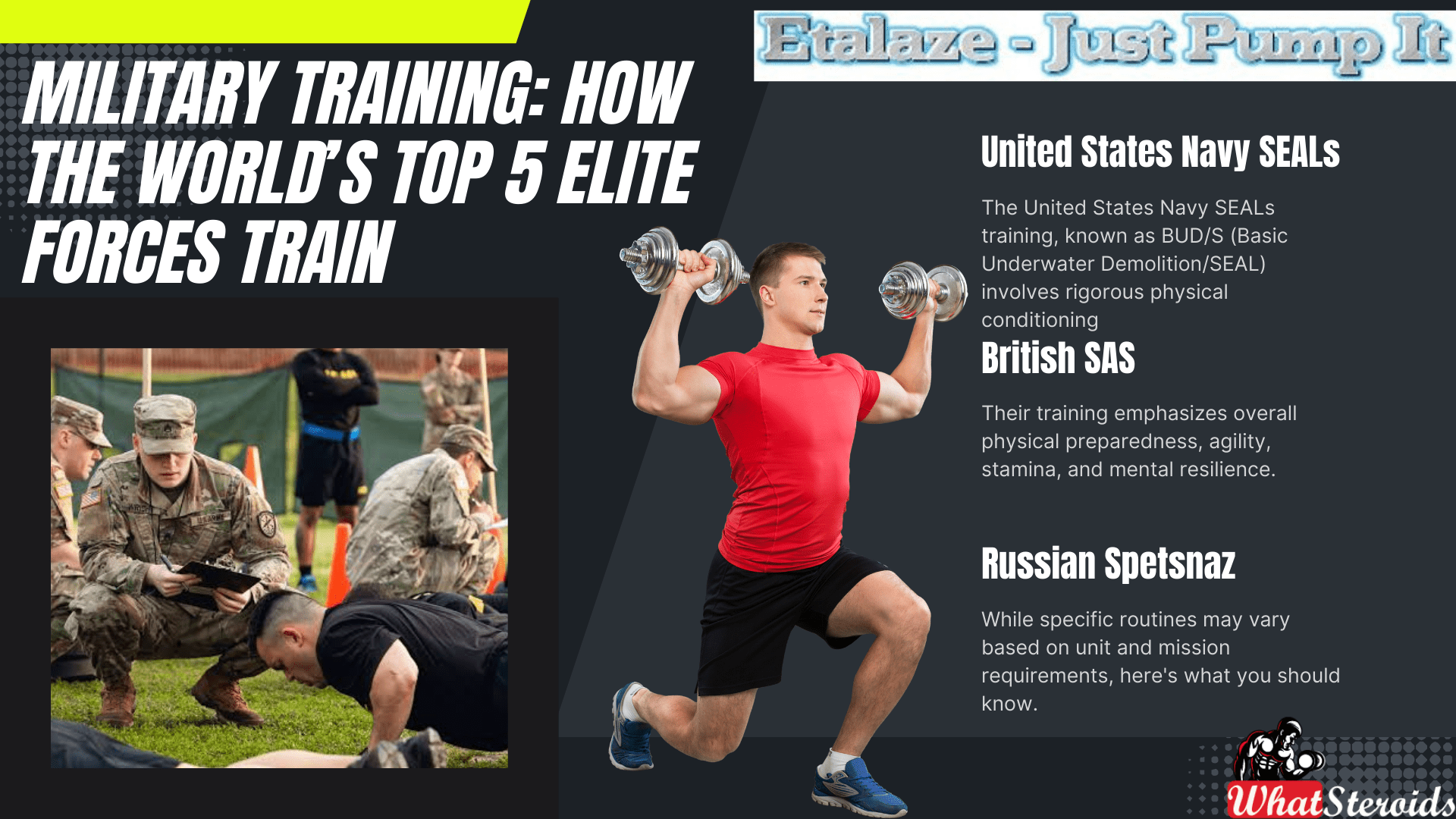
Bodybuilding, while not the primary focus of military training, can still play a significant role in enhancing the performance of soldiers.
Check Out: Olympic Lifting : 25 Strategies That Work
Here are several reasons why bodybuilding can be important in the military context:
Physical Preparedness
Bodybuilding helps soldiers develop strength, endurance, and overall physical fitness, which are essential for carrying heavy loads, navigating difficult terrain, and engaging in combat situations. A well-developed physique can improve a soldier's ability to perform a wide range of tasks efficiently.
Injury Prevention
Strengthening muscles and improving joint stability through bodybuilding exercises can help reduce the risk of injuries, particularly during physically demanding activities like carrying heavy gear, running, and jumping. Strong muscles and joints provide better support and protection, decreasing the likelihood of strains, sprains, and other injuries.
Functional Strength Military Training
Bodybuilding exercises often focus on compound movements that mimic real-world actions. Soldiers need functional strength to perform tasks such as lifting, carrying, climbing, and pushing/pulling objects in various situations encountered in combat or during training exercises.

Mental Resilience
Bodybuilding requires discipline, dedication, and mental toughness to stick to a structured training program and push through physical discomfort. These mental attributes are also crucial in the military, where soldiers must endure challenging conditions, maintain focus under stress, and persevere in demanding situations.
Confidence and Morale
Building a strong, muscular physique can boost a soldier's confidence and self-esteem, which can translate into improved performance and morale. Feeling physically capable and confident in one's abilities can positively impact a soldier's mindset on the battlefield and during training exercises.
Rehabilitation and Recovery
Injured soldiers often undergo rehabilitation programs that include strength training to regain mobility, stability, and strength in injured areas. Bodybuilding exercises tailored to specific rehabilitation needs can accelerate recovery and help soldiers return to duty faster.
Improved Endurance
Bodybuilding routines that incorporate high-repetition sets and cardiovascular exercises can enhance soldiers' endurance levels, allowing them to sustain physical exertion for longer periods without fatigue. This endurance is crucial during prolonged missions, marches, or engagements.
Enhanced Metabolic Health
Regular resistance training and muscle-building exercises can improve metabolic health by increasing muscle mass, reducing body fat, and enhancing insulin sensitivity. Soldiers with better metabolic health are less prone to obesity, diabetes, and other metabolic disorders, which can impact operational readiness.
Resilience to Environmental Stressors
Building muscle through resistance training can help soldiers better tolerate extreme environmental conditions, such as heat, cold, altitude, and humidity. Increased muscle mass provides insulation and helps regulate body temperature, while improved cardiovascular fitness supports efficient oxygen delivery to tissues.
Functional Movement Patterns
Bodybuilding exercises often focus on compound movements that involve multiple joints and muscle groups working together. These functional movement patterns translate directly to the dynamic and varied physical demands faced by soldiers in combat and operational environments.
Enhanced Physical Agility
Bodybuilding can improve agility, coordination, and proprioception, which are essential for navigating obstacles, evading threats, and reacting quickly to changing situations. Agility training can help soldiers move more efficiently and effectively in urban, jungle, mountainous, or other challenging terrain.
Optimized Body Composition
Bodybuilding promotes the development of lean muscle mass while reducing excess body fat, leading to an optimized body composition. Soldiers with a higher muscle-to-fat ratio tend to perform better in physical tasks, have higher strength-to-weight ratios, and experience fewer mobility limitations.
Combatting Sarcopenia
Sarcopenia, the age-related loss of muscle mass and strength, can impact older soldiers' performance and resilience. Bodybuilding exercises can mitigate sarcopenia by stimulating muscle protein synthesis, preserving muscle mass, and maintaining functional strength as soldiers age.
Improved Resilience to Blast Injuries
Strengthening muscles, tendons, and ligaments through bodybuilding can provide added protection and resilience against blast injuries, which are common in modern combat environments. A stronger musculoskeletal system can help soldiers withstand the physical impact of explosions and reduce the severity of injuries.
Promotion of Camaraderie and Team Cohesion
Group workouts and training sessions focused on bodybuilding can foster camaraderie, teamwork, and mutual support among soldiers. Shared goals, challenges, and successes in the gym can strengthen unit cohesion and morale, leading to more effective collaboration in operational settings.
Positive Influence on Mental Health
Engaging in regular bodybuilding activities can have positive effects on soldiers' mental health by reducing stress, anxiety, and depression levels. Physical exercise stimulates the release of endorphins and other neurotransmitters associated with improved mood and cognitive function, which can benefit soldiers both on and off the battlefield.

United States Navy SEALs (USA)
The United States Navy SEALs training, known as BUD/S (Basic Underwater Demolition/SEAL) involves rigorous physical conditioning, including:
Running and Swimming
Long-distance running and swimming are core components of SEAL training to build endurance and cardiovascular fitness.
Calisthenics
Bodyweight exercises such as push-ups, pull-ups, sit-ups, and squats are done in high repetitions to build strength and endurance.
Weight Training
SEAL candidates incorporate weightlifting to build muscular strength and power. This includes exercises like deadlifts, squats, bench presses, and overhead presses.
High-Intensity Interval Training (HIIT)
SEALs train with high-intensity interval workouts to improve anaerobic endurance and overall fitness.
Obstacle Courses
SEAL candidates navigate through challenging obstacle courses to improve agility, coordination, and mental toughness.
Combat Conditioning
Military training drills simulate combat situations, emphasizing functional movements and combat-related skills.
Flexibility Training
Stretching and mobility exercises are incorporated to improve flexibility and reduce the risk of injuries.
Water Confidence Training
Extensive swimming drills are conducted, including underwater swims, to enhance comfort and confidence in aquatic environments.
Overall, the training routine is designed to push candidates to their physical and mental limits, preparing them for the demanding tasks they'll face as Navy SEALs.
Must Read: What is EPO and Blood Doping in Cycling and Endurance Sports?
British SAS (United Kingdom)
Obstacle Course Training
Circuit Training
Rucking
Combat Conditioning
Endurance Military Running
Israel Special Forces (Israel)
Warm-up
Compound Exercises


Hypertrophy training, often referred to as bodybuilding training, is a method focused on increasing muscle size and definition through targeted exercises and specific training techniques. Professional bodybuilders have mastered the art of hypertrophy training to sculpt their bodies into peak physical condition.

At its core, hypertrophy training involves lifting weights at a moderate to high intensity for a moderate number of repetitions. The goal is to create micro-tears in the muscle fibers, which then repair and grow stronger and larger during the recovery process. This leads to muscle hypertrophy or an increase in muscle size.
Understanding the basics of hypertrophy training involves knowing how to manipulate variables such as sets, reps, rest periods, tempo, and intensity. By adjusting these factors, individuals can tailor their workouts to target specific muscle groups and achieve optimal results.
Proper nutrition and adequate rest are also crucial components of hypertrophy training as muscles need sufficient fuel and time to recover and grow. Consistency in training and adherence to a well-rounded program are key pillars in unlocking the full potential of hypertrophy training.
Must Read: The Ultimate Chain and Plate Curls for Pumping Biceps
By demystifying hypertrophy training and embracing its principles with dedication and focus, individuals can effectively work towards achieving their desired physique goals while enhancing overall strength and endurance.
Principles of Hypertrophy Training
When you engage in strength training, you put strain on your muscles. This stress prompts the body to repair and adapt, resulting in an increase in muscle fibers. Here are the basics about this form of training you need to familiarise with:
Training Frequency
For new bodybuilders, a frequency of 3-4 times per week is often recommended to allow for sufficient recovery between sessions. Professional bodybuilders may train more frequently, sometimes up to 5-6 times per week, as their bodies have adapted to higher training volumes over time.
Intensity and Volume: New bodybuilders typically start with moderate intensity (around 65-75% of their one-rep max) and moderate volume (3-4 sets of 8-12 reps per exercise). Professional bodybuilders often incorporate higher intensities (75-85% of one-rep max) and higher volumes (4-6 sets of 8-15 reps per exercise) to continue stimulating muscle growth.
Exercise Selection
Both new and professional bodybuilders focus on compound exercises (e.g., squats, deadlifts, bench press) that target multiple muscle groups simultaneously to maximize muscle recruitment and overall hypertrophy. However, professionals may incorporate more isolation exercises to target specific muscles or muscle groups that need extra attention.
Progressive Overload
Both groups prioritize progressive overload, which involves gradually increasing the weight, reps, or sets over time to continue challenging the muscles and promoting growth. This can be achieved through methods such as increasing resistance, shortening rest periods, or varying exercise techniques.
Nutrition
Both new and professional bodybuilders emphasize the importance of nutrition for muscle growth and recovery. This includes consuming an adequate amount of protein to support muscle repair and synthesis, as well as sufficient carbohydrates and fats for energy and overall health.
Rest and Recovery
Adequate rest and recovery are crucial for hypertrophy training. Both new and professional bodybuilders prioritize getting enough sleep (7-9 hours per night) and incorporating rest days into their training schedules to allow muscles to repair and grow.
Supplementation
While both new and professional bodybuilders may use supplements to support their training and nutrition goals, professionals may have more sophisticated supplementation protocols tailored to their specific needs and goals. We recommend supplements such as protein powders, creatine, branched-chain amino acids (BCAAs), and pre-workout formulas.
Monitoring and Adjustments
Professional bodybuilders often closely monitor their progress through measurements such as body weight, body composition, and strength levels. Based on these assessments, they make adjustments to their training, nutrition, and supplementation protocols to continually progress towards their goals.

Arnold Schwarzenegger's Hypertrophy Workout Routine
Arnold Schwarzenegger's volume workout is a legendary approach to hypertrophy training that he popularized during his bodybuilding career. Here's an explanation of how his workout relates to hypertrophy training:
High Volume
Schwarzenegger's training program was characterized by high volume, involving a large number of sets and reps per workout. This high volume stimulates muscle growth by subjecting the muscles to prolonged tension and metabolic stress, both of which are key factors in hypertrophy.
Multiple Sets and Reps
Each exercise in Schwarzenegger's workout typically included multiple sets (often 4-5 sets) with a moderate to high number of reps (8-12 reps). This approach allows for ample time under tension, which is essential for stimulating muscle growth and hypertrophy.
Compound and Isolation Exercises
Schwarzenegger's workout included a combination of compound exercises (e.g., squats, bench press, deadlifts) and isolation exercises (e.g., bicep curls, tricep extensions) to target various muscle groups from different angles. Compound exercises help to maximize muscle recruitment, while isolation exercises allow for targeted muscle stimulation and hypertrophy.
Frequency
Schwarzenegger typically trained each muscle group 2-3 times per week, allowing for sufficient frequency to stimulate muscle growth while also providing adequate recovery time between sessions. This frequency helps to maximize hypertrophy by consistently exposing the muscles to growth-inducing stimuli.
Intensity Techniques
Schwarzenegger often incorporated intensity techniques such as drop sets, supersets, and forced reps into his workouts to further increase the intensity and stimulate muscle growth. These techniques help to push the muscles beyond their normal limits, triggering adaptations that lead to hypertrophy.
Periodization
Schwarzenegger employed periodization principles in his training, alternating between phases of higher volume and lower volume to prevent plateaus and continue making progress. This periodization strategy helps to optimize muscle growth by varying training stimuli over time.
Mind-Muscle Connection
Schwarzenegger emphasized the importance of the mind-muscle connection, focusing on contracting and feeling the target muscles working during each repetition. This approach helps to maximize muscle fiber recruitment and engagement, enhancing the effectiveness of each exercise for hypertrophy.
Nutrition and Recovery
In addition to his training program, Schwarzenegger paid close attention to his nutrition and recovery strategies to support muscle growth and hypertrophy. Adequate protein intake, proper hydration, and sufficient rest are essential components of any hypertrophy-focused training program.
Overall, Schwarzenegger's volume workout is a comprehensive approach to hypertrophy training that incorporates high volume, frequency, intensity techniques, and periodization to maximize muscle growth and achieve an impressive physique.
Also Read: Why Trenbolone Remains A Beast In The Market
10 Groups of Athletes That Can Benefit from Hypertrophy Workouts
We have prepared for you 10 groups of athletes that should consider hypertrophy training
1. Combat Sports Athletes
Martial artists, boxers, and other combat sports athletes can enhance their power and endurance through hypertrophy training.
2. Track and Field Athletes
Sprinters, jumpers, and throwers can improve their explosive strength by including hypertrophy training in their regimen.
3. Football/Soccer Players
Both American football players and soccer players can benefit from hypertrophy training to increase muscle mass and strength.
4. Gymnasts
Building lean muscle mass through hypertrophy training can help gymnasts improve their strength-to-weight ratio for better performance.
5. Swimmers
Swimmers can enhance their power in the water by incorporating hypertrophy exercises to strengthen key muscle groups.
6. Cyclists
While endurance is crucial for cyclists, adding hypertrophy training can boost leg strength and overall performance on the bike.
7. Basketball Players
Building muscle through hypertrophy training can improve basketball players' agility, jumping ability, and overall athleticism on the court.
8. CrossFit Athletes
CrossFit enthusiasts looking to excel in competitions can benefit from hypertrophy training to increase overall strength and muscular endurance.
9. Triathletes
Incorporating hypertrophy exercises into triathletes' routines helps prevent injuries by strengthening muscles that support joints during long-distance races.
10. Powerlifters
While powerlifting focuses on maximal strength lifts, including some hypertrophy work can aid in building a solid muscular foundation for lifting heavy weights more efficiently.
By tailoring a specific hypertrophy program to suit each group's athletic needs and goals, these athletes have the opportunity to optimize their performance levels while reducing the risk of injury associated with repetitive movements in sports-specific activities.
Final Thoughts
By understanding the underlying principles of progressive overload, volume, intensity, and frequency, individuals can tailor their training programs to effectively stimulate muscle growth. Whether you're a novice or a seasoned athlete, hypertrophy training offers a structured framework for optimizing muscle hypertrophy and sculpting a physique that reflects dedication, consistency, and strategic planning.
Embracing the science behind hypertrophy training empowers you as an individual to surpass limitations, break plateaus, and unlock their full potential in pursuit of their fitness aspirations. With proper guidance, commitment, and perseverance, anyone can harness the transformative power of hypertrophy training to sculpt a stronger, more resilient, and aesthetically pleasing physique.
Related Article: Post Cycle Therapy Vs. B&C: Which is Best for You?
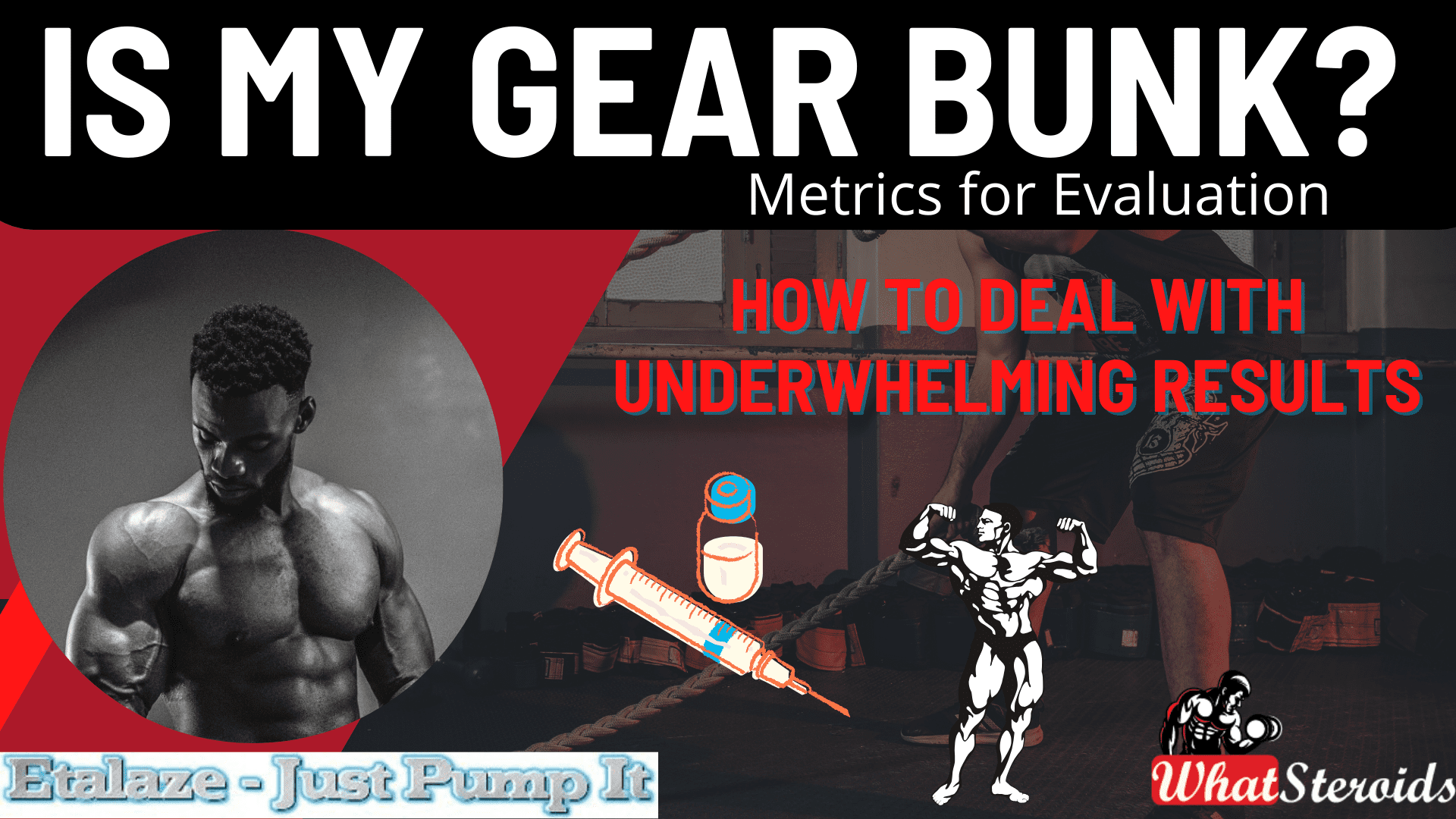
The concern about whether one’s gear is “bunk” or ineffective is indeed a common one in bodybuilding forums. When results don’t meet expectations, it’s natural to question the quality of the supplements or steroids being used.
Training and Diet
Are the training regimen and diet optimized for the goals? Consistency and intensity in workouts, along with a diet rich in protein and other nutrients, are crucial for muscle gains.
Rest and Recovery
Muscles need time to repair and grow after workouts. Adequate sleep and rest days are essential.
Realistic Expectations
It’s important to set achievable goals. Unrealistic expectations can lead to disappointment, regardless of the gear’s quality.
Proper Dosage and Cycle
Ensuring that the gear is used in the correct dosage and cycle length is important for effectiveness.
Metrics for Evaluation
Are the right metrics being used to assess progress? Muscle gains can be slow and incremental, and focusing solely on the scale might not reflect true progress.
Quality and Authenticity
Finally, if all other factors are in place, it might be worth verifying the authenticity and quality of the gear.
PEDs Awareness
Understanding the types of PEDs, their effects, and the risks involved is crucial. PEDs can range from anabolic steroids to hormone supplements like HGH1.
Injectable Hormones
Injectable hormones such as testosterone and human growth hormone (HGH) are commonly used in bodybuilding. They can lead to significant muscle growth but also come with risks such as hormonal imbalances and organ damage23.
Steroid Doses
The dosage of steroids must be carefully managed. Excessive doses can lead to severe side effects, while too little may not provide the desired muscle growth4.
Cycle Length
The duration of a steroid cycle should be planned according to individual goals and the body’s response to the steroids.
Also See: Top 10 best Immune Boosting Supplements to buy in 2024
Post-Cycle Therapy (PCT)
After a steroid cycle, PCT is essential to help the body recover and maintain the gains made.
Legal Implications
The legality of steroid use varies by country, and it’s important to be aware of the laws to avoid legal repercussions.
Ethical Considerations
The use of PEDs raises ethical questions about fairness in competition and the integrity of the sport.
Health Monitoring
Regular health check-ups are necessary to monitor the effects of PEDs on the body.
Mental Health
The psychological impact of PEDs, including dependency and body image issues, should not be overlooked.
Nutritional Support
A diet that supports the increased metabolic demands of bodybuilding and PED use is vital.
Supplement Quality
Ensuring the quality and purity of PEDs and supplements is important to avoid contaminants that could cause harm.
Training Adaptation
The training regimen may need to be adjusted when using PEDs to optimize results and minimize injuries.
Peer Influence
Be cautious of advice from fellow athletes or online forums; not all sources are reliable or have your best interests in mind.
Long-Term Consequences
Consider the potential long-term health consequences of PED use, which can include cardiovascular issues, infertility, and other endocrine disorders.
Metrics to Evaluate These Parameters
Evaluating the legitimacy and effectiveness of bodybuilding gear involves a multifaceted approach. Here are metrics that can be used to measure each of the 20 parameters above.
Training and Diet
Track workout progress, dietary adherence, and macronutrient intake.
Rest and Recovery
Monitor sleep quality and quantity, as well as muscle soreness and recovery rate.
Realistic Expectations
Set and review short-term and long-term bodybuilding goals.
Proper Dosage and Cycle
Log dosages and cycle lengths, and compare them with recommended guidelines.
Metrics for Evaluation
Use body composition analysis, such as DEXA scans or calipers, to measure fat and muscle changes.
Quality and Authenticity
Verify product labels and third-party testing for substance authenticity.
PEDs Awareness
Educate oneself on PED types and effects through credible sources.
Injectable Hormones
Blood tests to monitor hormone levels and ensure they are within safe ranges.
Steroid Doses
Record and adjust dosages based on physiological responses and side effects.
Cycle Length
Plan and document cycle durations, noting any physiological changes.
Post-Cycle Therapy (PCT)
Assess hormonal balance and recovery post-cycle with blood tests.
Legal Implications
Stay informed about local laws regarding PED use.
Ethical Considerations
Reflect on personal ethics and the impact of PED use on competitive fairness.
Health Monitoring
Regular health screenings, including liver and kidney function tests.
Mental Health
Self-assessments or professional evaluations for mental well-being.
Nutritional Support
Nutritional logs and periodic reviews with a dietitian.
Supplement Quality
Check for certifications like NSF or Informed-Choice on supplements.
Training Adaptation
Adjust training programs based on performance metrics and recovery.
Peer Influence
Critically evaluate advice from peers against scientific evidence.
Long-Term Consequences
Longitudinal health tracking to identify potential delayed effects of PED use.

Optimizing Calorie Intake: A Key Strategy to Manage Weight Effectively
When it comes to bodybuilding, one of the crucial factors that can significantly impact your progress is your calorie intake. Whether you are looking to build muscle mass, lose fat, or maintain your current weight, understanding and optimizing your calorie consumption is essential. In this article, we will explore the recommended calorie intake for bodybuilders and how it can help mitigate abnormal weight fluctuations.
Why Calorie Intake Matters for Bodybuilders
Calories are units of energy that our bodies need to function properly. For bodybuilders, caloric intake plays a vital role in achieving their fitness goals. Consuming the right amount of calories ensures that you have enough energy for workouts, muscle recovery, and overall performance.
Determining Your Calorie Needs
The recommended daily calorie intake for bodybuilders varies depending on various factors such as age, gender, weight, height, activity level, and fitness goals. To determine your specific calorie needs accurately, consider using online calculators or consulting with a nutritionist or dietitian.
Recommended Calorie Intake for Bodybuilders
As a general guideline, bodybuilders aiming to build muscle mass often follow a caloric surplus diet where they consume more calories than they burn. This surplus provides the extra energy needed for muscle growth and repair. On the other hand, those looking to lose fat may opt for a caloric deficit diet where they consume fewer calories than they burn to promote fat loss while preserving muscle mass.
Mitigating Abnormal Weight Fluctuations
To mitigate abnormal weight fluctuations as a bodybuilder, it is crucial to monitor your calorie intake consistently and adjust it based on your progress and goals. Rapid changes in weight can indicate an imbalance between calorie consumption and expenditure.
Incorporating Nutrient-Dense Foods
Apart from monitoring calorie intake, focusing on nutrient-dense foods is essential for overall health and optimal performance. Include a variety of protein sources, complex carbohydrates, healthy fats, fruits, and vegetables in your diet to ensure you meet all your nutritional requirements.
Must Read: What Anabolic Steroids Can Be Used for Joint or Ligament Injuries
Top Legit Steroid Pharmaceuticals for Bodybuilders: Where to Find Effective Gear
When it comes to bodybuilding, finding legitimate steroid pharmaceuticals that provide effective gear is crucial for achieving desired results safely and efficiently. Not all suppliers can be trusted, so it's important for bodybuilders to do their research and only purchase from reputable sources. Here are some top pharmaceutical companies known for selling high-quality, effective gear.
1. Alpha Pharma Gear Suppliers
One of the top pharmaceuticals globally, Alpha Pharma is a well-known pharmaceutical company that offers a range of steroids specifically designed for bodybuilding purposes. They are known for their quality products and have gained trust among many bodybuilders worldwide.
2. Dragon Pharma
Dragon Pharma is another popular choice among bodybuilders looking for reliable steroid products. They are known for their commitment to quality and effectiveness in helping athletes achieve their fitness goals.
3. Balkan Pharmaceuticals
It is a trusted name in the world of bodybuilding supplements, offering a variety of steroids that are known for their potency and reliability.
4. Kalpa Pharmaceuticals
This outlet is recognized for its high-quality gear that caters to the needs of bodybuilders seeking safe and effective performance-enhancing drugs.
5. Geneza Pharmaceuticals
Geneza is a reputable supplier of steroids that are widely used by bodybuilders due to their effectiveness and quality standards.When purchasing steroids from pharmaceutical companies, it's essential to ensure they are legit and follow proper guidelines for safety and authenticity. Always verify the credentials of the supplier before making a purchase, prioritize quality over price, and consult with healthcare professionals if needed.
Bonus: Etalaze Shops - Your Ultimate Online Gear Store
Looking to elevate your bodybuilding game with top-notch supplements and legit steroids? Look no further than Etalaze shop - the ultimate destination for bodybuilders seeking high-quality products at competitive prices.
At Etalaze, you'll find a wide range of legal steroids and human growth hormones to help you achieve your fitness goals effectively. With discounts and deals regularly offered, shopping online at Etalaze ensures convenience and affordability without compromising on product quality.
Whether you're a seasoned bodybuilder or just starting out on your fitness journey, Etalaze has the products to support your needs. From muscle building to cutting cycles, their selection caters to various preferences and requirements, making it a one-stop shop for all your supplement needs.
Don't settle for anything less than the best when it comes to enhancing your performance and physique. Choose Etalaze as your go-to store for legal steroids and experience the difference in quality and results that set them apart as the ultimate destination for bodybuilders worldwide.
Overall
In conclusion, navigating the world of cycles and PEDs in bodybuilding can be fraught with uncertainties. While concerns about the quality and effectiveness of gear are valid, it's crucial for pro bodybuilders to approach the situation with a combination of skepticism and proactive measures. By educating themselves on authentication methods, seeking reputable sources for gear, and prioritizing holistic approaches to training and nutrition, athletes can better manage the risks associated with potentially bunk gear.
Ultimately, by focusing on consistency, dedication, and a commitment to your cycling needs, one can overcome the setbacks we've discussed and strive for success, regardless of the challenges you may face along the way. Good luck in your cycling journey!
Related Article: The Ultimate Guide to Safe Steroid Injection
The relationship between cardio and heart rate zones for bodybuilders revolves around optimizing cardiovascular health, improving metabolic efficiency, and supporting overall conditioning while minimizing interference with muscle growth and strength development.
By strategically incorporating cardio workouts within different heart rate zones, bodybuilders can achieve a balanced approach to fitness that enhances both cardiovascular performance and muscular development, ultimately leading to a well-rounded and resilient physique.
Related Article: Emotional Effects of Steroids
Heart rate zones are ranges that indicate different levels of exercise intensity based on your maximum heart rate. Here’s a guide to understanding heart rate zones:
Zone 1 (50-60% of max HR)
This is a very comfortable effort used for warm-ups.
Zone 2 (60-70% of max HR)
This is considered a fat-burning zone. It’s a comfortable effort used for endurance training.
Zone 3 (70-80% of max HR)
This zone improves aerobic capacity and endurance.
Zone 4 (80-90% of max HR)
This zone increases anaerobic capacity and threshold.
Zone 5 (90-100% of max HR)
This is the maximum effort zone, improving speed and power.
Your maximum heart rate is roughly calculated as ( 220 - \text{your age} ). For example, if you’re 30 years old, your estimated maximum heart rate would be ( 220 - 30 = 190 ) beats per minute (bpm).
Remember, these figures are averages and can vary based on individual fitness levels, health status, and other factors.
These Gear Could Help Monitor Your Heart Rate
For bodybuilders and athletes looking to monitor their heart rate, there are several types of heart rate monitors that can be suitable:
Chest Strap Monitors
These provide the most accurate readings and are ideal for continuous monitoring during workouts. The Polar H10 and Garmin HRM-Pro Plus are highly recommended.
Armband Monitors
These are comfortable for longer workouts and are less constricting than chest straps. The MyZone MZ-Switch and Wahoo Fitness Tickr Fit are popular choices.
Wristband Monitors
These are less accurate than chest straps but are more convenient for all-day wear. The Fitbit Versa 4 and Google Pixel Watch are options that also offer additional fitness tracking features.
Each type has its pros and cons, so it’s important to choose one that fits your specific needs and comfort preferences.
It’s also worth noting that while wristband monitors are more convenient, they may not always provide the accuracy required for intense bodybuilding workouts where precision is key.
Always ensure that the device you choose is compatible with any other fitness tracking systems you use.
Cardio Do's and Don'ts
To avoid focusing too much on cardio and neglecting heart rate zones, we recommend these tips:
- Set clear goals: Define your fitness objectives, whether it's building muscle, improving endurance, or enhancing overall health. This will help you prioritize your training methods accordingly.
- Consult a fitness professional: Work with a personal trainer or exercise physiologist who can assess your individual needs and create a balanced workout plan tailored to your goals.
- Incorporate resistance training: Include strength training exercises in your routine to build muscle mass and improve strength. This can help you maintain a healthy balance between cardio and strength training.
- Monitor intensity: Pay attention to how your body feels during workouts and adjust the intensity accordingly. Utilize heart rate monitors or perceived exertion scales to ensure you're staying within your desired heart rate zones when doing cardio.
- Schedule cardio strategically: Plan your cardio sessions around your strength training workouts to avoid overemphasizing cardio. Consider incorporating high-intensity interval training (HIIT) or shorter, more intense cardio sessions to maximize efficiency.
- Prioritize recovery: Allow adequate time for rest and recovery between workouts to prevent burnout and overtraining. Recovery is essential for muscle growth and overall performance.
- Track progress: Keep track of your workouts and progress over time to ensure you're making balanced improvements in both cardiovascular fitness and strength.
Appropriate Diet for Each Zone
When it comes to diet for bodybuilders focusing on different heart rate zones, it's important to prioritize overall nutritional balance and meeting specific training goals rather than tailoring the diet solely based on heart rate zones. However, here's a general list of dietary recommendations for bodybuilders, including 10 supplements that can support their training:
| Protein: Essential for muscle repair and growth. Sources include lean meats, poultry, fish, eggs, dairy, tofu, legumes, and protein supplements like whey protein powder.
Carbohydrates: Provide energy for workouts and replenish glycogen stores. Opt for complex carbohydrates such as whole grains, fruits, vegetables, and legumes. Vegetables and Fruits: Rich in vitamins, minerals, and antioxidants for overall health and recovery. Aim for a variety of colorful fruits and vegetables to ensure a wide range of nutrients. |
Don't Miss: Anabolic Steroids Less Likely to Cause Acne
| Hydration: Stay well-hydrated to support performance and recovery. Drink plenty of water throughout the day, especially before, during, and after workouts.
Creatine: Helps increase muscle strength and power output during high-intensity exercise. Can be consumed through supplementation or found naturally in small amounts in meat and fish. Branched-Chain Amino Acids (BCAAs): Support muscle recovery and growth. Can be consumed through supplements or found in protein-rich foods like meat, dairy, and legumes. Beta-Alanine: Helps increase muscle endurance by buffering lactic acid buildup. Commonly found in pre-workout supplements or consumed separately. Glutamine: Supports immune function and muscle recovery. Can be taken as a supplement or found naturally in protein-rich foods like meat, dairy, and legumes. Omega-3 Fatty Acids: Have anti-inflammatory properties and support overall health. Found in fatty fish like salmon, as well as in fish oil supplements. |
It's important for new bodybuilders to focus on establishing a well-rounded diet that meets their energy needs and provides adequate nutrients to support their training and recovery.
Always consult with a healthcare professional or registered dietitian before starting any new supplement regimen to ensure safety and effectiveness, especially if you have any underlying health conditions or concerns.
Take Away
The question of "how much cardio is too much?" is one that requires a nuanced understanding of individual fitness goals, training intensity, and overall health status. By delving into the concept of heart rate zones, we can gain valuable insights into optimizing cardiovascular training while avoiding potential pitfalls of excessive cardio. Understanding the different heart rate zones, including the aerobic, anaerobic, and maximal zones, allows individuals to tailor their workouts to specific objectives, whether it's improving endurance, increasing aerobic capacity, or enhancing fat burning.
However, it's essential to recognize that more isn't always better when it comes to cardio training. Overdoing cardio can lead to diminishing returns, increased risk of injury, and potential negative impacts on muscle growth and strength development, especially for bodybuilders and other athletes focused on resistance training. Therefore, striking a balance between cardiovascular exercise and strength training is crucial for achieving well-rounded fitness and performance goals.
Moreover, the optimal amount of cardio varies greatly among individuals and depends on factors such as fitness level, training experience, age, and overall health status. It's essential to listen to your body, pay attention to signs of overtraining, and adjust your workout routine accordingly. Consulting with a fitness professional or healthcare provider can provide valuable guidance in determining the appropriate amount and intensity of cardio for your specific needs and goals.
Ultimately, finding the right balance between cardio and strength training, understanding your heart rate zones, and respecting your body's limits are key to achieving sustainable progress and maintaining long-term health and fitness. By approaching cardio training with mindfulness and moderation, individuals can harness its benefits while minimizing potential drawbacks, leading to a well-rounded and effective fitness regimen tailored to individual needs and aspirations.
Must Read: Best Steroid Cycles for Beginners


Anavar Cycle for Men and Women

Telmisartan In Bodybuilding: An Expert’s Advice

Demystifying Hypertrophy Training

Is My Gear Bunk? How to Deal With Underwhelming Results

How Much Is Too Much Cardio? Understanding Heart Rate Zones

The Importance of Scaptions in Female Athletes

Military Training: How The World’s Top 5 Elite Forces Train

Adipotide: Dangerous Fat-Burner or Miracle Drug?

Supersets Explained: Benefits and How to Incorporate Them

Trenbolone: Why it Remains A Beast In the Market
Trenbolone: Why it Remains A Beast In the Market

Varicose Veins in Bodybuilders: Risk Factors, Diagnosis and Management

Essential Techniques to Master Squats Form

List of FDA-Approved Peptides
Supersets Explained: Benefits and How to Incorporate Them
Adipotide: Dangerous Fat-Burner or Miracle Drug?
Military Training: How The World’s Top 5 Elite Forces Train
The Importance of Scaptions in Female Athletes
How Much Is Too Much Cardio? Understanding Heart Rate Zones
Is My Gear Bunk? How to Deal With Underwhelming Results
Trenbolone: Why it Remains A Beast In the Market
Varicose Veins in Bodybuilders: Risk Factors, Diagnosis and Management
Essential Techniques to Master Squats Form
List of FDA-Approved Peptides
Supersets Explained: Benefits and How to Incorporate Them
Adipotide: Dangerous Fat-Burner or Miracle Drug?
Military Training: How The World’s Top 5 Elite Forces Train
The Importance of Scaptions in Female Athletes
How Much Is Too Much Cardio? Understanding Heart Rate Zones
Is My Gear Bunk? How to Deal With Underwhelming Results
-
 Bodybuilding2 years ago
College Bodybuilding Competitions in the US and Europe
-

 Bodybuilding2 years ago
Footballers Who Started as Bodybuilders
-

 Bodybuilding2 years ago
Olympic Lifting : 25 Strategies That Work
-

 Bodybuilding2 years ago
10 Transgender Bodybuilders Who Are Killing It At the Gym
-

 Bodybuilding2 years ago
Training clothing: Marvel-Inspired Clothing on Amazon in 2023
-
 Bodybuilding2 years ago
New Arrival Workout Equipment on Amazon for The Disabled
-

 Steroids2 years ago
Supplemental Breast Milk for Bodybuilders: The Secret Behind It
-

 Steroids2 years ago
Dwarf Bodybuilders Giving Pros A Run for Their Money
-

 Steroids1 year ago
VOX Testing: Why Bodybuilders Must Have It Tested Regularly
-
 Steroids11 months ago
Shavers and Other Body Grooming Equipment for Bodybuilders In 2023
-

 Steroids11 months ago
ChatGPT and Other Avenues to Find Great Bodybuilding Coaches
-

 Steroids11 months ago
Best Oil Recommendations Before Competition for Subtle Shimmer
-
 Steroids11 months ago
Powerlifting Vs Power Building: Find Out the Big Difference and When to Shift Between the Two
-

 Beginners9 months ago
Tren Cycle for Beginners
-
 Bodybuilding8 months ago
Competition Prep Cycle for Pro Bodybuilders
-

 Nutrition6 months ago
Everything Nutritional Food: What’s Too Much Or Too Little
-

 Bodybuilding5 months ago
Chia Seeds in A Bodybuilder’s Diet: An Expert’s Advice
-

 Beginners6 months ago
Calisthenics: Secret to Building A Better Upper and Middle Body
-

 Bodybuilding4 months ago
Unique Things That Have Redefined Mr Olympia Over The Years
-

 Anabolic Steroids6 months ago
Natural Steroids for Bodybuilding
-

 Anabolic Steroids4 months ago
Start The New Year Strong With These Tips
-
 Anabolic Steroids5 months ago
Legality of Anabolic Steroids In Latin America
-
 Steroids5 months ago
These Bodybuilding Equipment Might Become Obsolete Next Year (See Alternative Upgrades)
-

 Bodybuilding3 months ago
Funny Gym Stories and Moments to Light Up Your Day
-

 Bodybuilding4 months ago
Calorie Dumping: A Bodybuilder’s Guide